VK21 brought together experts, researchers, and enthusiasts to explore a vital question: how can visualization make democracy more accessible? Through talks, workshops, and dialogue, the conference envisioned a future where information design empowers informed participation.
.gif)
Originally planned for 2020, VK21 migrated to a digital platform, creating new opportunities for networking and dialogue. The event became a space to reimagine not only democracy but how we come together across distances.
.gif)

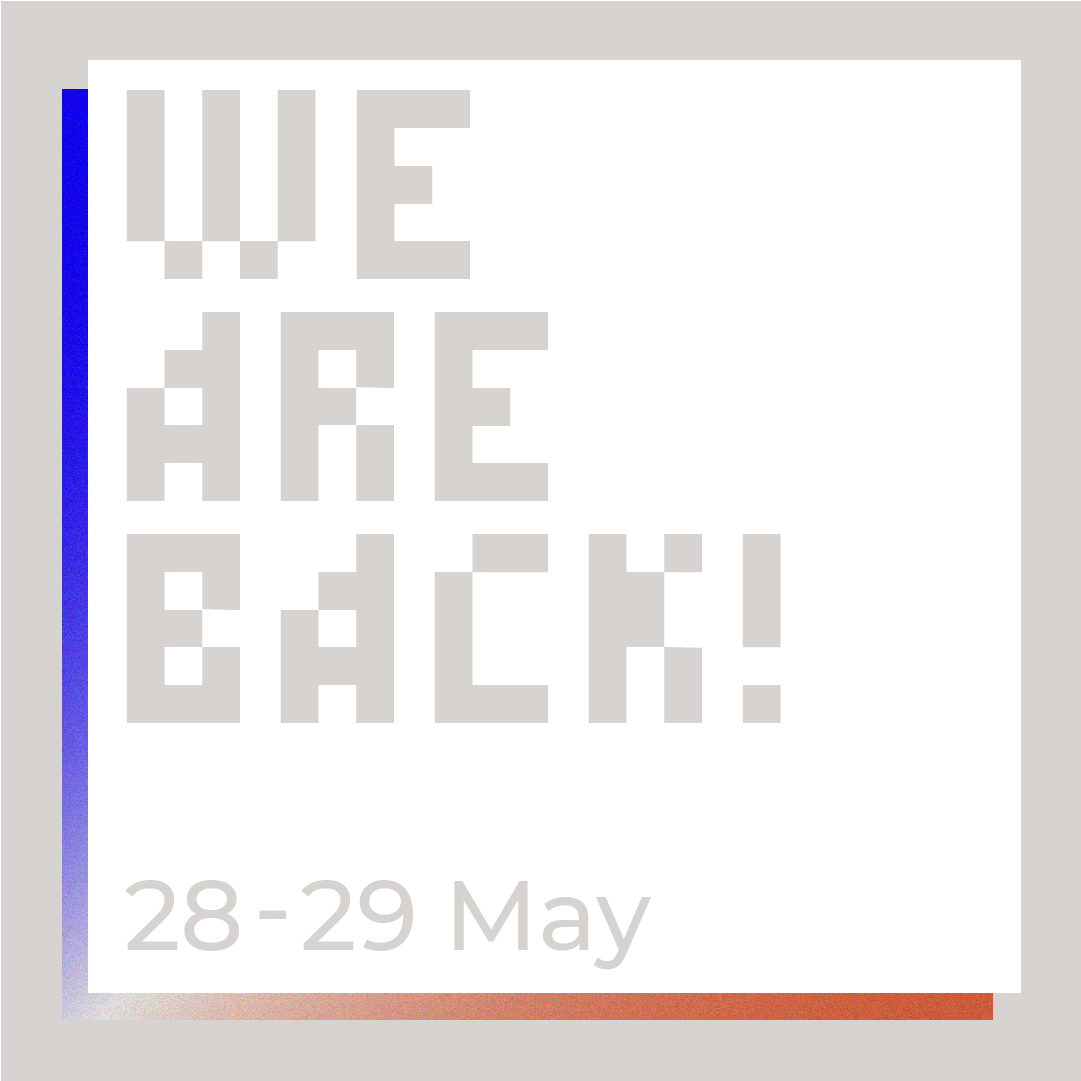


Led by students and faculty from Aalto University, VK21 was a collaborative exploration of the role of data visualization in democratic process. The team asked: how can design help more people become informed participants in democracy?


In May 2021, the Visualizing Knowledge conference returned—not as originally planned, but in a form that reflected the times. VK21 was held online, a two-day event built on the groundwork of a 2020 conference that had been postponed due to the pandemic. The theme was urgent and timely: democracy. The question it posed: how can the visualization of knowledge help make democracy more visual, and thereby, enable more people to be informed participants?
Strahinja Jovanović was part of the student team that brought VK21 to life. Working alongside faculty, staff, and fellow students from Aalto University’s Visual Communication and Information Design programs, he contributed to an event that was both a continuation and a transformation. The conference had been held annually since 2012, but 2021 marked its first full migration to a digital platform. In collaboration with liveto.io, the team created a virtual space for talks, workshops, and dialogue—a space that aimed to replicate not only the content of an in-person conference but its conviviality, its capacity for connection.
The theme of democracy was chosen with care. In 2021, the question of how citizens access, understand, and act on information had never been more pressing. Misinformation, polarization, and declining trust in institutions challenged the foundations of democratic participation. VK21 argued that visualization—the practice of turning data into images, numbers into narratives—could be part of the response. By making complex information legible, by revealing patterns that might otherwise go unseen, by inviting engagement rather than passive consumption, visualization could help more people become informed participants in democratic life.
The conference brought together an international community: visualization experts, researchers, educators, innovators, and enthusiasts. Over two days, they shared work, exchanged ideas, and imagined futures. Sessions explored the role of data storytelling in journalism, the use of visualization in elections, the potential of open data for civic engagement. There was a sense of collective purpose—a recognition that the tools of visualization are not neutral, that they can shape what we see and how we act, and that designing them well is a democratic responsibility.
For Strahinja, VK21 was an opportunity to work at the intersection of design, technology, and social engagement. The conference reflected his broader interests: in systems, in communication, in the role of visual form in shaping public understanding. It was also a chance to collaborate—to work across disciplines, to build something with others, to contribute to a conversation larger than any individual project.
The shift to an online format was not without challenges. The team had to rethink everything: how to foster dialogue across screens, how to create spaces for informal connection, how to translate the energy of an in-person event into a digital environment. But the constraints also produced opportunities. The virtual platform allowed for participants from around the world; the recorded sessions became resources that extended beyond the two days; the experiment in online convening offered lessons for future events.
In the end, VK21 was both a conference and a provocation. It asked participants to consider what democracy might look like if it were more visual, more accessible, more informed by design. And it demonstrated, through its own form, what collective effort can produce: a space for conversation, a community of practice, a vision for the future.