The Book of Light explores how a zine can become a vessel for light. Through transparency, cut-outs, and layered text, the object invites readers to touch light itself—holding it, feeling it, seeing it cast new shadows across the page.
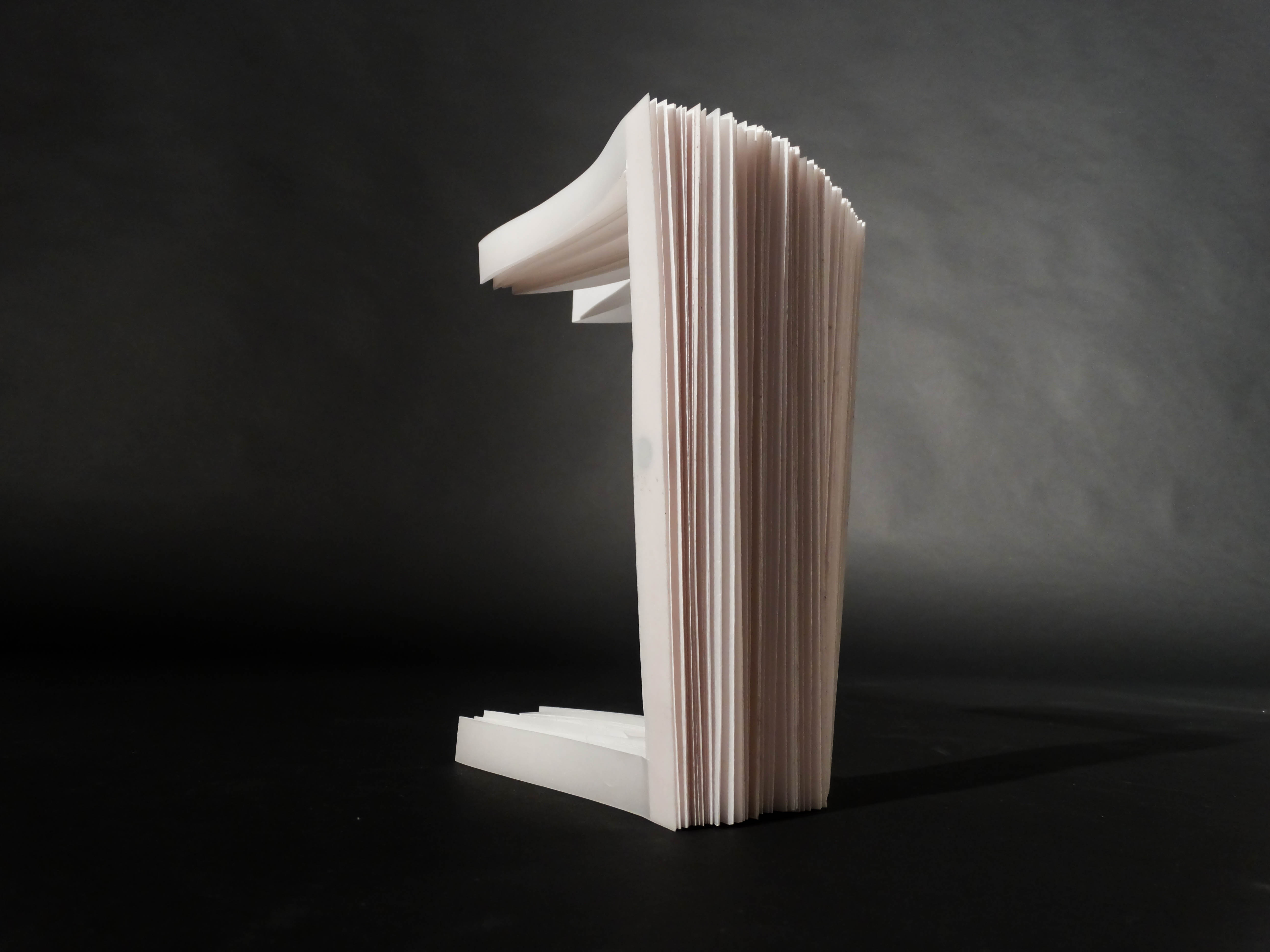

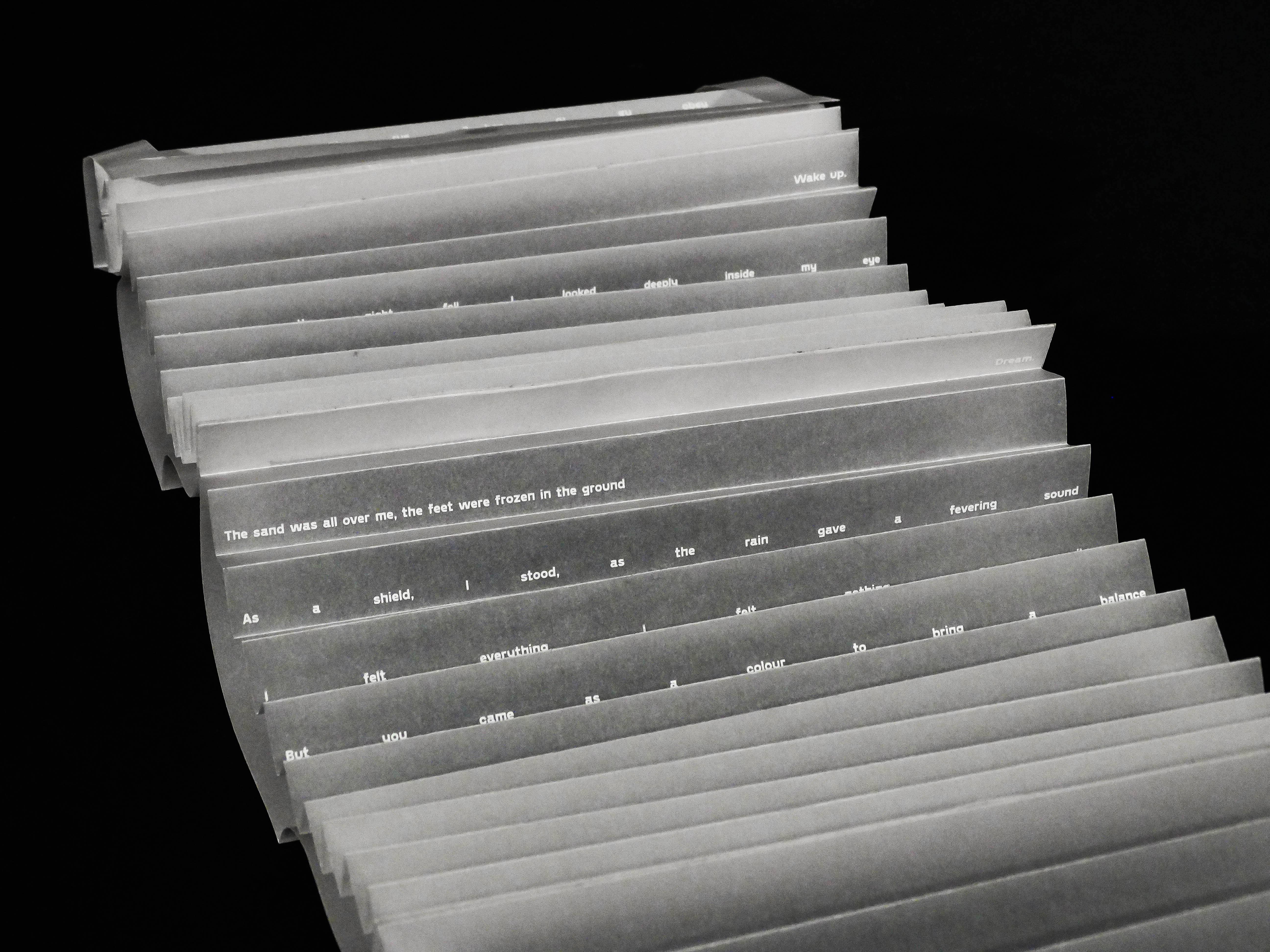
Letters appear and disappear as light passes through the reader’s hand. The text—a poetic epilogue—is woven into the structure of the zine, revealing itself only when illuminated. Reading becomes an act of discovery, of reaching toward what is hidden.

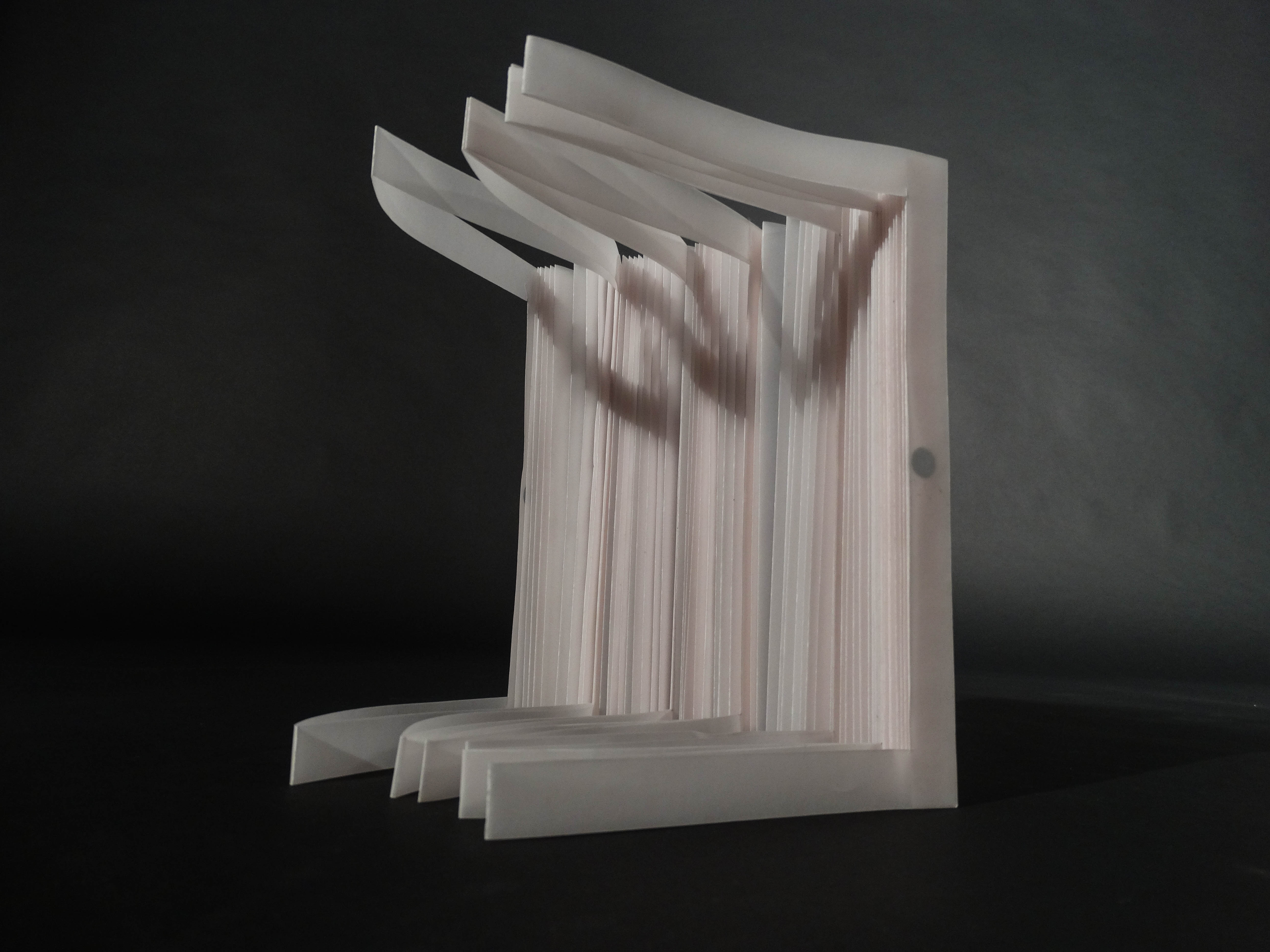
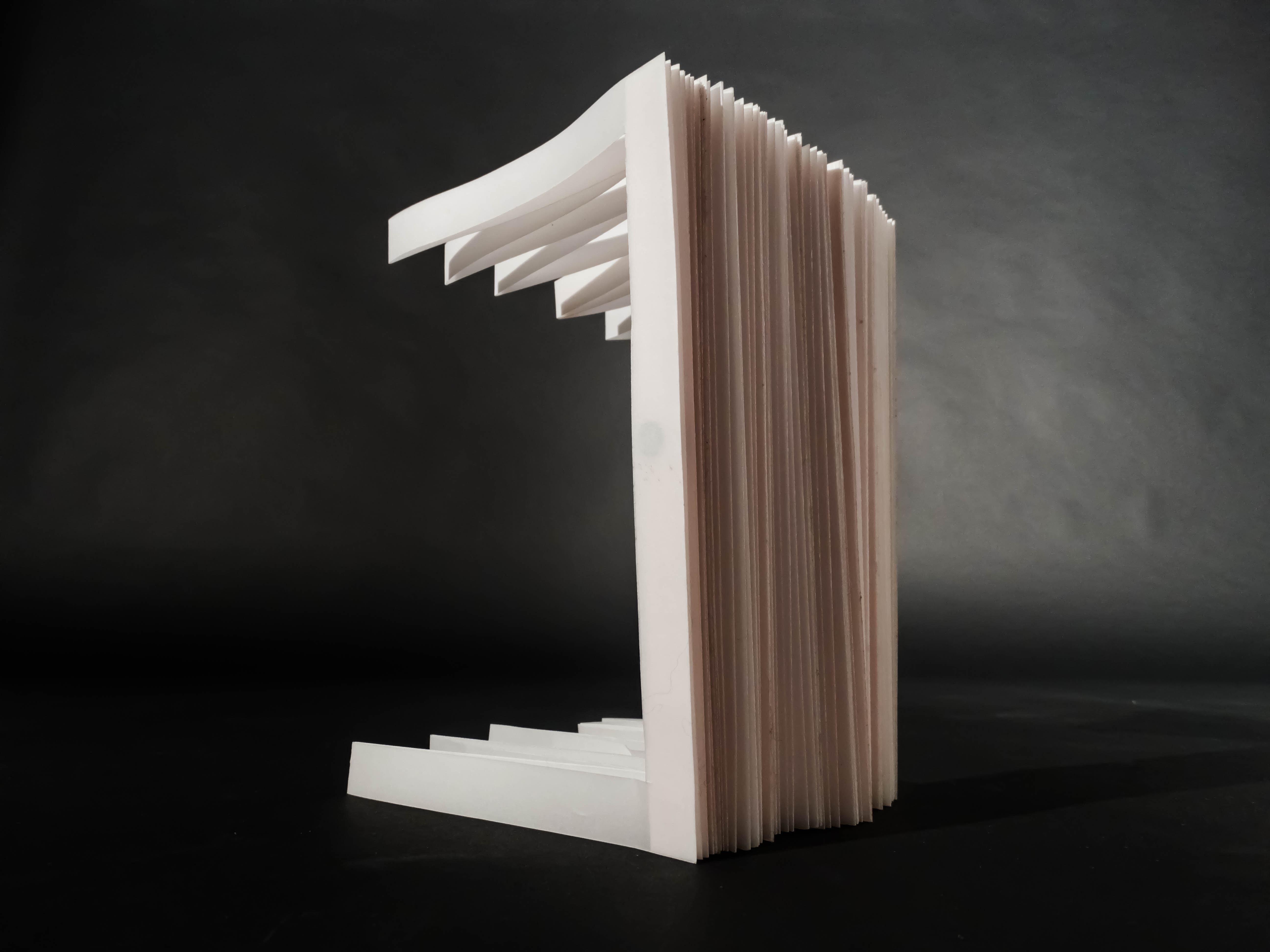



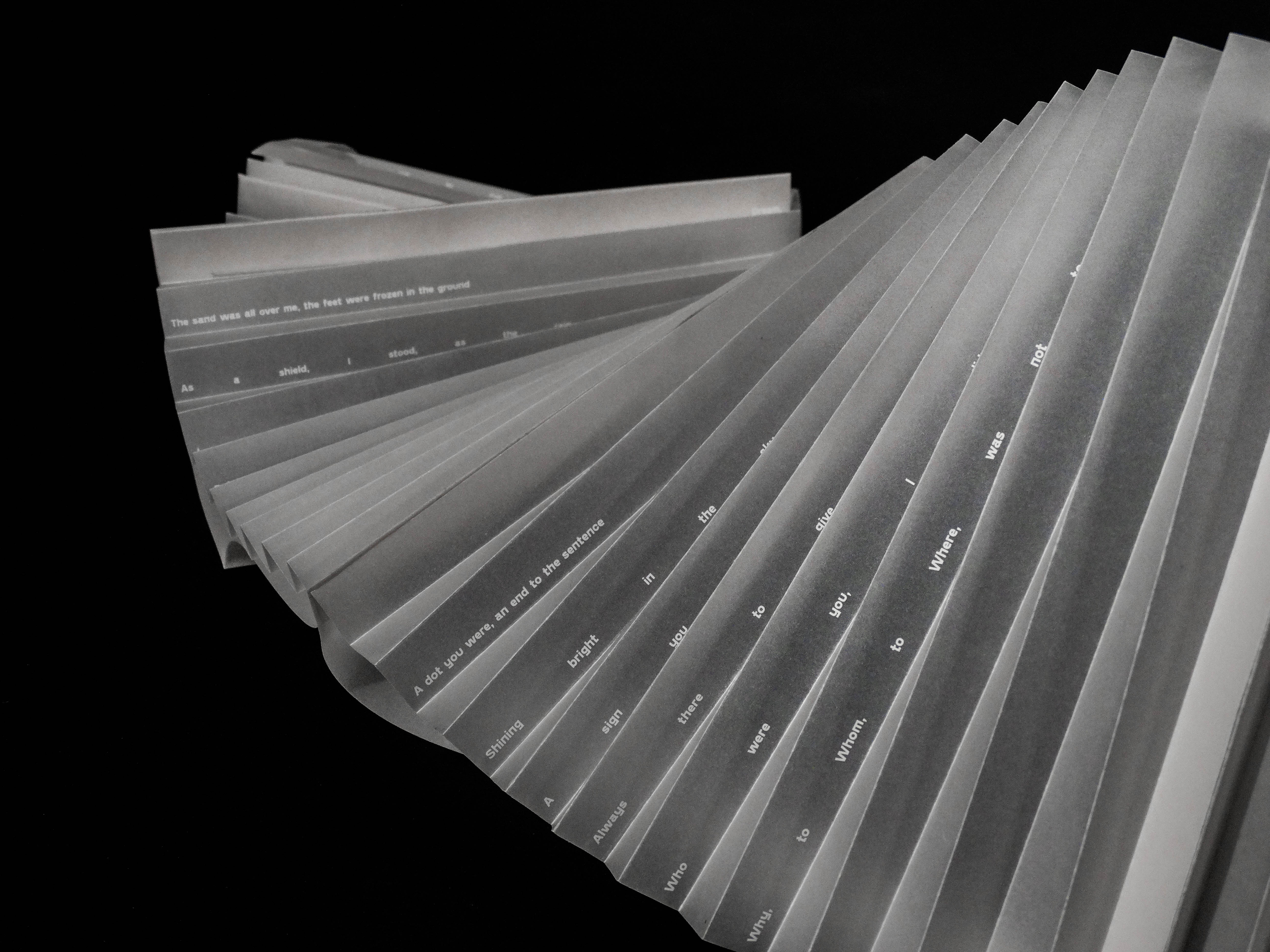
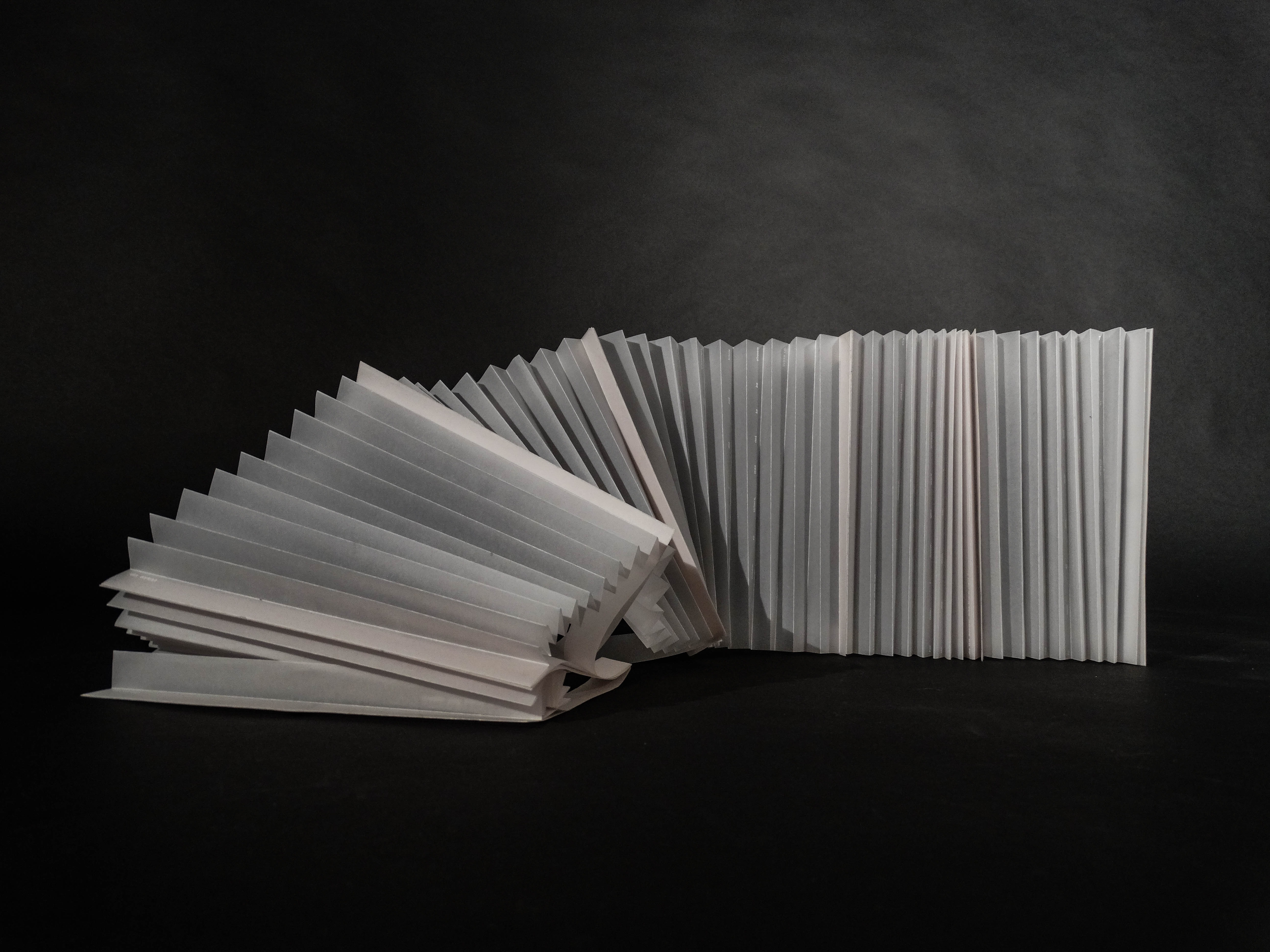
The zine transforms. Beginning and end merge into a cylindrical shape that becomes a lamp, casting the text as shadow across the room. The Book of Light reimagines the book as object, as presence, as something that illuminates beyond the page.

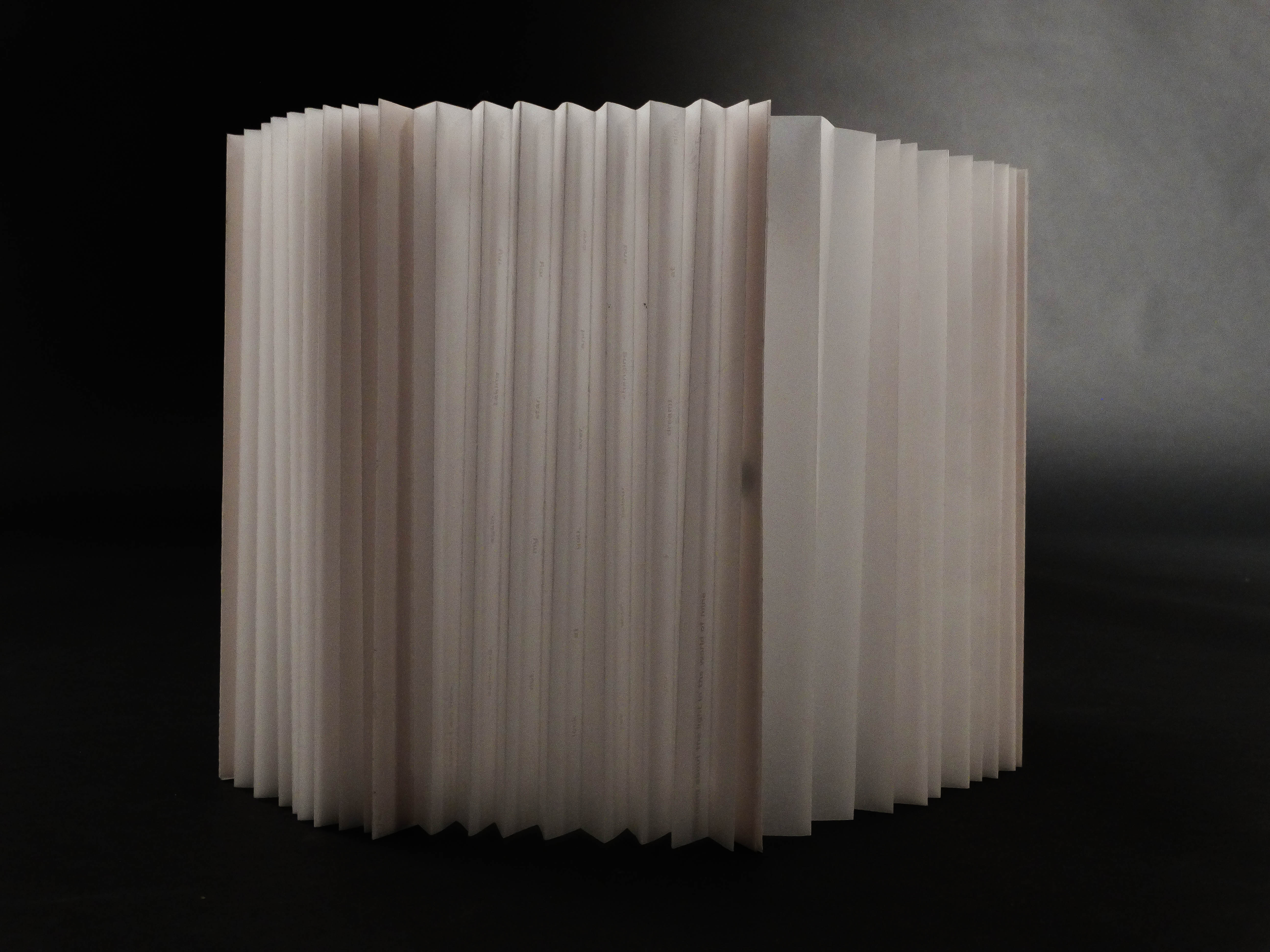

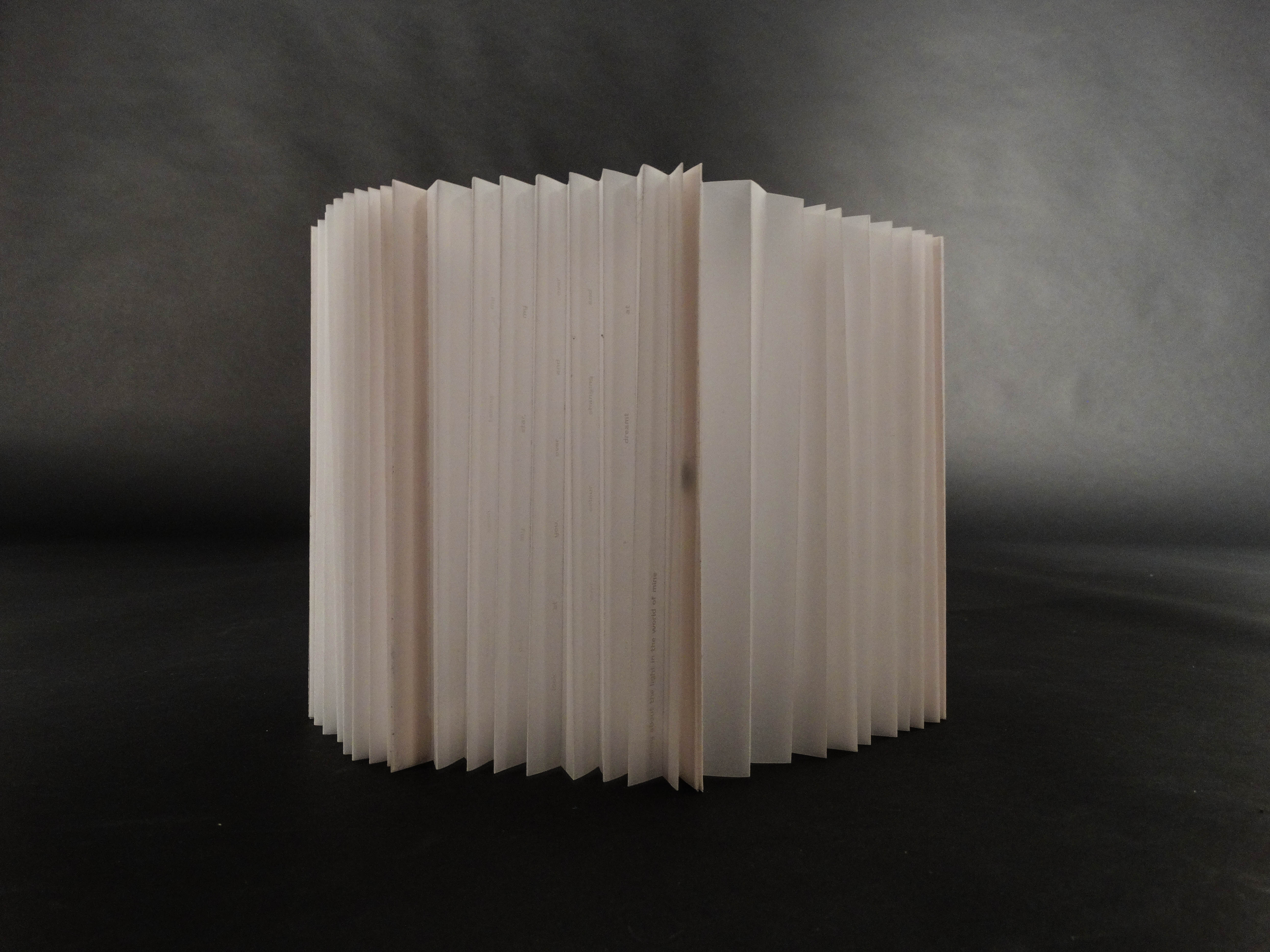
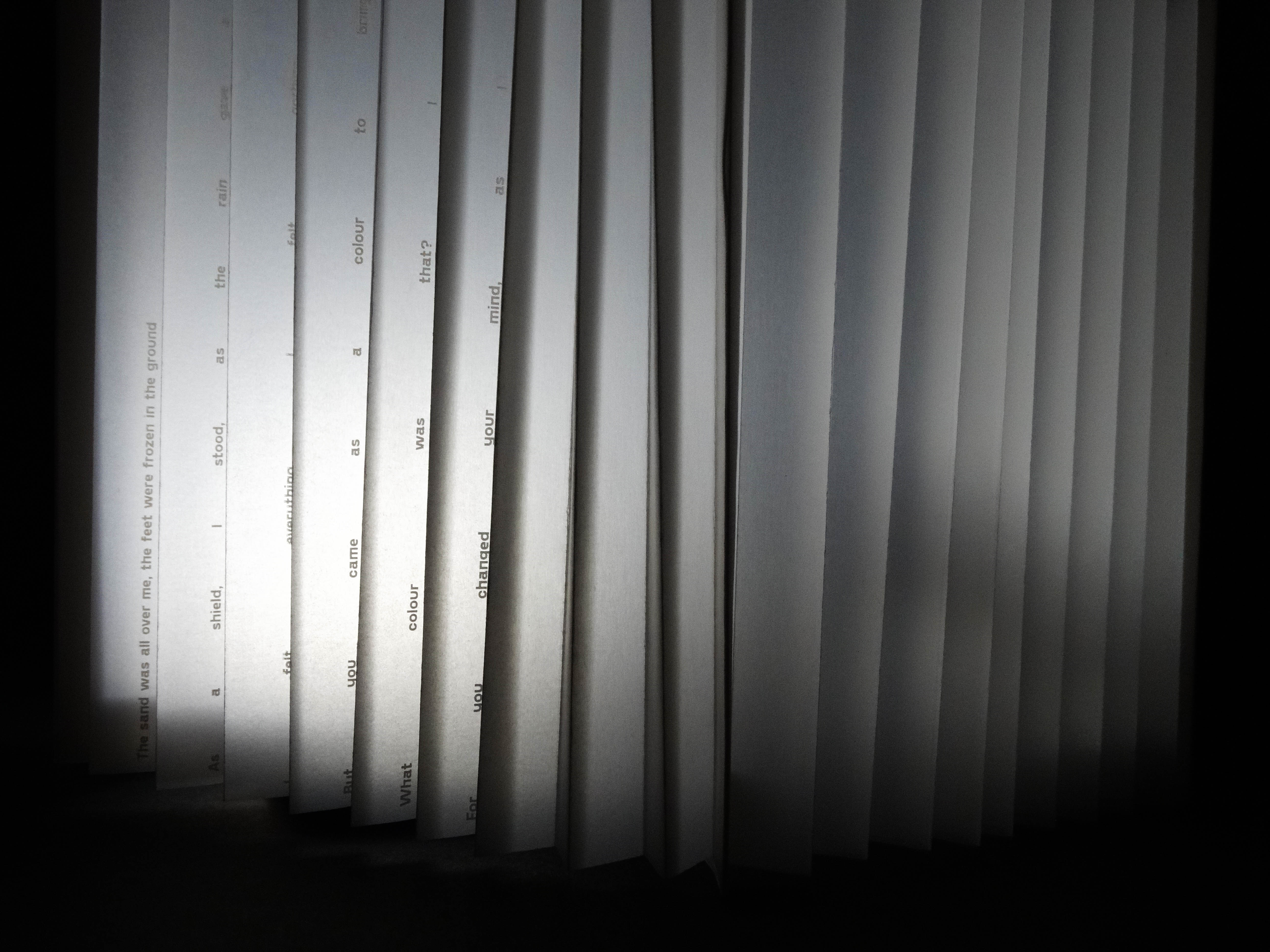

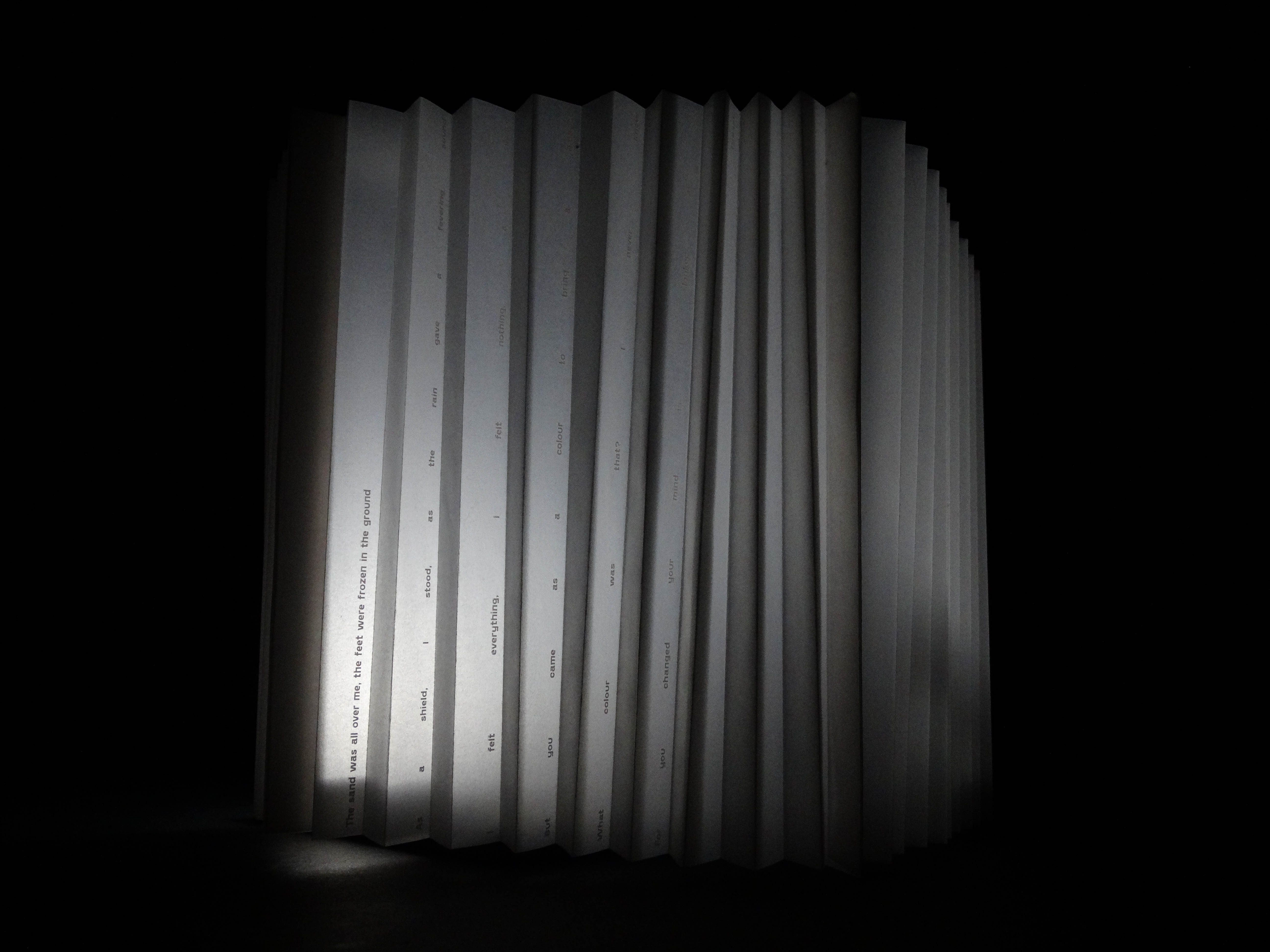
What does it mean to touch light? This question sits at the heart of The Book of Light, a zine and art object created by Strahinja Jovanović at the Academy of Fine Arts and Design in 2022. The project, which received a Graphis Silver Award, explores the intersection of materiality, poetry, and illumination—asking not only how we can present light through a zine, but what it means to hold light in our hands.
The work begins with a deconstruction of light itself. Through visual research, Strahinja examined light’s different forms, its behaviors, its capacity to reveal and to conceal. He translated these observations into material experiments: paper cut-outs that create shadows, layered transparencies that filter light, text that appears and disappears depending on how the pages are held. The zine becomes a study of light’s materiality—not as an abstract phenomenon, but as something we can touch, shape, and manipulate.
Central to the project is a poetic epilogue written through the entire zine structure. The text is not simply printed on pages; it is woven into the object’s architecture, hidden within layers of transparency, revealed only when light passes through the reader’s hand. To read is to participate, to hold the page up to the light and watch letters emerge from shadow. The experience is intimate, almost sacred—a quiet act of discovery that transforms reading into something closer to meditation.
The zine’s materiality is carefully considered. Transparent papers allow light to pass through, blurring the boundaries between text and environment. Cut-out structures create interior spaces that trap light and release it in new forms. The weight of the paper, the way it folds and bends, the resistance it offers to the hand—all of these elements contribute to the feeling of holding something precious, something that exists at the threshold between object and experience.
But The Book of Light does not end with the closed zine. In its final form, the object transforms. The beginning and end of the text merge into a cylindrical shape, a structure that becomes a lamp—a source of illumination that casts the text as shadow across the room. What was once held is now projected. What was read is now seen in the space around us. The book becomes light, and light becomes text.
The project was exhibited at the Academy of Fine Arts and Design, where it was recognized not only as a work of graphic design but as an exploration of the book as object, as product, as something that might live in a home, on a shelf, in a room—not just as a container for words, but as a presence. The Book of Light reimagines the zine as a new kind of artifact, one that bridges the gap between reading and dwelling, between text and environment.
For Strahinja, the project was an opportunity to explore the boundaries of design. It asks us to consider what a book can be, what it can do, what it can illuminate. In the end, The Book of Light is about the act of holding—holding a book, holding light, holding words that only become visible when we reach toward them. It is a reminder that some things must be held in order to be seen.


.jpg)