In this visual essay for Aalto University, illustrations bring to life the argument that design is essential for solving messy, interconnected global challenges. The images frame complexity not as chaos to be tamed, but as territory to be explored.
.gif)
.gif)
Climate change, pandemics, inequality—these problems resist linear solutions. The illustrations for "Experts in Mess" capture design's unique capacity: empathy, collaboration, prototyping, and the courage to love the problem, not the solution.
.gif)
.gif)
.gif)
.gif)
.gif)
.gif)

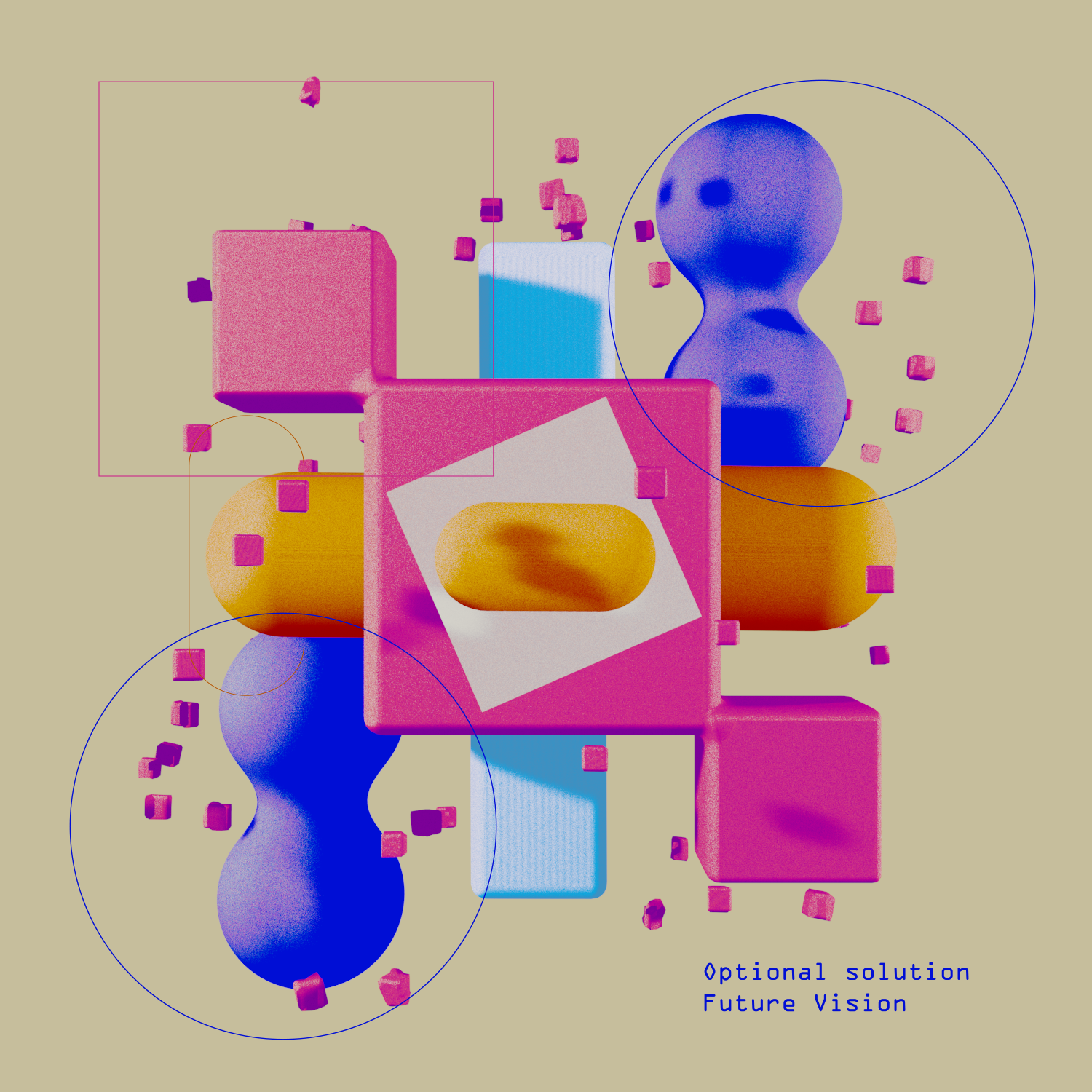


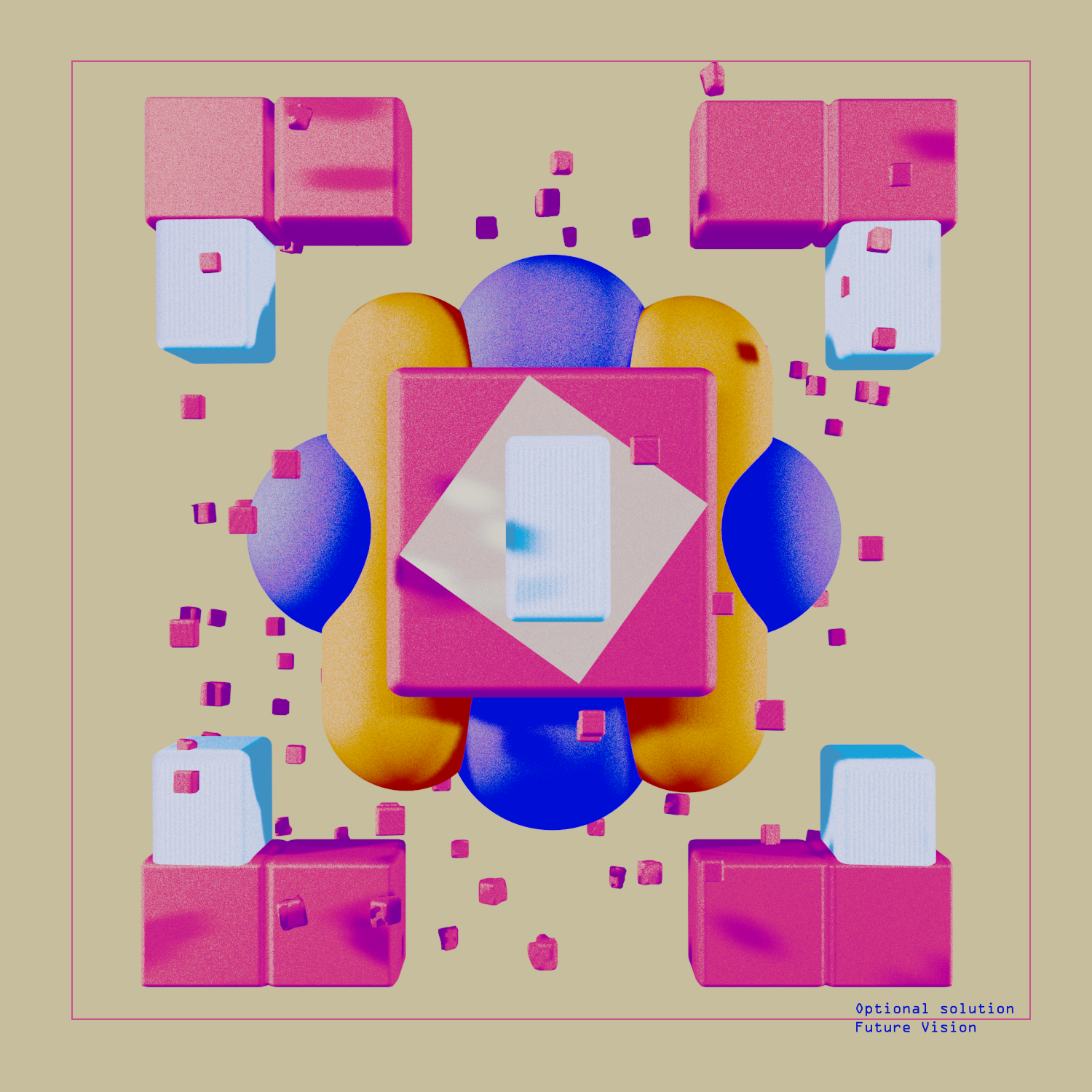
We have solutions but lack shared visions for tomorrow. These illustrations argue for design as a tool to imagine alternative futures, to transform mindsets, to weave individual threads into collective possibility.
.gif)
.gif)
.gif)
In 2021, Strahinja Jovanović contributed a series of illustrations to "Experts in Mess," a long-read essay published by Aalto University Arts. The text, written by Sini Koskimies and drawing on research by Tua Björklund and colleagues, makes a compelling case for the value of design in an age of unprecedented complexity. Strahinja’s illustrations were not mere decorations; they were integral to the essay’s argument, giving visual form to concepts that resist easy articulation.
The essay begins with a provocative question: why can we build 800-meter skyscrapers and send space tourists to the stratosphere, yet still fail to meet our pollution targets? Why can we manipulate matter on a nanoscale and perform delicate robotic surgeries, yet struggle with global poverty? The answer, the authors suggest, lies in the nature of the problems themselves. Technological challenges are linear; they can be solved with expertise. But challenges like climate change, biodiversity loss, social inequality, terrorism, and pandemics are something else entirely. They are interconnected, unstable, messy.
Strahinja’s illustrations capture this messiness. They do not simplify or reduce; they embrace complexity, layering forms, textures, and ideas in ways that invite the viewer to look closer, to sit with uncertainty. The images reflect the essay’s core argument: that design offers tools uniquely suited to these messy problems.
The essay outlines several key design practices. First, designers "love the problem, not the solution." They spend time framing and reframing, identifying underlying issues rather than rushing to answers. Second, design operates through empathy. Designers seek to understand all stakeholders—including non-human entities like other species and living systems—and to see the world through their perspectives. Third, collaboration is essential. Design rejects the idea of a single perfect solution, instead running multiple tracks, keeping several future visions alive, encouraging nuance and compromise.
Strahinja’s illustrations depict these practices visually: figures reaching across divides, hands building together, multiple pathways unfolding simultaneously. The images are dynamic, open-ended, suggesting process rather than product.
The essay also emphasizes action. Messy situations change faster than we can act, and problems and solutions co-evolve. Designers respond by prototyping, experimenting, testing—generating new knowledge and acting on evidence. Strahinja’s images reflect this iterative quality, forms in motion, ideas in flux.
Perhaps most urgently, the essay identifies a crisis of imagination. We have solutions but lack shared visions for the future. We can imagine narrow threads of possibility but struggle to see how they weave together to address climate change, habitat loss, inequality. Design, the authors argue, is a remedy for this crisis—a way to foster imagination, create alternative futures, and backcast from them to identify practical steps forward.
Strahinja’s illustrations for "Experts in Mess" do not illustrate solutions; they illustrate the possibility of solutions. They invite us to imagine differently, to collaborate across differences, to embrace the messy work of transformation. In doing so, they become part of the argument they serve: that design is not a luxury but a necessity, an underused tool at our disposal, a way of thinking and acting that can help us navigate the complexities of our time.
The essay concludes with a call: to integrate design, engineering, business, and policy; to embed design approaches across all structures and processes; to recognize that the shift toward sustainability is a cultural transformation, and design can be its key driver. Strahinja’s images linger in the mind, reminders that the mess is not something to escape but something to enter, with empathy, curiosity, and the courage to imagine.