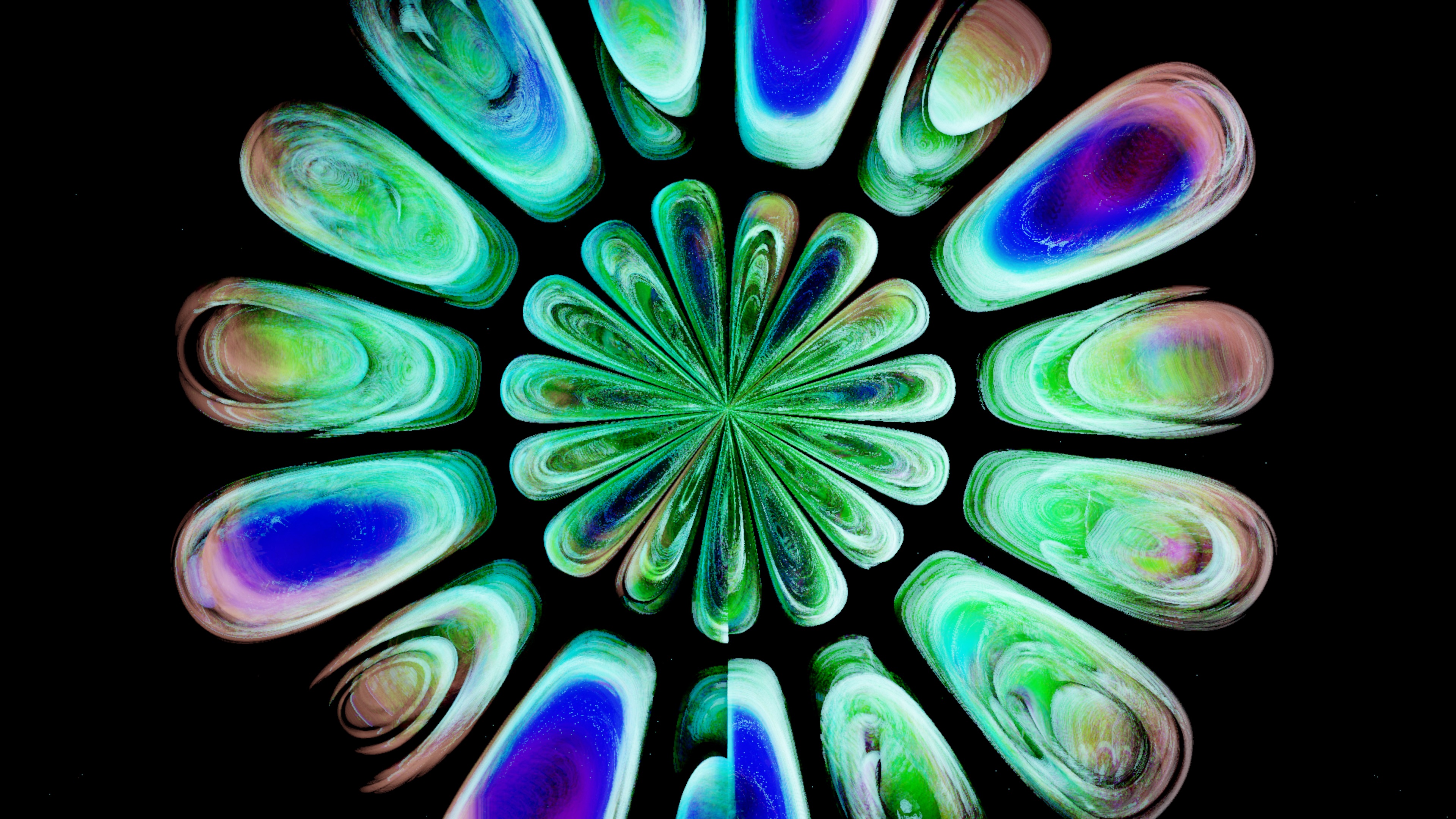
Plants communicate through pheromones, invisible signals, metabolic processes we cannot perceive. Next Sense makes these untouchable senses visible—an abstract video that reveals the forest's hidden language, and the impact humans have on it.
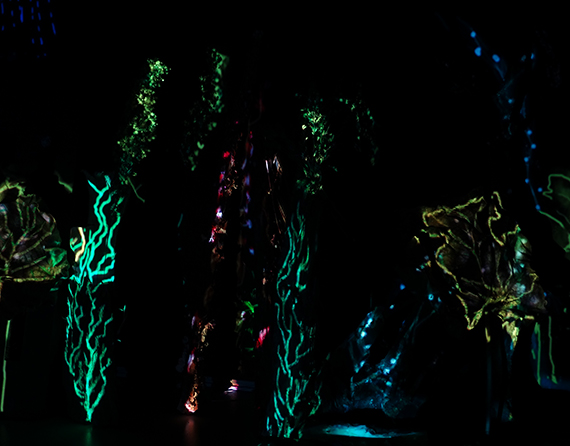

What do plants feel that we cannot? Next Sense explores the invisible senses of the forest: communication between plants, chemical signals, the quiet life beneath our notice. Through digital mapping and sound, it asks us to listen.
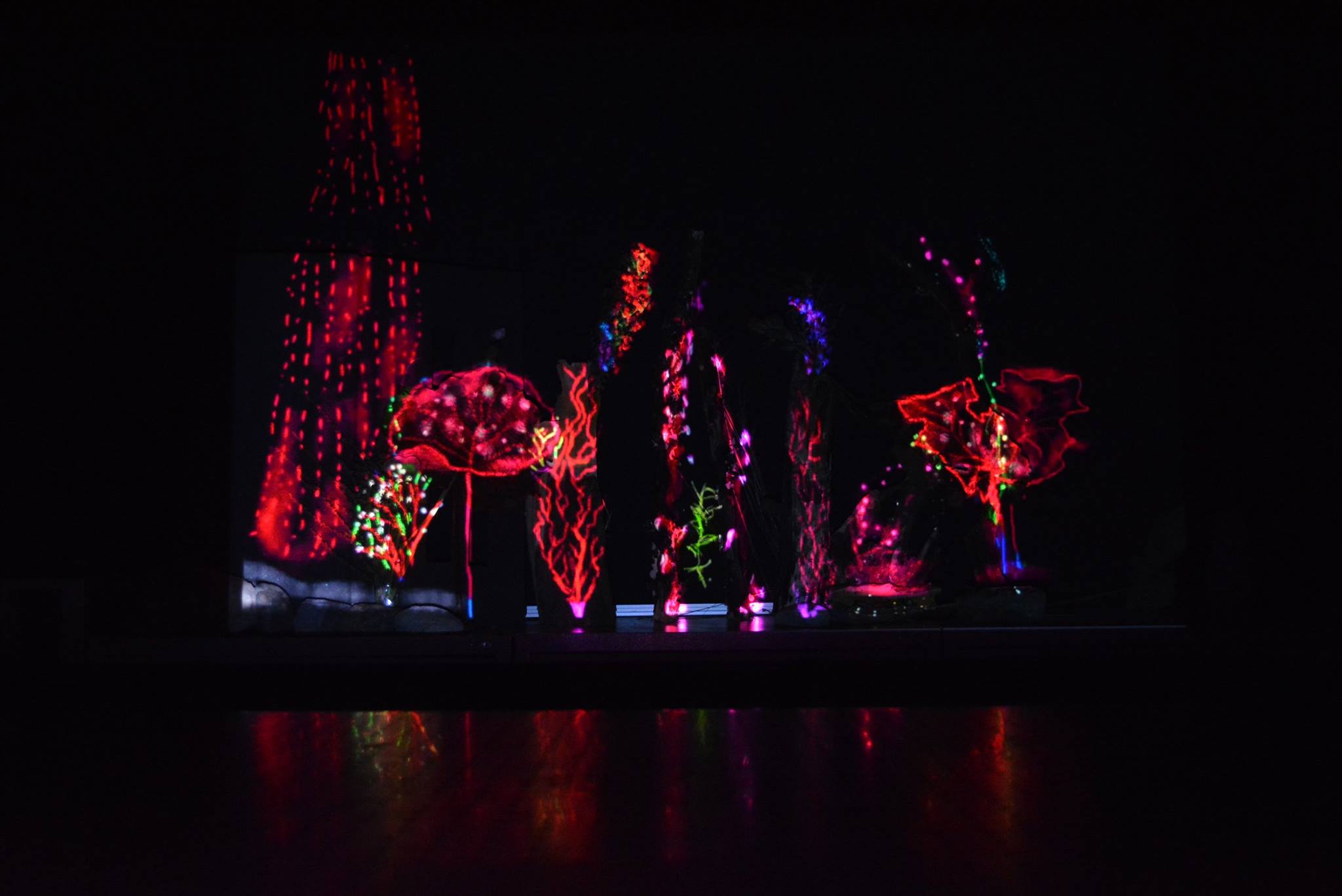
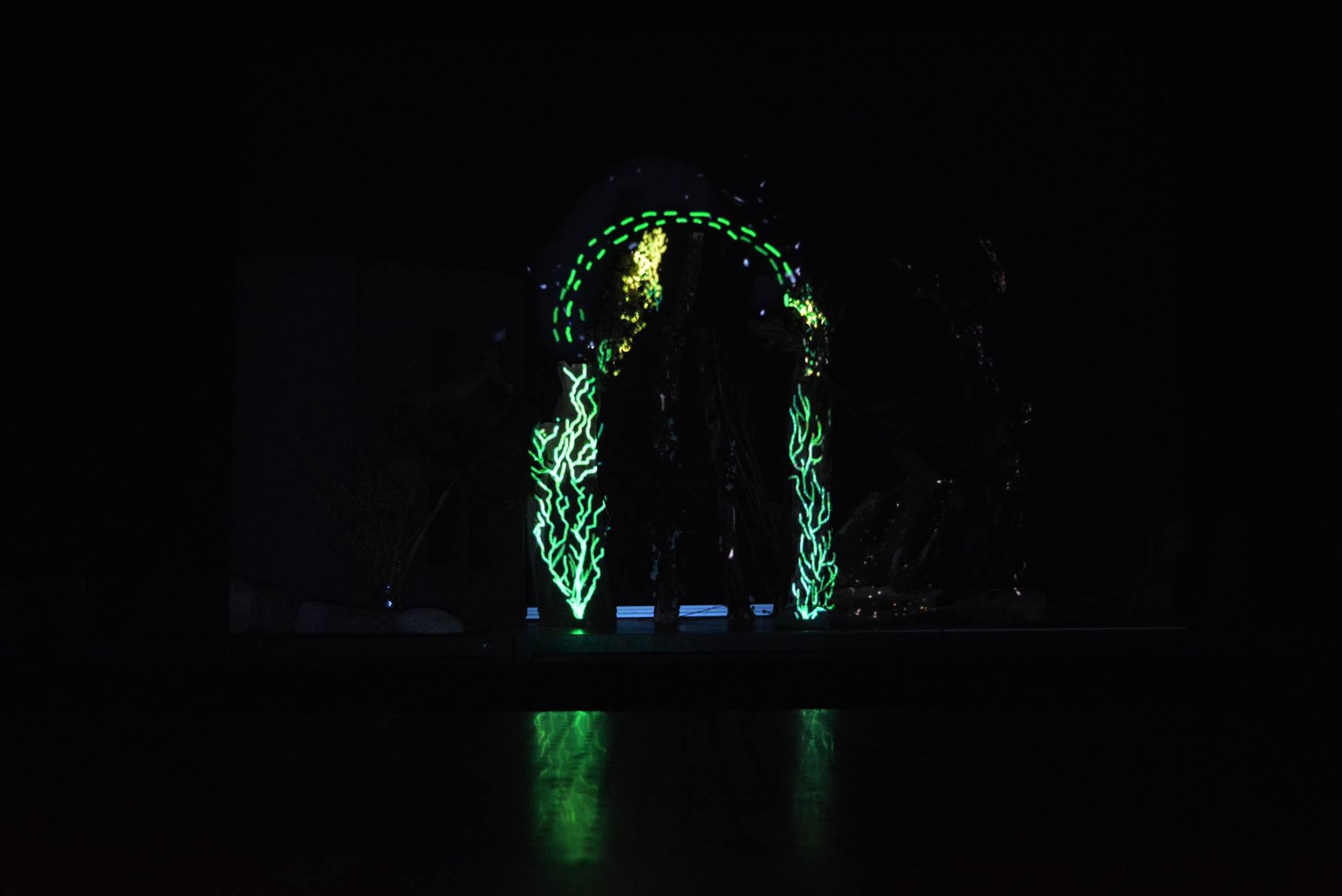
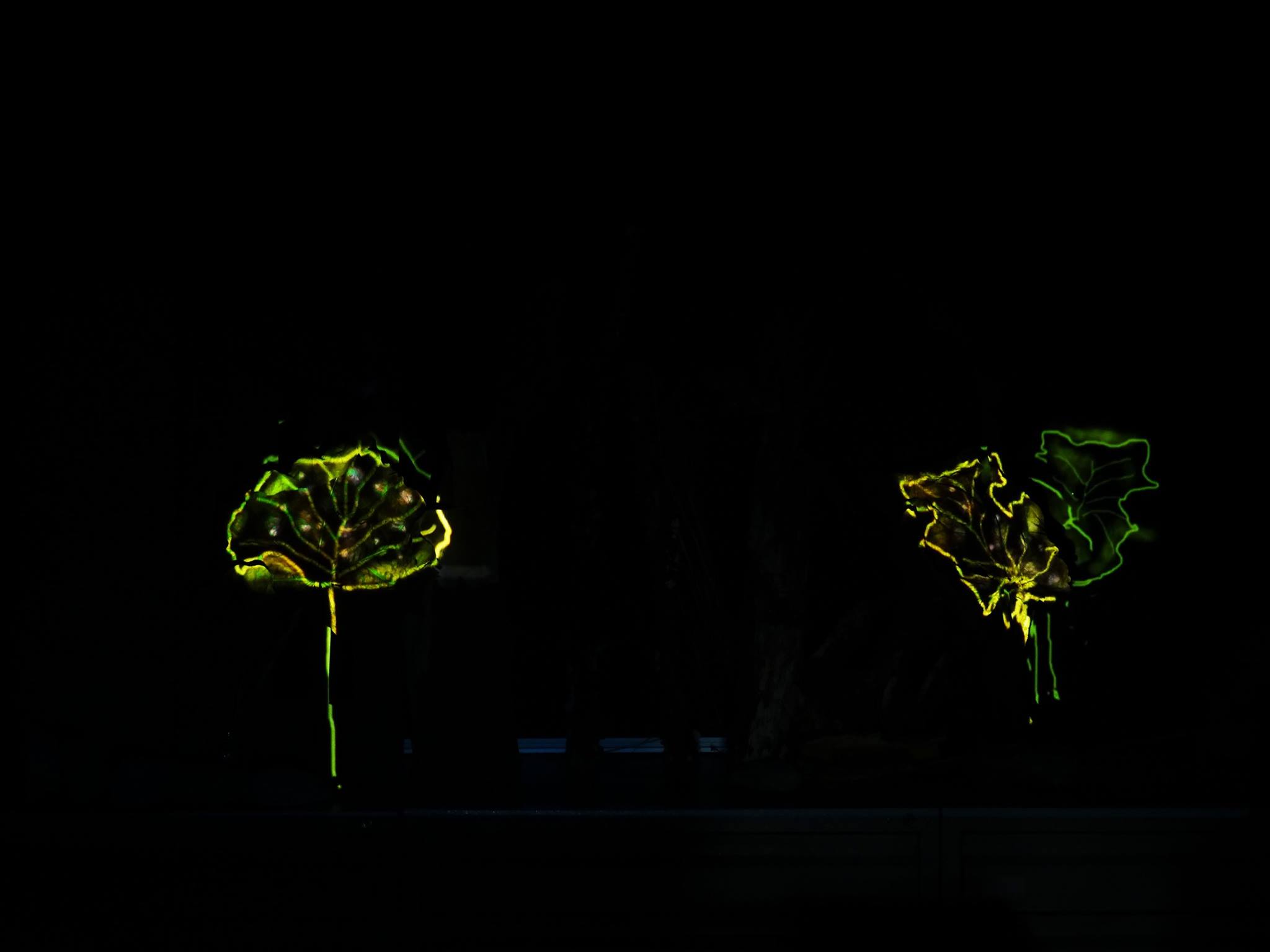
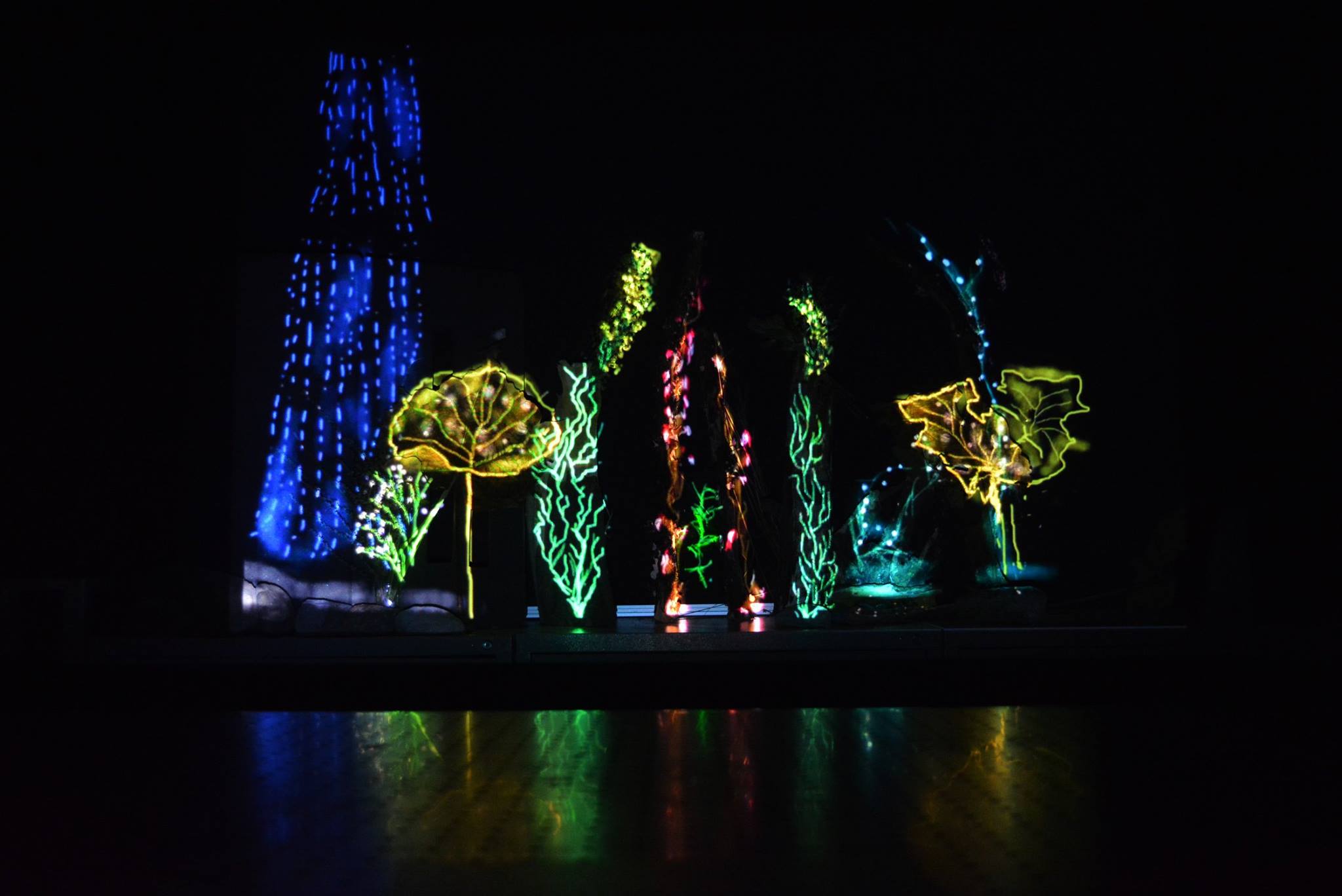
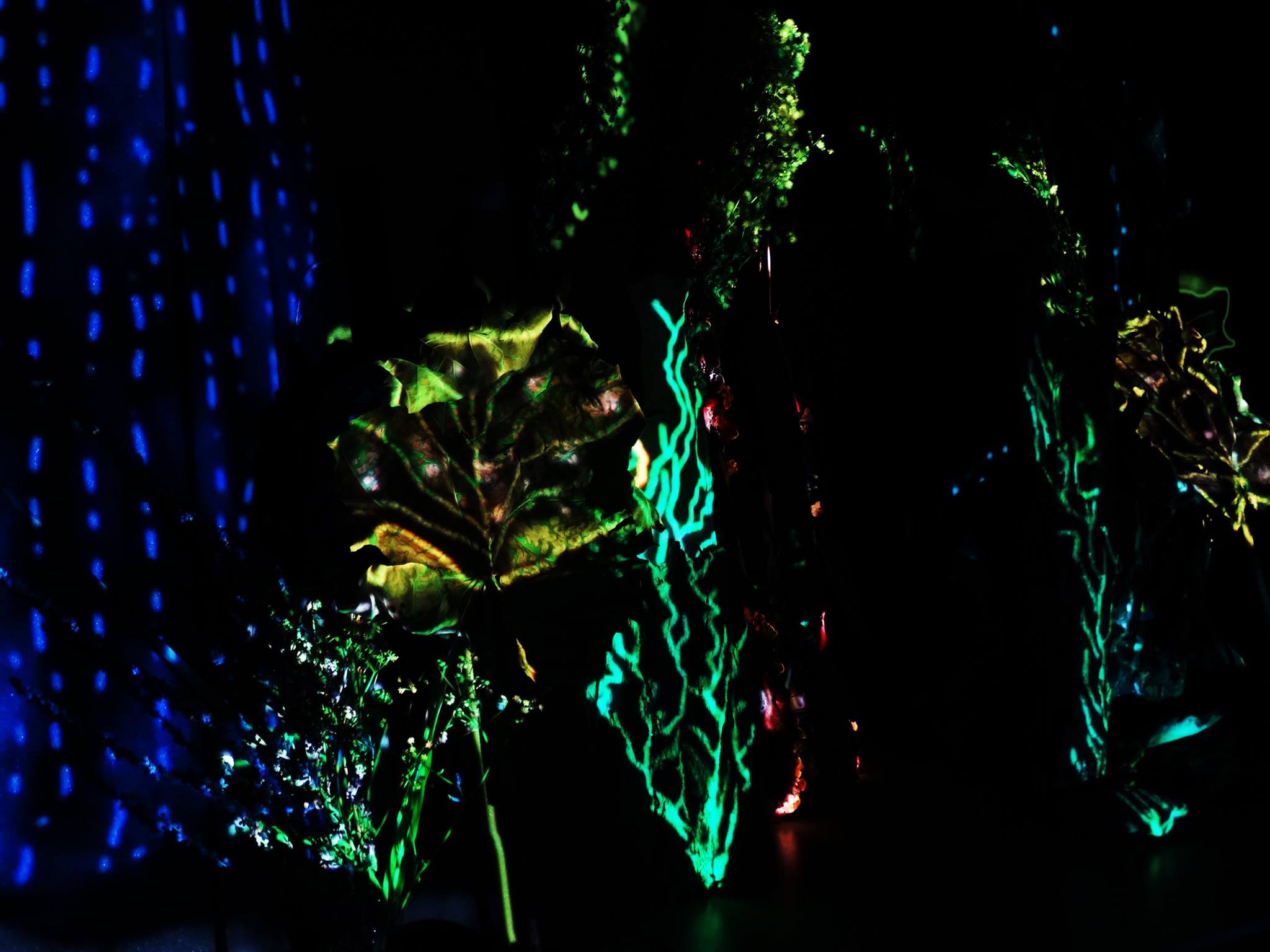
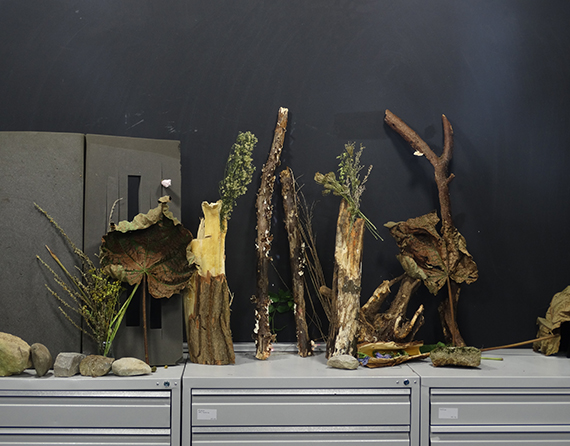
Using abstract imagery and layered soundscapes, Next Sense visualizes the negative consequences of human activity on plant life. Growth, development, and impact are rendered in imaginative forms—an education in empathy.


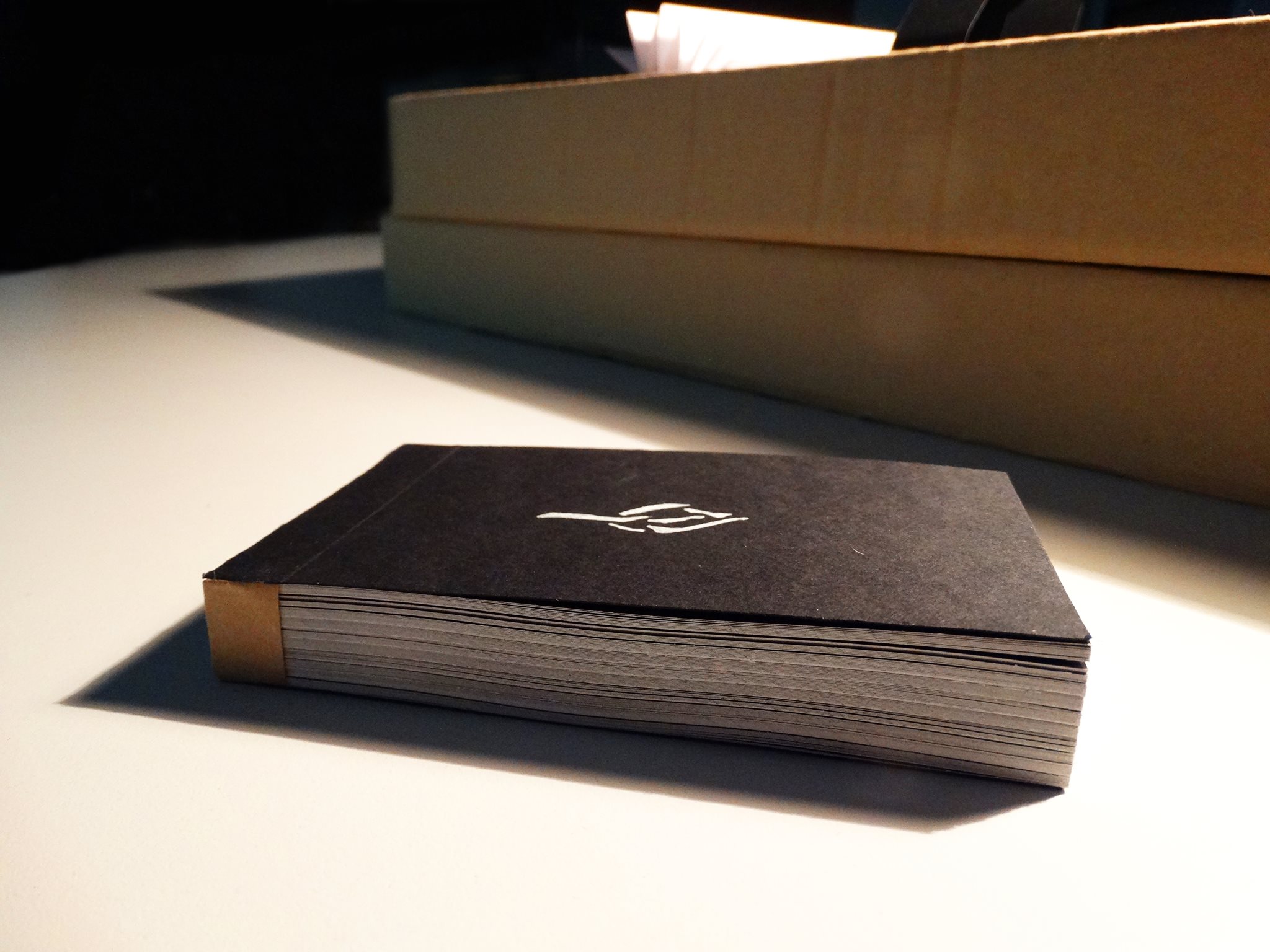
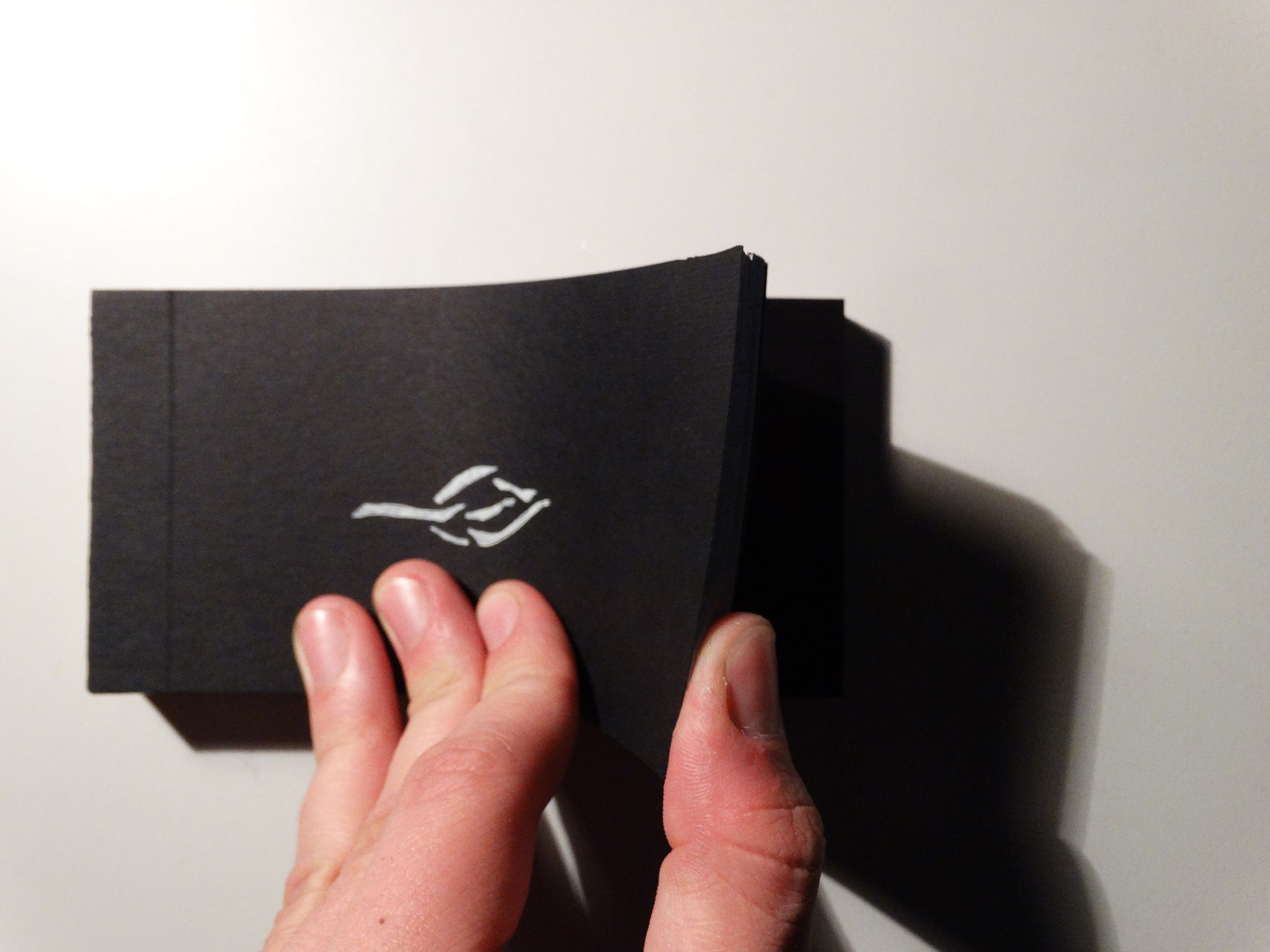
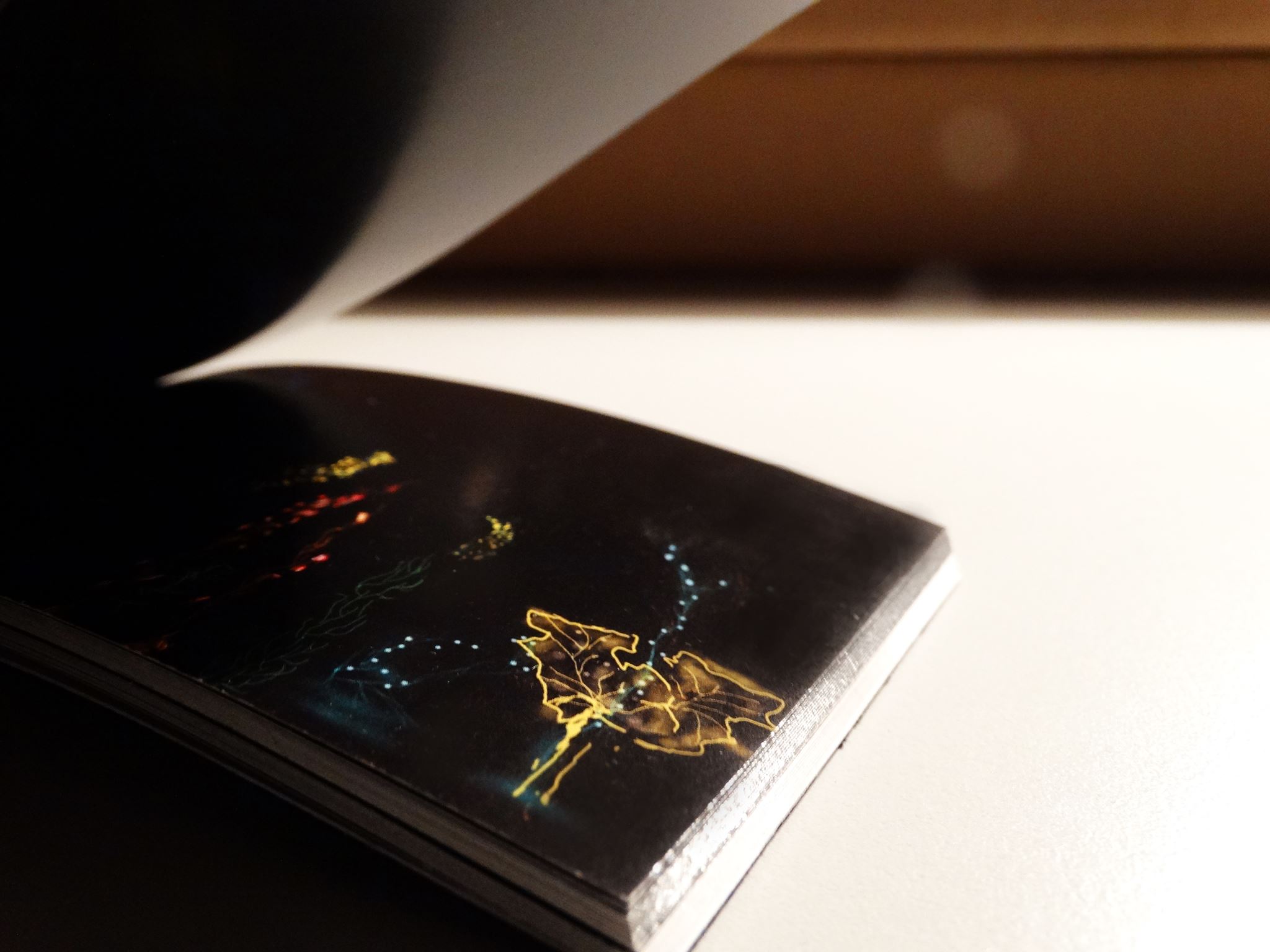
In 2016, a group of young researchers at the Petnica Science Center set out to explore a question that rarely makes it into the headlines: what do plants sense that we cannot? The result was Next Sense, a project that used digital mapping, sound design, and abstract imagery to make visible the invisible world of plant communication, pheromones, and metabolic processes—and to show how human activity disrupts it.
The project began with research. The team discovered that plants possess a range of senses far beyond human perception. They communicate through chemical signals, releasing pheromones to warn neighboring plants of danger. They respond to touch, to sound, to the presence of other organisms. Their metabolic processes are rich with information, with meaning, with life. But these senses are untouchable, invisible, easy to ignore.
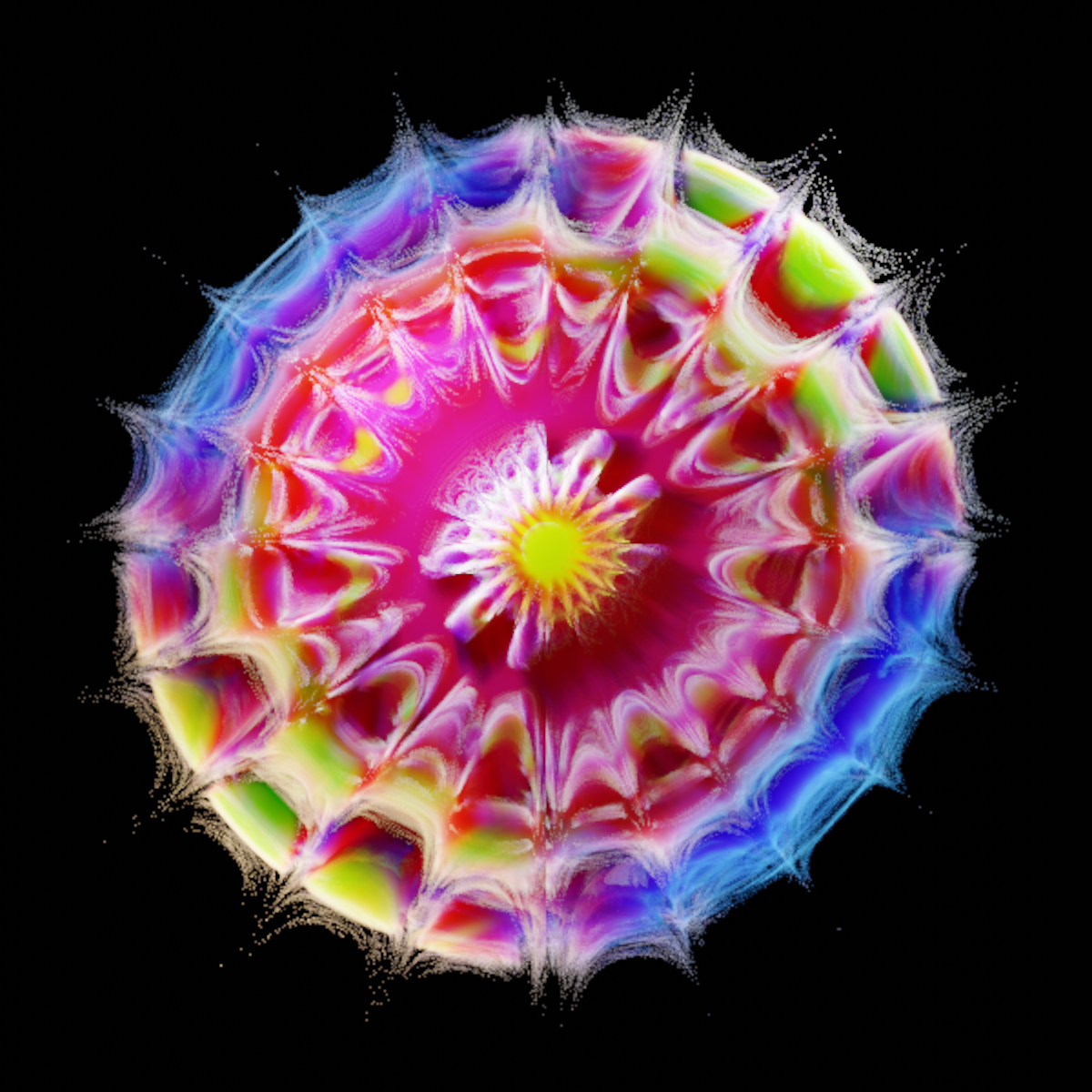
Next Sense set out to change that. The project uses digital mapping to translate plant communication into visual form. Pheromone trails become lines of light; chemical warnings become pulses of color; the slow, steady growth of a plant becomes a flowing, evolving shape. The imagery is abstract, imaginative—not a scientific representation but an artistic one, designed to evoke rather than explain.
Sound plays an equally important role. The audio track layers the sounds of nature—wind, rustling leaves, bird calls—with the sounds of human activity: machinery, footsteps, the hum of infrastructure. The two are not opposed but interwoven, suggesting that human impact is not external to nature but entangled with it. The result is a soundscape that is both beautiful and unsettling, a reminder that we are always present, always leaving traces.
The short video that emerged from the project is a meditation on growth, development, and impact. Scenes of plants emerging, unfurling, reaching toward light are intercut with images of human intervention: construction, pollution, the slow creep of development. The movement is fluid, dreamlike, refusing easy distinctions between natural and artificial. The message is not didactic but suggestive: these are the senses we cannot perceive; this is what we are doing to them.
For the team at Petnica, Next Sense was an exploration of how art and science might work together. The project required scientific literacy—understanding plant communication, pheromone signaling, metabolic processes—but also artistic skill, the ability to translate that knowledge into forms that could be felt as well as understood. The result is a work that operates on multiple levels: as education, as art, as provocation.
The project also reflects a broader concern with environmental communication. How do we make people care about what they cannot see? How do we represent processes that unfold on scales too slow or too fast for human perception? Next Sense offers one answer: through abstraction, through sound, through the imaginative translation of data into form.
In the years since, the questions raised by Next Sense have only grown more urgent. Climate change, biodiversity loss, the degradation of ecosystems—these are the consequences of human activity, playing out on a global scale. Next Sense reminds us that the impacts are also local, also intimate, also unfolding in the hidden senses of the plants around us.
.gif)