Peperissipo questions disposable culture through speculative design. Instead of manufacturing cups, can we grow them? The project proposes paprika as a natural vessel—cut, opened, and used. A simple yet radical shift from production to cultivation.
Exploring nature’s ready-made forms, Peperissipo discovers the bell pepper’s potential as a biodegradable container. No manufacturing, no waste—just harvest and use. The project reimagines packaging through the lens of botany rather than industry.


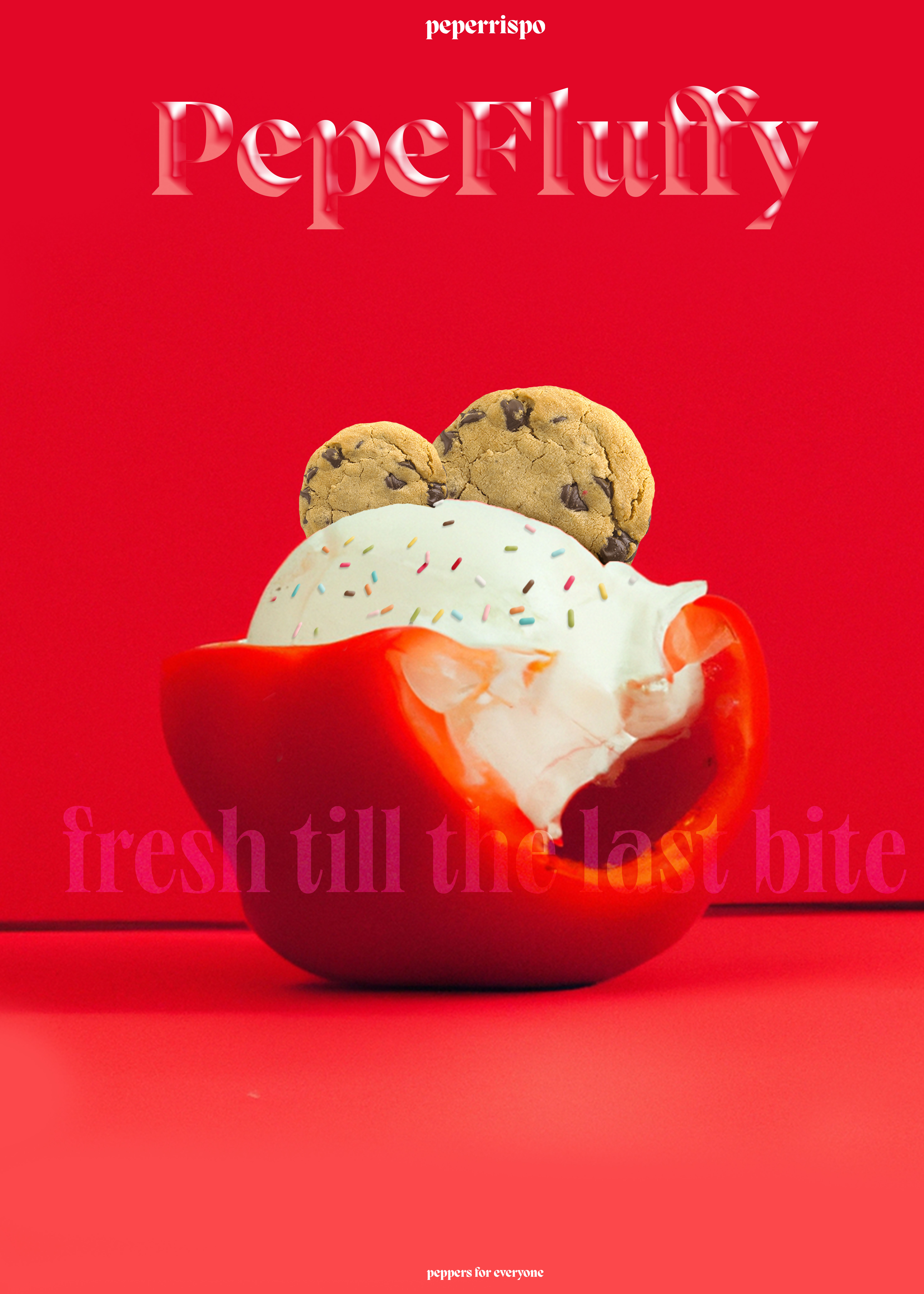
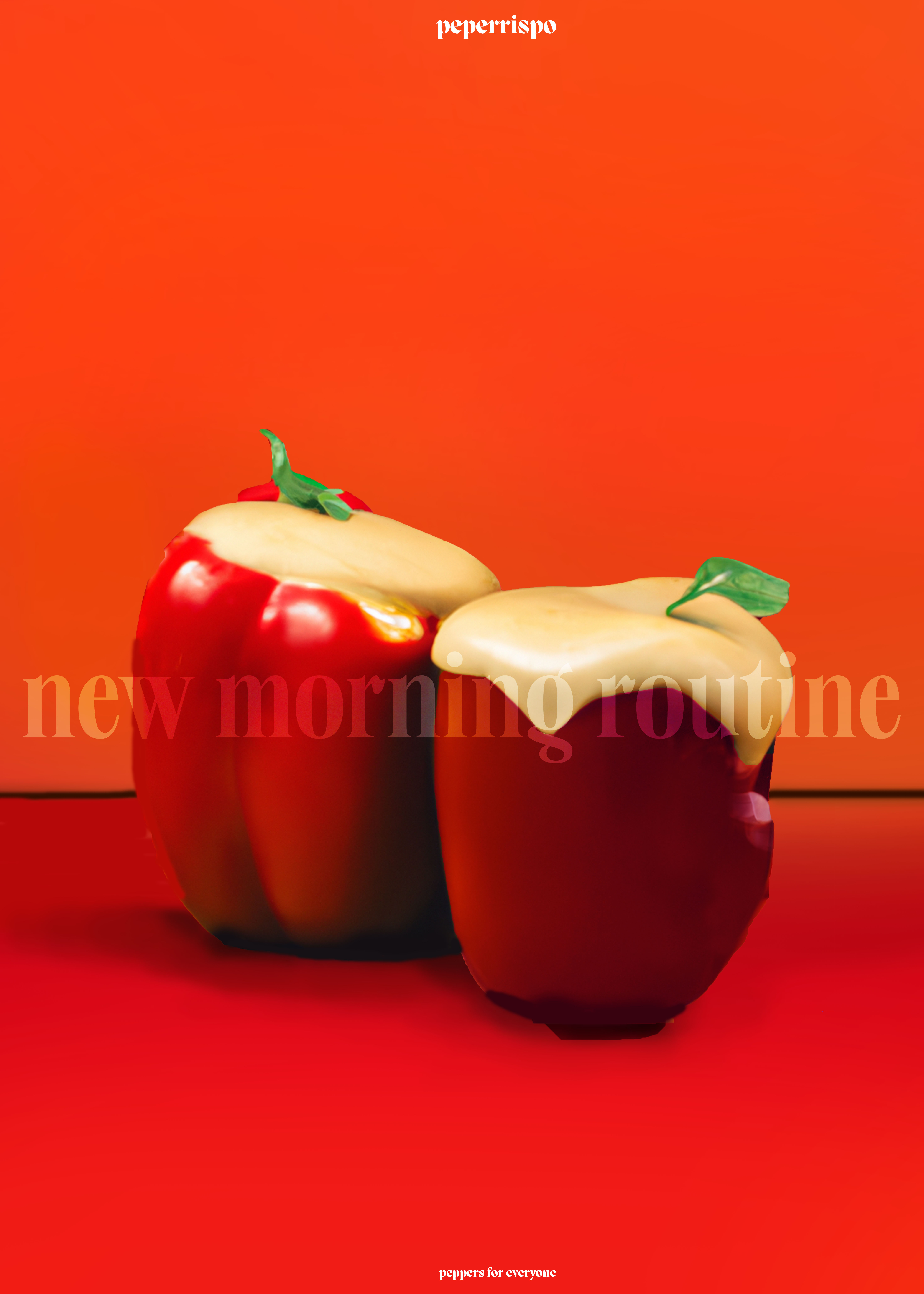
Three posters bring the concept to life: Pepefluffy for ice cream, Pepechino for coffee, Penoodlos for noodle soup. Each visual playfully reimagines familiar dining experiences, replacing plastic cups with organic alternatives grown from the earth.

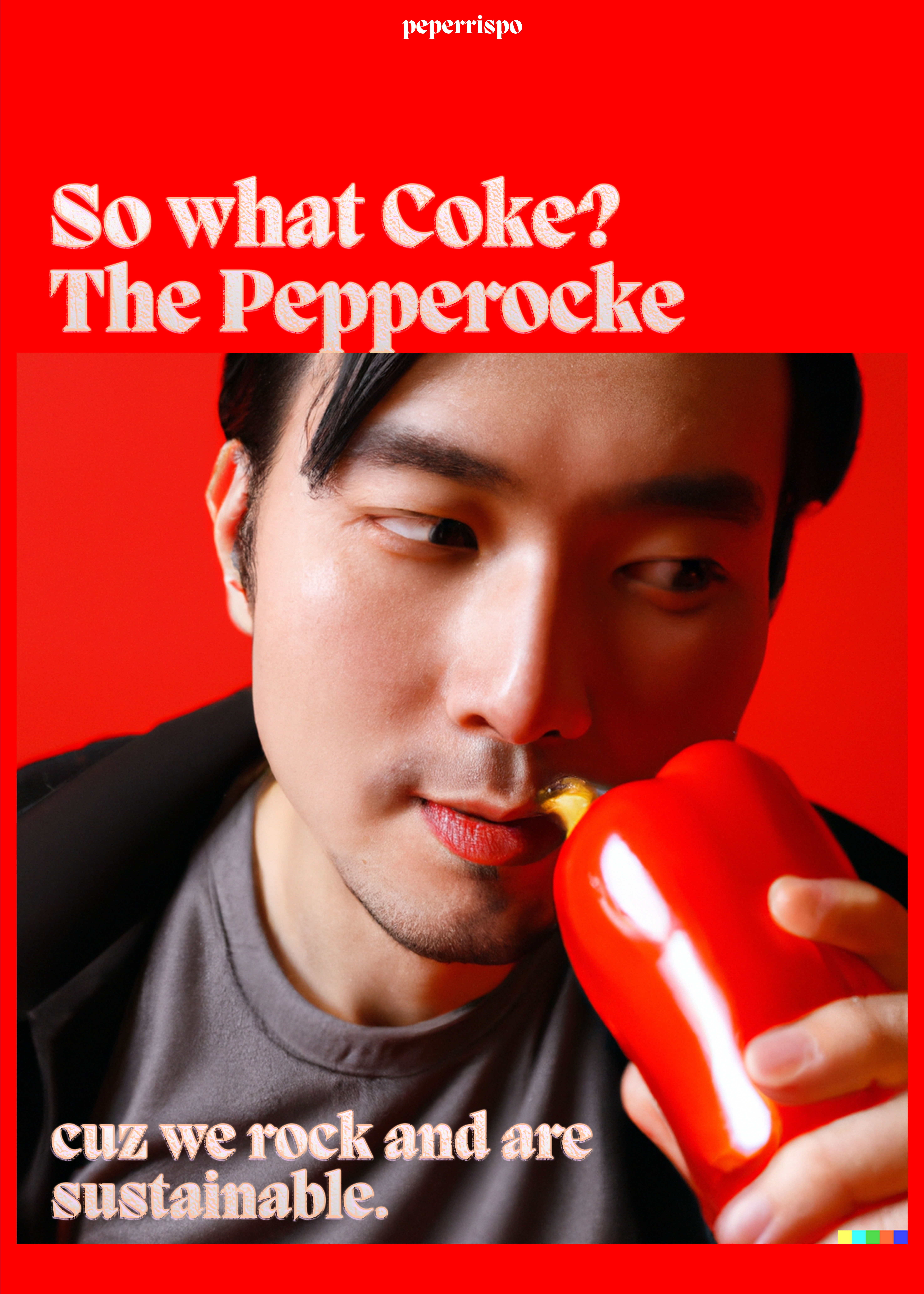

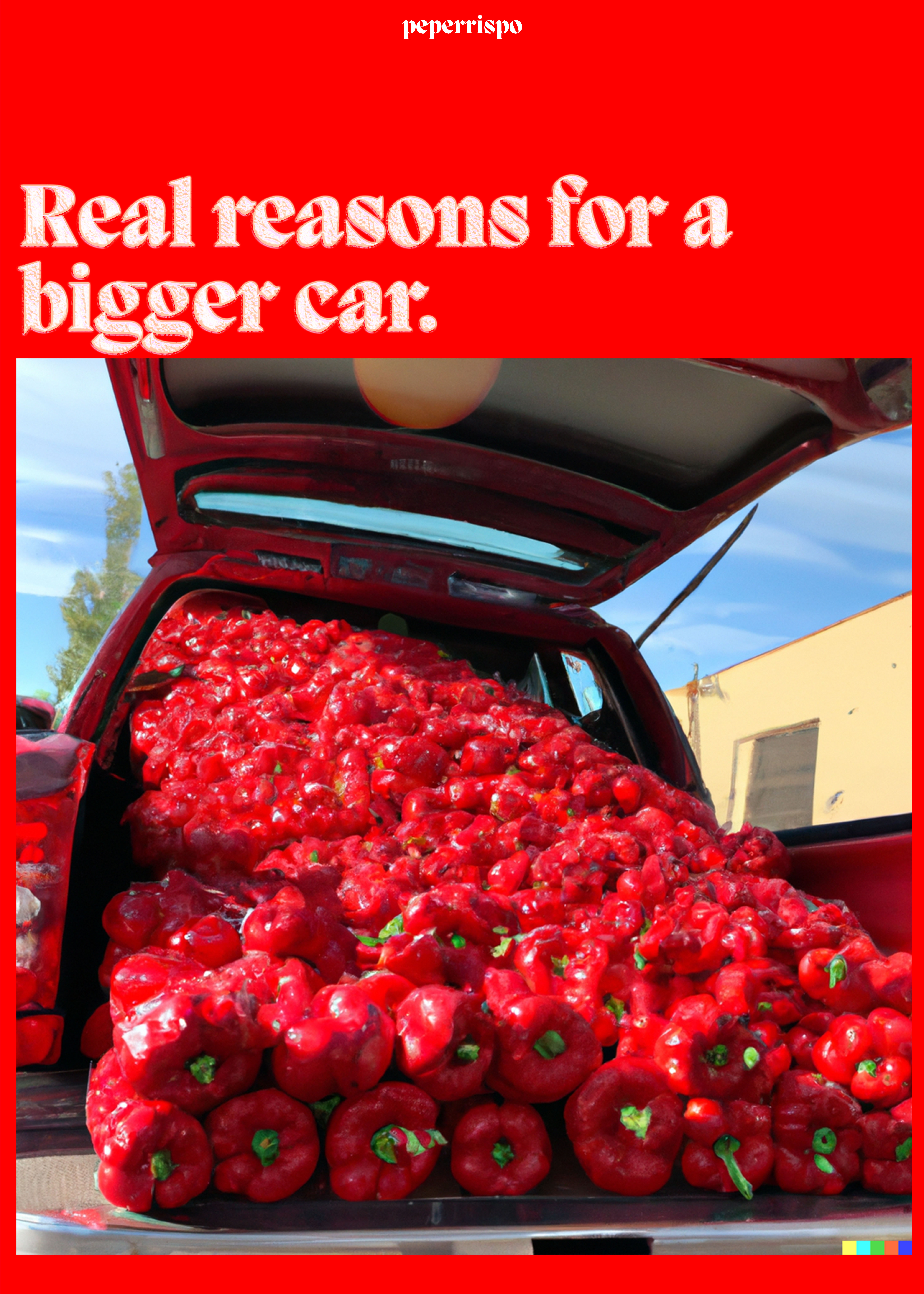
Peperissipo: Growing Vessels, Not Producing Waste In an era dominated by disposable packaging, Peperissipo poses a deceptively simple question: instead of producing cups, can we grow them? This speculative design project, developed at the Academy of Fine Arts and Design in 2023, challenges the very foundation of how we think about single-use containers. The project begins with a radical proposition—that the most sustainable vessel might already exist in nature. Rather than manufacturing, molding, and eventually discarding plastic or paper cups, what if we could simply harvest a container directly from the earth? The answer leads to a humble vegetable: the bell pepper. Its hollow interior, sturdy walls, and natural stem make it an ideal candidate for a biodegradable, compostable cup. Peperissipo explores this concept through a series of playful visual interventions.
The project imagines three distinct scenarios where the paprika cup replaces conventional disposables. Pepefluffy transforms the pepper into a vessel for ice cream—a sweet treat served in an edible, aromatic container. Pepechino reimagines the coffee experience, with hot espresso poured directly into the pepper’s natural cavity. Penoodlos extends the concept to savory dishes, presenting noodle soup in a warm, pepper-based bowl. Each scenario is brought to life through a distinct poster design, blending typography, photography, and speculative illustration. The visual language is both whimsical and rigorous—playful enough to spark imagination, yet grounded in serious inquiry about material futures. The posters function as both documentation and provocation, inviting viewers to reconsider their relationship with everyday objects.
At its core, Peperissipo is not about proposing a literal alternative to plastic cups (though the concept is surprisingly viable). Rather, it is a speculative design exercise that opens a larger conversation. It asks us to question industrial logic: why do we manufacture disposable items when nature has already perfected forms that serve the same function? It challenges the assumption that convenience must come at the cost of environmental degradation. The project also engages with the intersection of sustainability and design thinking. By looking to biology rather than industry, Peperissipo suggests a paradigm shift from production to cultivation. It envisions a world where we grow our containers alongside our food—where the vessel and its contents emerge from the same soil, returning to it after use without waste. Peperissipo is ultimately an invitation to imagine differently. Through its speculative framework, it opens space for rethinking not just cups, but the broader systems of production, consumption, and waste that shape our daily lives. The bell pepper becomes a symbol—a reminder that sometimes the most innovative solutions are not new at all, but have been growing in nature all along, waiting for us to notice.

.gif)