Kvadropol is a strategic board game for 2 to 4 players. The goal is simple: be the first to reach the white cross at the center. But with obstacles, special cards, and competing players, the path is anything but straightforward.
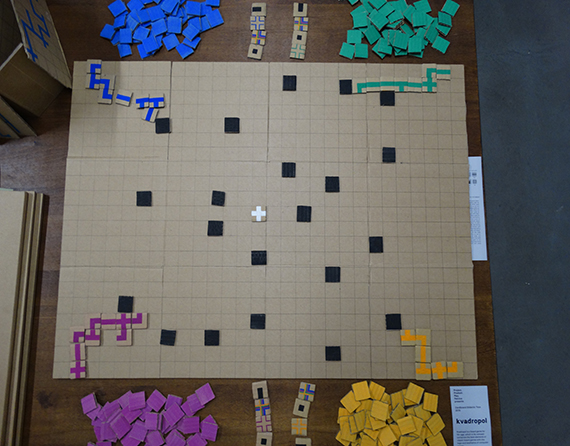
Players lay cards, block opponents, and navigate gray fields that cannot be filled. Special cards create new obstacles; black cards add to the challenge. Every move is a choice between advancing your path and hindering others.
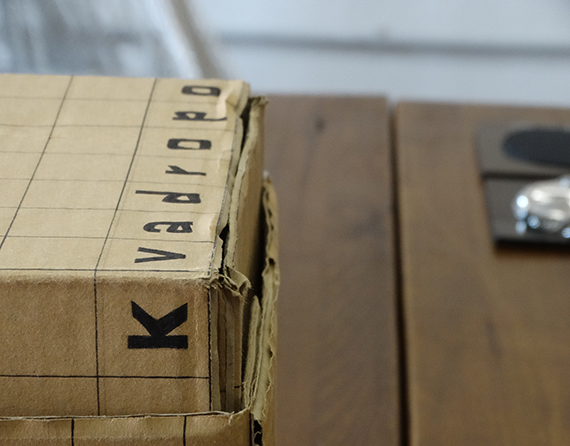


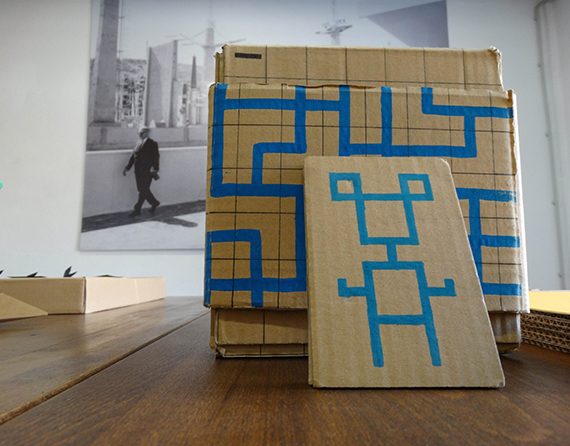
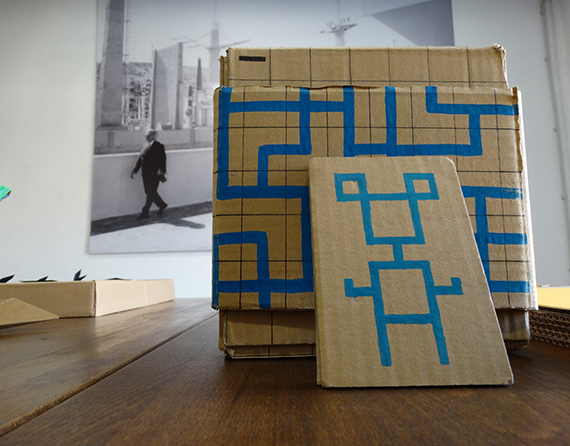
Designed at the Petnica Design Seminar, Kvadropol combines luck and strategy. Players build their route to the center while disrupting opponents’ progress. The result is a dynamic, competitive experience where no two games are the same.




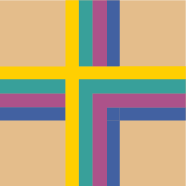



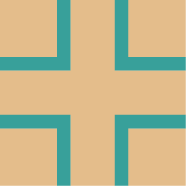

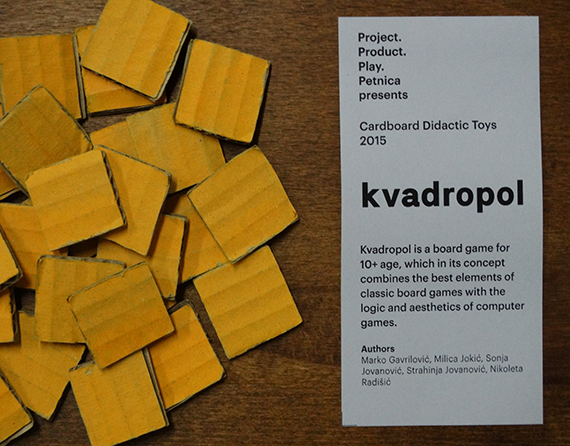
In 2015, a team of five young designers—Sonja Jovanović, Strahinja Jovanović, Marko Gavrilović, Milica Jokić, and Nikoleta Radišić—came together at the Petnica Design Seminar to create a board game. The result was Kvadropol, a strategic game for 2 to 4 players that combines simple rules with layered tactical depth. It was an exercise in collaborative design, game mechanics, and the art of creating shared experiences.
The premise of Kvadropol is straightforward. Players choose a color and place their cards face down. At the center of the table sits a card with a white cross. The goal is to reach it before anyone else. But reaching the center is not a matter of simple progression. The board is populated with obstacles, special cards, and gray fields that cannot be filled. Each turn, a player may place one card from their deck. They may also activate special cards that create obstacles for opponents. Black cards add another layer of complexity, used to block and disrupt.
The game’s mechanics encourage both forward momentum and strategic obstruction. To win, a player must not only advance their own path but also anticipate and counter the moves of others. The gray fields—marked on the table—cannot be filled with special cards, creating permanent constraints that shape the flow of play. The result is a dynamic balance between offense and defense, planning and improvisation.
For the team at Petnica, designing Kvadropol was an exercise in systems thinking. They had to consider not only the visual and material aspects of the game but also the logic of its mechanics. How do the cards interact? What makes a move advantageous? How do we ensure that no single strategy dominates? The process required testing, iteration, and a willingness to rethink assumptions.
The game’s visual design reflects its strategic character. The cards are clean, functional, with color coding that makes play intuitive. The board is a field of possibility, its paths and obstacles clearly marked. The aesthetic is understated, allowing the mechanics to take center stage. The focus is on play—on the decisions players make, the paths they choose, the obstacles they set for one another.
Kvadropol was created at a moment when board games were experiencing a renaissance. Games that rewarded strategic thinking, that offered replayability, that brought people together around a table were finding new audiences. The Petnica seminar provided a space to explore these possibilities, to learn from one another, to develop a game from concept to finished product.
The project was collaborative in the truest sense. Each team member brought different strengths—some focused on mechanics, others on visuals, others on the overall structure. The result is a game that feels cohesive, that bears the marks of multiple hands working toward a shared vision. Kvadropol is a testament to what can be made when young designers are given time, space, and the freedom to experiment.
For Strahinja, the project was an early exploration of design as system-building. The lessons learned—about mechanics, about player experience, about the balance between structure and freedom—would inform his later work across media. Kvadropol remains a marker of a moment when five young designers gathered around a table and built a game, and in building it, learned something about how games work, how people play, and what it means to create something together.