Can nature be a designer? Fussil explores this question through cellular automata, reaction-diffusion systems, and morphogenetic design. A digital tool that enables designers to collaborate with nature's algorithms—creating adaptive, evolving forms that blur the boundary between the organic and the synthetic.
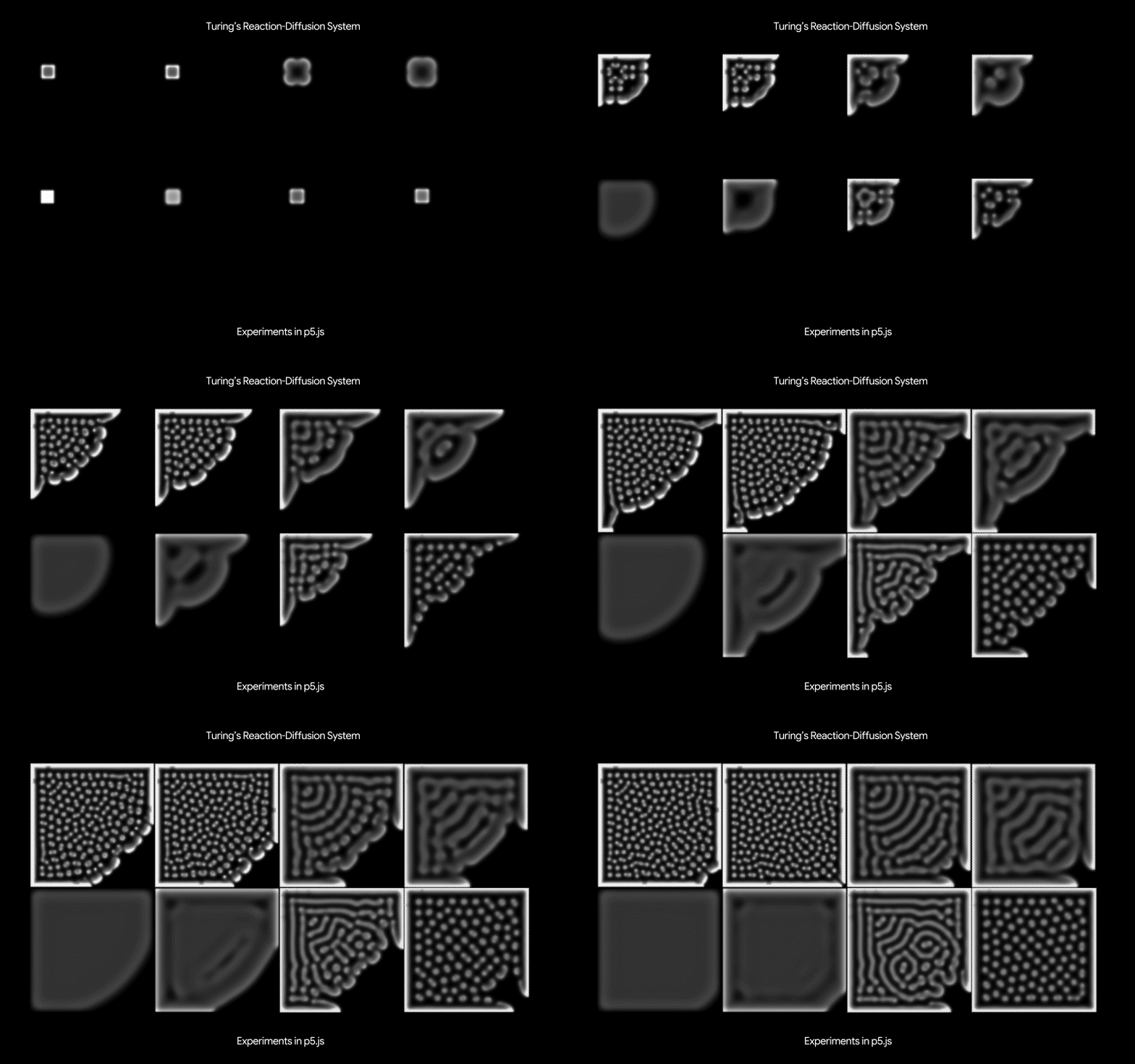
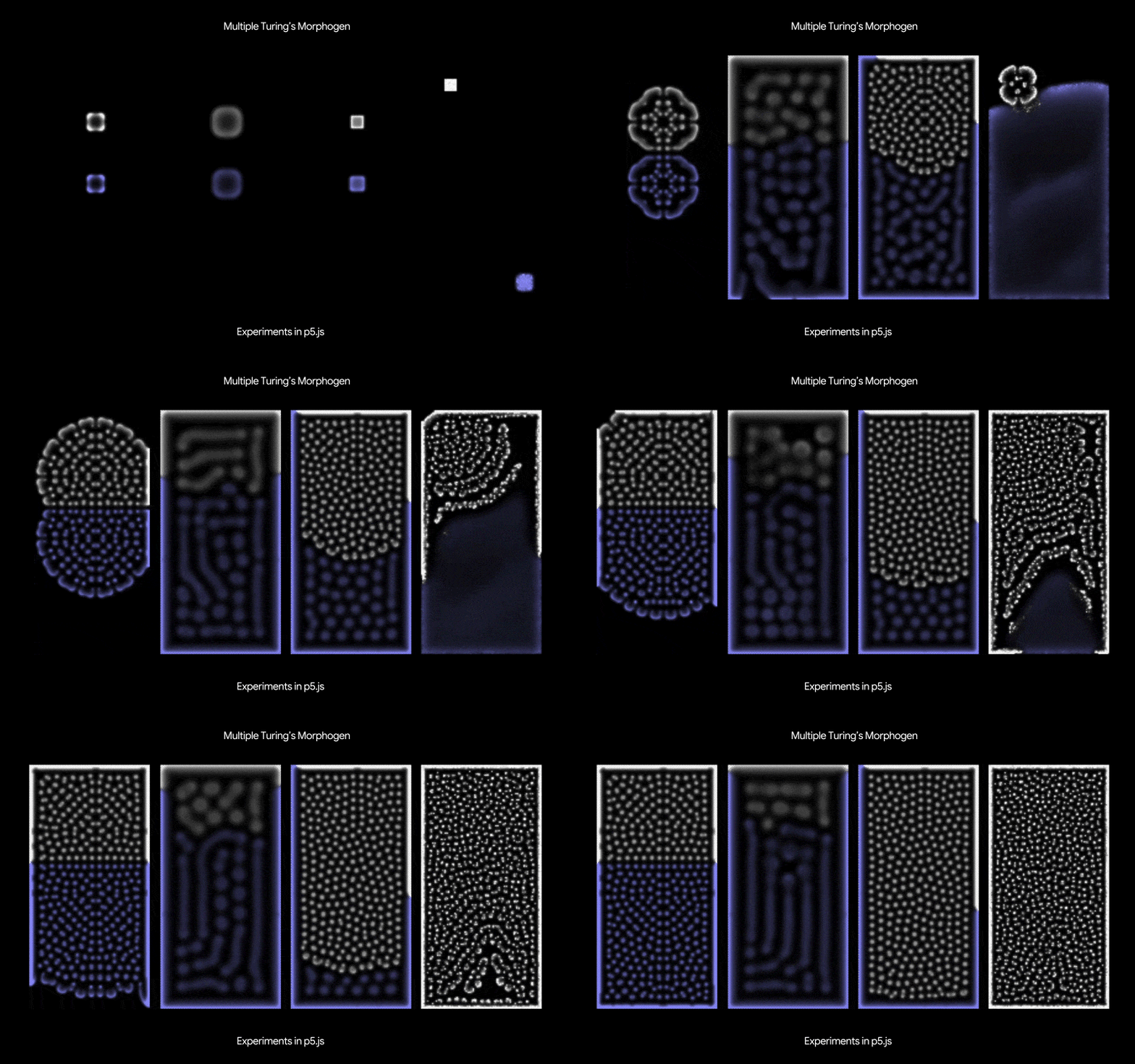
Inspired by Turing's morphogenesis and Conway's Game of Life, Fussils introduces a new method for constructing digital microorganisms. Each cell is a circle, interacting with neighbors, forming tissues, creating structures. A toolkit for growing design.
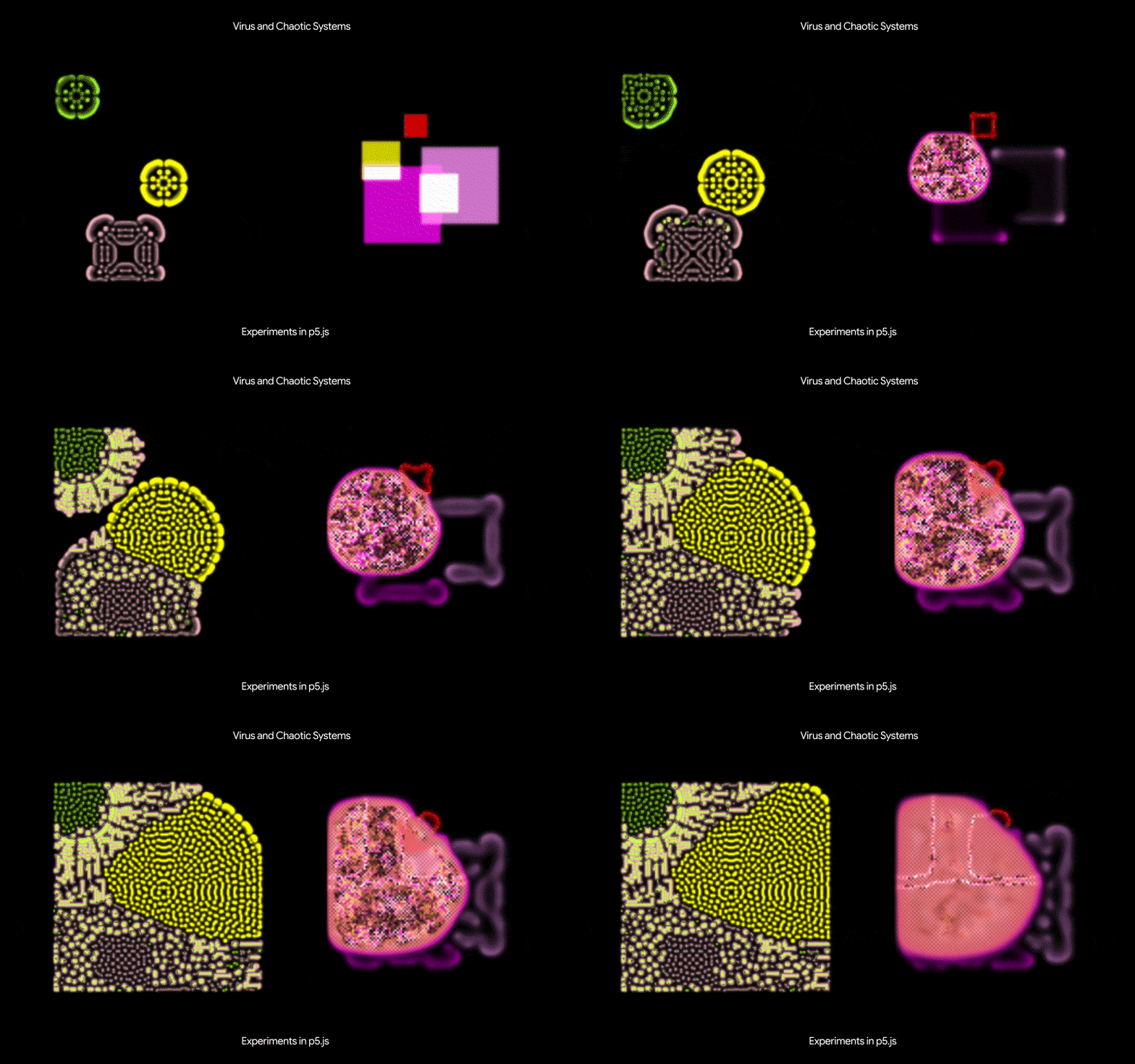
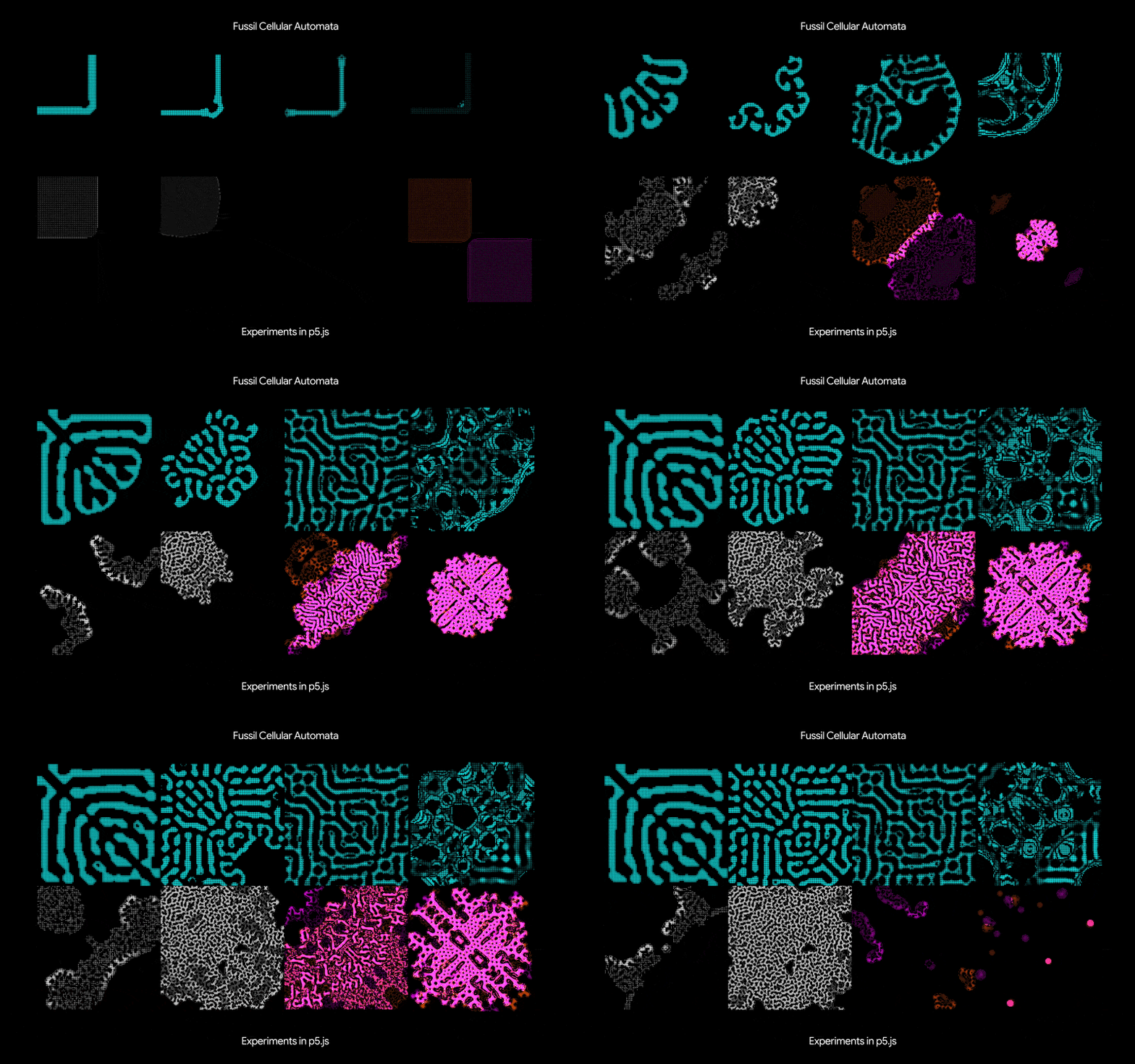
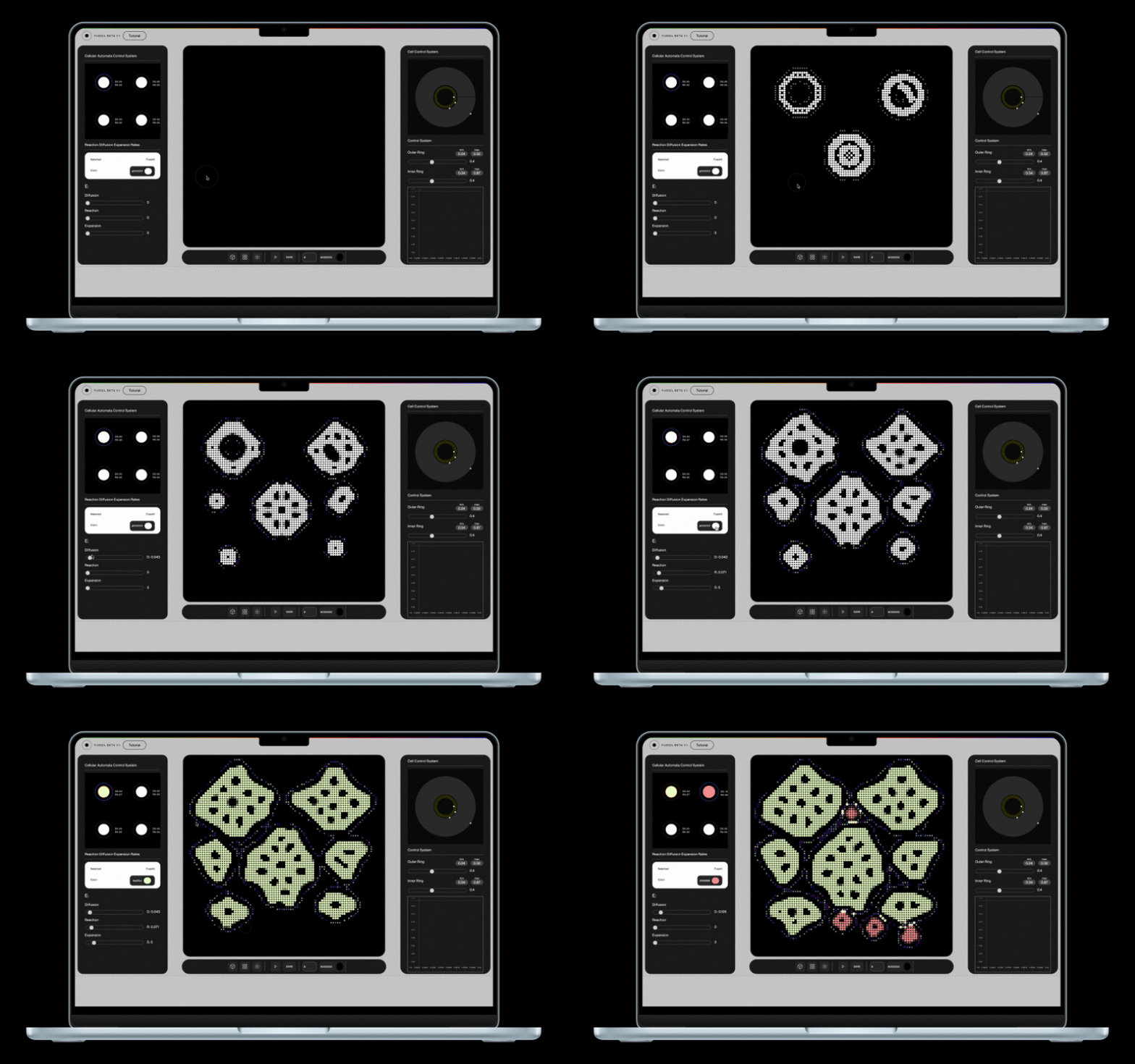
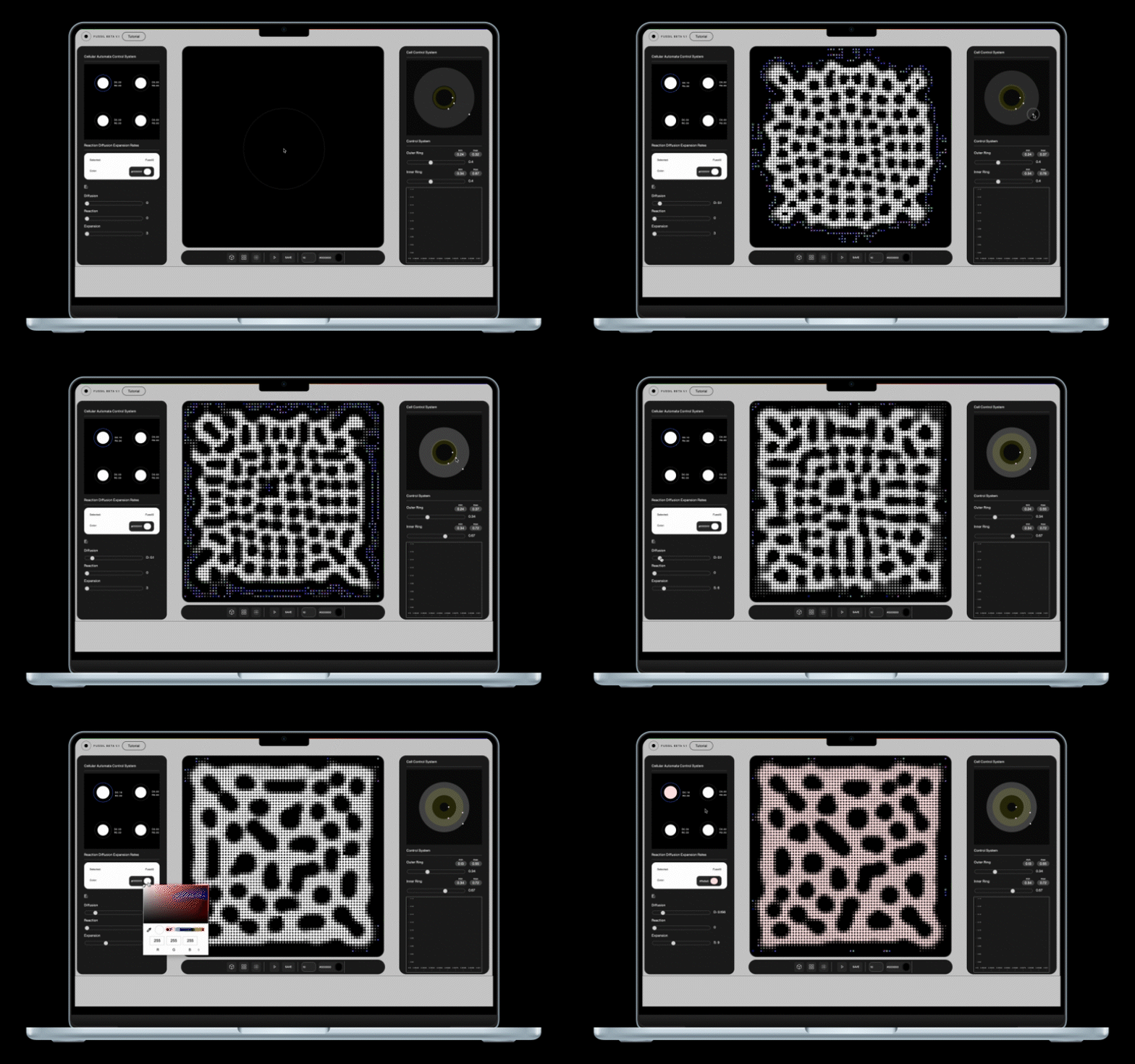
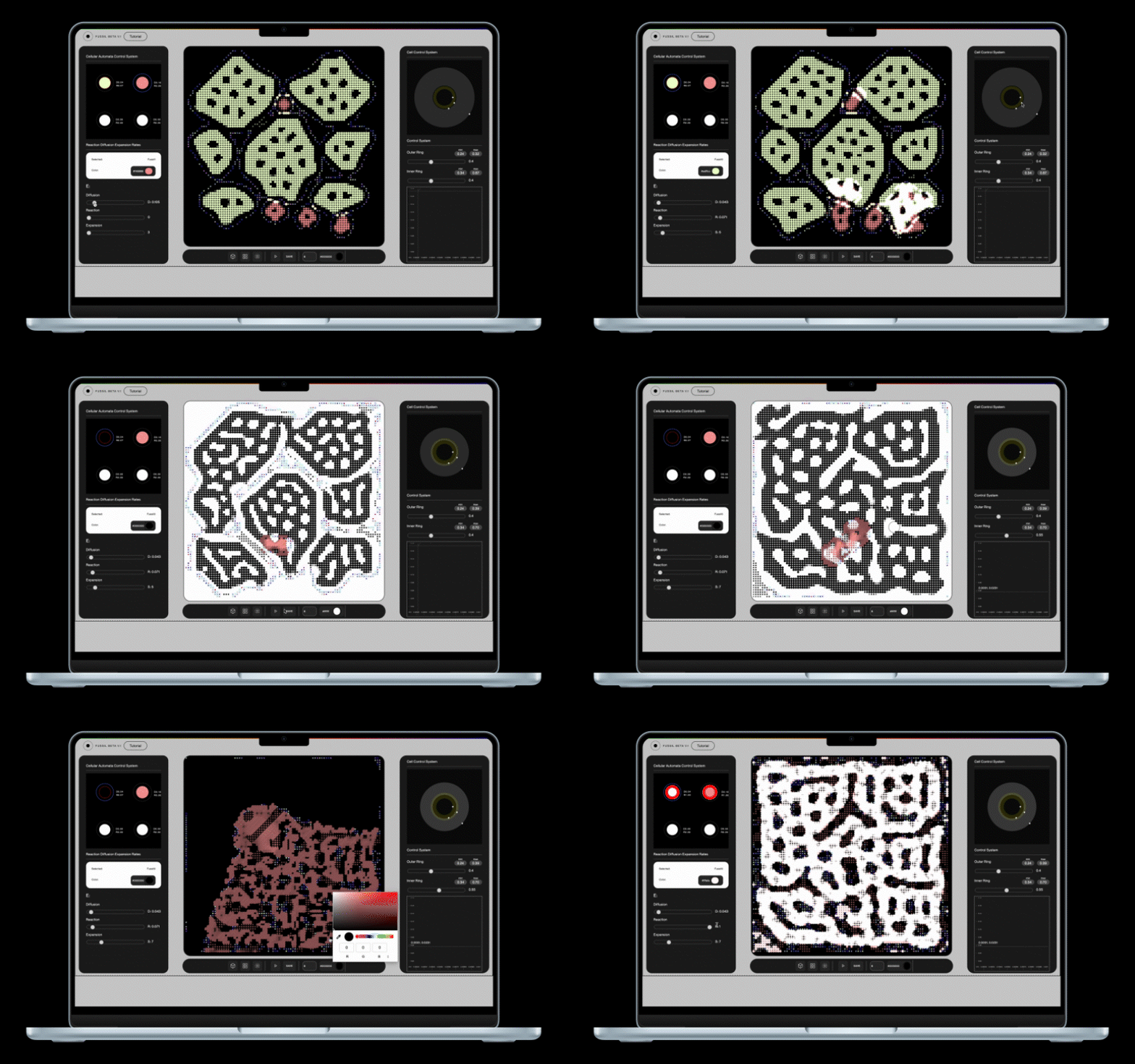
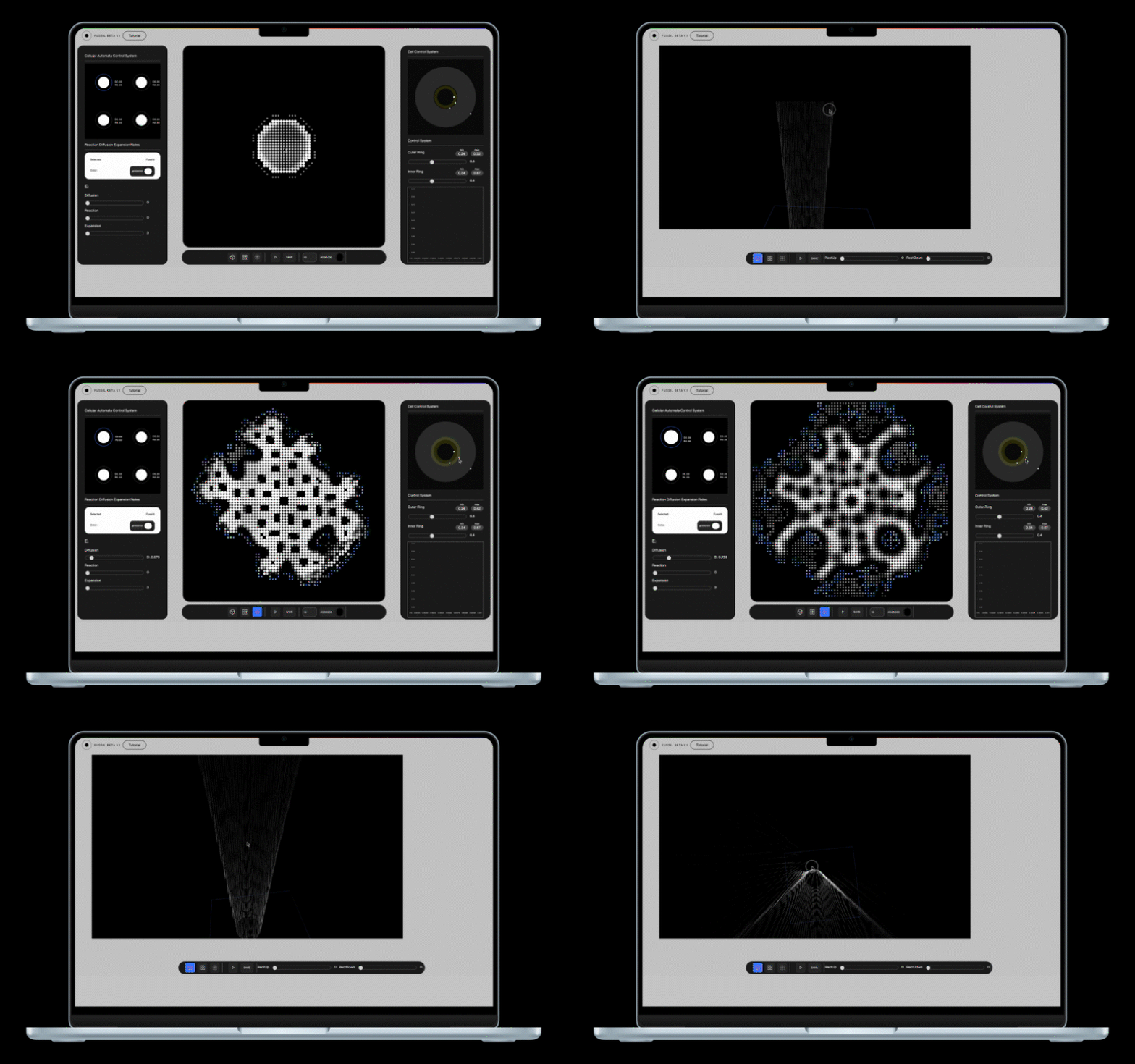
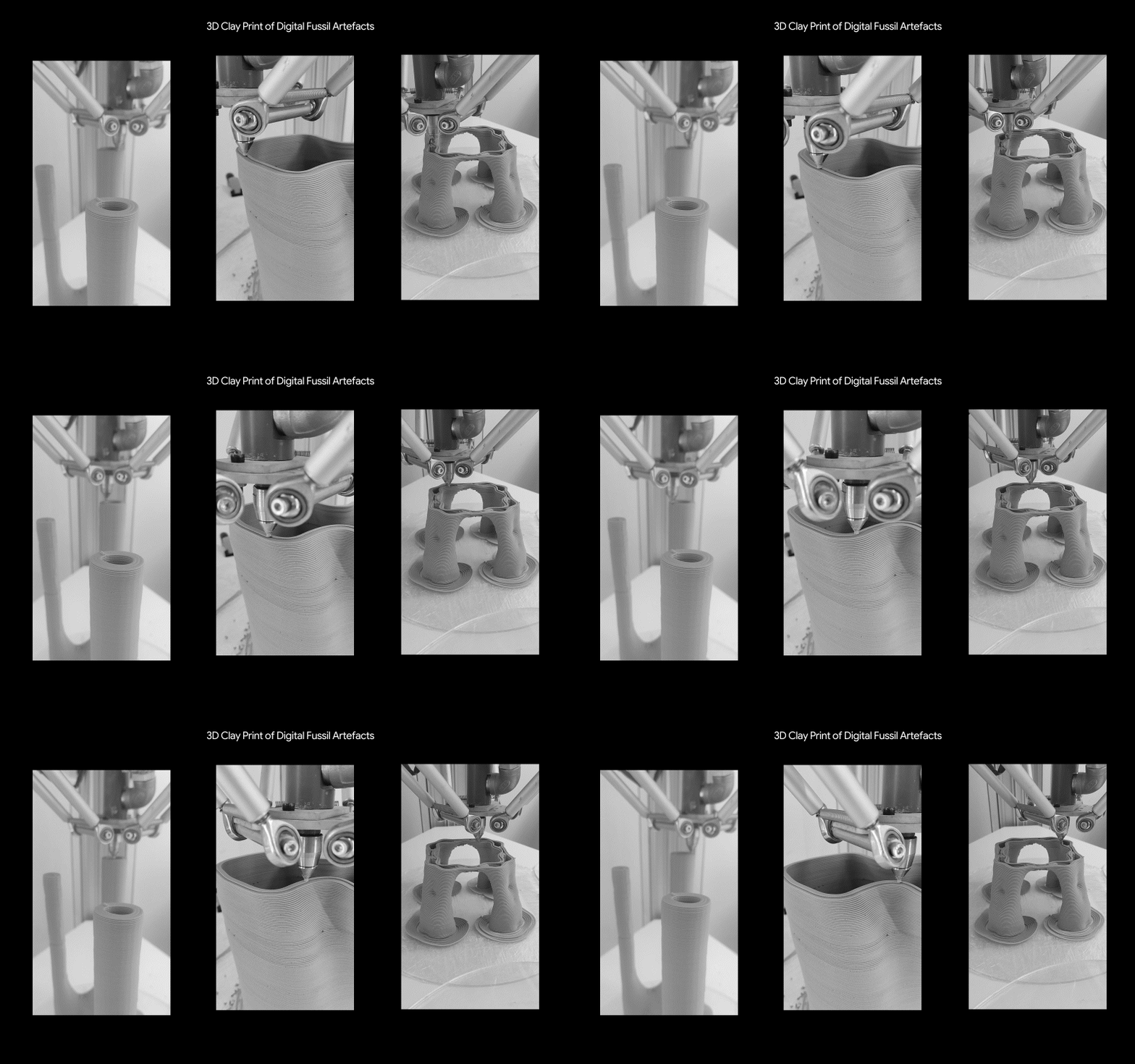
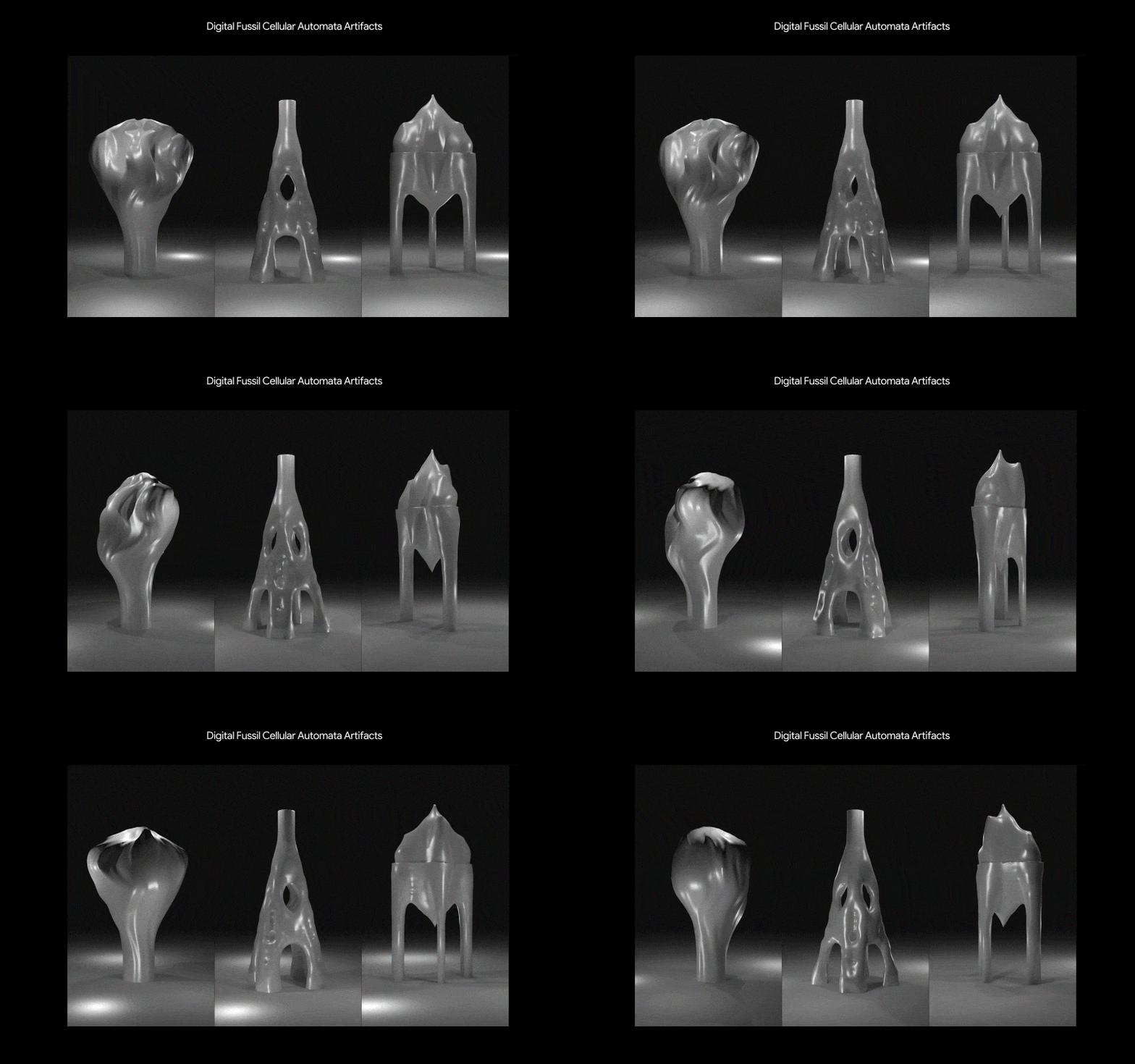
Evolving from pixel-based interactions to scalable vector graphics, Fussils offers parametric control over cellular behavior. Simple sliders adjust diffusion and size; advanced controls manipulate individual cells. A bridge between computation and organic growth.
What if nature is not merely a source of inspiration for design, but a collaborator? What if the algorithms that shape life—the patterns of growth, the logic of cellular interaction, the emergence of form from simple rules—could be harnessed as design tools? These questions lie at the heart of Fussil, a master's thesis project by Strahinja Jovanović that explores the boundary between nature and design.
The project begins with a shift in perspective. For centuries, designers have drawn from nature—its forms, its colors, its structures. But this is a one-way relationship: nature provides; designers take. Fussil proposes something different: co-design with nature. It asks whether living organisms, or the algorithms that govern them, can function as active participants in the design process, shaping outcomes in ways that are not fully controlled by the human designer.
The theoretical framework draws on Turing's reaction-diffusion systems, which model how patterns emerge in nature; cellular automata, which demonstrate how simple rules can generate complex forms; and morphogenetic design, which applies biological principles to digital fabrication. Together, these approaches suggest that nature is algorithmic—that the forms we see in shells, in leaves, in animal markings are the products of underlying computational processes. Fussil asks what happens when we use those same processes as design tools.
The result is a digital tool built with p5.js and d3.js. Fussils (the name plays on "fossil" and "fusillade," suggesting both the traces of life and the emergence of form) unifies and generates new cellular automata. Inspired by Conway's Game of Life but extending beyond it, the tool introduces a new convolutional method for constructing digital microorganisms. Early iterations were pixel-based, with each pixel communicating with its neighbors. But as the program evolved, it shifted to vector-based shapes, allowing for scalable graphics that can be applied across media.
In the Fussils system, each cell is represented as a circle—a biological metaphor, a unit of life that interacts with its surroundings. Cells communicate, exchange information, influence one another's behavior. Through this communication, complex forms emerge: cell-like organisms, intricate tissue structures, forms that pulse with the logic of growth. Simple parametric controls—sliders for cell size, diffusion rates—allow for broad adjustments. Advanced controls enable manipulation of individual cells, giving designers precise command over the system while preserving its organic logic.
The tool also includes two extensions. A modular system generates intricate patterns, offering designers a vocabulary of forms to work with. A 3D mapping tool transforms cellular arrangements into new structures, lifting the system from the plane into space. Together, these extensions expand the creative potential of Fussils, making it applicable across scales and media.
For Strahinja, the project is a culmination of his interests in computation, biology, and design. It draws on his earlier work with modular systems, with fractal animation, with the translation of natural forms into algorithmic language. But it pushes further, asking not only how we can simulate nature but how we can collaborate with it—how the designer can become a partner in a process that is not fully controlled, not fully predictable, but rich with emergent possibility.
Fussil envisions a future where human creativity and nature coalesce—a design practice that is adaptive, symbiotic, ever-evolving. It is a tool, but also a provocation: an invitation to see nature not as a resource to be used but as a collaborator to be engaged, an algorithm to be learned, a partner in the making of new worlds.
.gif)


.gif)