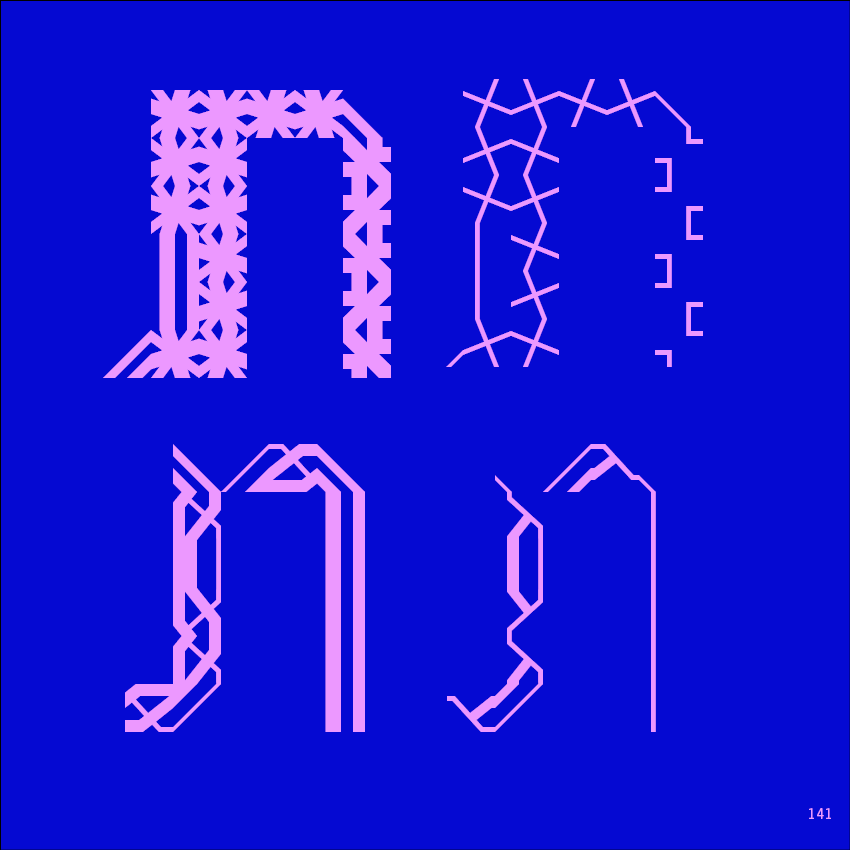
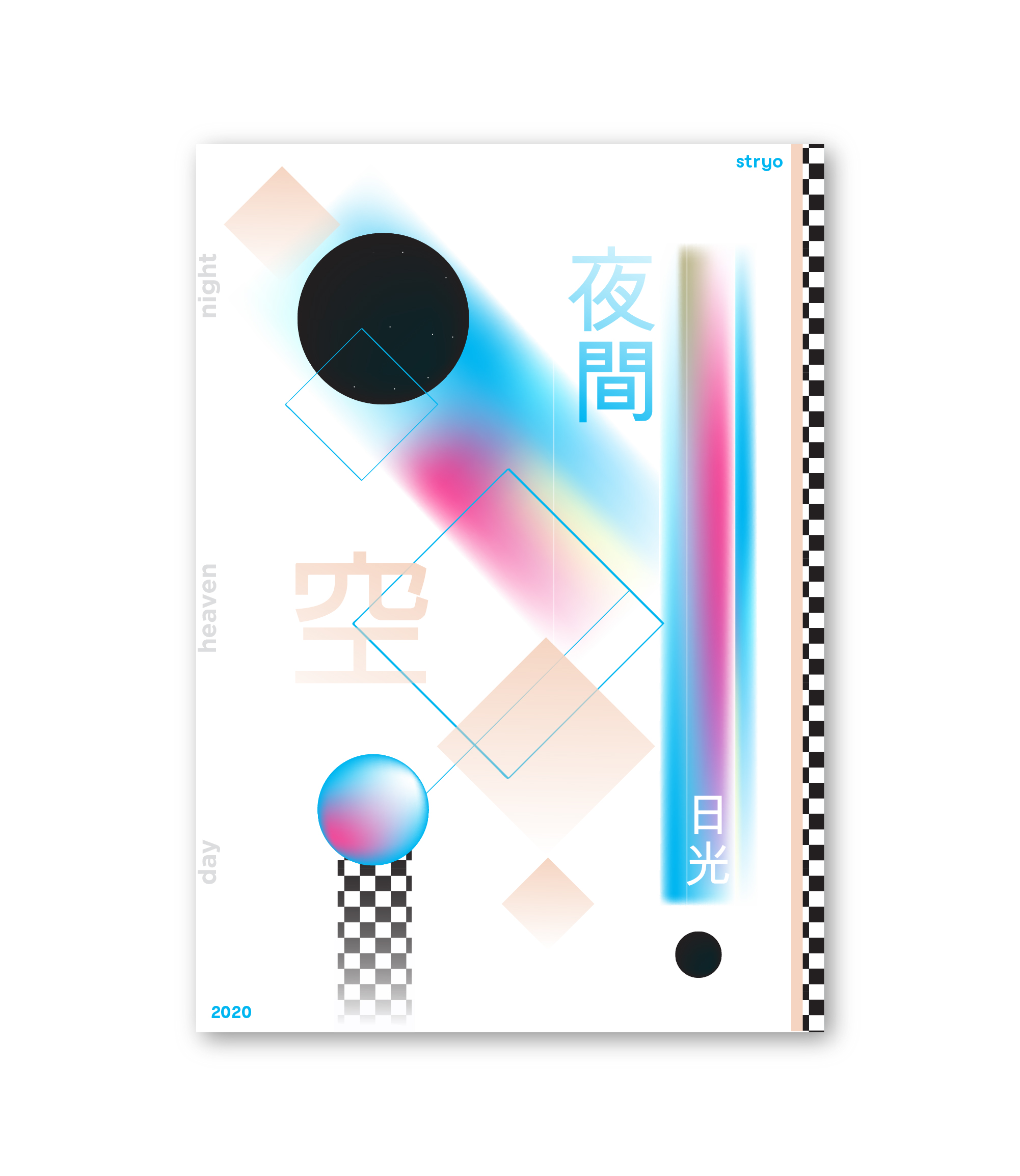
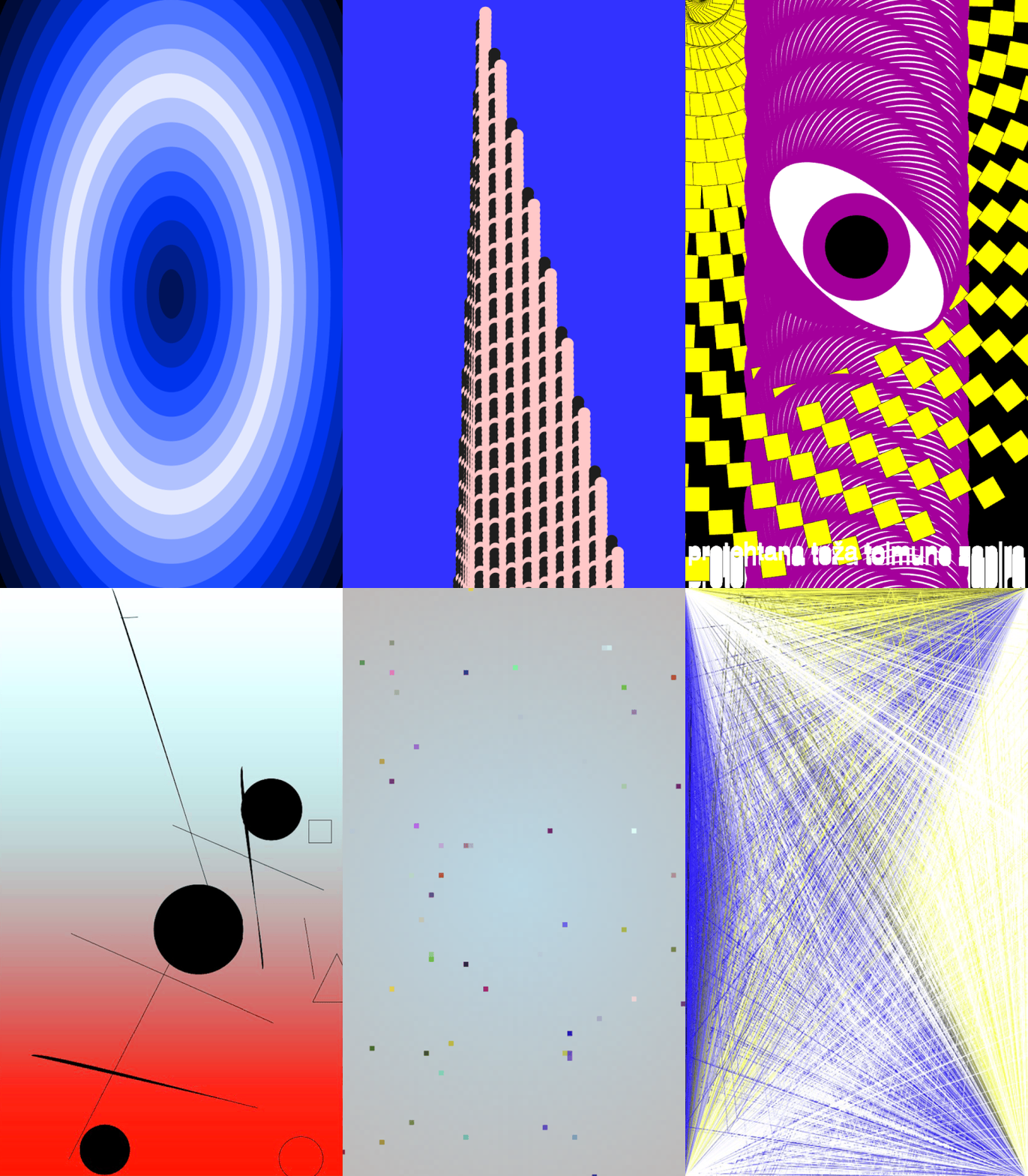
Creative Computation explores p5.js as a tool for visual expression. Through a series of experiments, code becomes a medium for generative art—producing patterns, movements, and forms that emerge from algorithmic processes rather than direct manipulation.
.gif)
.gif)
From recursive geometries to dynamic particle systems, these experiments ask: what happens when we let code create? Each sketch is a probe into the relationship between instruction and emergence, rule and beauty.
.gif)
.gif)
Created during Aalto University’s Creative Computation lectures, this collection showcases the potential of accessible programming for visual design. Lines, shapes, and colors become outputs of algorithms—unpredictable, evolving, alive.
In 2020, Strahinja Jovanović participated in the Creative Computation lectures at Aalto University, an exploration of the intersection between programming and visual design. The course introduced p5.js, a JavaScript library designed for creative coding—a tool that treats code not as a means to an end but as a medium in its own right. The result was a series of experiments, each a small inquiry into what happens when computation becomes visual.
The projects in this collection are varied in form but unified by a shared question: how can we use code to create? Some sketches explore generative geometry—recursive patterns that unfold according to simple rules, producing complexity from simplicity. Others investigate particle systems, where individual elements move, interact, and aggregate, forming emergent structures that no line of code directly describes. Still others play with color, light, and motion, using algorithms to generate gradients, oscillations, and transformations that would be impossible to achieve by hand.
At the heart of these experiments is p5.js, an open-source library that lowers the barrier to entry for creative coding. Originally developed by Casey Reas and Ben Fry as part of the Processing project, p5.js makes it possible for designers, artists, and students to write code that draws, animates, and responds to input. For Strahinja, whose background includes mathematics and physics alongside graphic design, the library offered a natural bridge between disciplines—a way to bring computational thinking into visual practice.
The experiments themselves are not polished products but process documents. They are sketches in the truest sense: exploratory, provisional, open to revision. Each one captures a moment of inquiry—a question asked, a possibility tested, a path followed to see where it leads. This is the spirit of creative computation: not solution-finding but problem-framing, not execution but exploration.
The work is also a reflection of Strahinja’s broader interests. Across his portfolio, there is a recurring concern with systems—with the structures that generate form, whether in fractal animations, modular typefaces, or algorithmic manifestos. Creative Computation deepens this concern, moving from theory to practice, from thinking about systems to building them, from description to enactment.
The visual output of these experiments varies widely. Some are delicate, almost meditative, with slow oscillations and soft color gradients. Others are chaotic, energetic, full of movement and collision. What unites them is their computational nature: each image, each animation, is the result of code, not of direct manipulation. The artist’s role shifts from hand to rule, from gesture to instruction, from making to enabling.
In this sense, Creative Computation is about agency as much as aesthetics. The programmer sets parameters, defines relationships, establishes constraints—but the final form emerges from the interaction of those rules. The artist is both author and audience, watching as the code produces outcomes that could not have been precisely anticipated.
For Strahinja, this work has implications beyond the screen. The lessons learned in these experiments—about systems, emergence, the relationship between rule and result—inform his other projects, from speculative design to data visualization. Creative Computation is not a departure but a foundation: a set of tools and ways of thinking that recur across his practice.
The collection stands as a record of a particular moment—a course taken, a library learned, a set of questions pursued. But it also points forward, toward the ongoing exploration of what code can do, what images can be, and how the two might meet.