Artificial intelligence is a new tool for architecture and design. This exhibition explores how text becomes image—from keyword to visual form—through collaboration between human knowledge and machine intelligence.
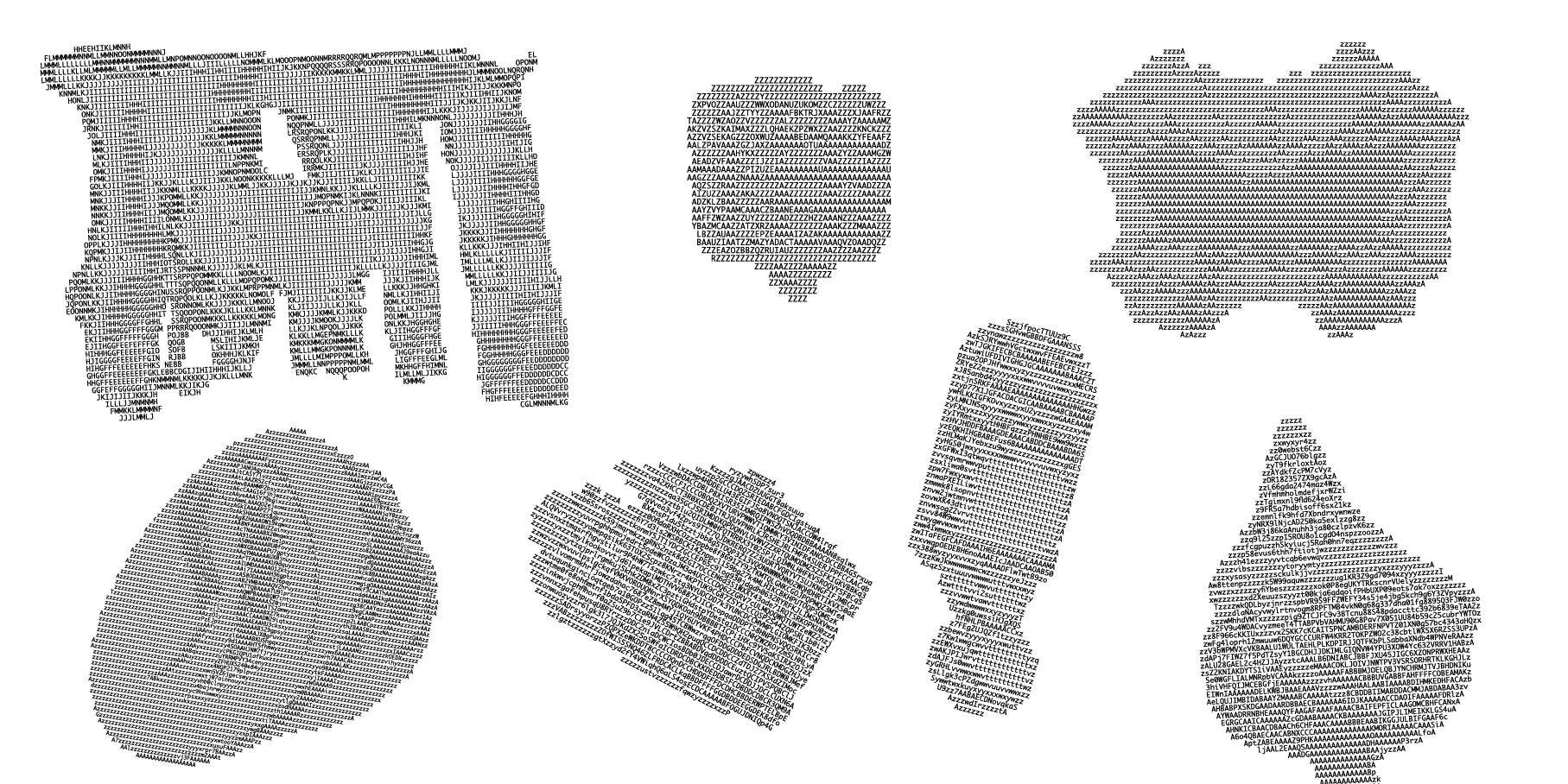
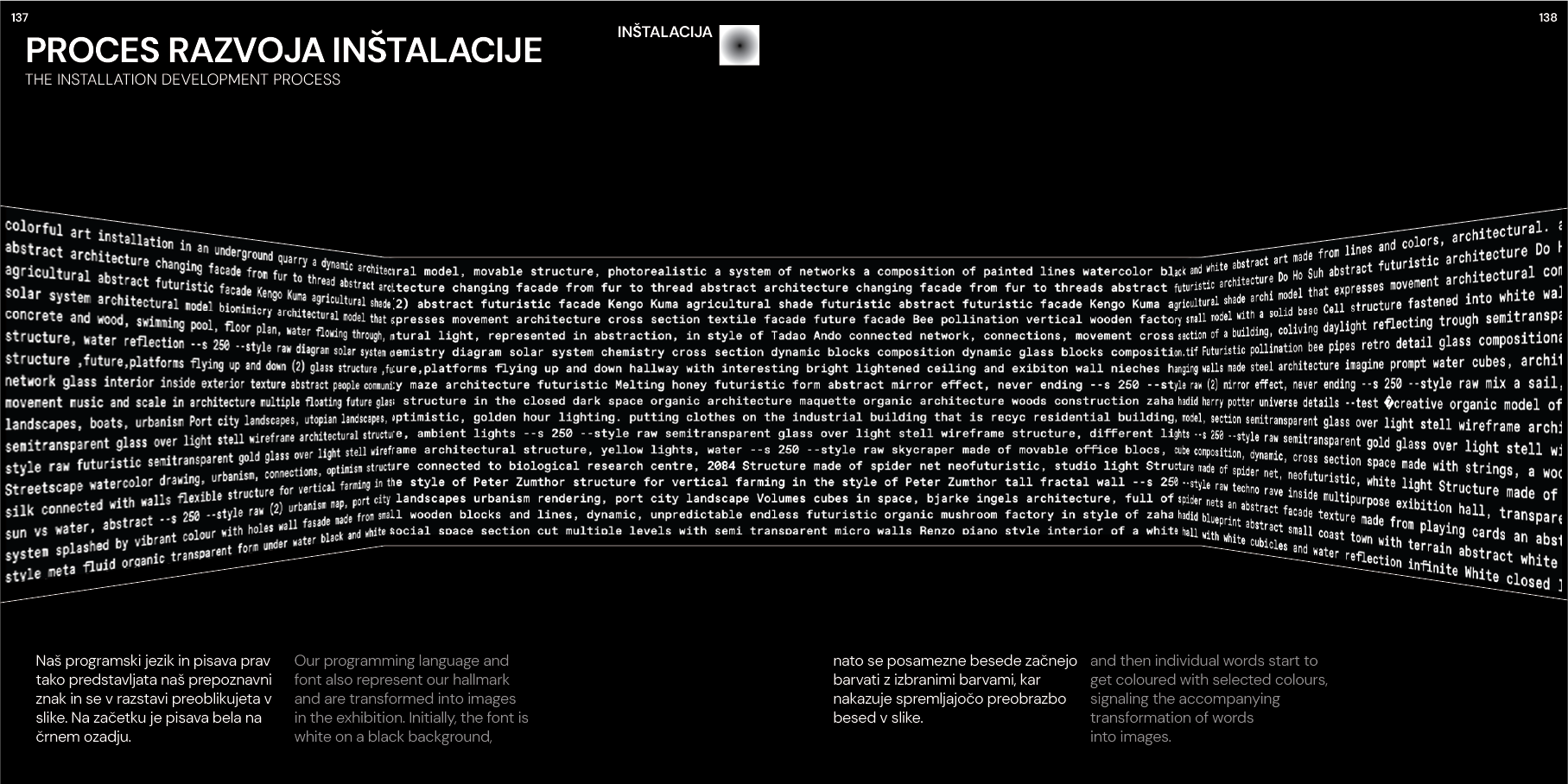
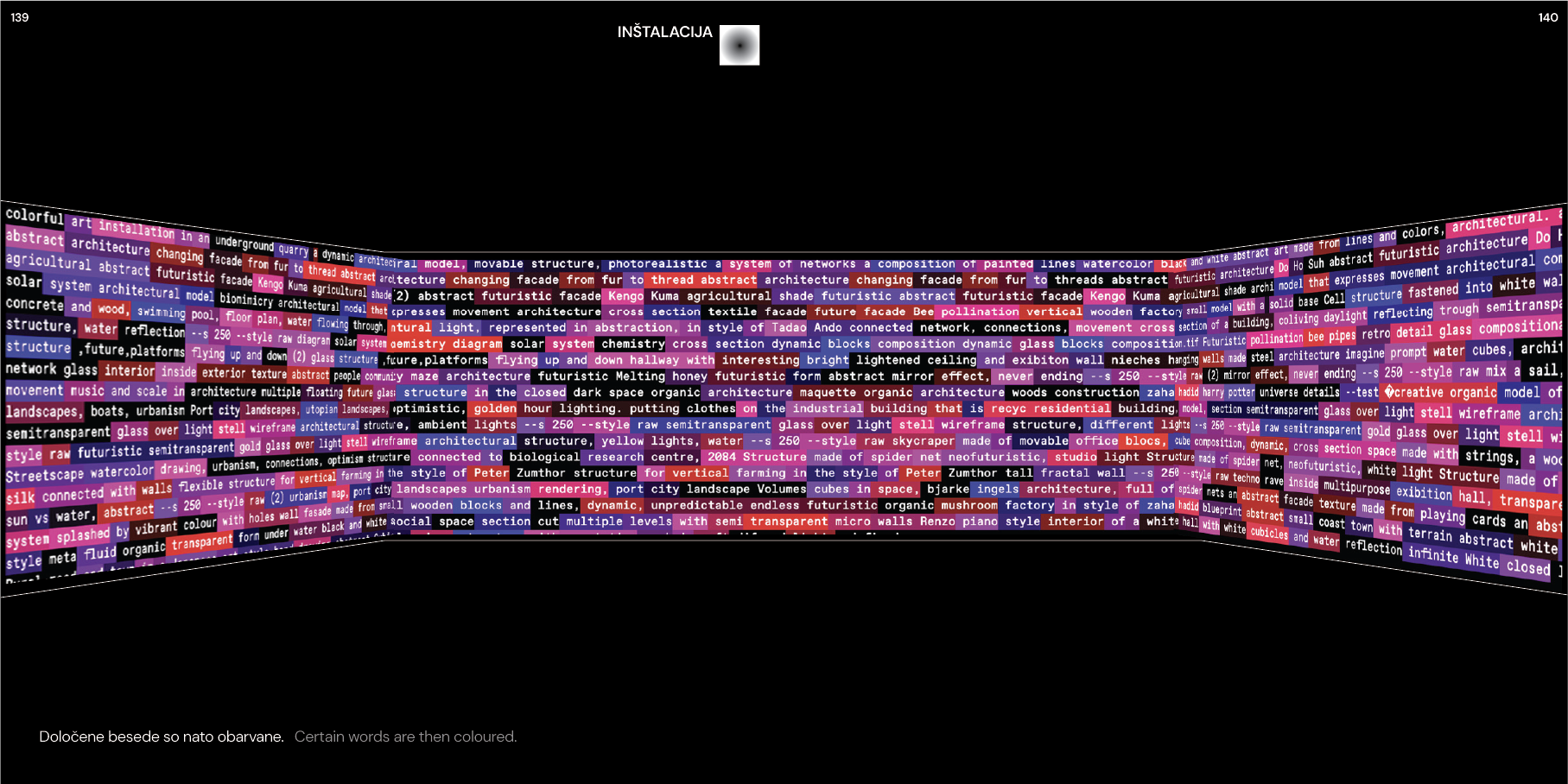
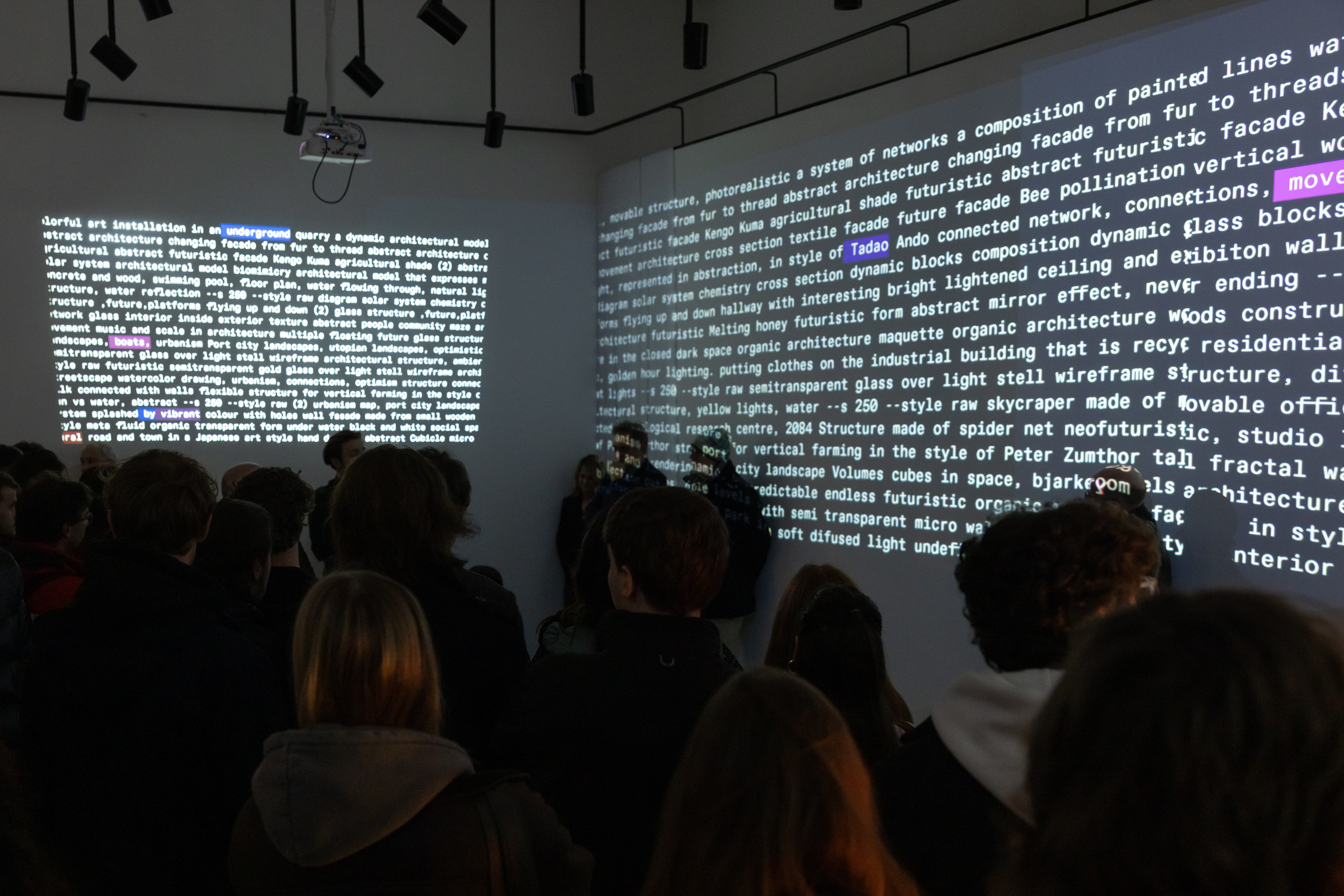
Words begin in white on black. Color emerges, marking the moment of transformation. Selected words become images, generated by AI. The exhibition traces the journey from language to form.
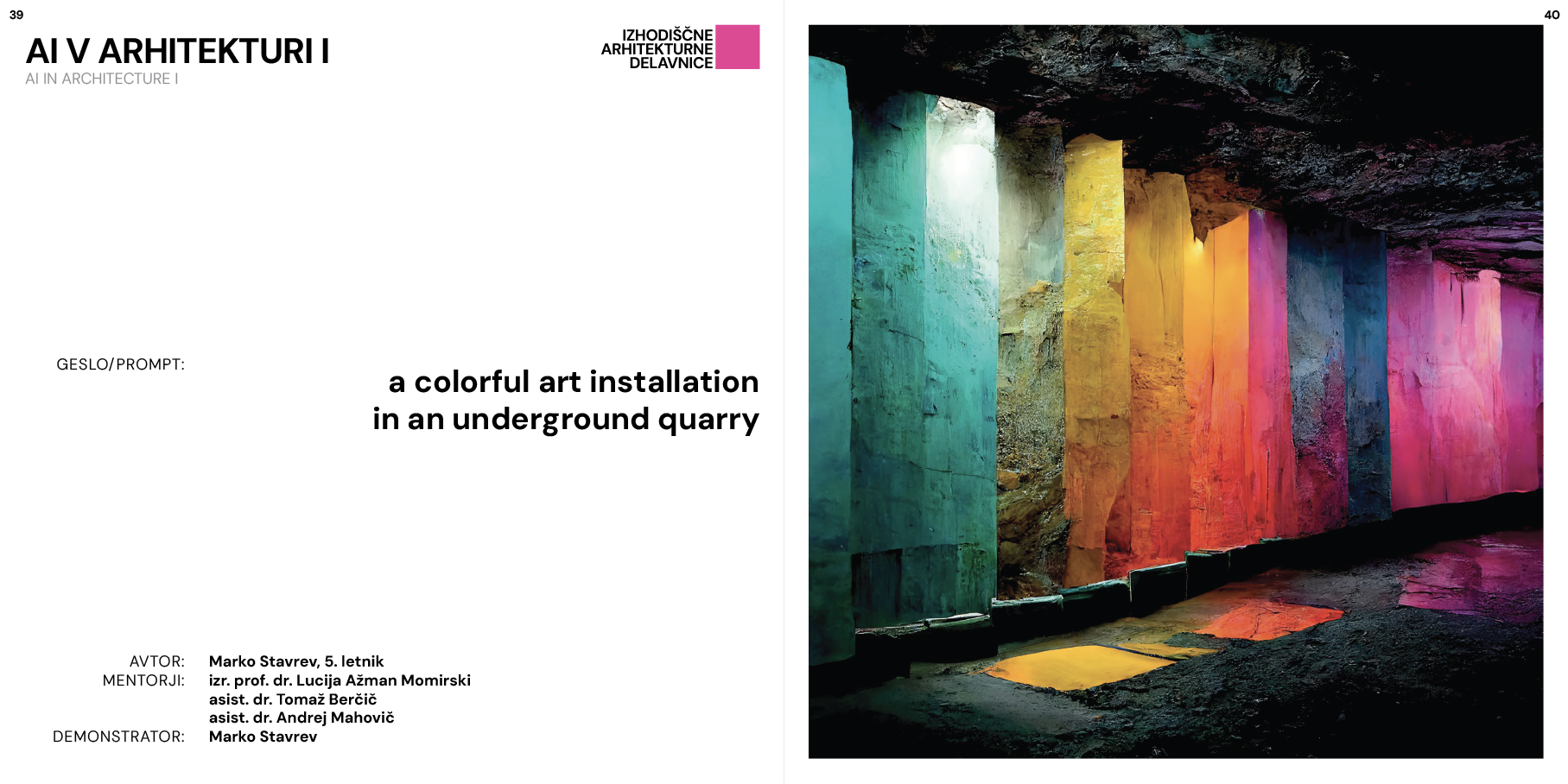
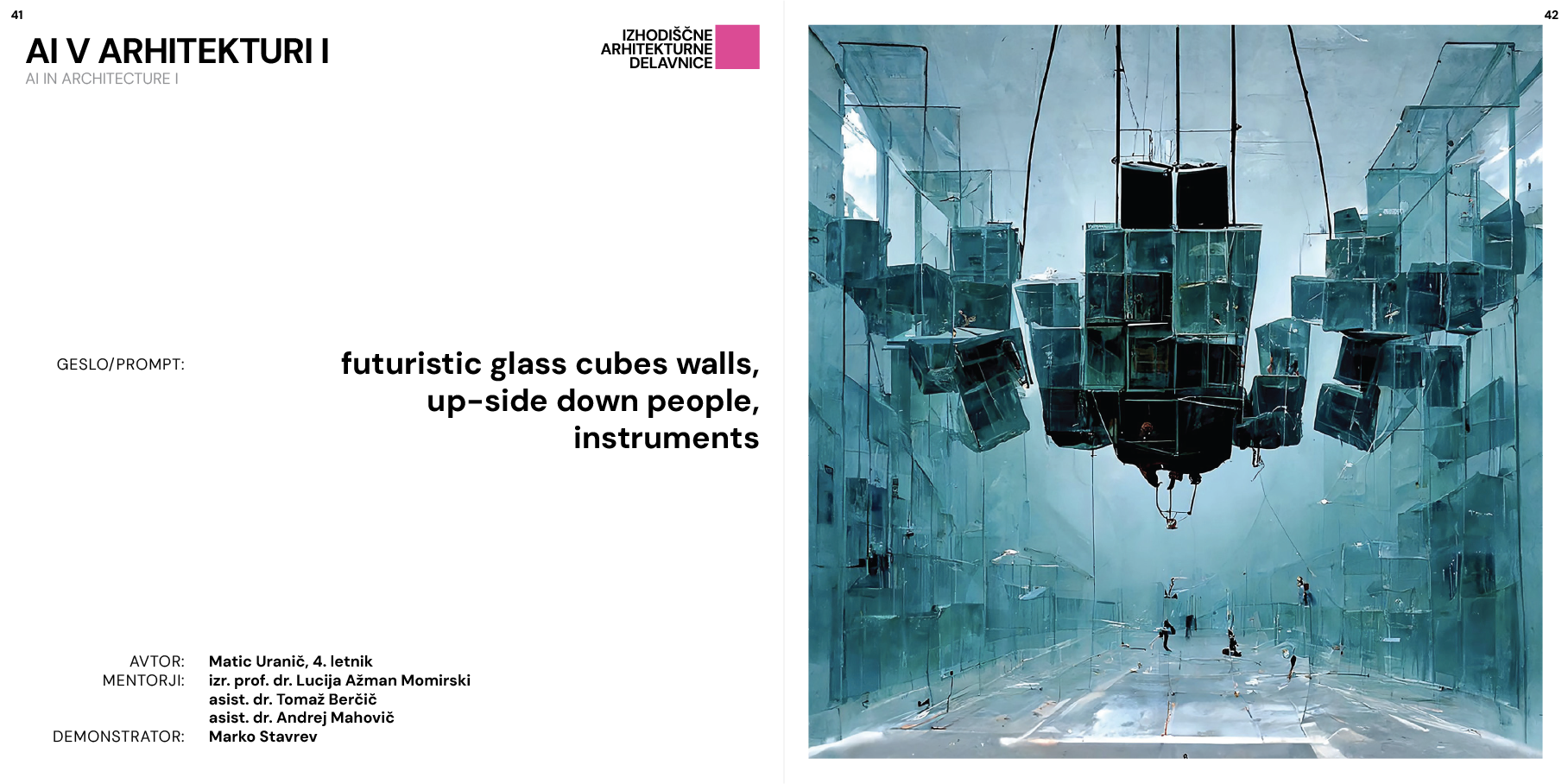
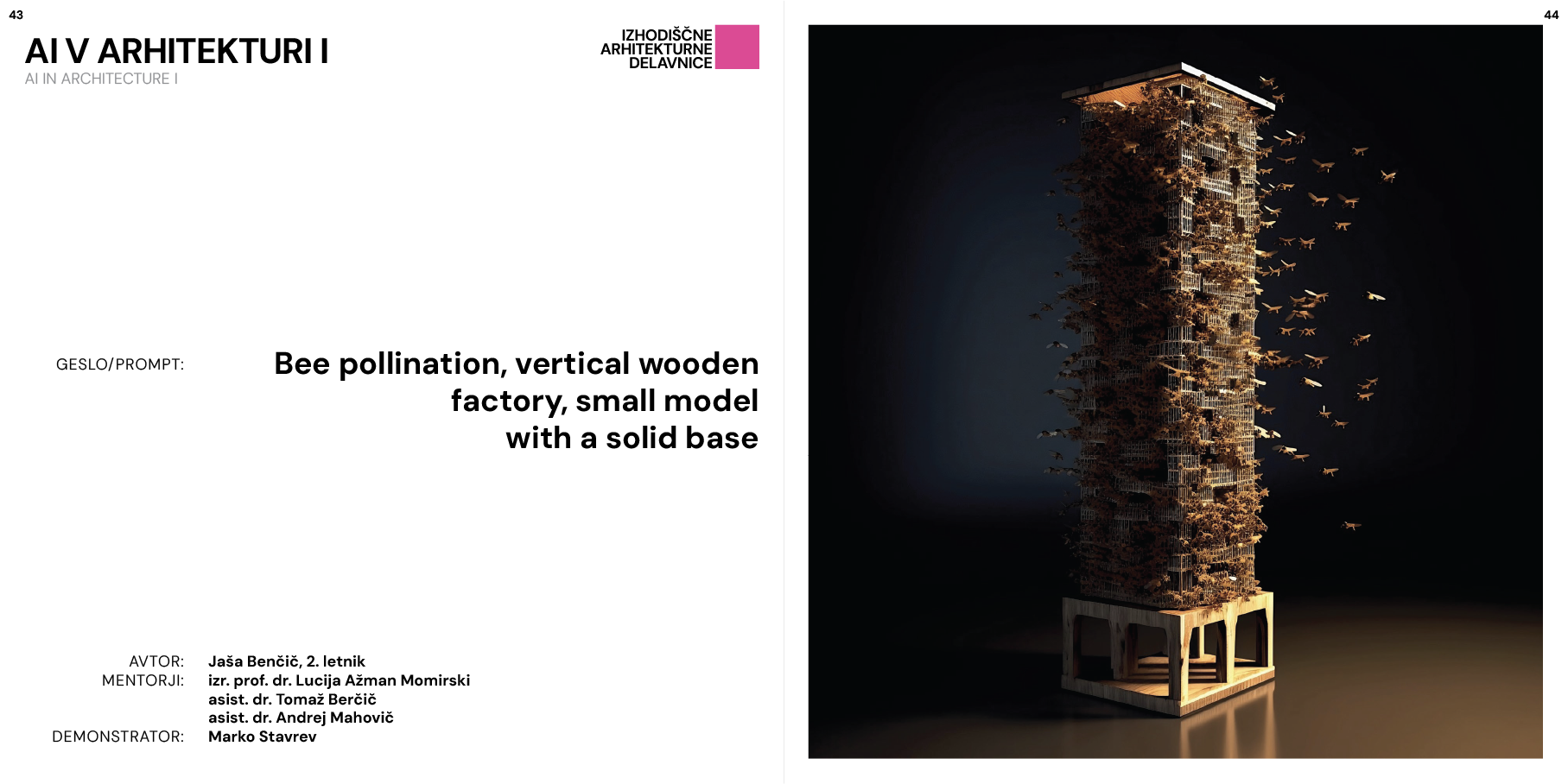
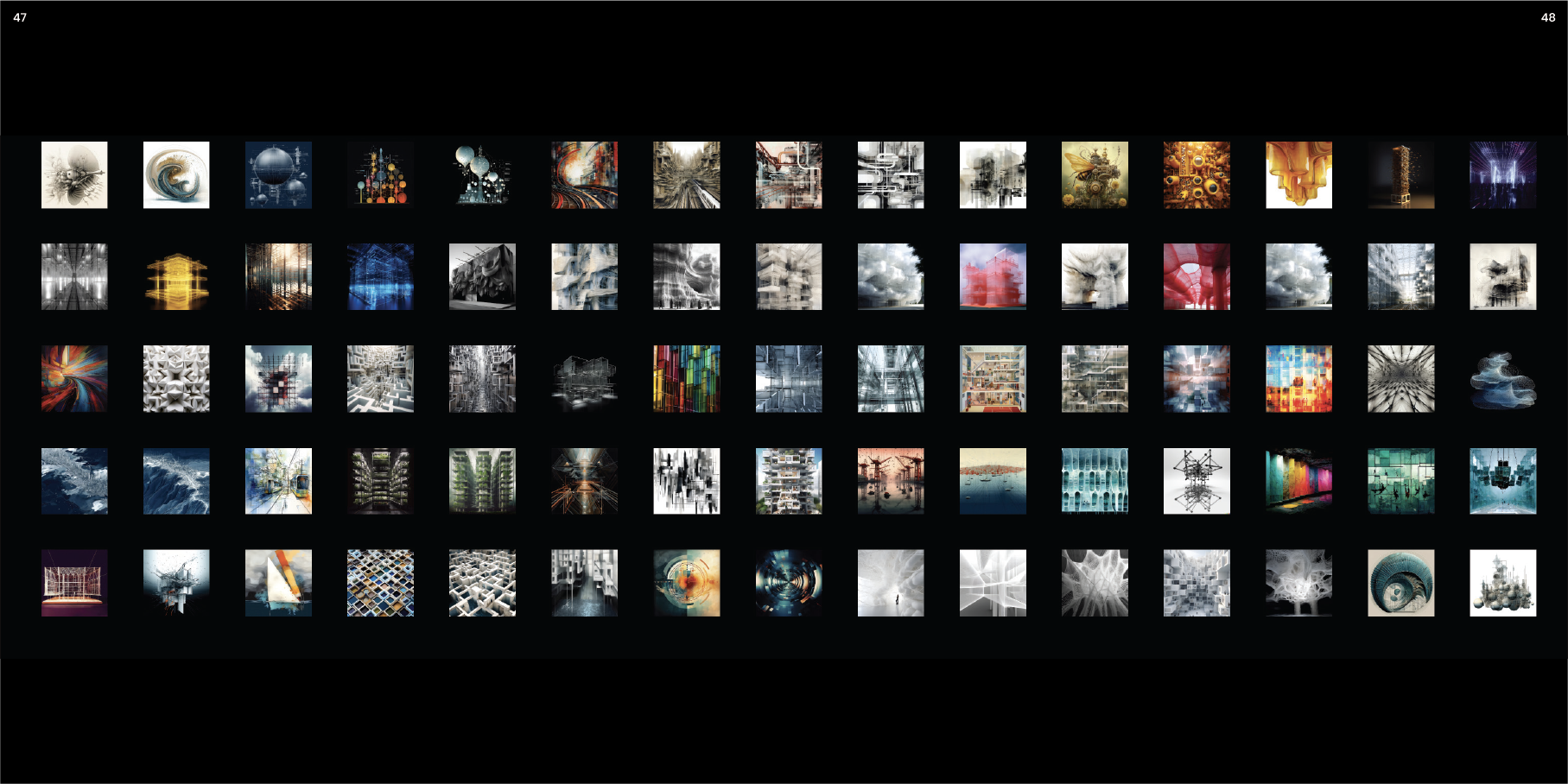
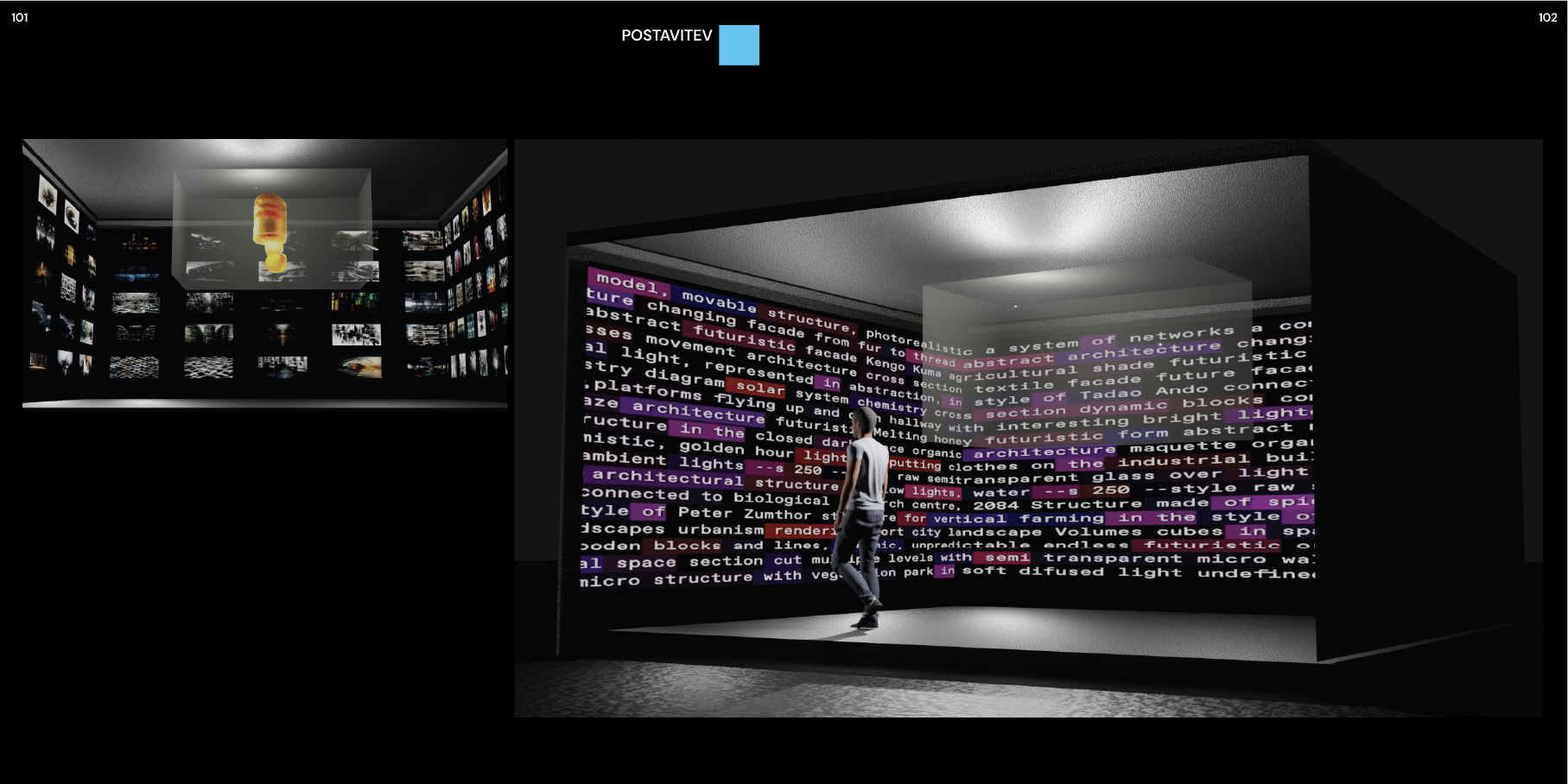
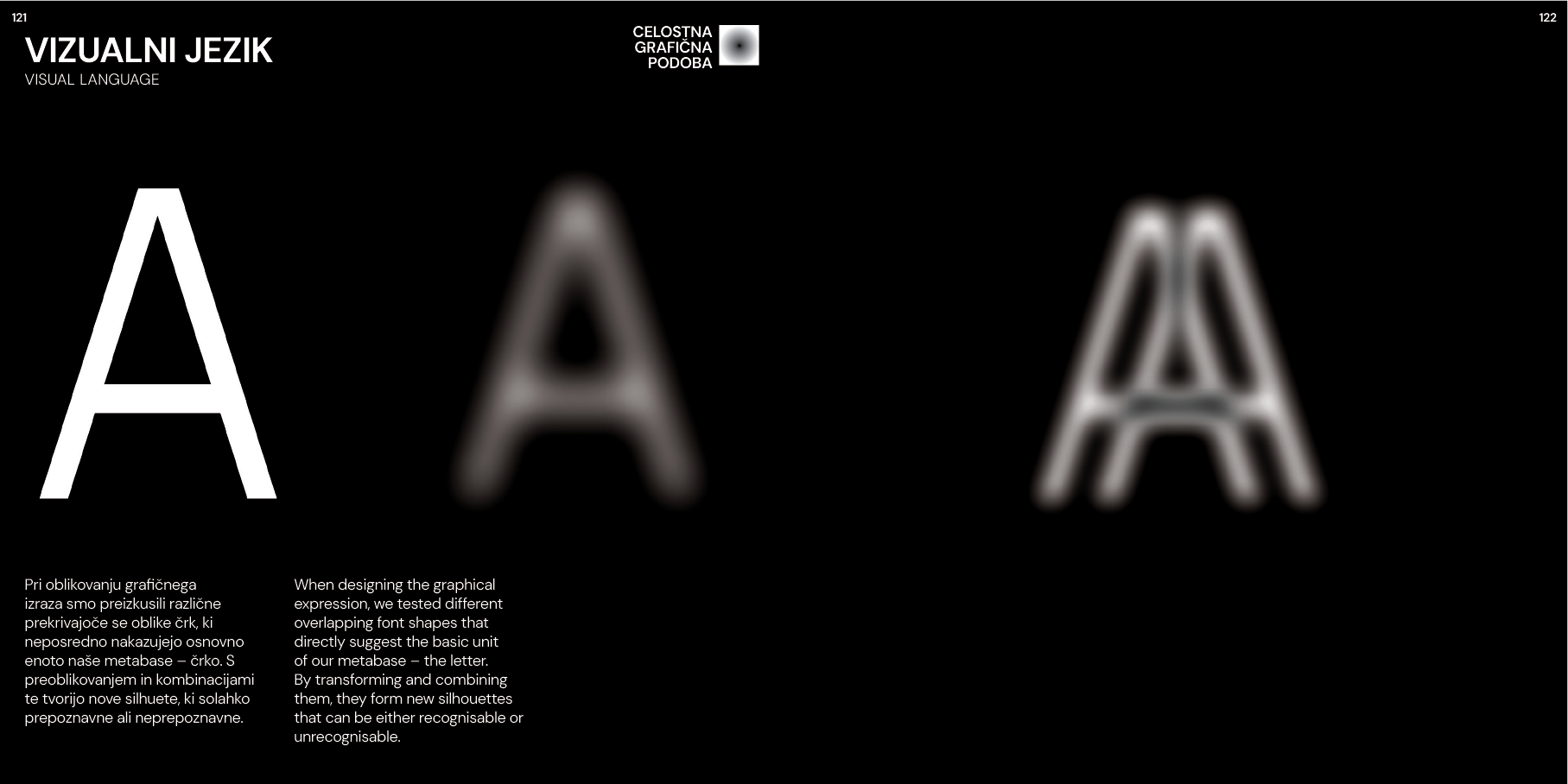
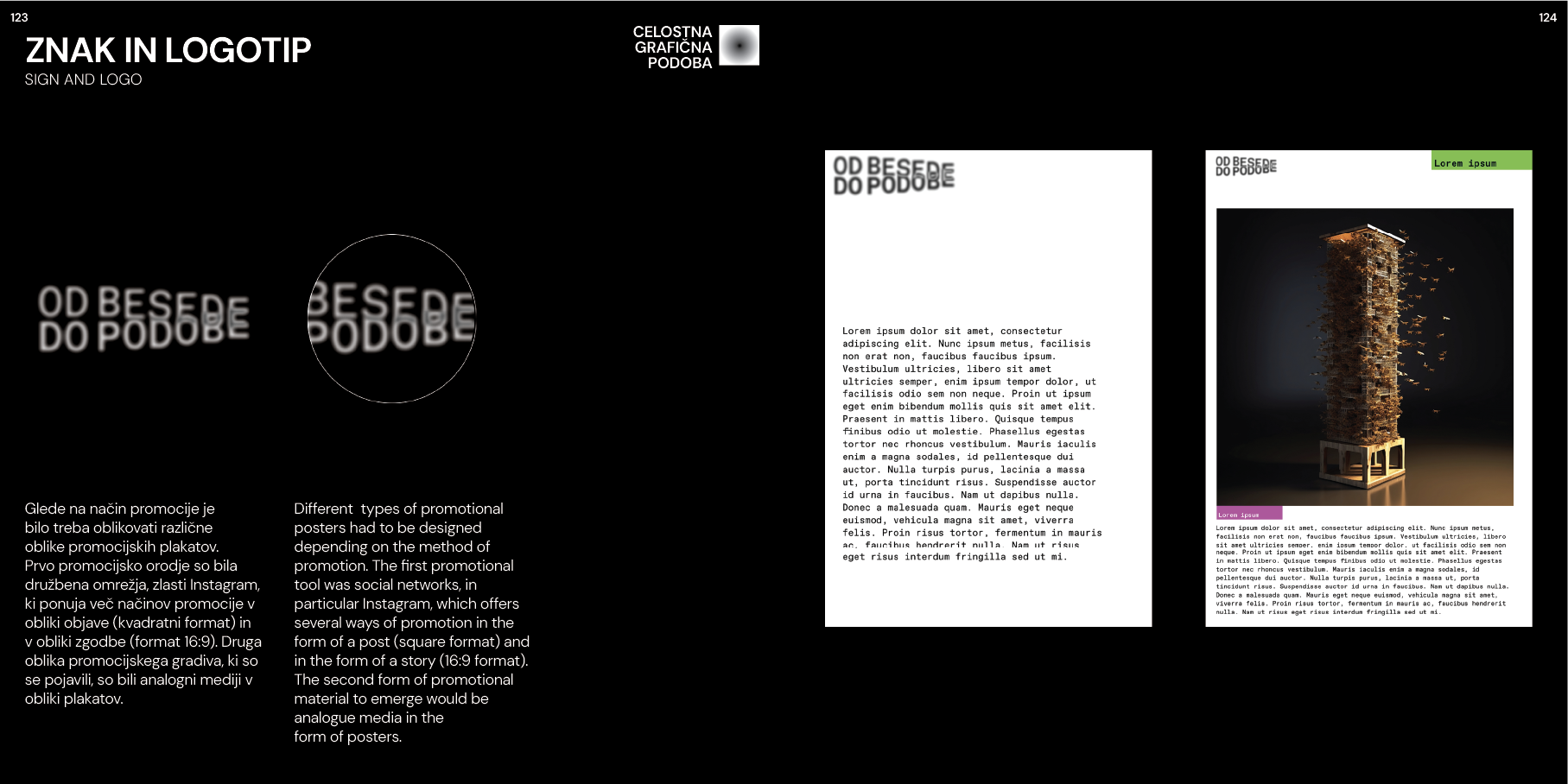
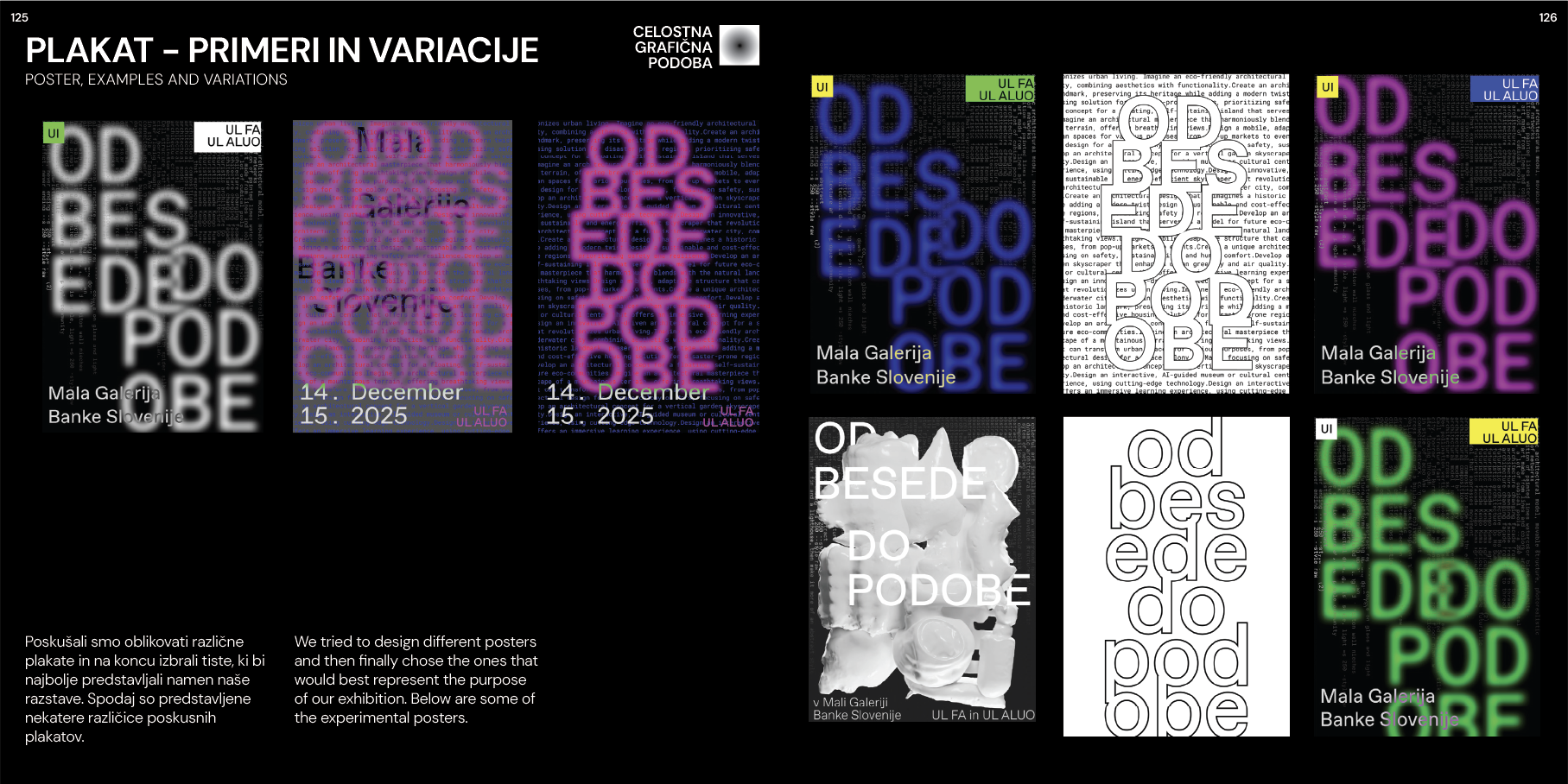
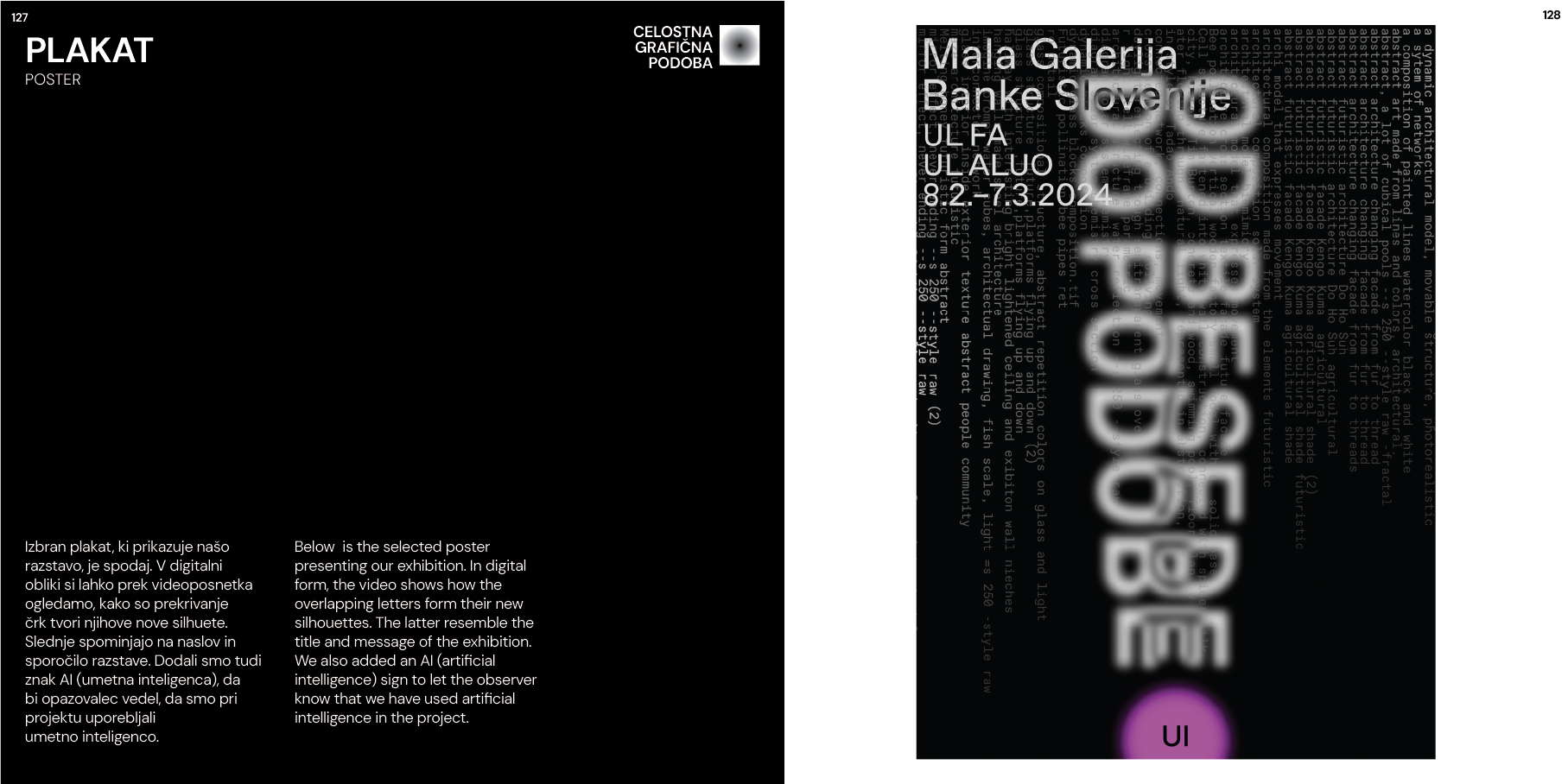
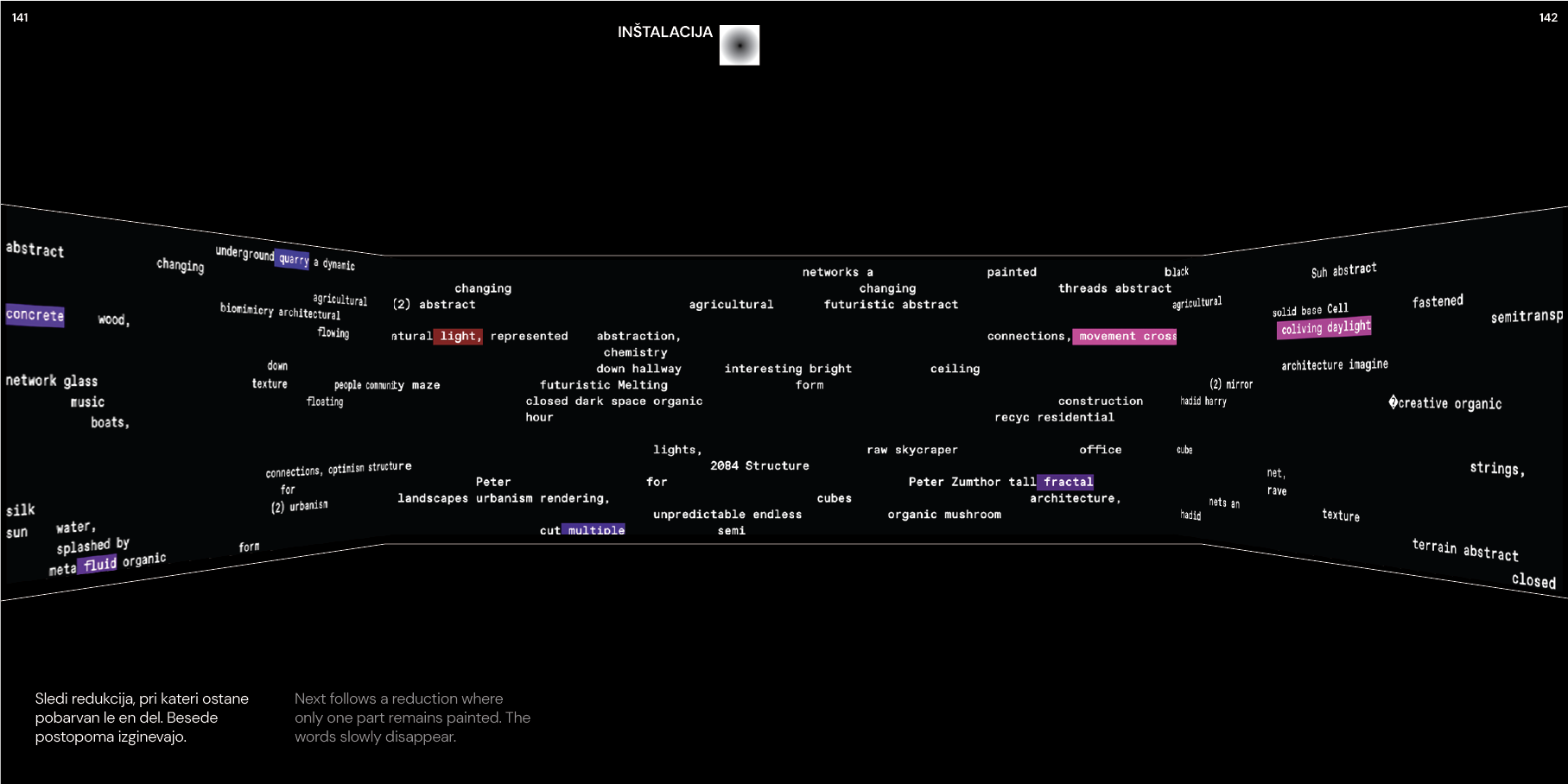
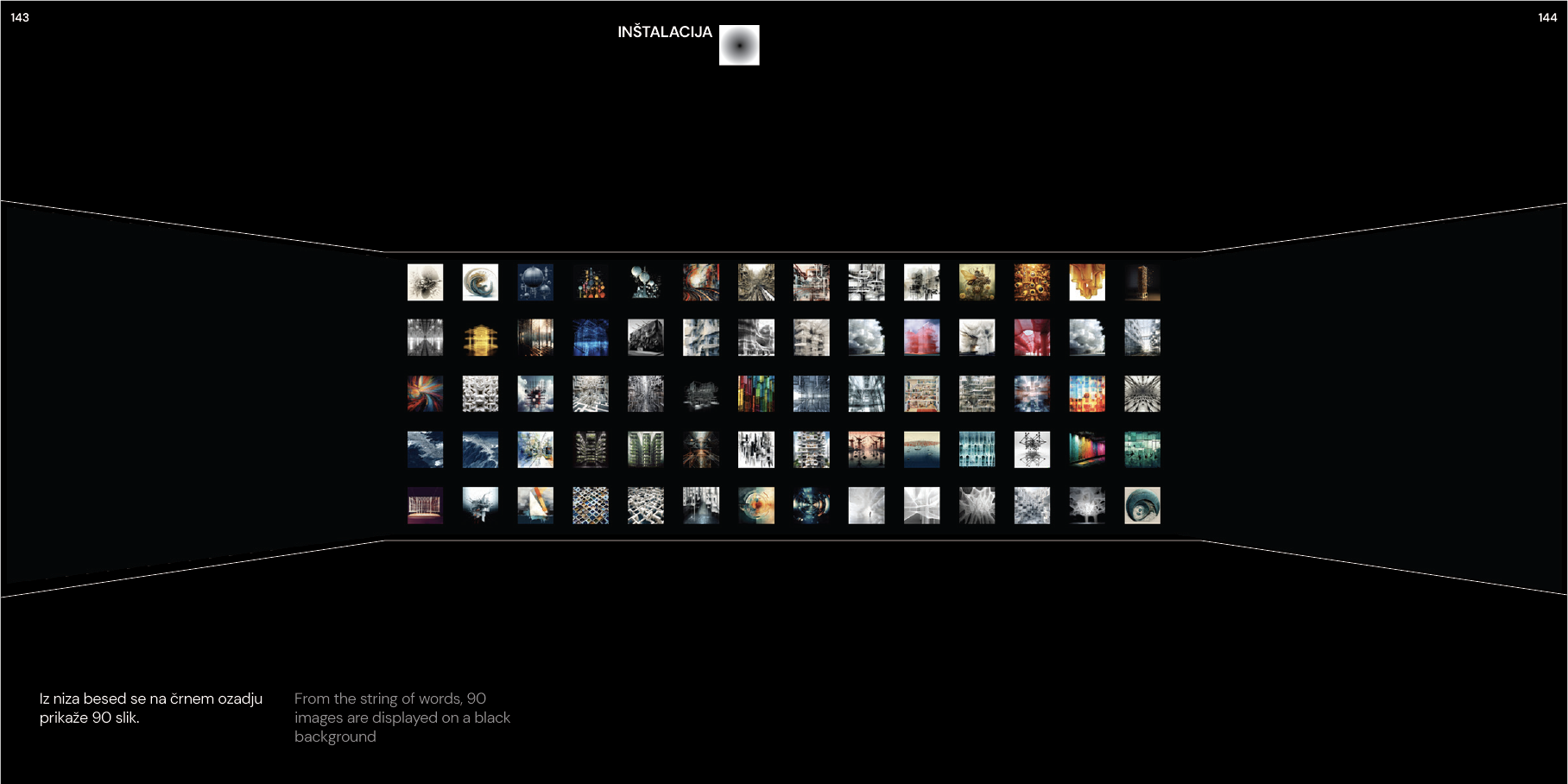
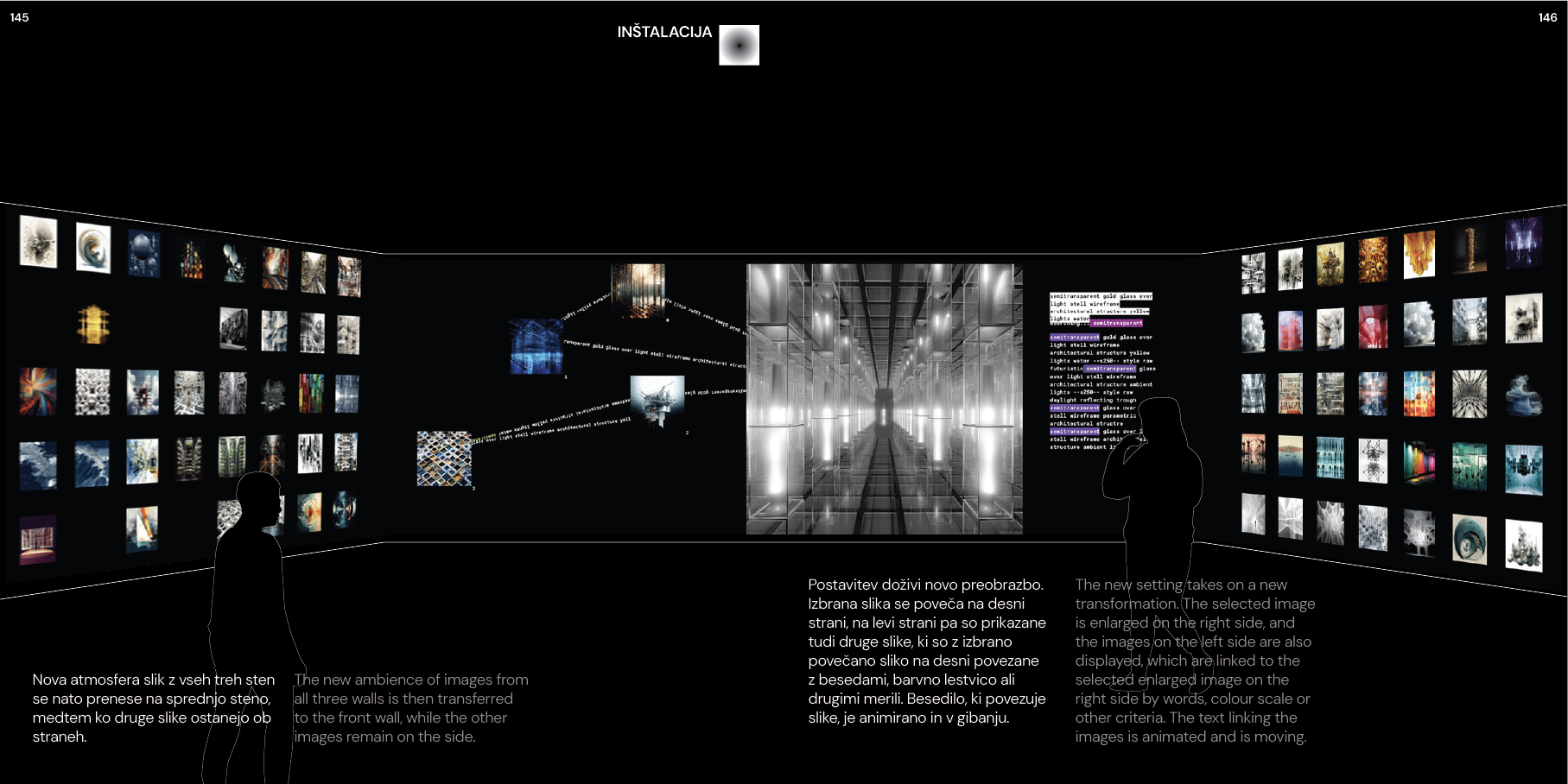
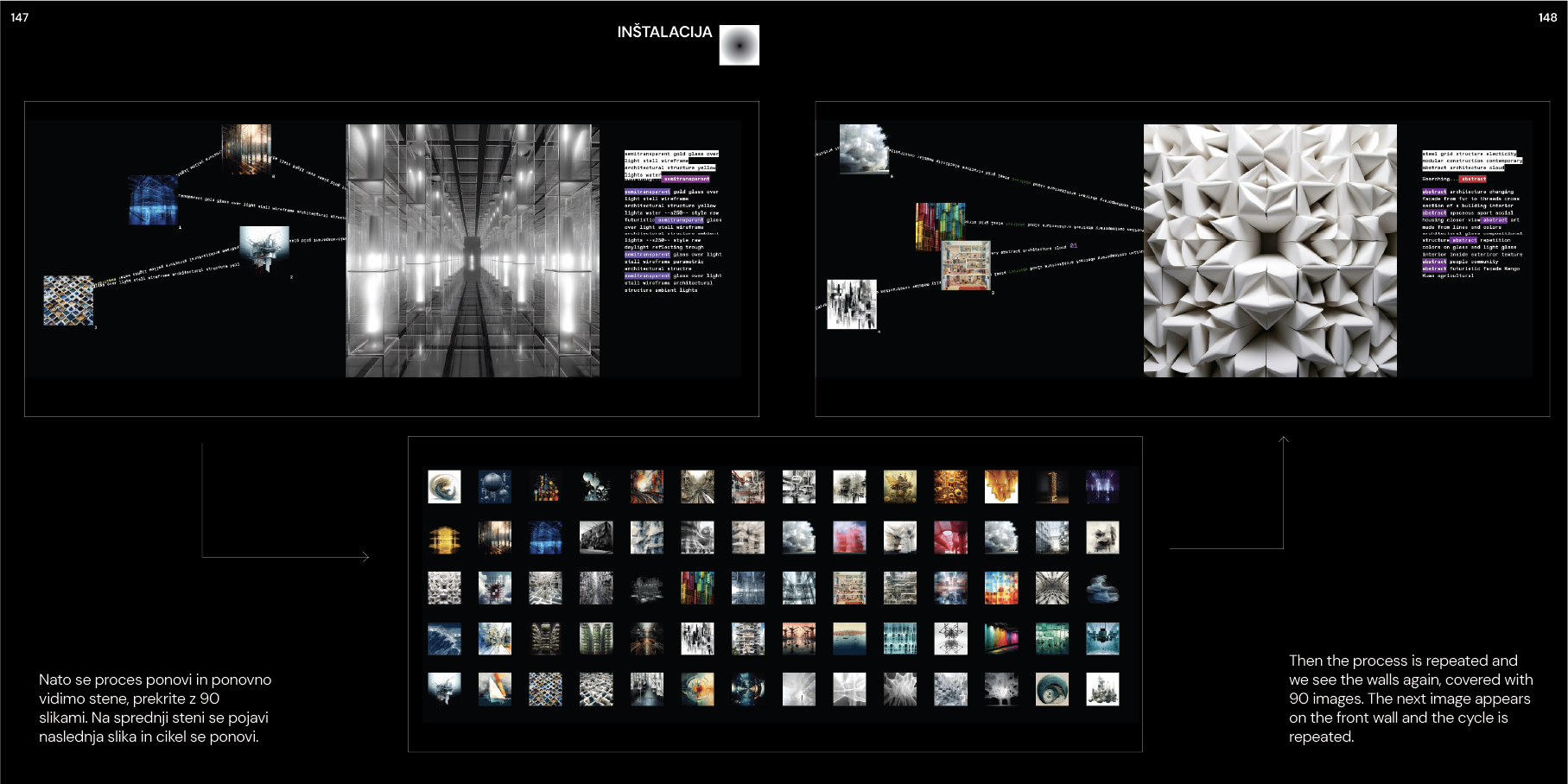
Architecture students and designers collaborated to explore AI's creative potential. Ninety images emerged from architectural concepts, displayed in matrices and connections—a new visual language born from text.
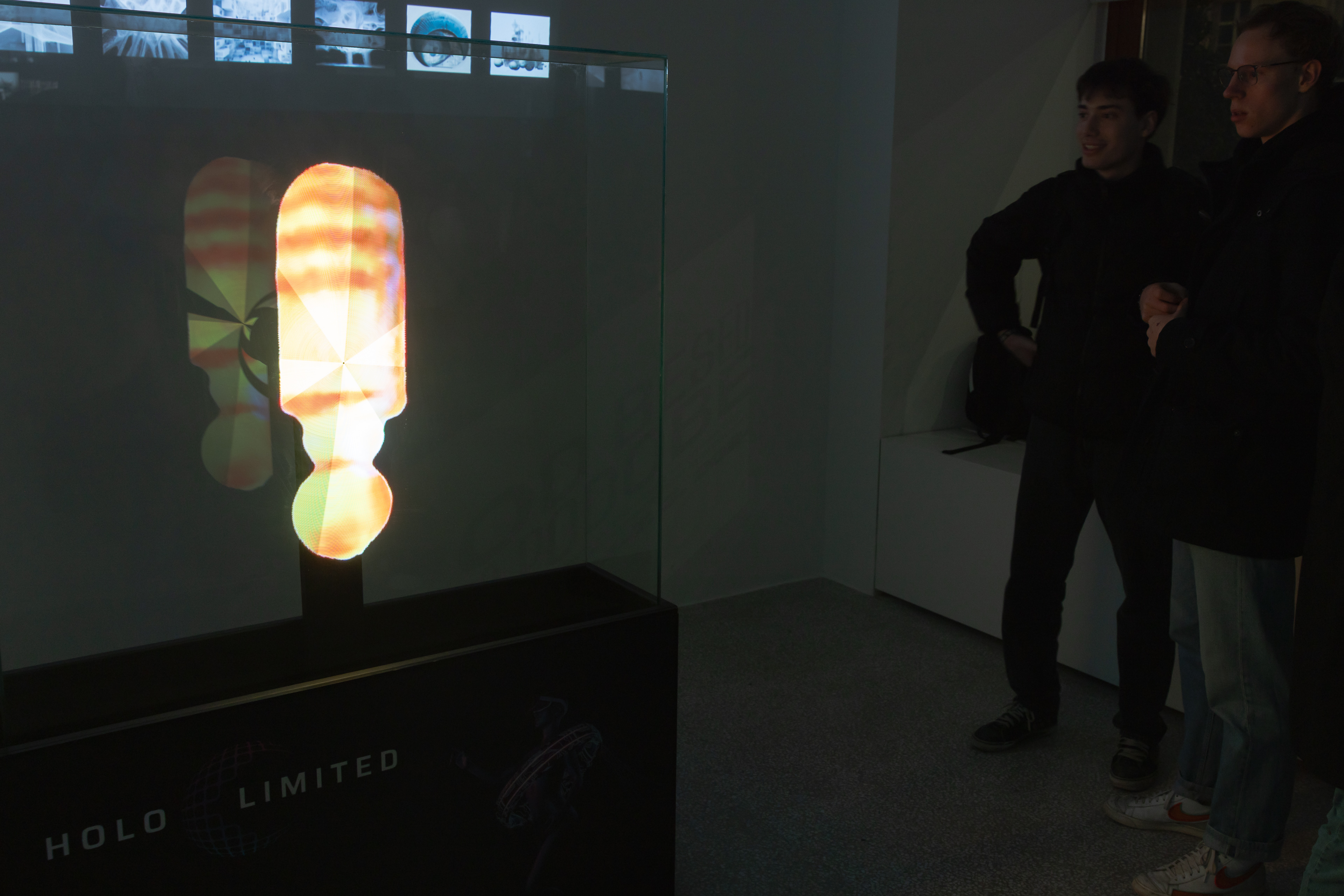
In 2023, a group of architecture and design students undertook a collaborative research project exploring the intersection of artificial intelligence and creative practice. The project, titled From Text to Image, asked a question that has become increasingly urgent: how can AI serve as a tool for architects and designers, not as a replacement but as a collaborator, a generator of possibilities, a partner in the creative process?
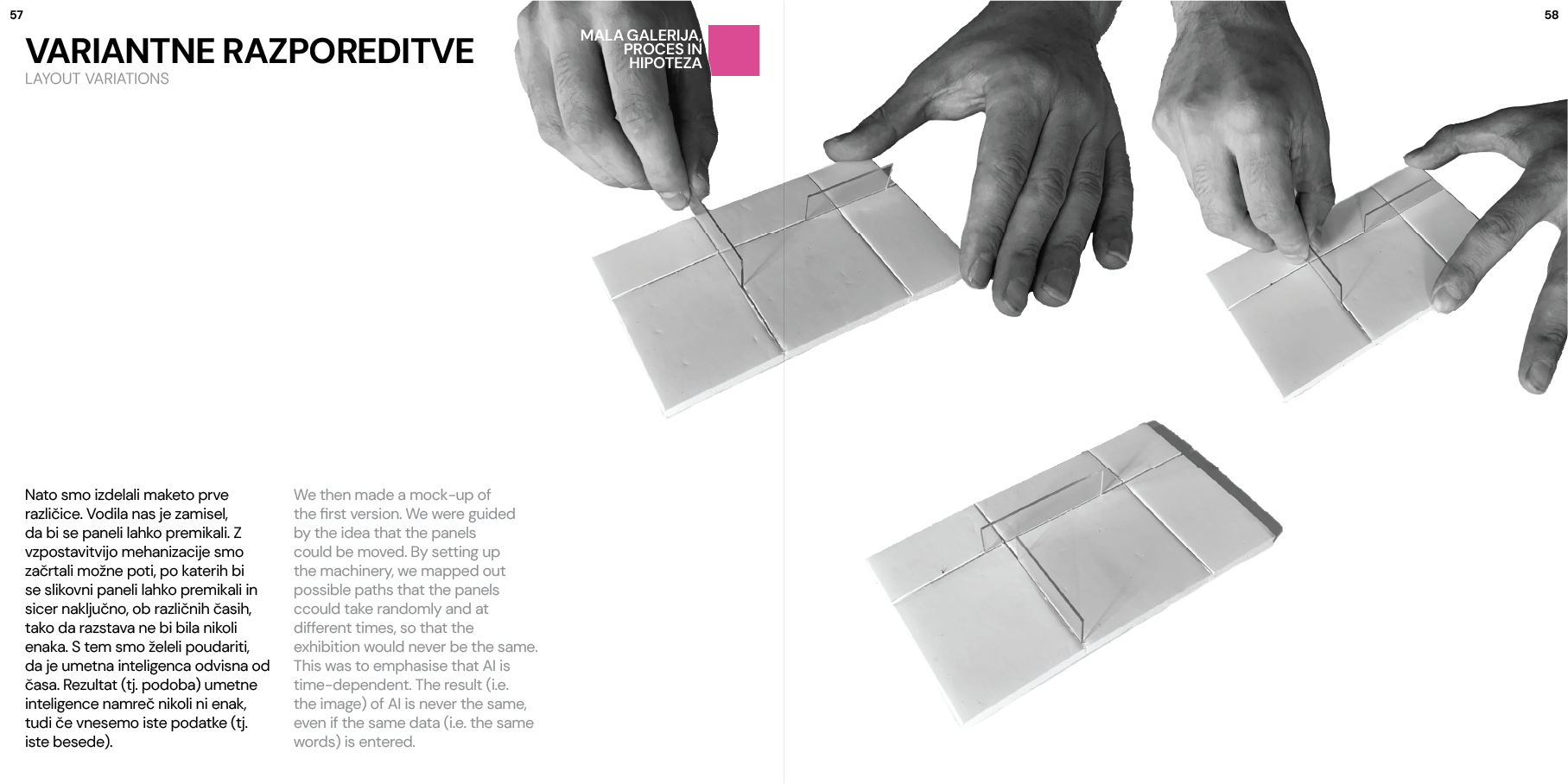
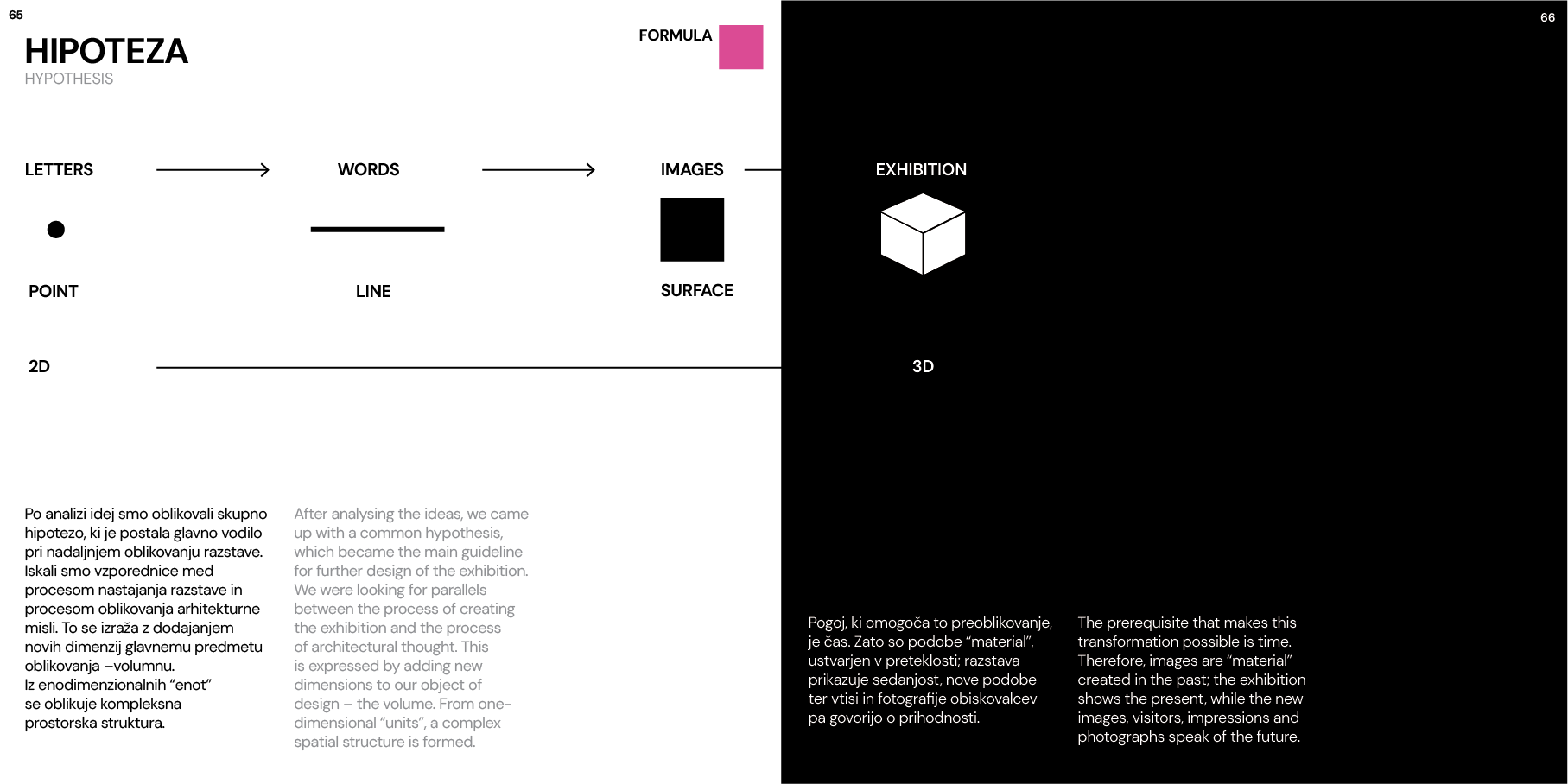
The project was structured around a hypothetical model. Text and keywords—architectural concepts, design principles, spatial ideas—were fed into AI systems, which generated images in response. These images were then curated, refined, and reimagined by human hands. The process was iterative: text to image, image to exhibition, exhibition to publication. Each stage was a collaboration between human knowledge and machine intelligence, a dialogue between the designer and the tool.
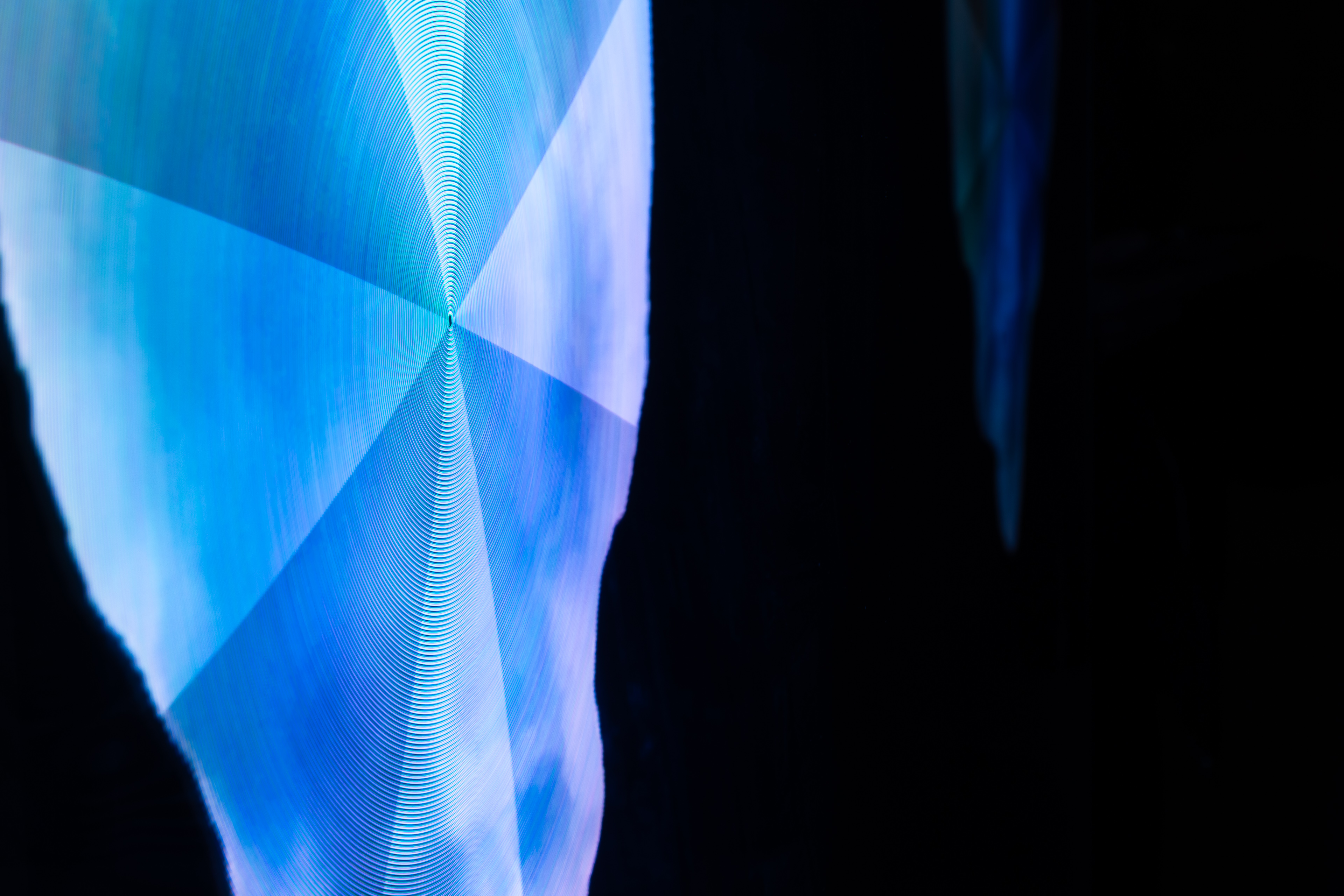
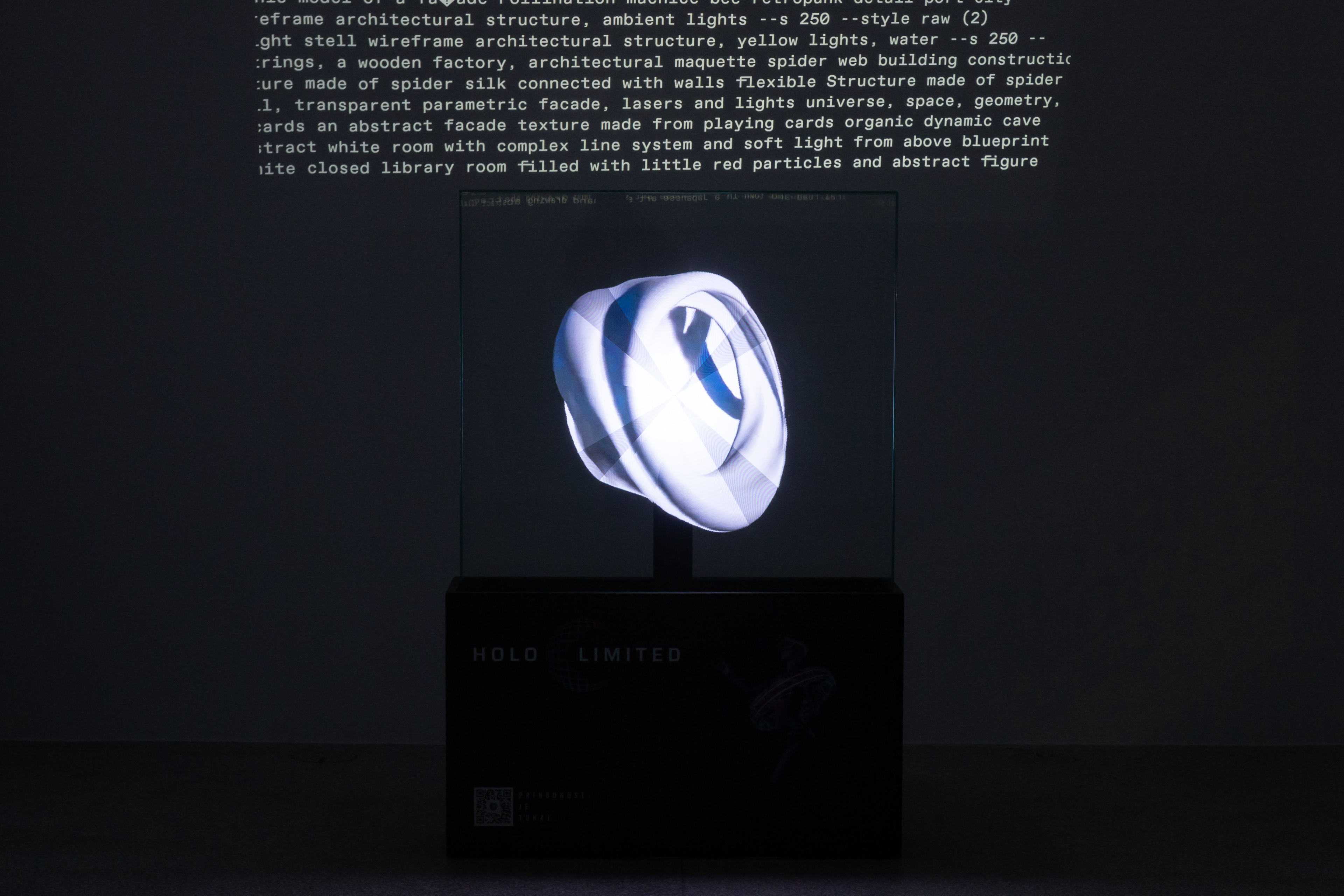
The exhibition that resulted from this research displayed ninety images, each generated from a specific architectural concept. The images were presented in a matrix, but also in relational connections—links between images that shared keywords, themes, or visual languages. The viewer was invited to trace these connections, to see how ideas morph and transform across the space of the gallery.
The typography of the exhibition was itself a meditation on transformation. Words began in white on black—the neutrality of text, the raw material of language. Then color emerged, marking the moment of transition from word to image. Selected words, those deemed most generative, were extracted from the field of language and fed into the AI. What emerged was image—visual form born from textual seed.
The project was not only about the output of AI but about the process of collaboration between disciplines. Architecture students brought spatial thinking, structural logic, an understanding of form. Design students brought visual language, typography, the craft of communication. Together, they explored how AI might serve both fields, not as a universal solution but as a tool for expanding the imagination.
The findings of the research suggest that AI can be a powerful partner in the creation of new visual worlds. It offers architects ways of seeing spatial possibilities that might not otherwise emerge. It offers designers new languages of form, new modes of generation. But the tool does not replace the human; it extends it. The image that AI generates is not the end but the beginning—a point of departure for further refinement, further imagination, further creation.
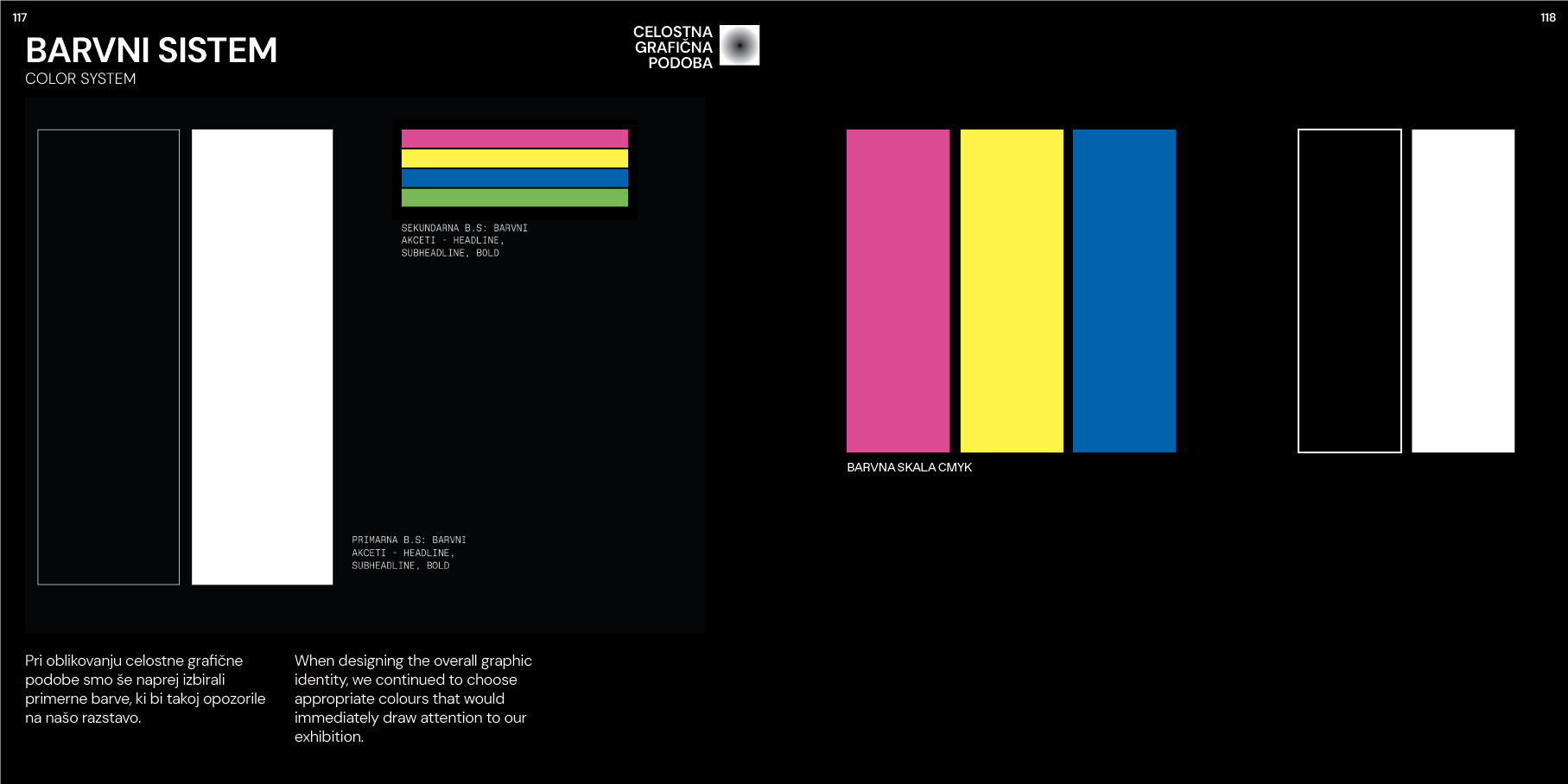
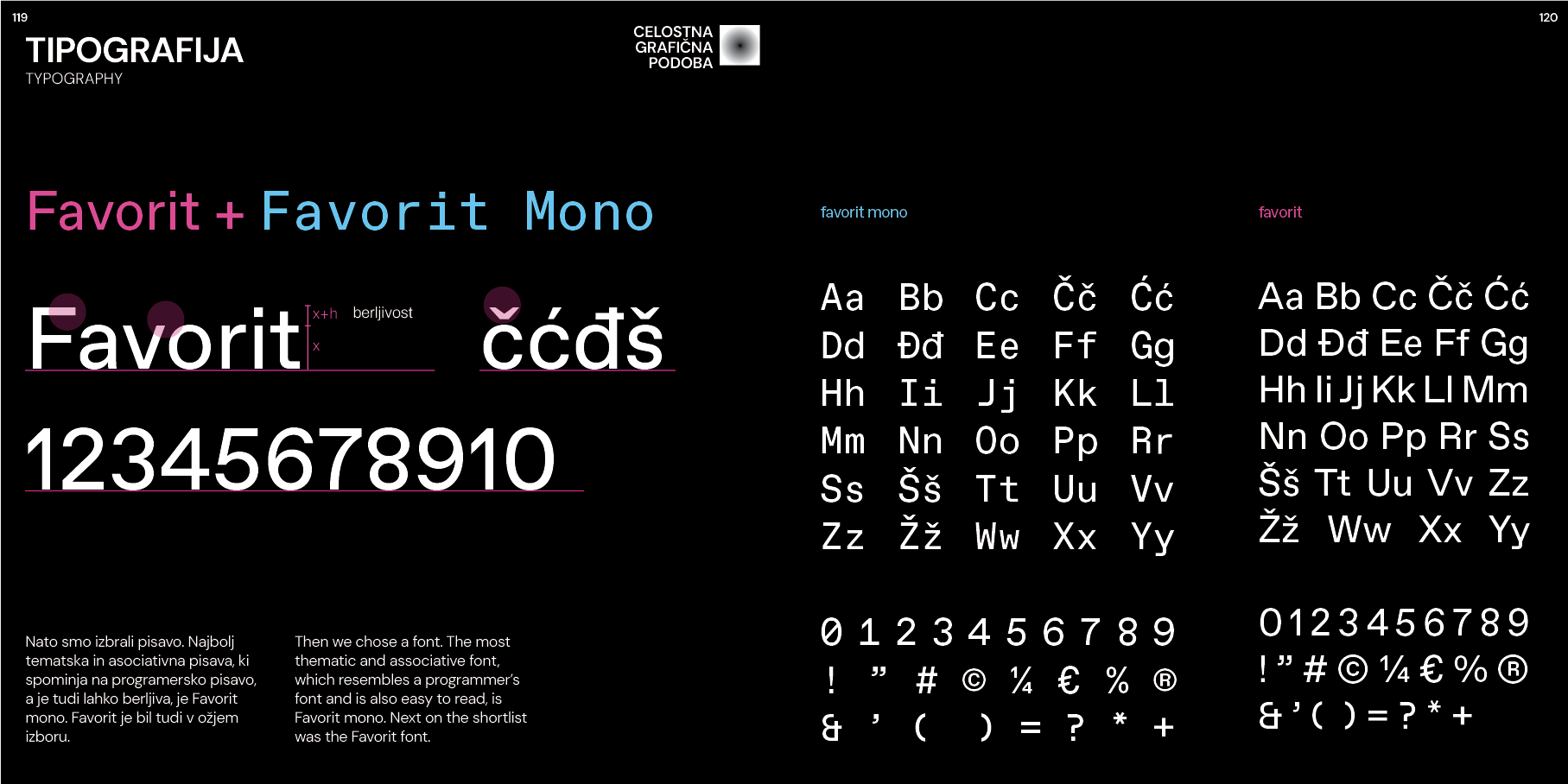
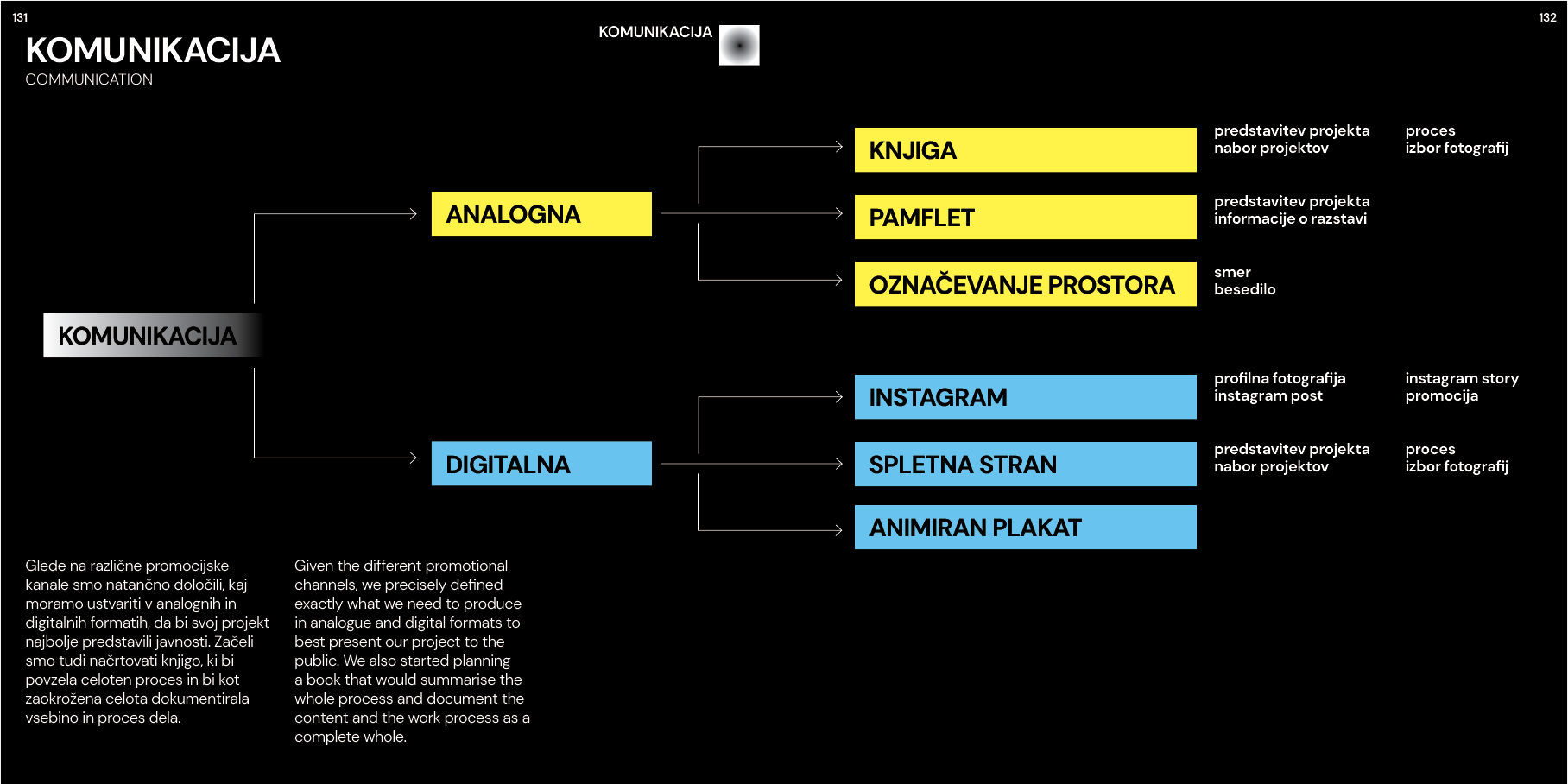
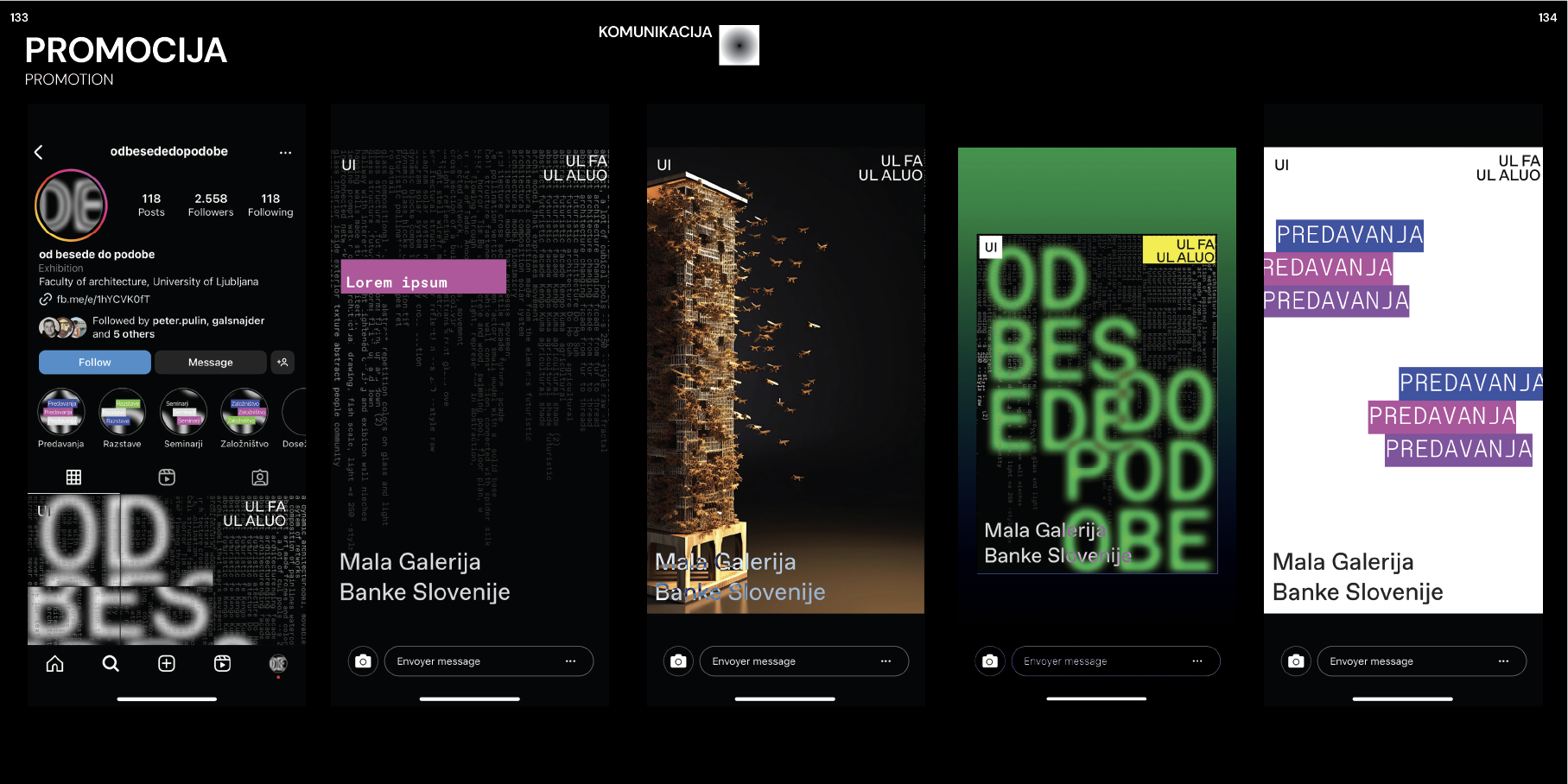
The exhibition's promotional materials grew from the same logic. The hypothetical model that guided the research also guided the design: text to image, analog to digital, concept to form. The result was a visual identity that reflected the project's core insight: that AI is not a black box but a collaborator, that the journey from word to image is a journey of co-creation.
From Text to Image is a project about possibility. It demonstrates that AI, when used with intention, with critical thinking, with human guidance, can expand the vocabulary of architecture and design. It shows that collaboration—between disciplines, between human and machine—can produce forms of beauty, of meaning, of new visual worlds.


.gif)