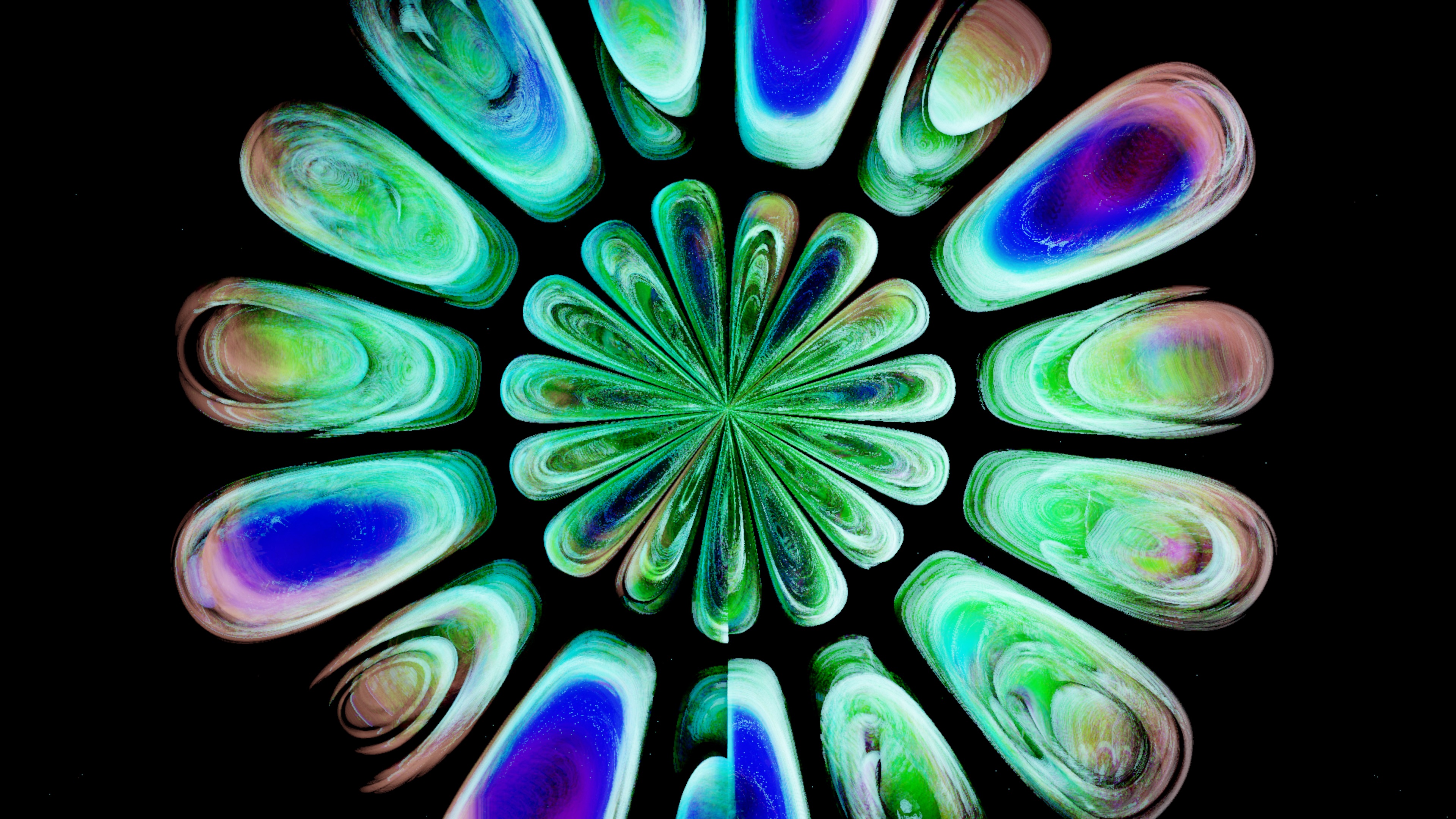
What does love look like? Patience? Anger? Emoline translates emotion into abstract form. Simple shapes, clean lines, carefully chosen colors—each composition captures a feeling distilled to its essence.


Anger is a sharp angle, patience a slow curve, silence an empty space. Emoline explores the geometry of feeling, building emotional landscapes from the simplest visual elements.
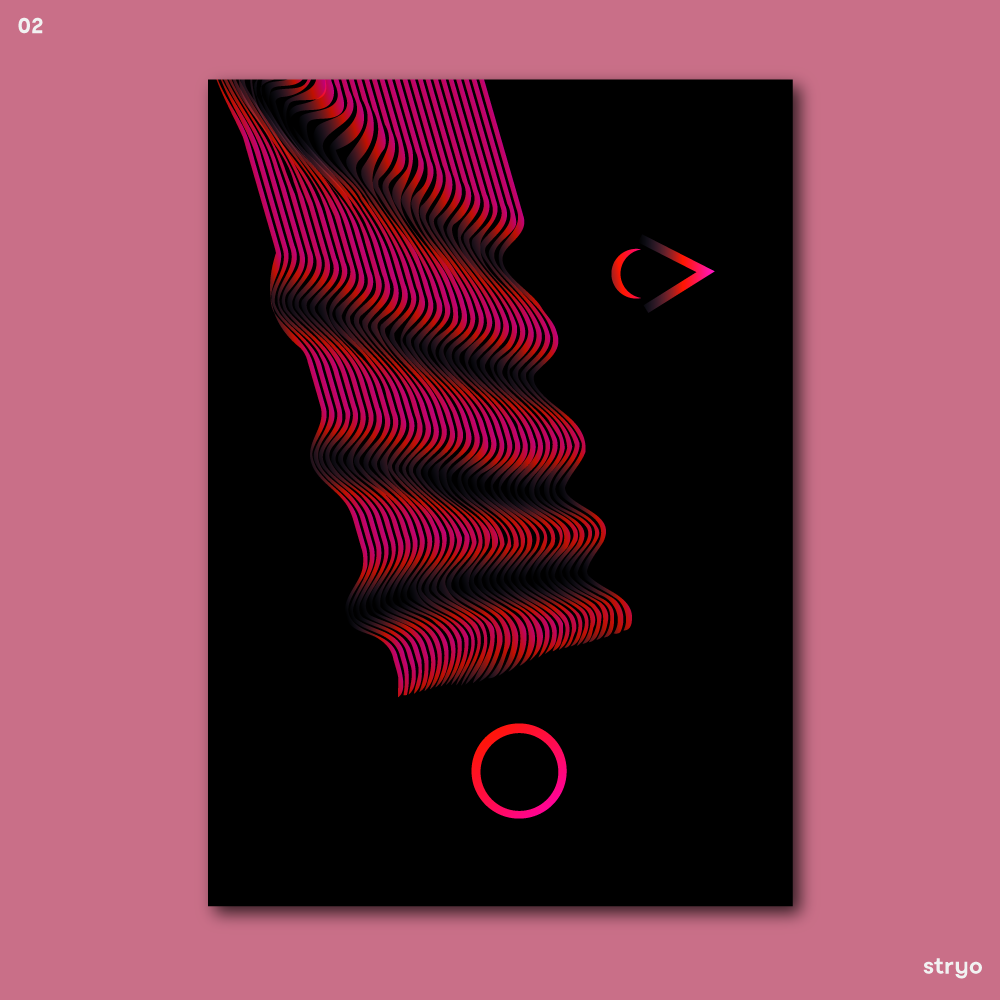
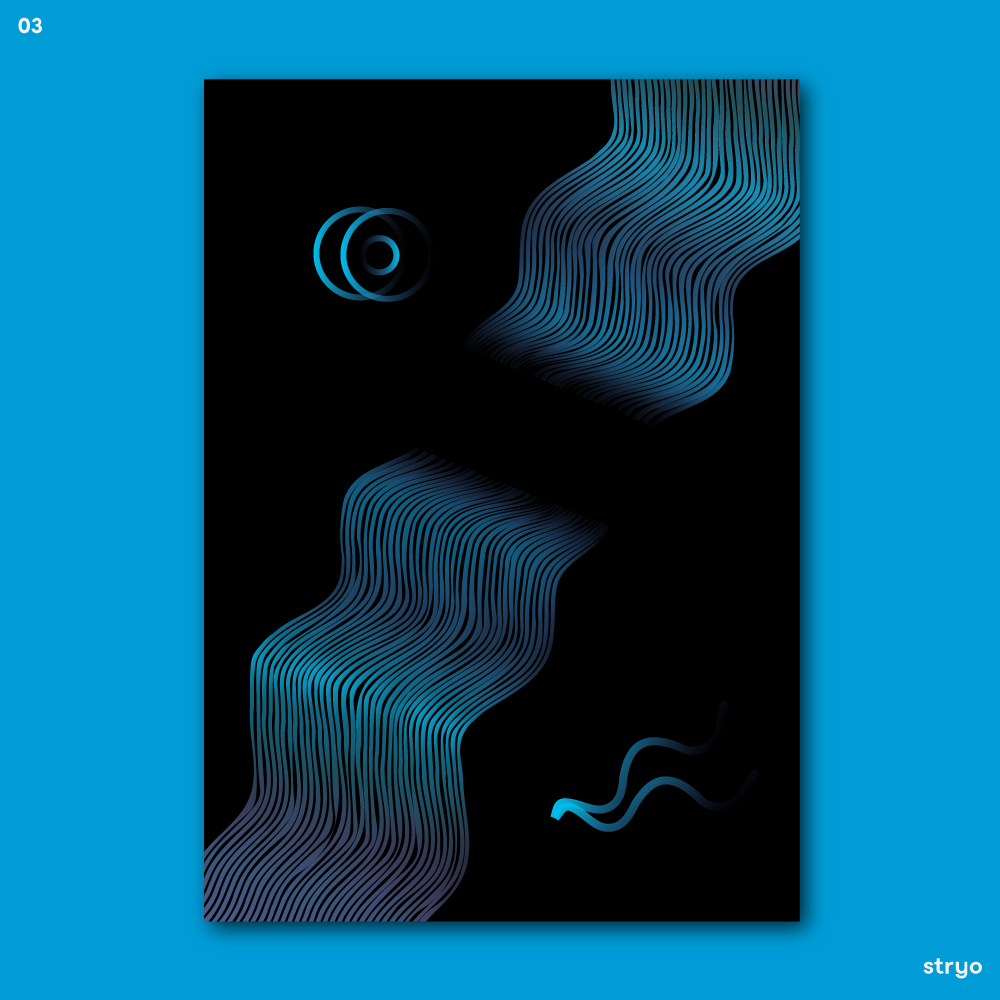
A series of abstract illustrations mapping the territory of emotion. Love, patience, anger, confusion, silence—each rendered in the language of geometric abstraction. Form follows feeling.


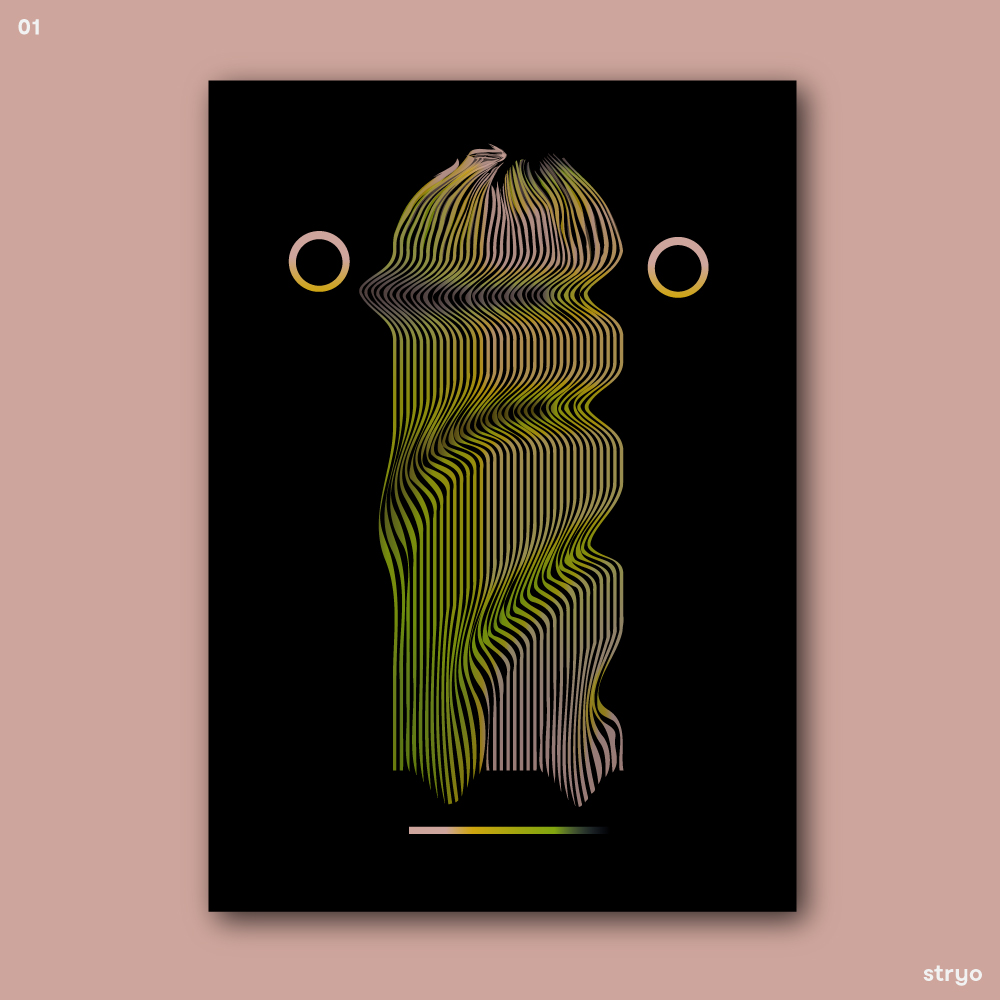
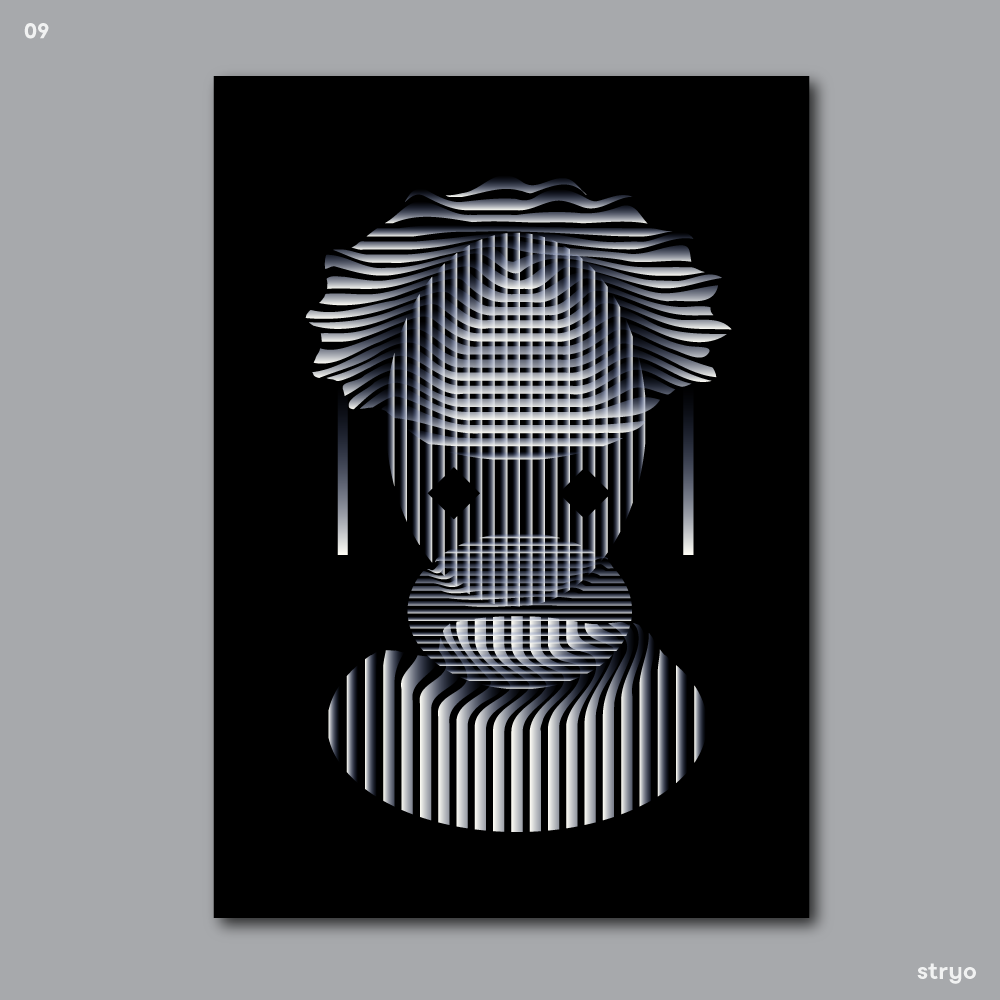
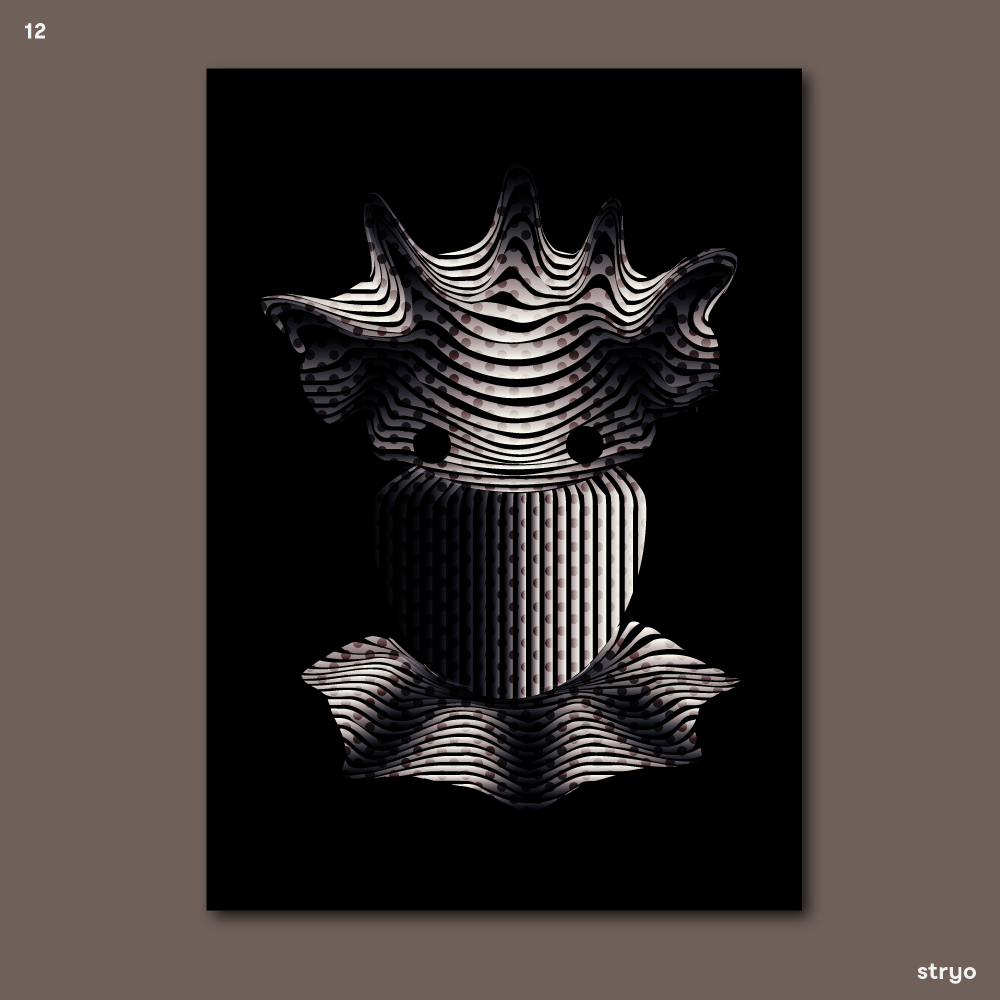
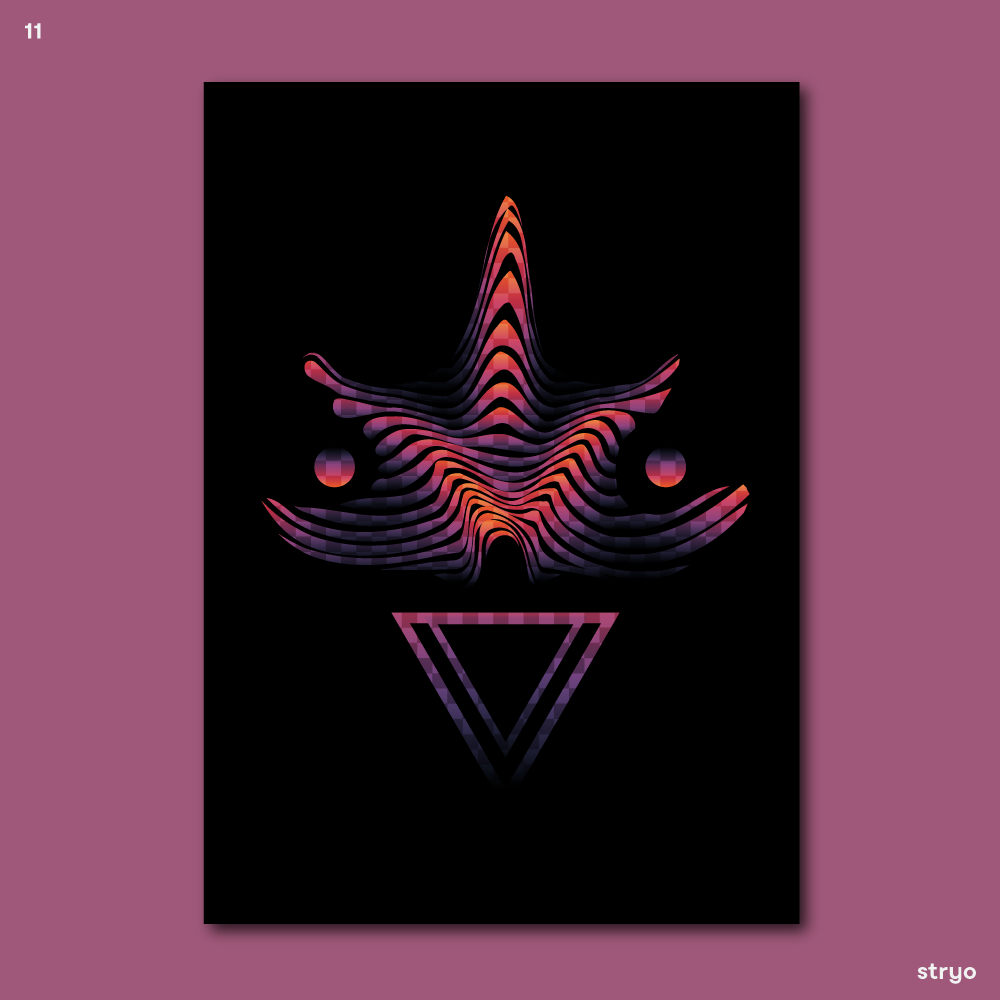
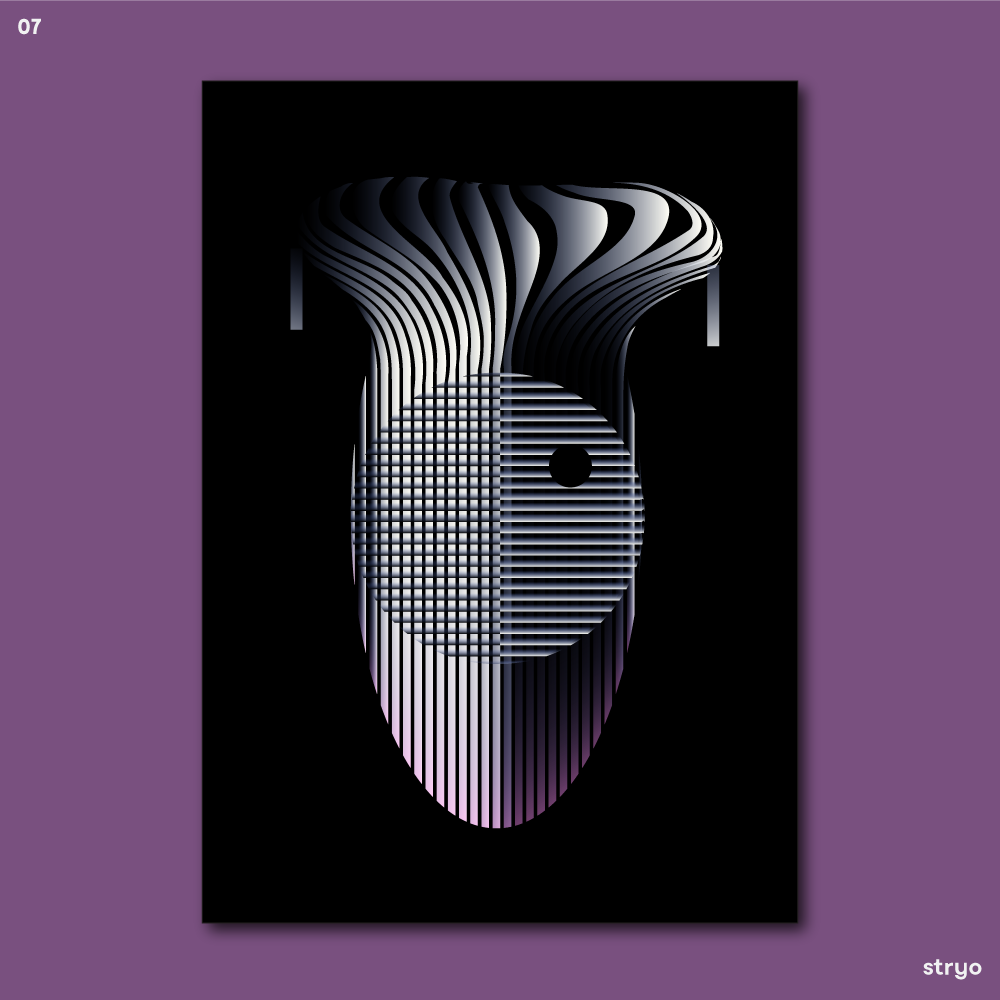
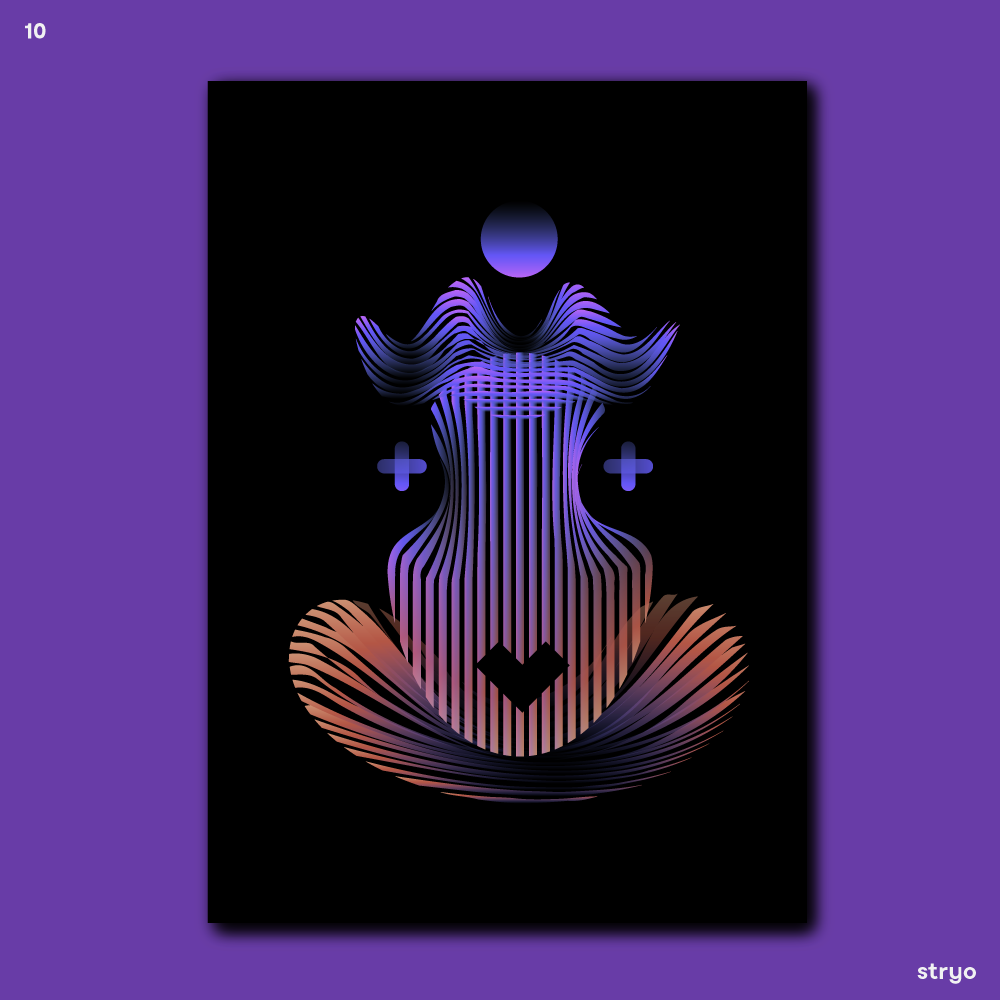

What does an emotion look like? This is the question at the heart of Emoline, a series of abstract illustrations created by Strahinja Jovanović in 2018. The project sets out to explore the visual language of feeling—not through representation, not through the faces of people experiencing emotion, but through the pure forms of geometry. Love, patience, anger, confusion, silence: each becomes a composition of simple shapes, colors, and lines.
The approach is reductive but not simplistic. Anger might be rendered as sharp angles, jagged lines, a palette of red and black. Patience might be a slow curve, a gentle gradation of blue, a composition that takes time to unfold. Love could be interlocking shapes, warm tones, forms that seem to reach toward one another. Silence might be empty space, a single line suspended, a composition that breathes.
The project draws on a long tradition of abstraction. Kandinsky spoke of the spiritual in art, of colors and forms that could evoke inner states. Mondrian reduced landscape to grid and primary color, seeking the universal. Emoline works in this lineage, but with a contemporary sensibility—digital, precise, open to interpretation.
Each illustration is built from the simplest elements: circles, squares, triangles, lines. The colors are chosen with care, each hue carrying emotional weight. Red is not just red; it is anger, passion, heat. Blue is calm, distance, depth. Yellow is warmth, energy, attention. The compositions are balanced, deliberate, but also open—they invite the viewer to find their own meanings, to project their own emotions onto the forms.
The title Emoline suggests the project's concerns. "Emo" for emotion, "line" for the foundational element of drawing. Emotion rendered in line; feeling given form. The project asks whether there is a grammar of emotion, a vocabulary of shape and color that can be read across cultures, across experiences. Is there a universal shape for love? A shared geometry for anger?
For Strahinja, the project was an exploration of the limits and possibilities of abstraction. He worked with restraint, limiting his palette and his forms, asking what could be said with few elements. The results are varied but coherent—a series of distinct emotional landscapes, each with its own character, its own mood, its own way of addressing the viewer.
Emoline also reflects Strahinja's broader interests in systems and structure. Across his work, he has explored how complex forms can emerge from simple rules, how meaning can be built from modular elements. Here, the system is emotional rather than formal: a set of feelings, each given its own geometry, each following its own logic.
The series is also an invitation. The illustrations do not tell the viewer what to feel; they offer spaces for feeling, forms that resonate or resist, compositions that ask to be read. Love might be one thing to one viewer, something else to another. Anger might be recognized or rejected. The ambiguity is intentional. Emotion is not fixed; it is experienced. Emoline offers forms for that experience, frames for that feeling.
In the end, Emoline is a meditation on the relationship between abstraction and emotion. It argues that feeling can be rendered, that geometry can carry meaning, that a line can be patient, a shape can be angry, a color can be love.
.gif)