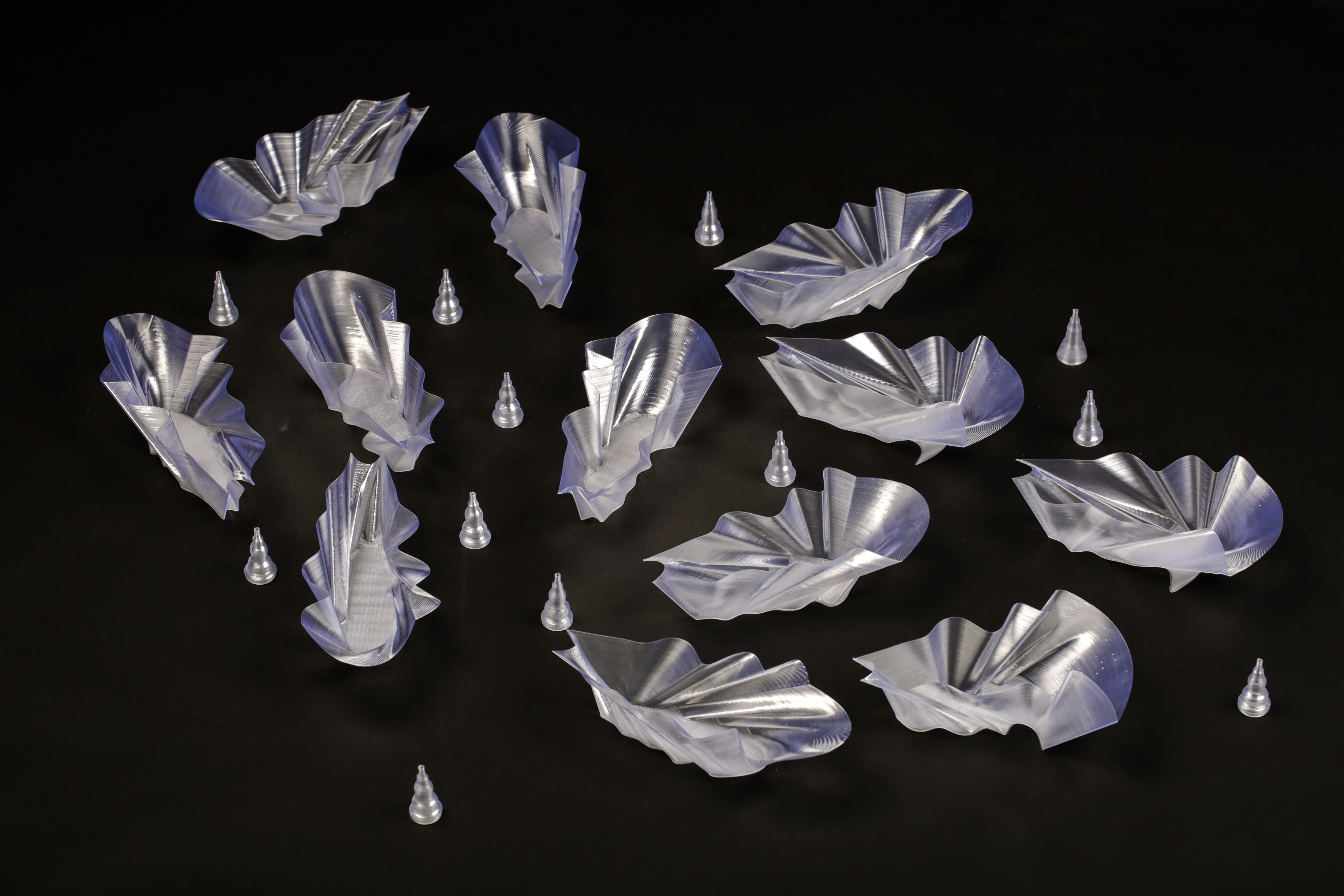
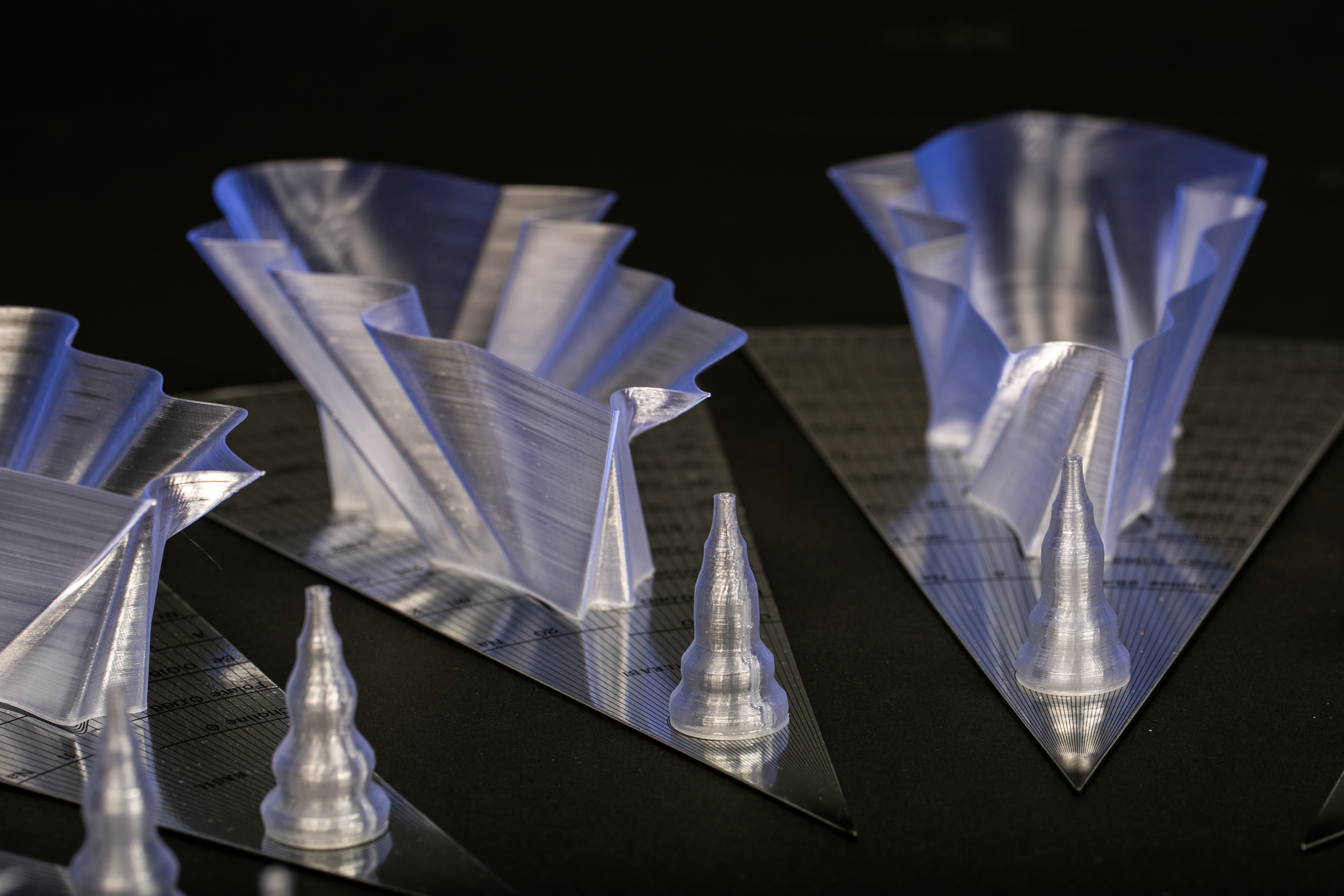
Twelve months, twelve microgreens. Each vase, 3D printed from bio-plastics, is uniquely designed for its plant. The user grows, learns, harvests—and at year's end, begins again. A calendar not of numbers, but of growth.

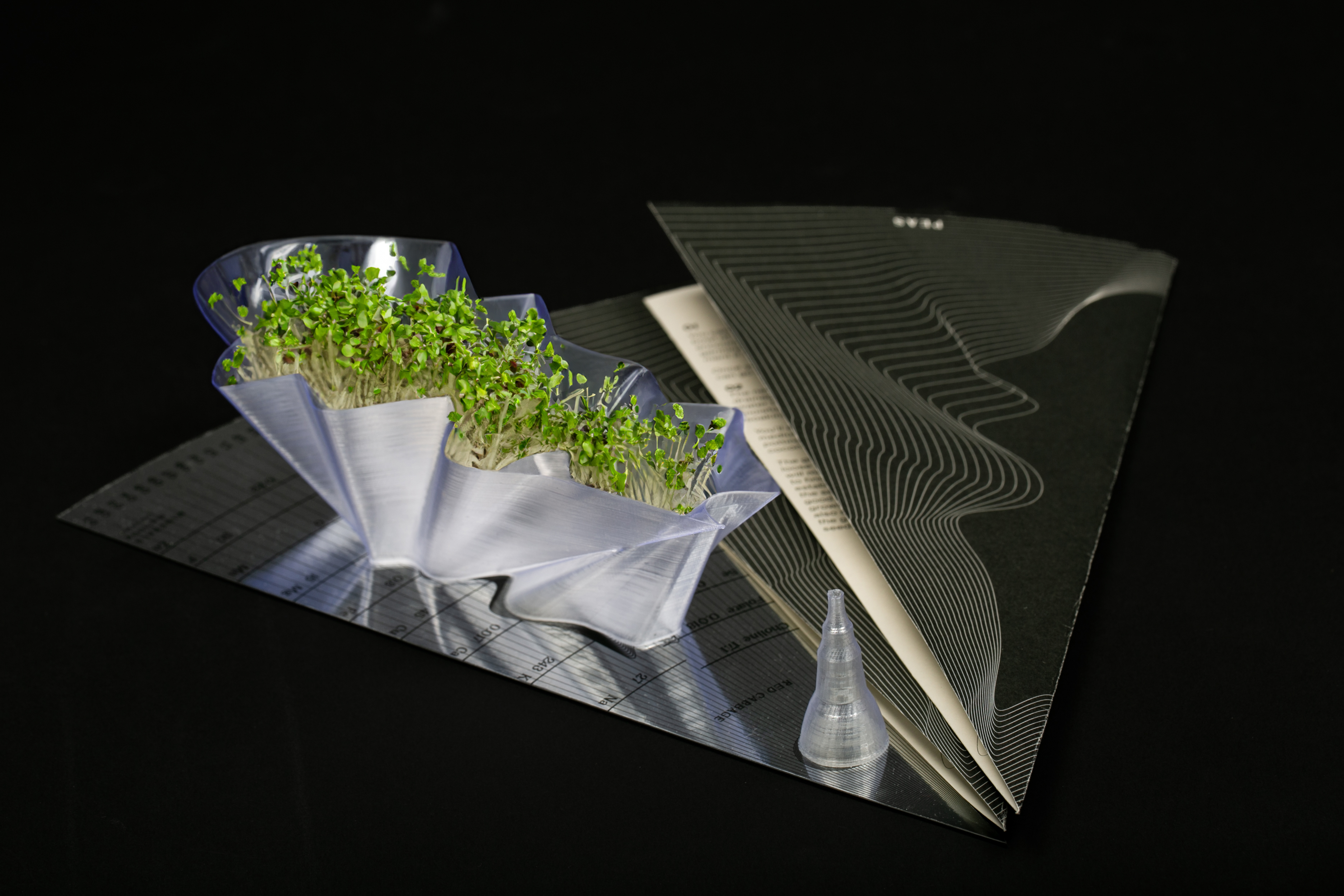
What if time could be planted? This calendar transforms the passing of months into a cycle of nurturing. Each microgreen offers vitamins, minerals, and a ritual—a way of marking time not by counting days, but by tending life.
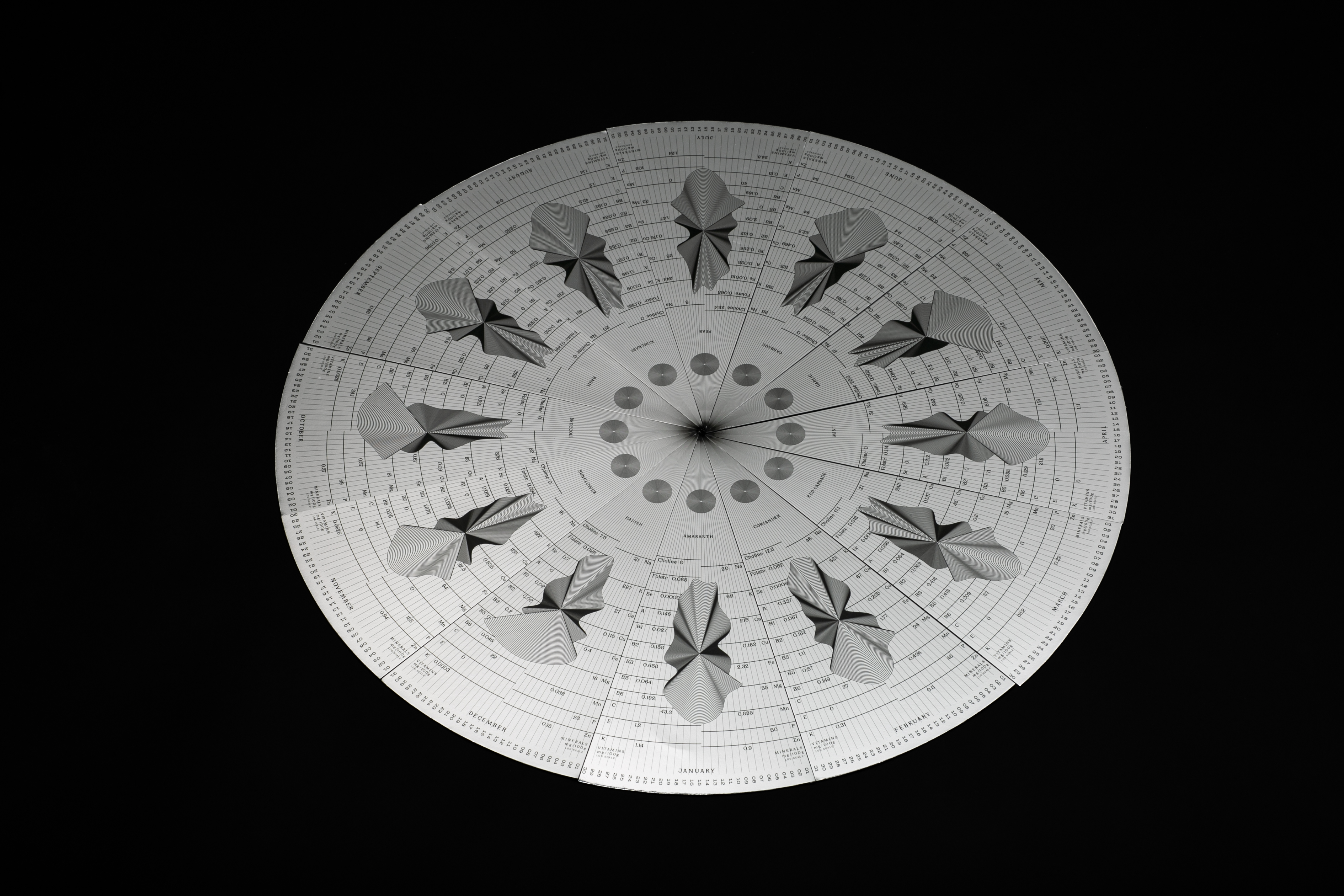

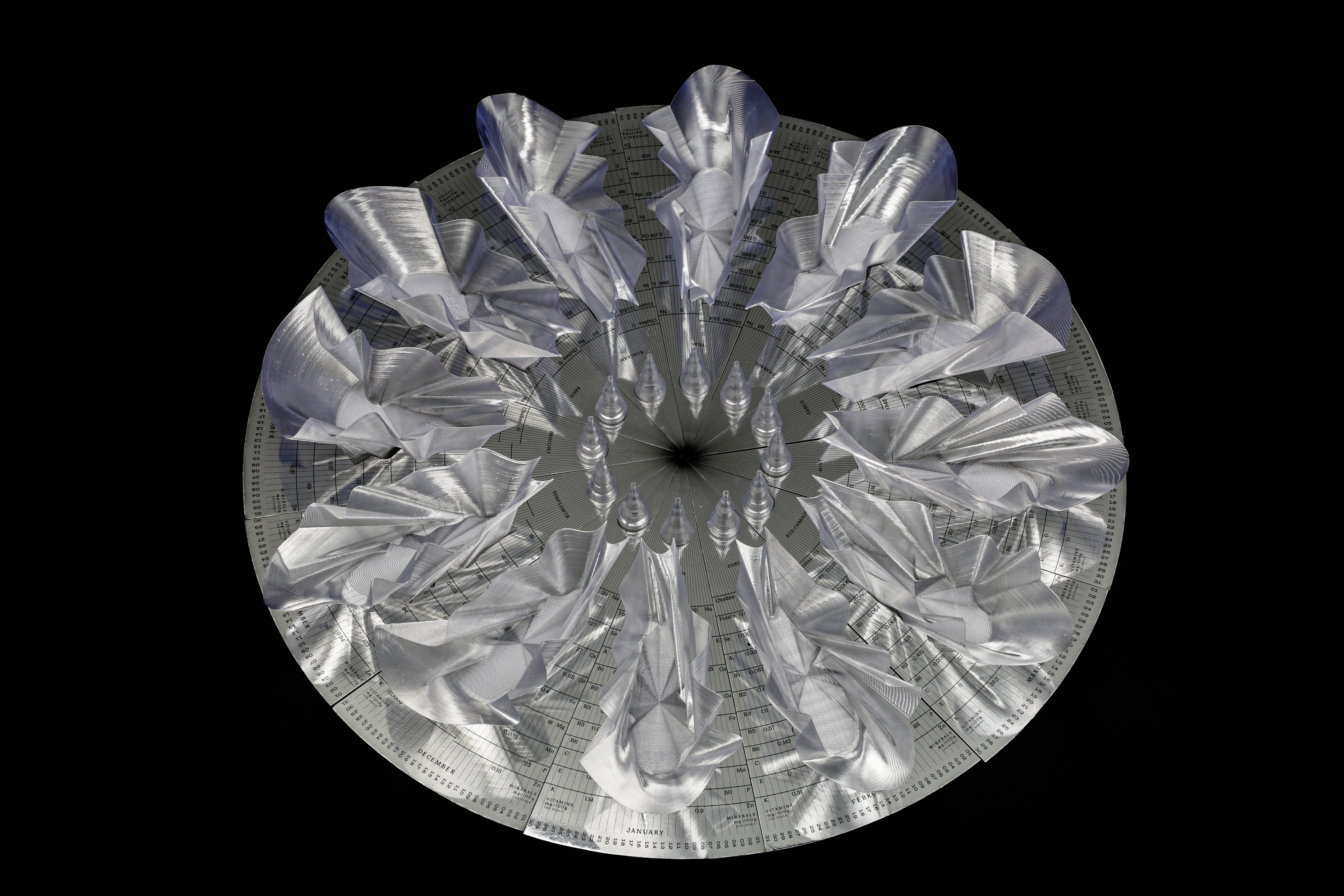
More than a calendar, this is a tool for connection. Users grow their own mini garden, learning about plants, their properties, their needs. At year's end, the cycle repeats—a new year, a new garden, a new habit of attention.
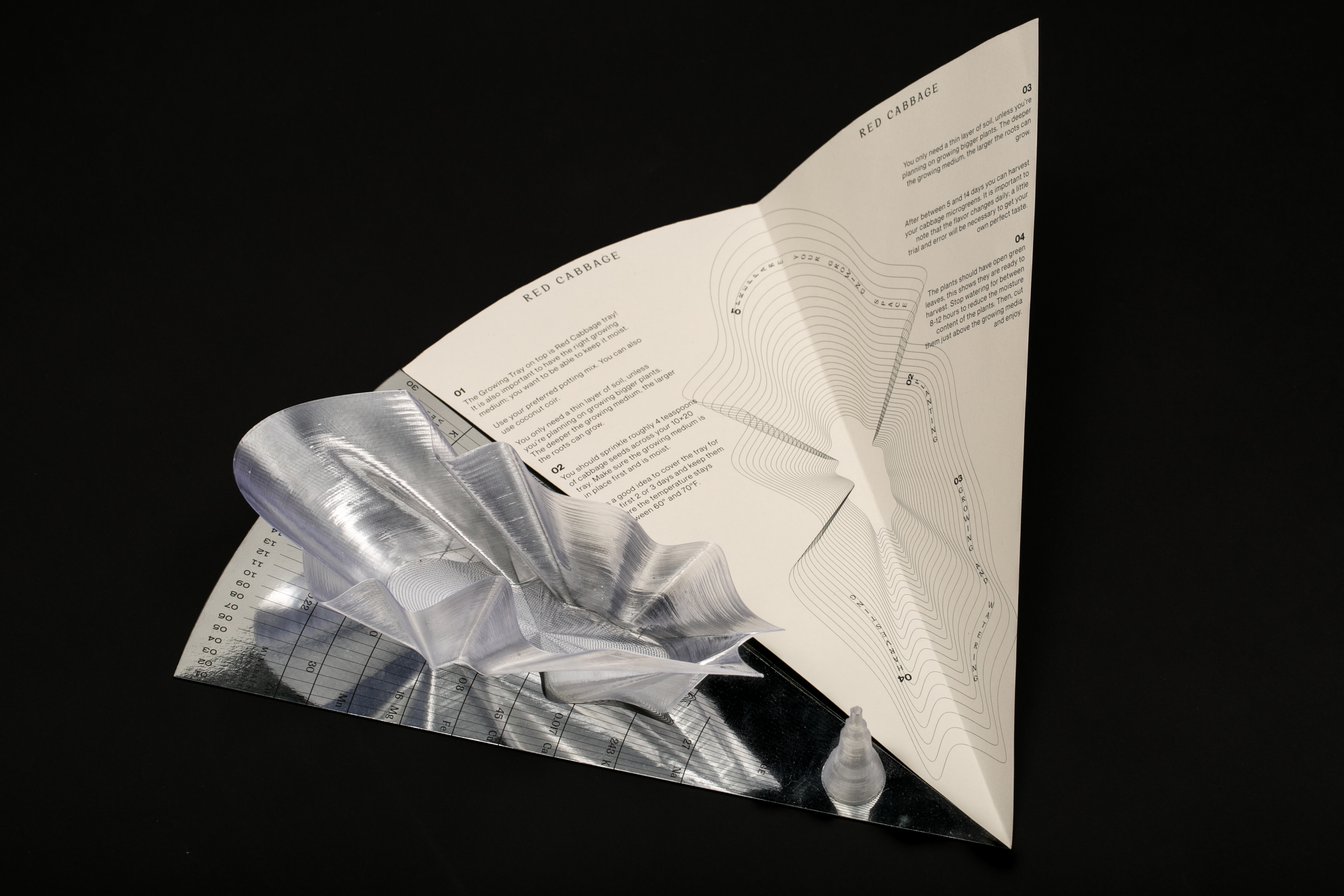
What is a calendar? For most of us, it is a grid of numbers, a sequence of days, a tool for marking appointments and remembering dates. But what if a calendar could be something else? What if it could grow? This is the question at the heart of Microgreens Calendar, a project by Strahinja Jovanović exhibited at the Academy of Fine Arts and Design.
The calendar is three-dimensional, tangible, alive. Each month is represented by a different microgreen—tiny, nutrient-dense plants that can be grown in a matter of weeks. The user receives a set of 3D printed vases, each one parametrically designed to fit the specific plant it will hold. The vases are made from bio-plastics, materials that echo the ecological sensibility of the project. The user plants the seeds, waters, tends, watches them grow. At the end of the month, they harvest—and begin again with a new plant, a new set of vitamins and minerals, a new lesson.
The project is a meditation on time, but not time as abstraction. This is time as cycle, as process, as the slow unfolding of life. The user does not simply mark the passing of days; they participate in it. They learn the properties of each microgreen, its nutritional profile, its growing conditions. They develop a relationship with the plants, with the rhythm of planting and tending, with the satisfaction of watching something grow from seed to harvest.
The form of the calendar is cyclical. At the end of the year, the user can reuse the whole design, planting the same microgreens again or choosing new ones. The cycle repeats, but it is not mechanical repetition; it is renewal. Each year offers a new garden, new learning, new attention. The calendar becomes a habit—not a chore, but a practice of care.
The vases themselves are objects of beauty. Each is unique, its form derived from the properties of the plant it holds. A plant that needs more drainage might have a different structure; a plant that grows tall might have a taller vase. The parametric design allows for infinite variation, celebrating the diversity of the plants rather than imposing a uniform container. The vases are 3D printed from bio-plastics, materials that will degrade, that come from renewable sources, that align with the project's commitment to sustainability.
For Strahinja, the project was an exploration of how design can reshape our relationship to time. We measure our lives through days that pass and numbers that repeat, but this measurement can feel empty, disconnected. Microgreens Calendar offers an alternative: time as growth, as learning, as the slow accumulation of care. The calendar does not just tell us what day it is; it gives us something to do with that day, something to nurture, something to anticipate.
The project was exhibited at the Academy of Fine Arts and Design, where it was recognized for its potential to transform how we understand what a calendar can be. It is a design that asks us to slow down, to attend, to learn from the plants we grow. It is a calendar that grows with us, that teaches us, that reminds us that time is not only measured but lived.
In the end, Microgreens Calendar is about connection: to nature, to the cycles of growth, to the passage of time as something to be nurtured rather than merely marked. It is a garden in twelve months, a habit of attention, a new way of counting days.

.gif)