Orthoments is a modular visual system inspired by Celtic and orthodox ornaments. Type it on a keyboard to generate letters, illustrations, or abstract graphics. Four families—positive and negative—combine to create infinite variations.
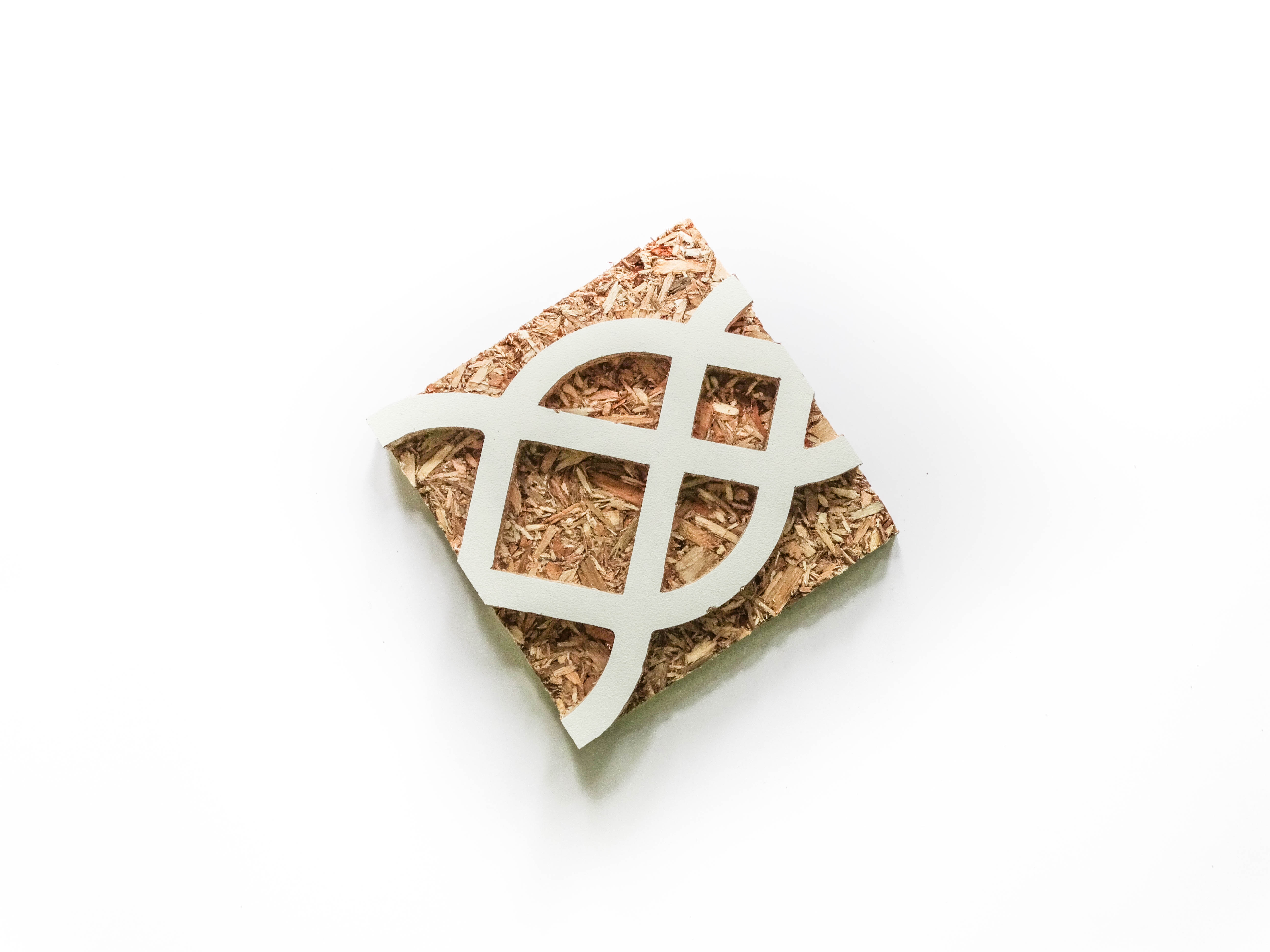

What if you could type ornament? Orthoments transforms a keyboard into a tool for generating modular forms. Inspired by historical ornament, the system offers four families that can be layered, combined, and explored.

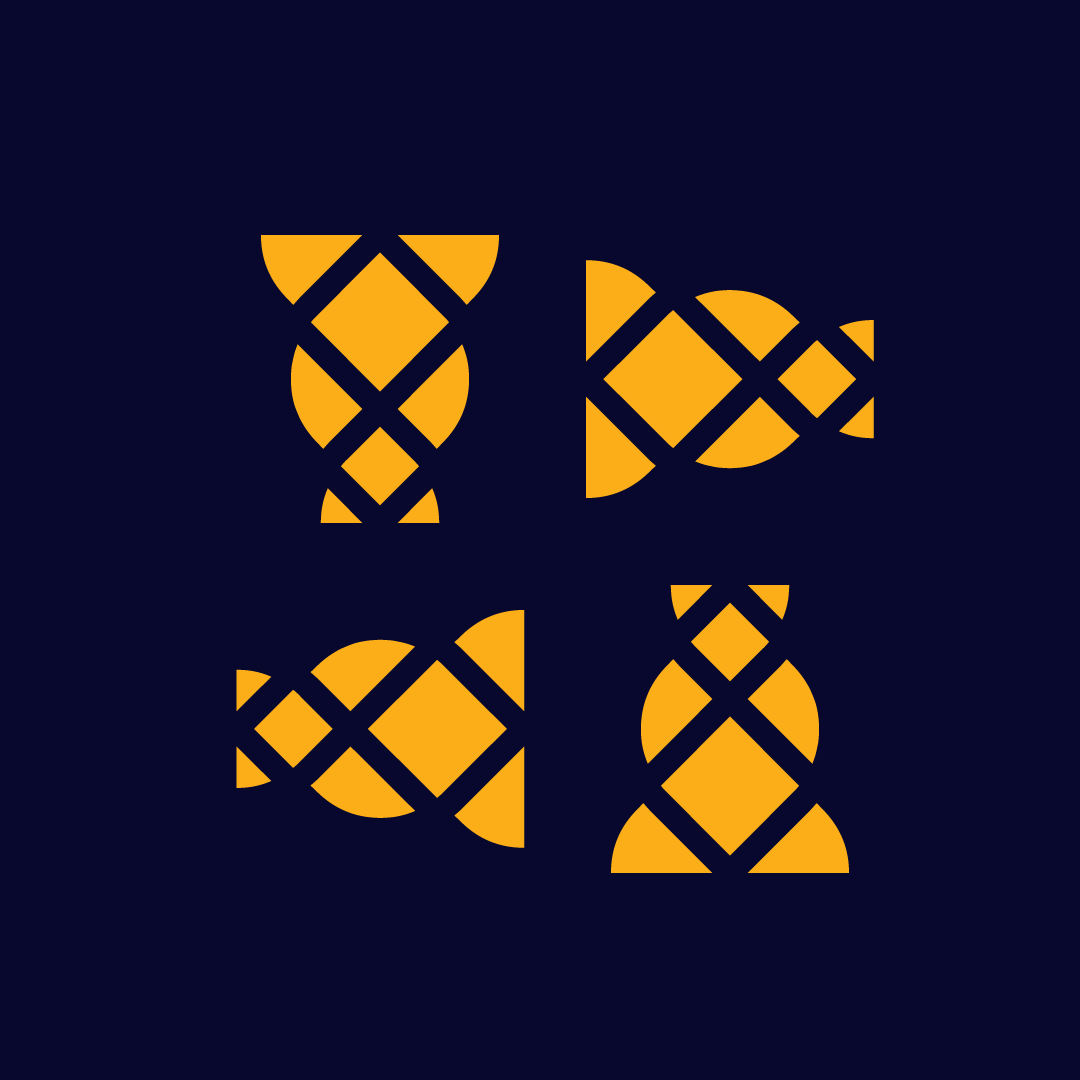










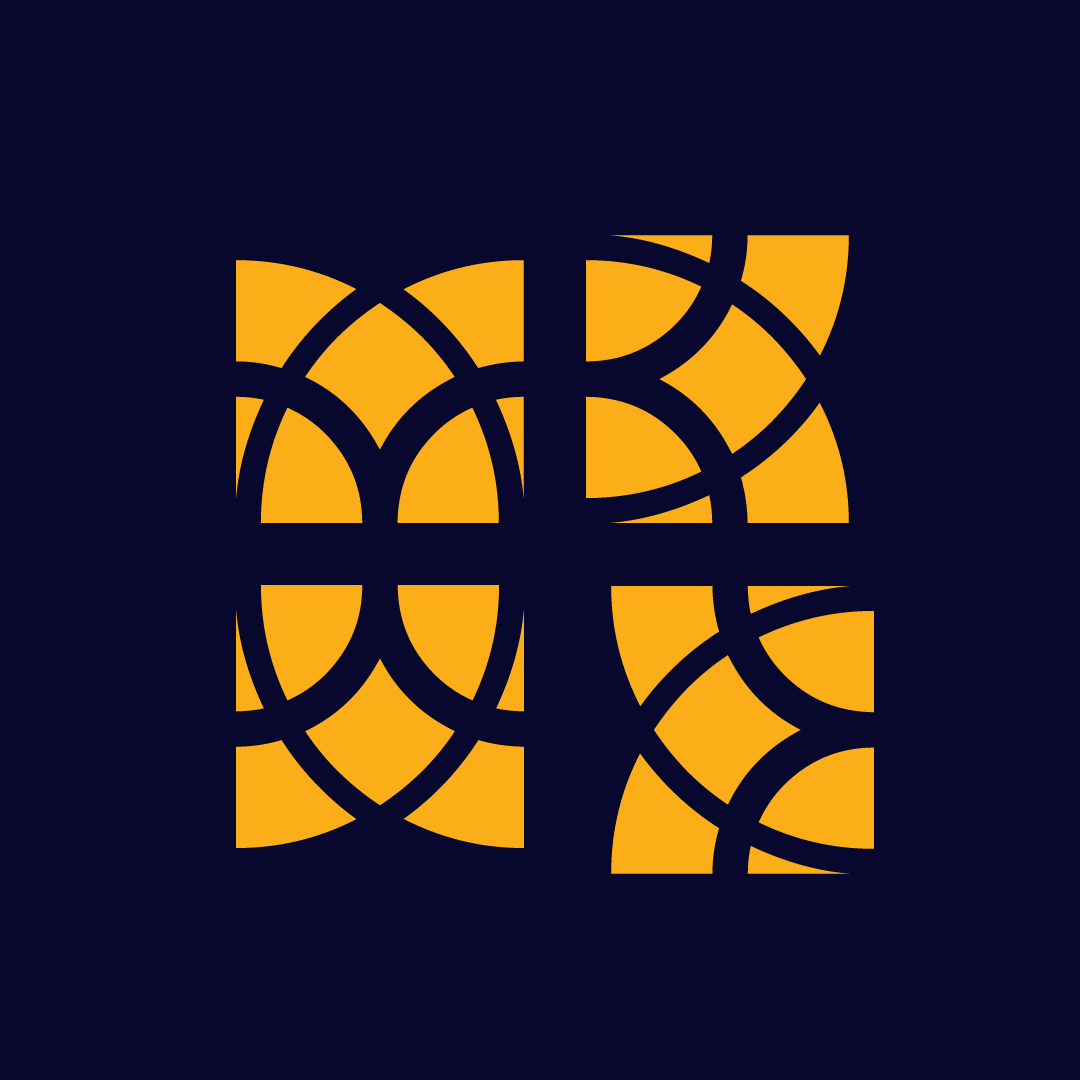


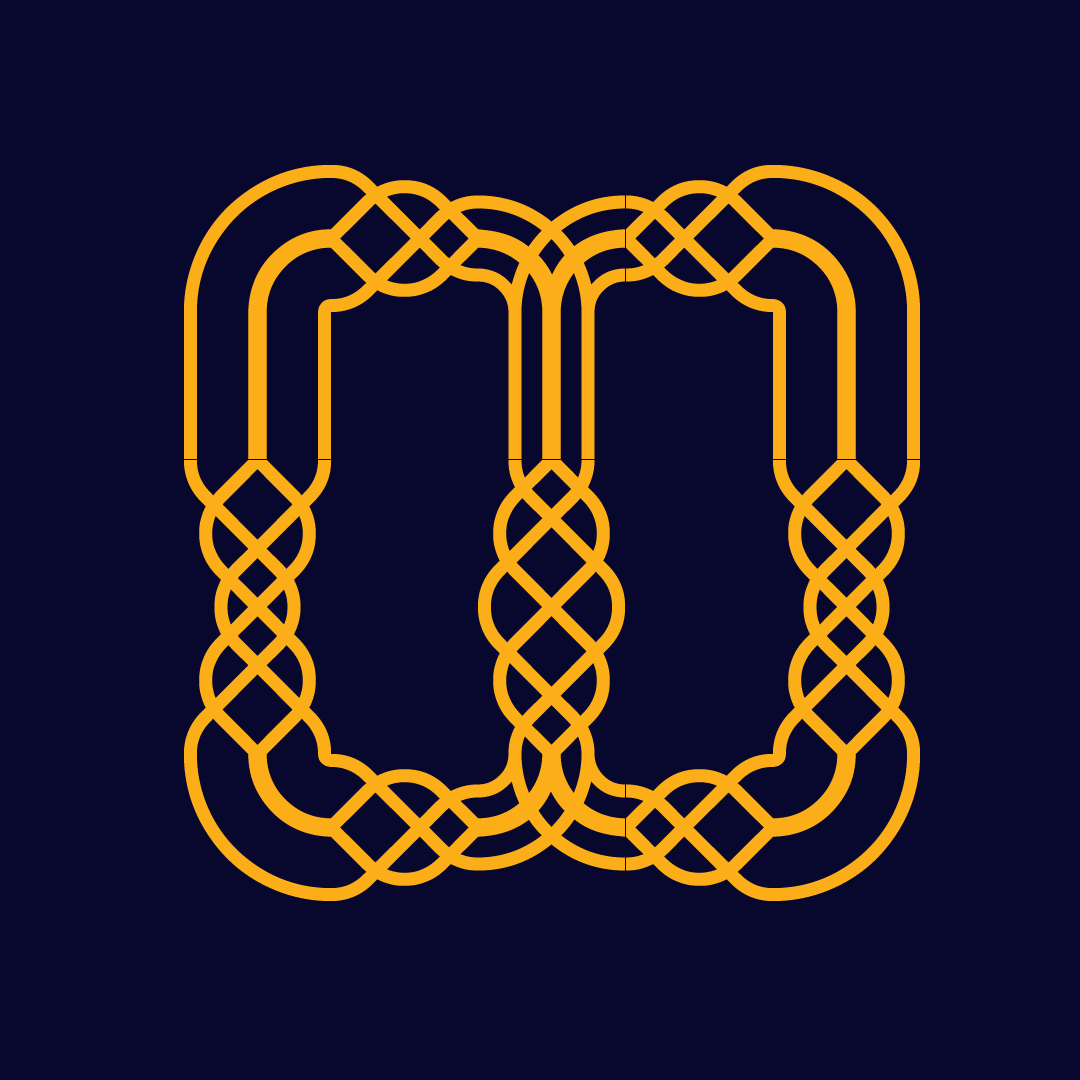
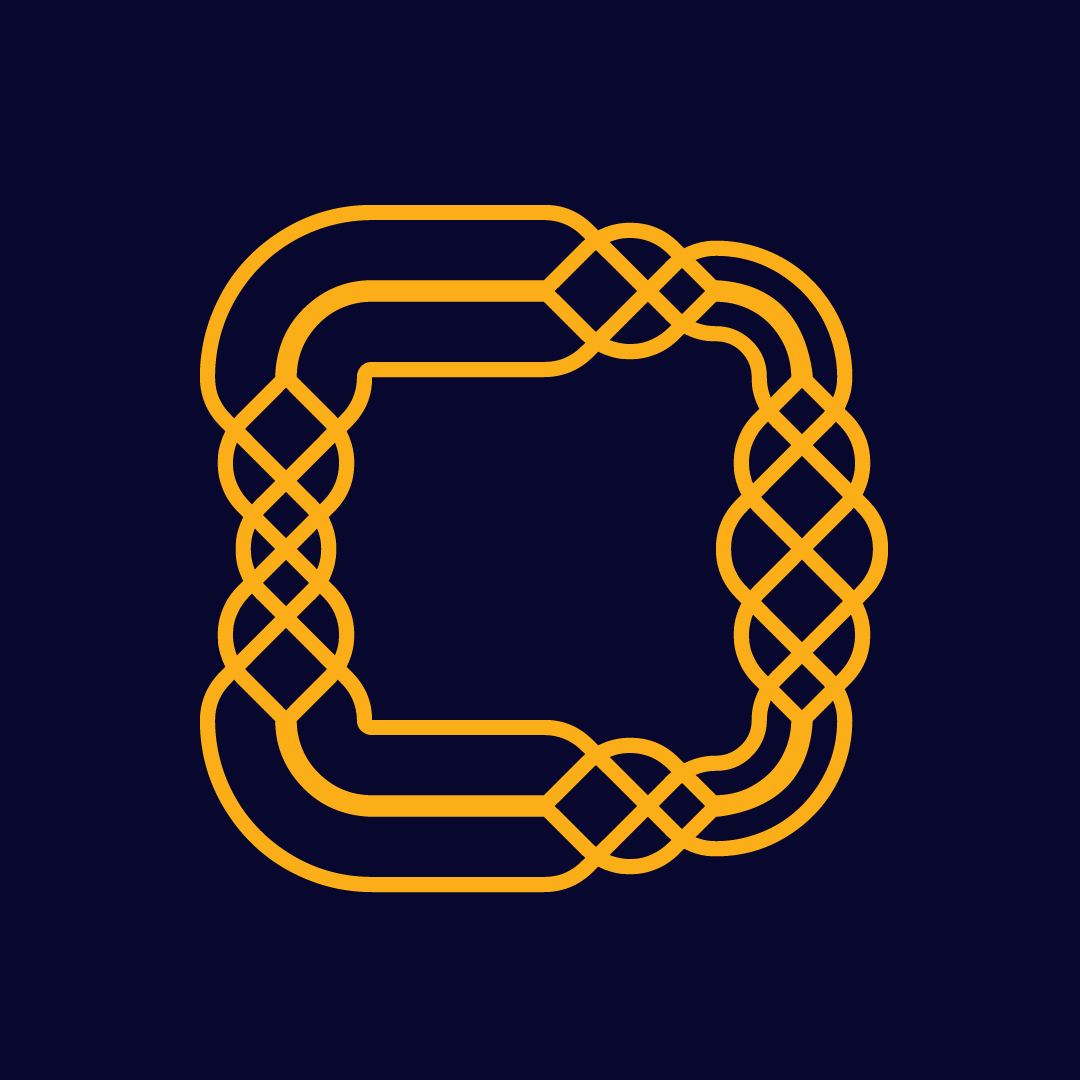


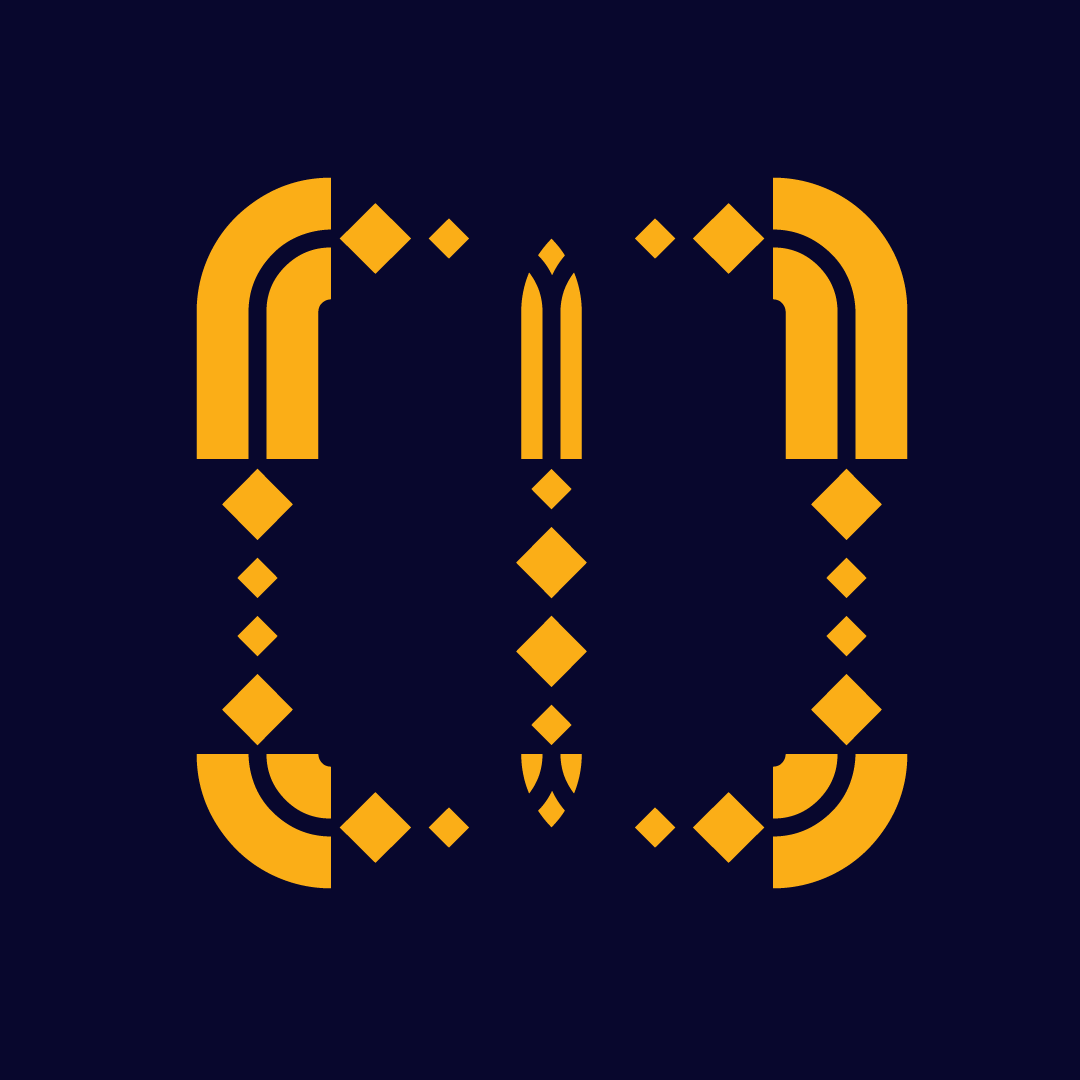

Drawing on Celtic and orthodox ornamental traditions, Orthoments translates historical forms into a contemporary modular system. The result is a font that is also a design tool—a way to generate letters, patterns, and graphics with a few keystrokes.


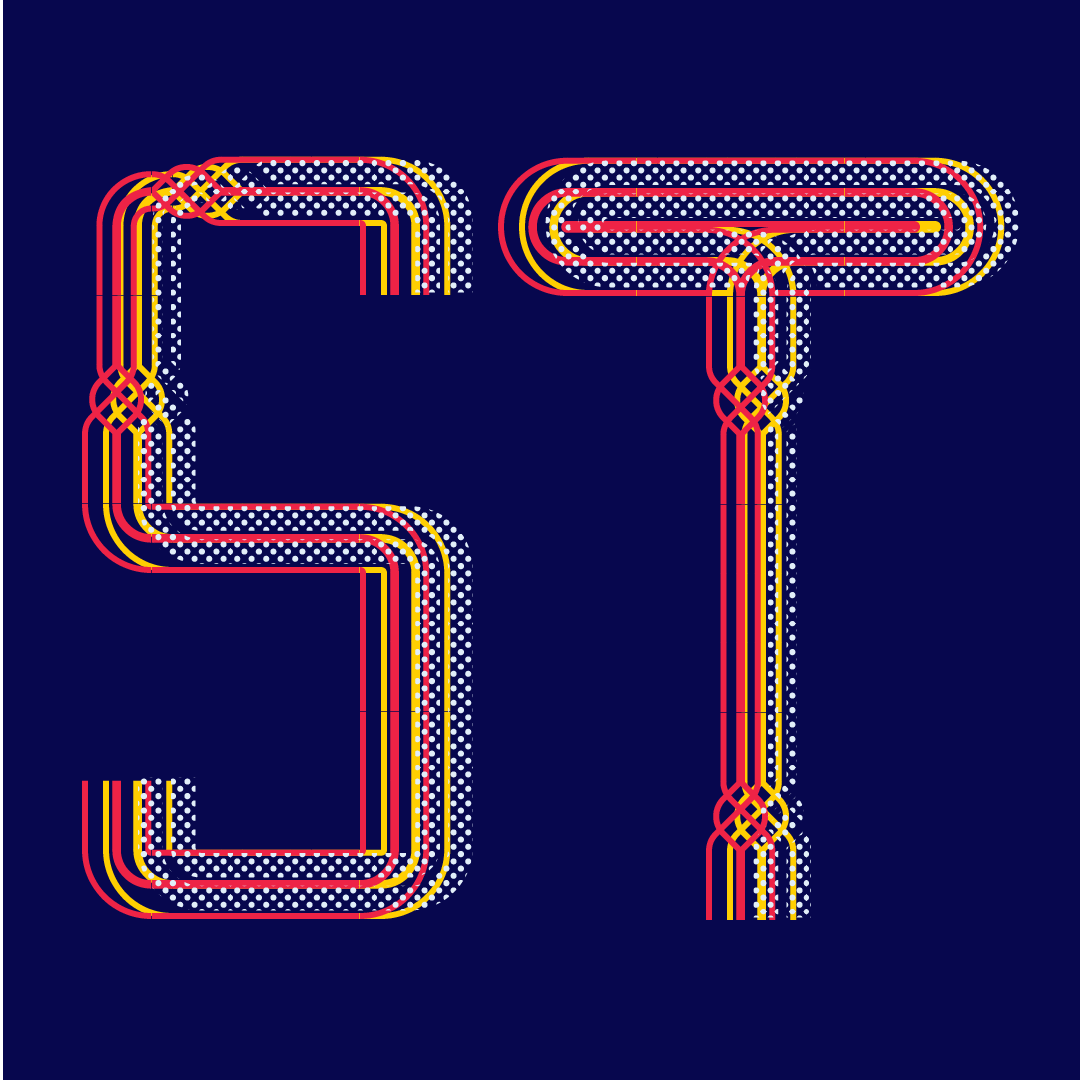


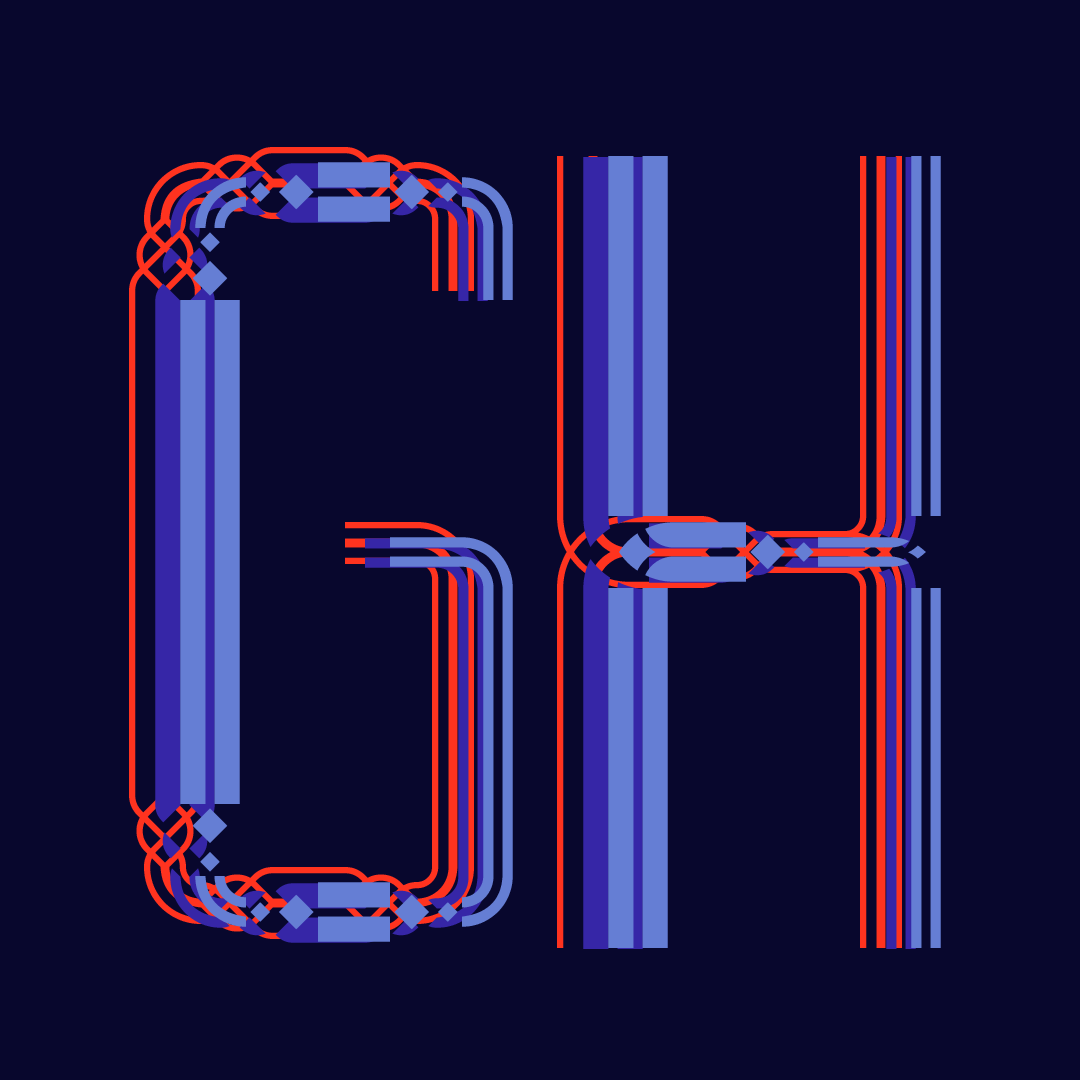

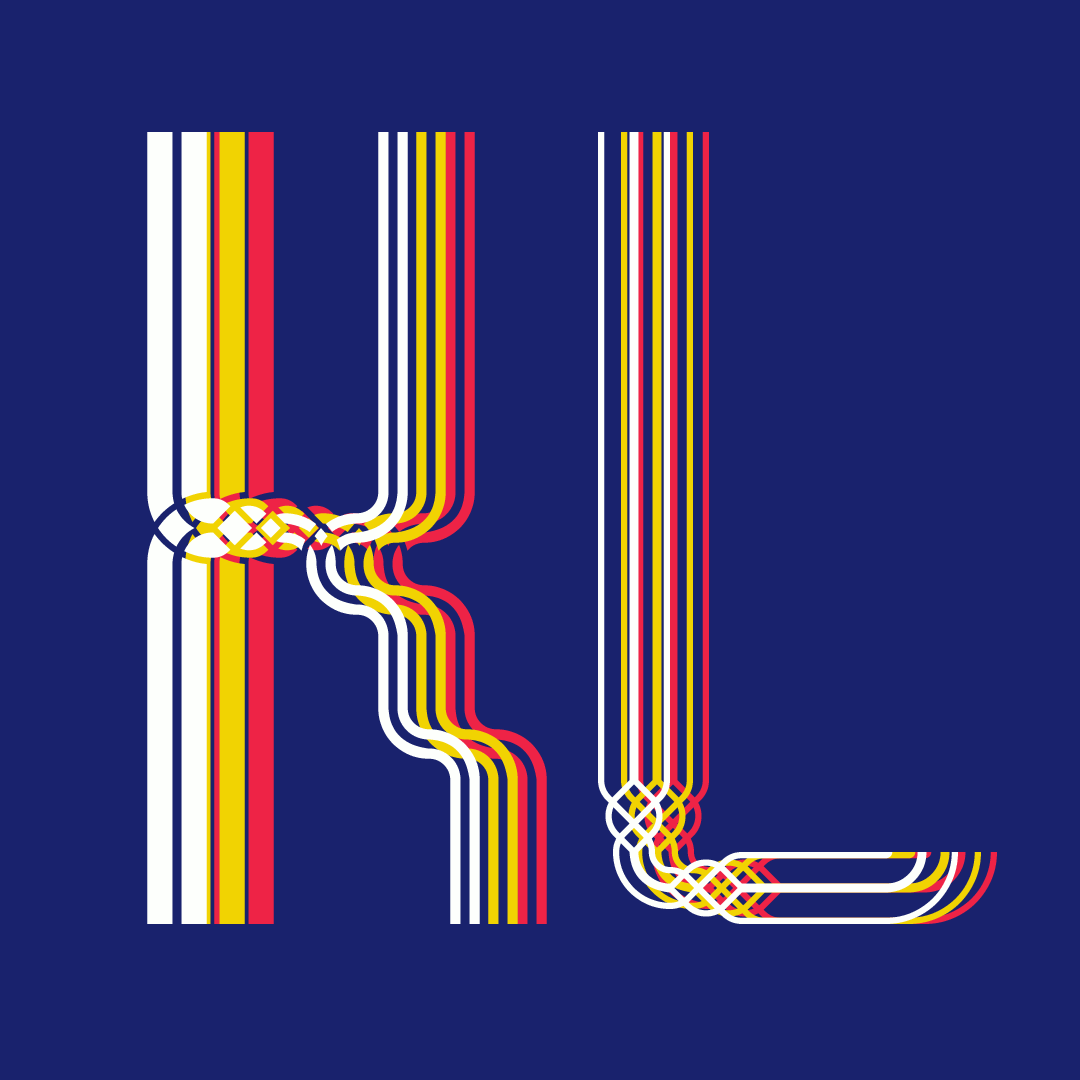
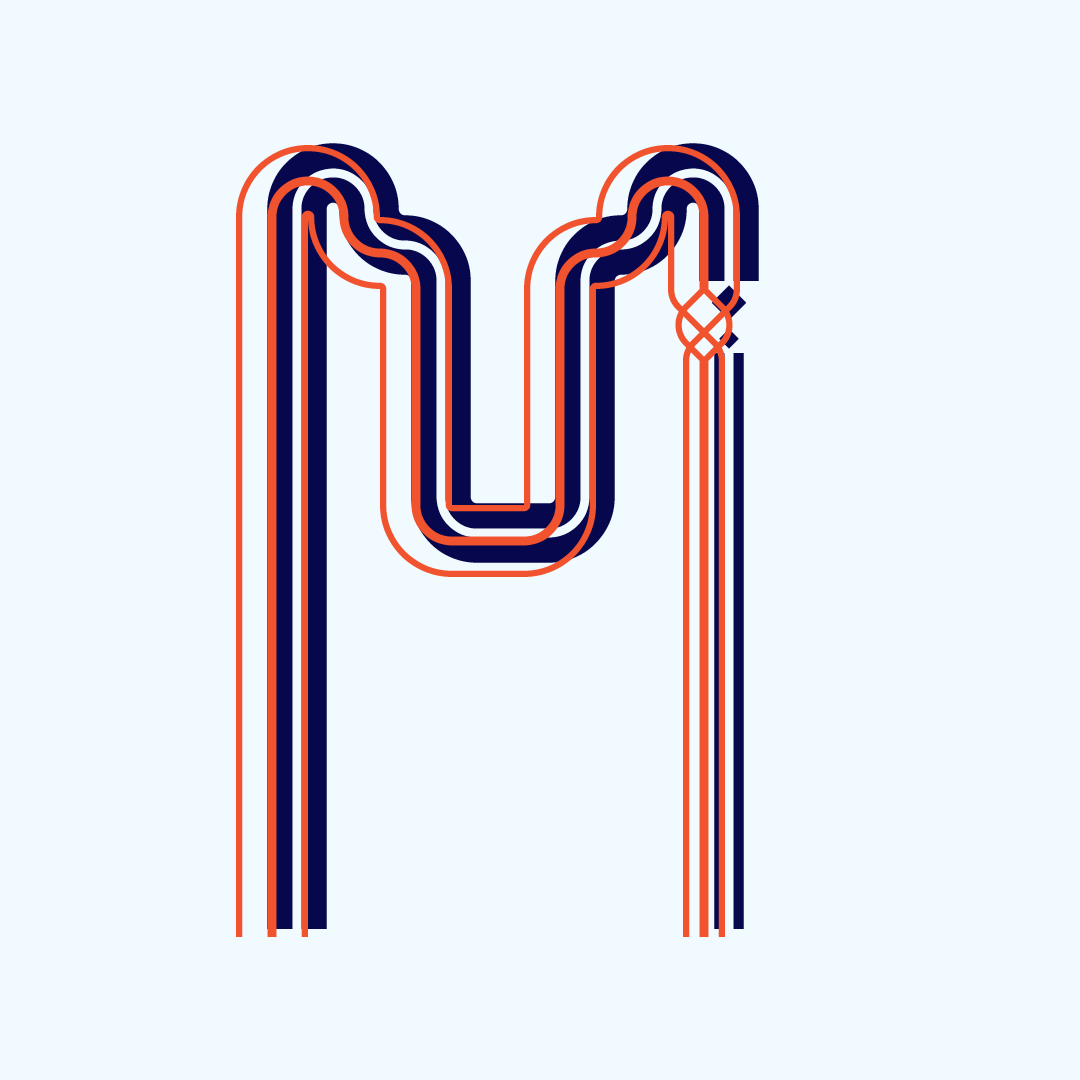

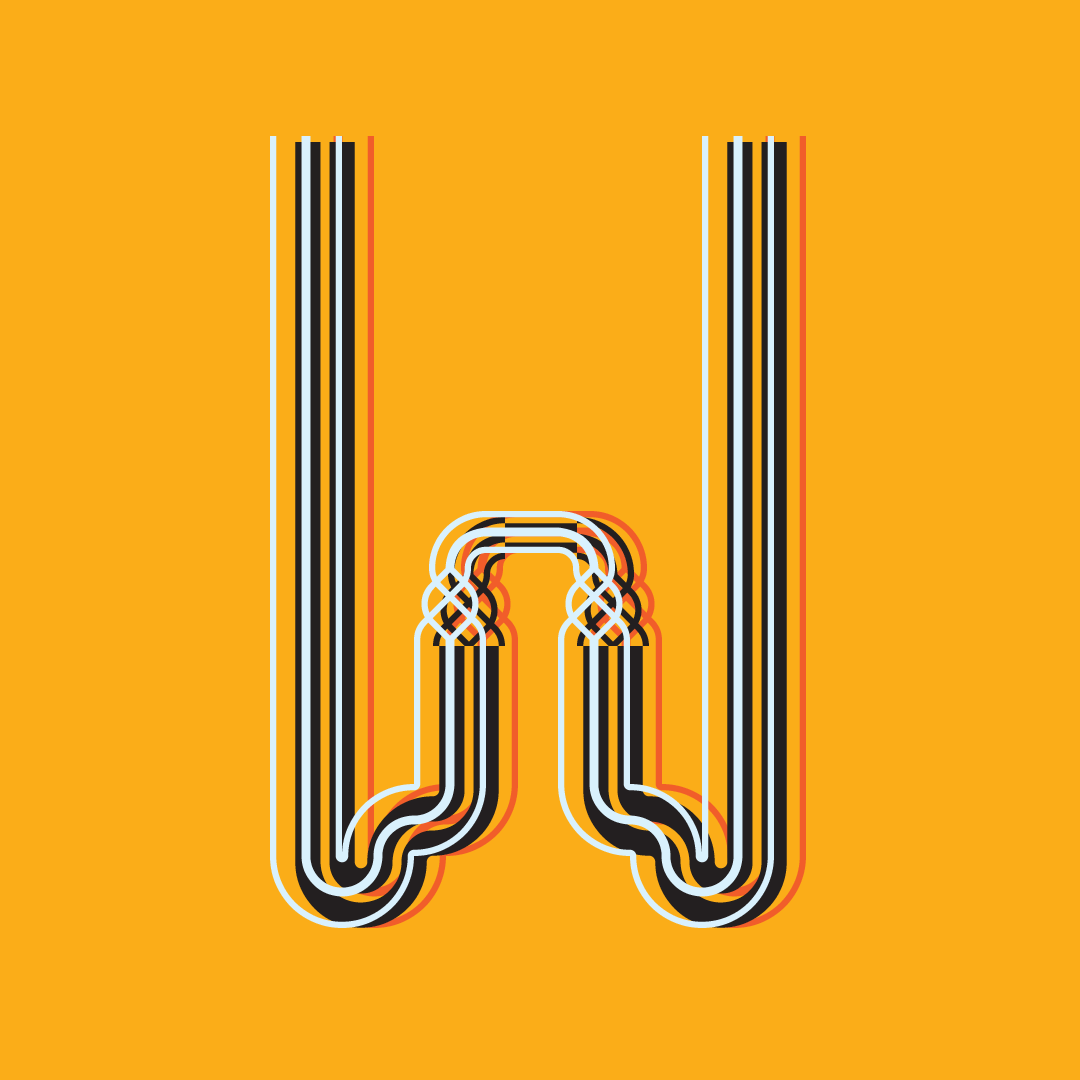


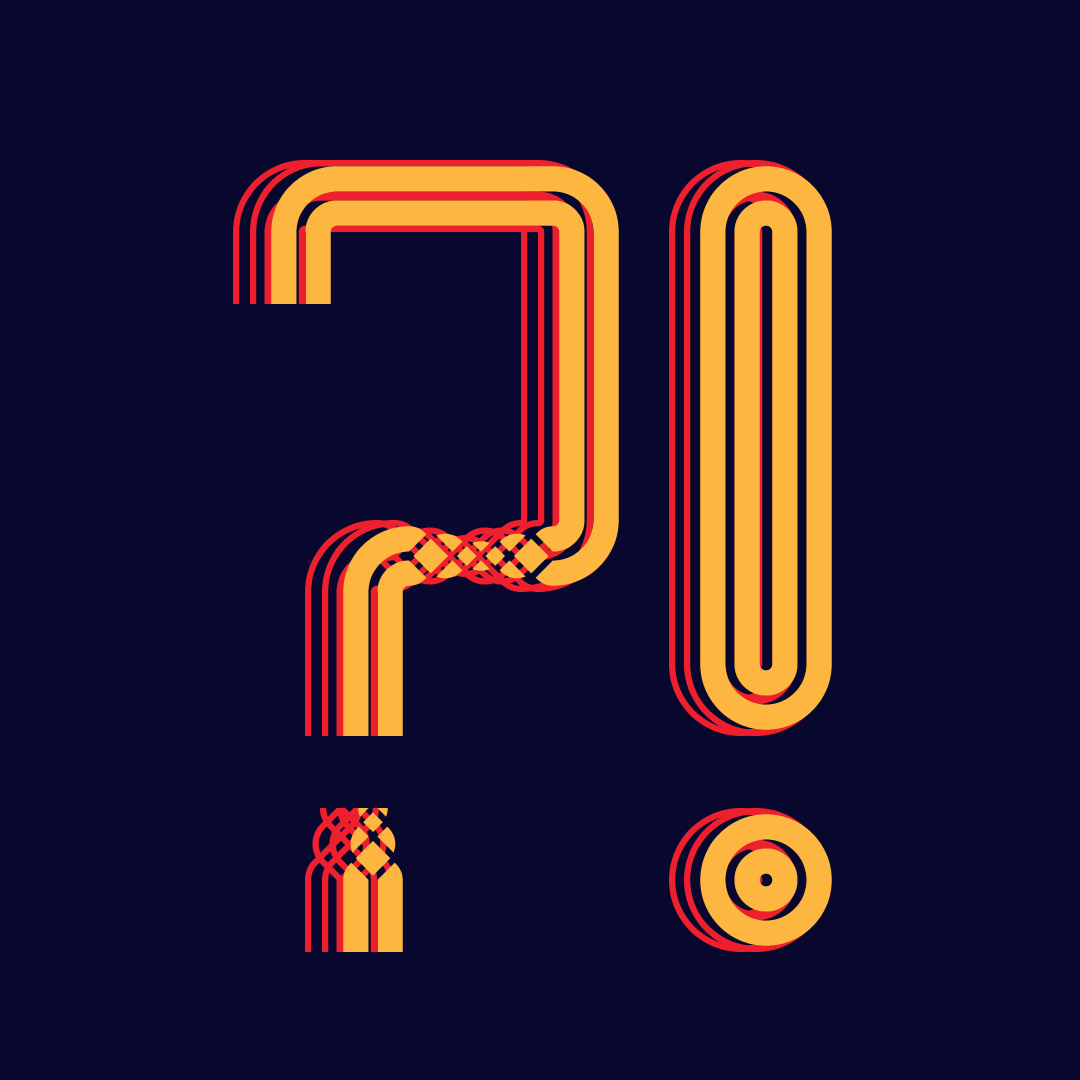

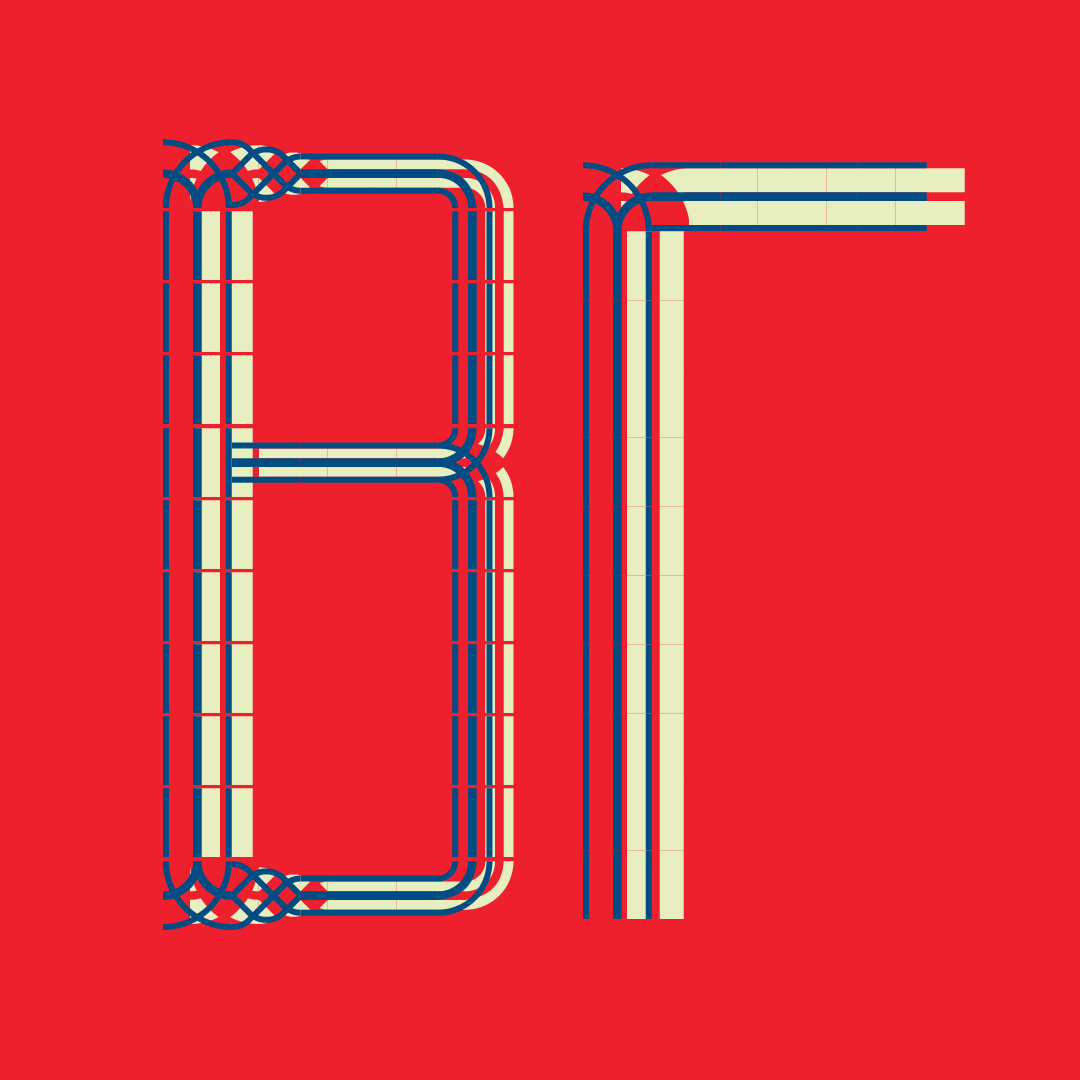


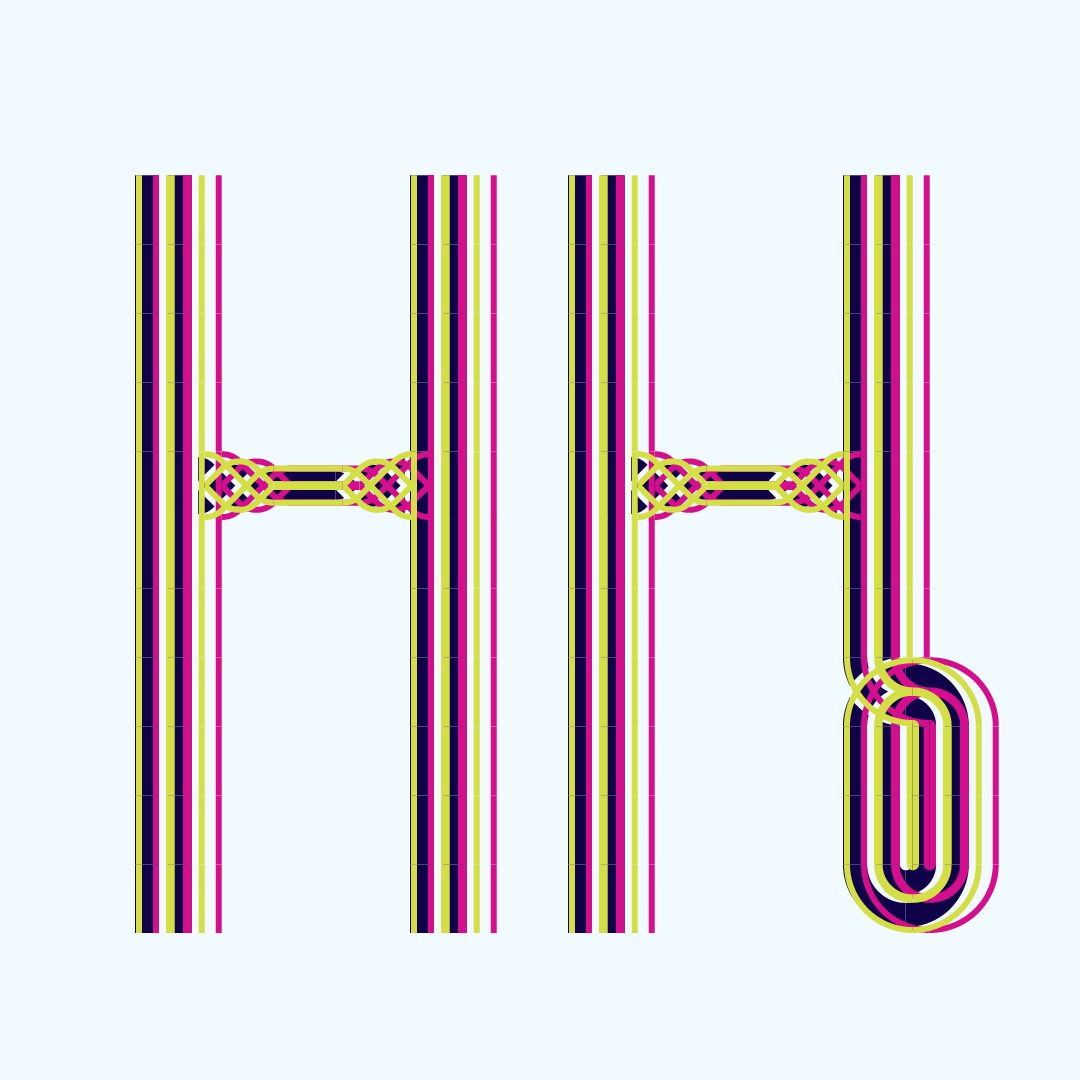

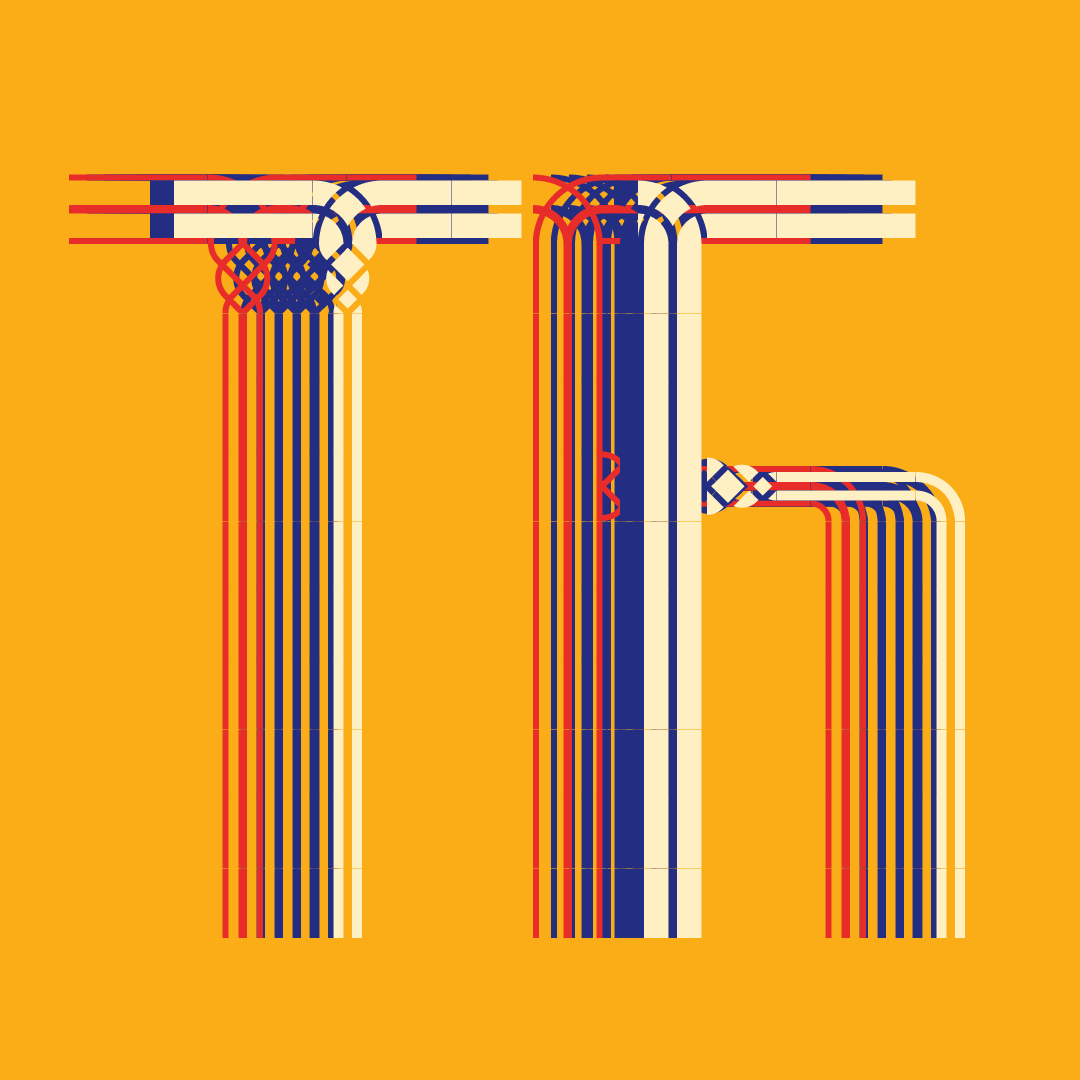
In 2020, Strahinja Jovanović and his collaborator Pavle Komatina undertook a project in the Typography class at the Academy of Fine Arts and Design, taught by Domen Fras and Marko Dripić as part of Tiporenesansa. The assignment was to explore modular systems. The question they asked was how historical ornament might be translated into a contemporary, keyboard-driven design tool.
The result was Orthoments. The project draws on two rich ornamental traditions: Celtic and orthodox. Celtic ornament is known for its intricate interlacing, its knotwork spiraling into infinity. Orthodox ornament, with its geometric precision and sacred symbolism, offers a different kind of structure. Together, they provide a vocabulary of forms that can be combined, repeated, and transformed.
But Orthoments is not merely an homage to historical ornament. It is a working modular system, designed to be used. The system is built around four families, each with positive and negative versions. These families can be typed on a keyboard, each key corresponding to a modular element. Press a key, and the element appears. Press another, and it connects. The result is a generative process: letters, illustrations, abstract graphics emerge from the combination of modules.
The modularity of Orthoments is its central feature. Like a set of building blocks, the system allows for infinite variation. The same modules that form a letter can form an illustration; the same elements that create a pattern can be rearranged into a new one. The positive and negative versions add another layer of possibility, allowing for inversion, contrast, and depth. The user is not a passive consumer but an active composer, building forms from the ground up.
The project is also a meditation on the relationship between historical ornament and contemporary design. Ornament has had a complicated history in modern design. Modernism dismissed it as decoration, as excess, as a relic of a pre-industrial past. Postmodernism revived it but often as quotation, irony, surface. Orthoments offers a different path: ornament as system, ornament as generative tool, ornament as something to be built, not merely applied.
For Strahinja and Pavle, the project was an opportunity to work across disciplines—typography, illustration, graphic design, and computation. The modular system had to be designed visually but also functionally, its keyboard mapping intuitive, its output predictable enough to be useful but open enough to allow discovery. The process involved testing, iteration, and a willingness to let the system guide the design as much as the other way around.
Orthoments was presented as part of Tiporenesansa, a typography event that celebrates the intersection of tradition and innovation. The project was recognized for its ambition: to take two ancient ornamental traditions and translate them into a keyboard-driven system, to make ornament something you can type, to give designers a tool for generating form.
In the years since, Orthoments has continued to evolve. The modular system has been used for posters, illustrations, and experimental typography. It remains a living project, a reminder that ornament is not dead—it is waiting to be typed.