Inspired by Monument Valley, Castle translates emotions into architecture. Connection, perception, glitch, life, transportation—each becomes an isometric structure, a space to explore feeling through form.
.gif)
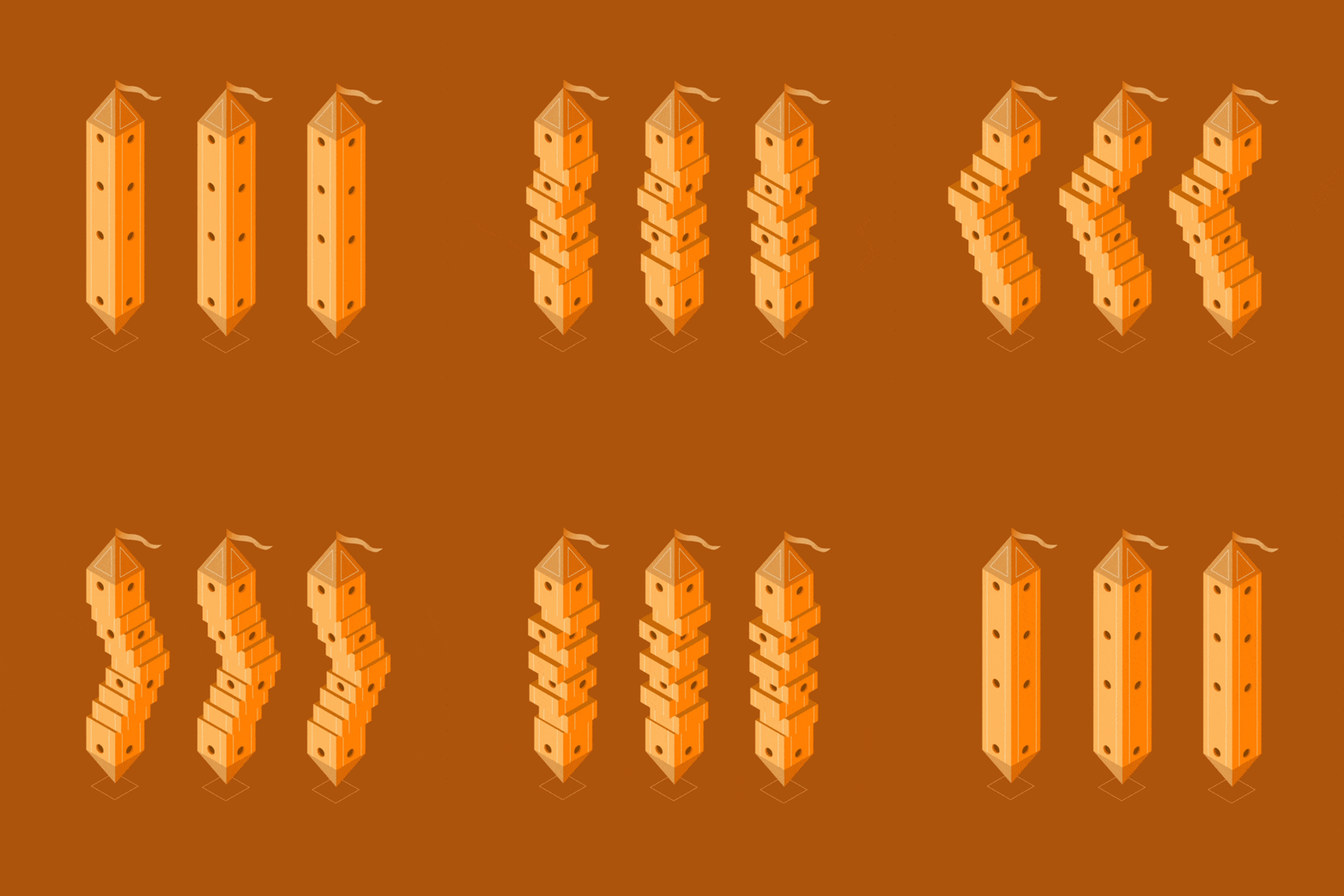
What does connection look like? Perception? A glitch? This series of isometric illustrations imagines emotions as castles—structures we can enter, explore, inhabit. Each one a meditation on feeling rendered in perspective.


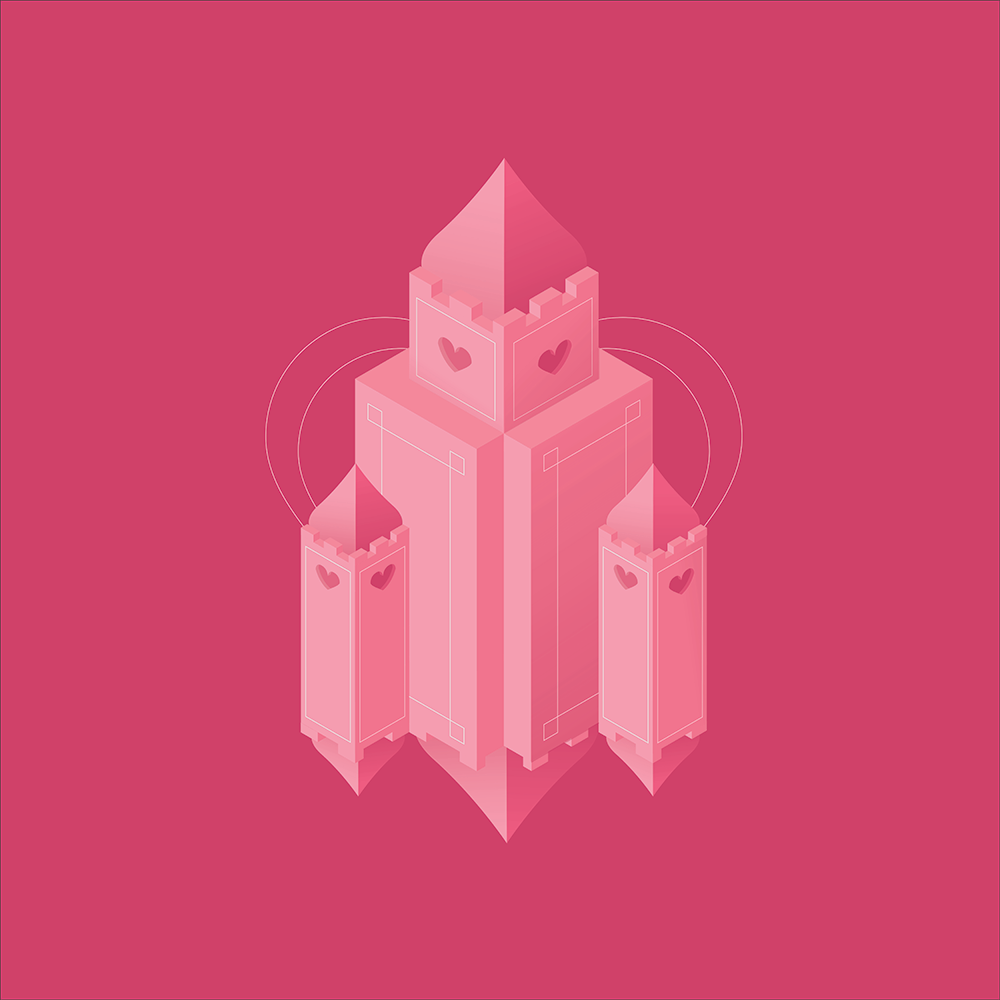
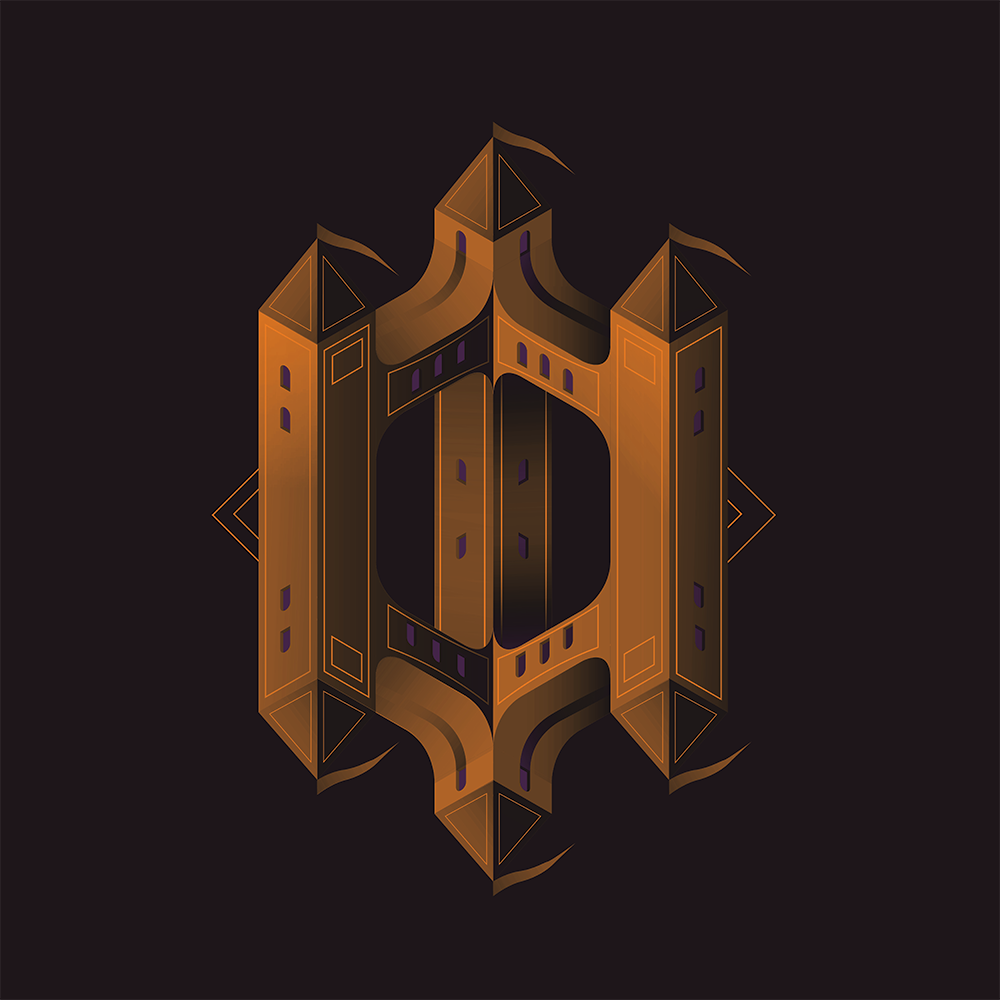
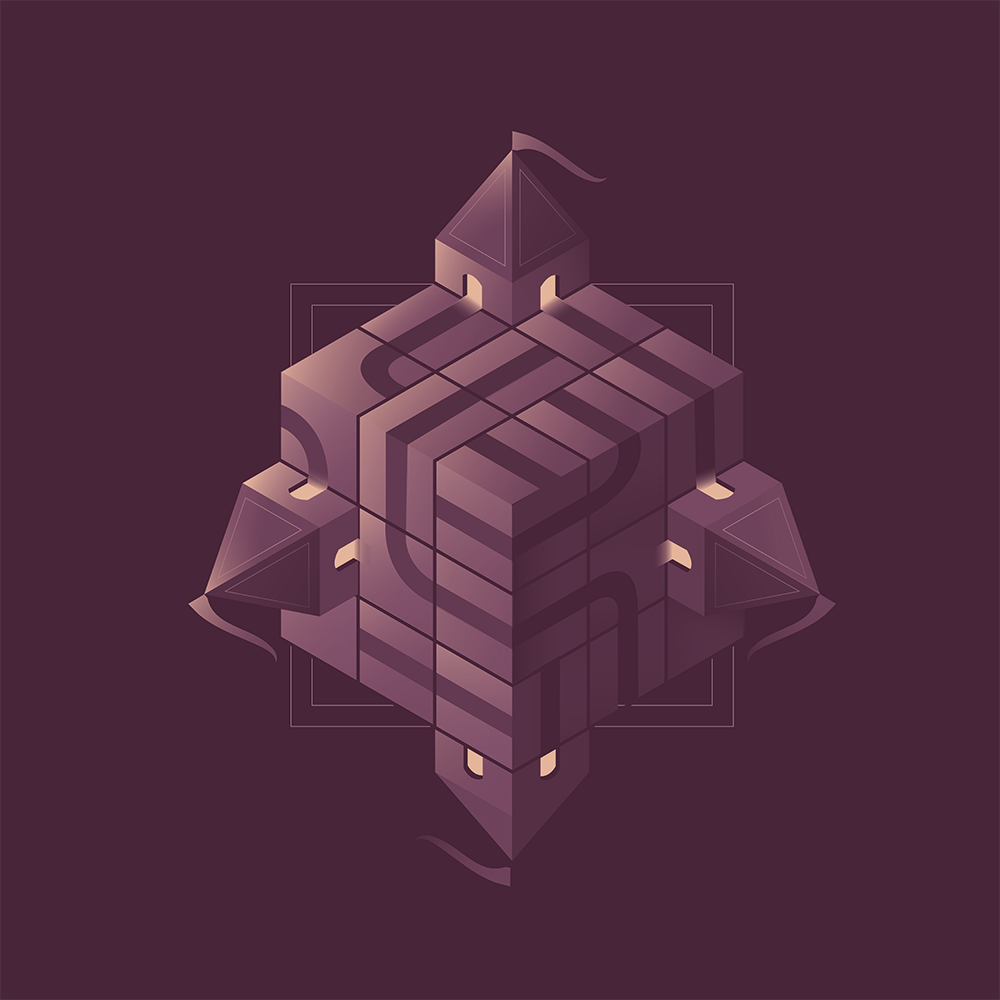
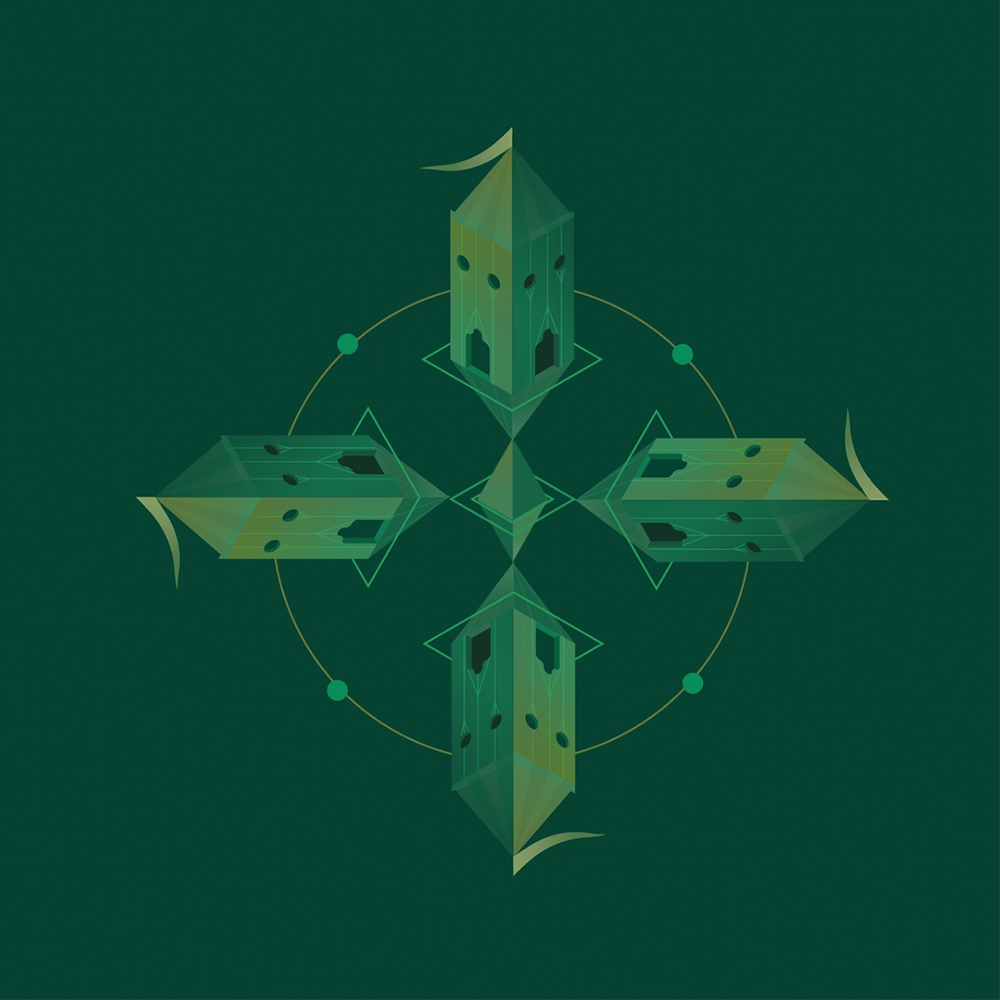
Drawing on the visual language of isometric games, Castle builds worlds out of emotion. The result is a series of intricate, impossible structures—castles that exist not in space but in perception.
n 2017, Strahinja Jovanović created a series of isometric illustrations inspired by the game Monument Valley. The game, known for its impossible architecture, its dreamlike perspectives, its quiet meditative quality, offered a visual language that Strahinja adapted for a different purpose: exploring emotion, perception, and interaction.
The result is a series of castles, each named for a concept: Connection, Perception, Glitch, Life, Transportation. These are not castles in the traditional sense—not fortresses, not homes, not monuments to power. They are architectures of feeling, structures designed to embody the qualities their names suggest. A castle called Connection might be built from bridges, pathways that meet and diverge. Perception might be a labyrinth of shifting perspectives, walls that reveal and conceal. Glitch might be fragmented, fractured, its forms broken and reassembled.
The isometric perspective is central to the project. Unlike linear perspective, which orients the viewer to a single vanishing point, isometric drawing creates a sense of weightlessness, of floating. There is no horizon, no up or down, only a field of forms arranged on a grid. This quality—the suspension of gravity, the openness to rearrangement—makes isometric space ideal for exploring concepts that resist fixed definition. Emotion is not linear. Perception shifts. Connection is never simple.
The influence of Monument Valley is evident not only in the perspective but in the mood. The game is quiet, contemplative, its puzzles unfolding in silence. The castles in Strahinja's series share this quality. They are not to be conquered but to be entered, to be explored, to be lived in for a moment. Each one offers a space for contemplation—a structure that invites the viewer to consider what connection feels like, what perception requires, what it means to experience a glitch.
The series also engages with the history of architectural representation. Isometric drawing has roots in architectural design, in technical illustration, in the attempt to represent space with precision. Strahinja's castles borrow this precision but turn it to poetic ends. The structures are technically rendered but conceptually open. They are blueprints for feelings, maps of inner space.
The variety of castles—Connection, Perception, Glitch, Life, Transportation—suggests a taxonomy of experience. Each is a probe, an inquiry into a different mode of being. Connection asks how we relate; Perception asks how we see; Glitch asks what happens when systems break; Life asks about growth, emergence, duration; Transportation asks about movement, transition, passage. Together, they form a kind of atlas of the interior world.
For Strahinja, the project was an exploration of how visual language can carry conceptual weight. The castles are beautiful in their intricacy, their careful geometry, their dreamlike precision. But they are also arguments: about what emotion is, how it can be rendered, what architecture can express.
The series remains a marker of a particular moment in Strahinja's practice, when the influence of games, of digital aesthetics, of meditative exploration began to merge with his interest in systems, in structure, in the translation of concept into form. Castle is a project about building worlds—and about what those worlds can teach us about the ones we already inhabit.