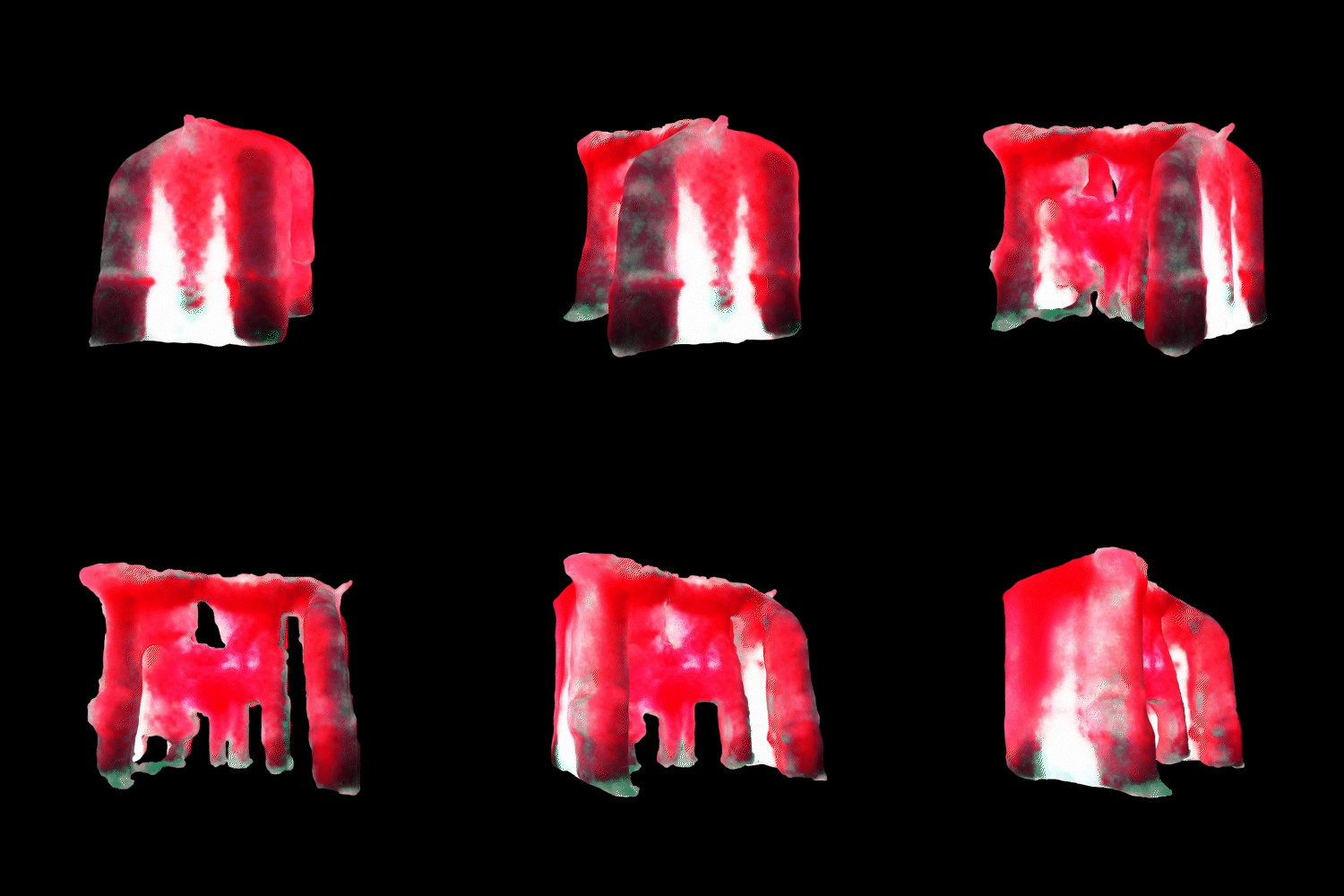
The Mooresque NFT collection brings modular ornament into 3D space. Type characters constructed from Alfa, Exo, and ExoAlf elements become digital sculptures, inhabiting virtual environments where form, light, and texture converge.
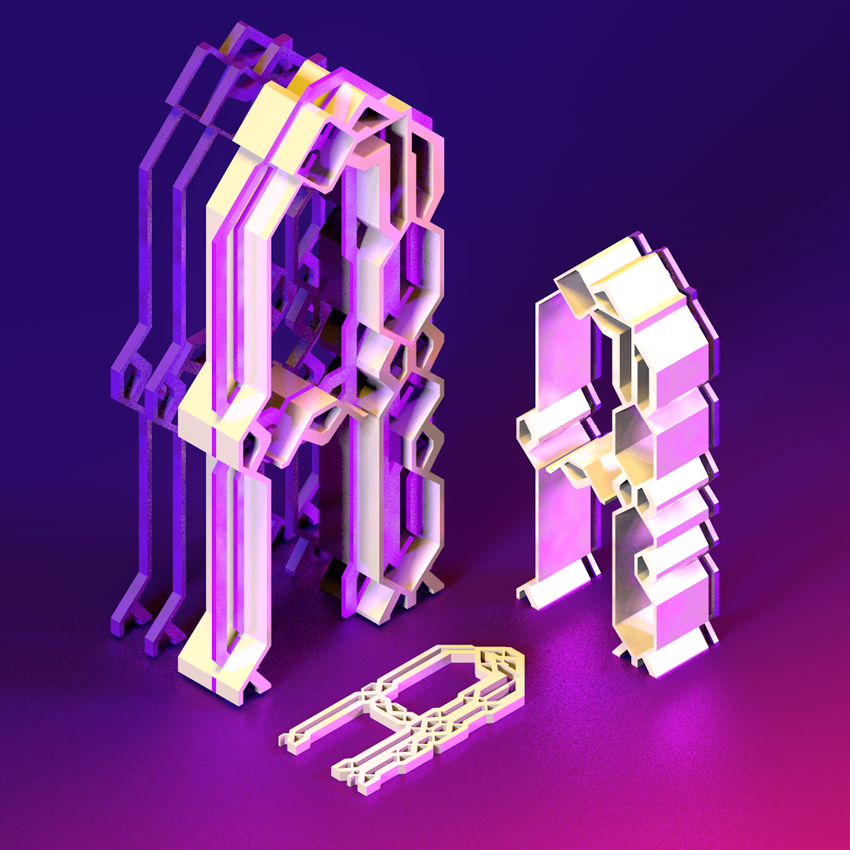
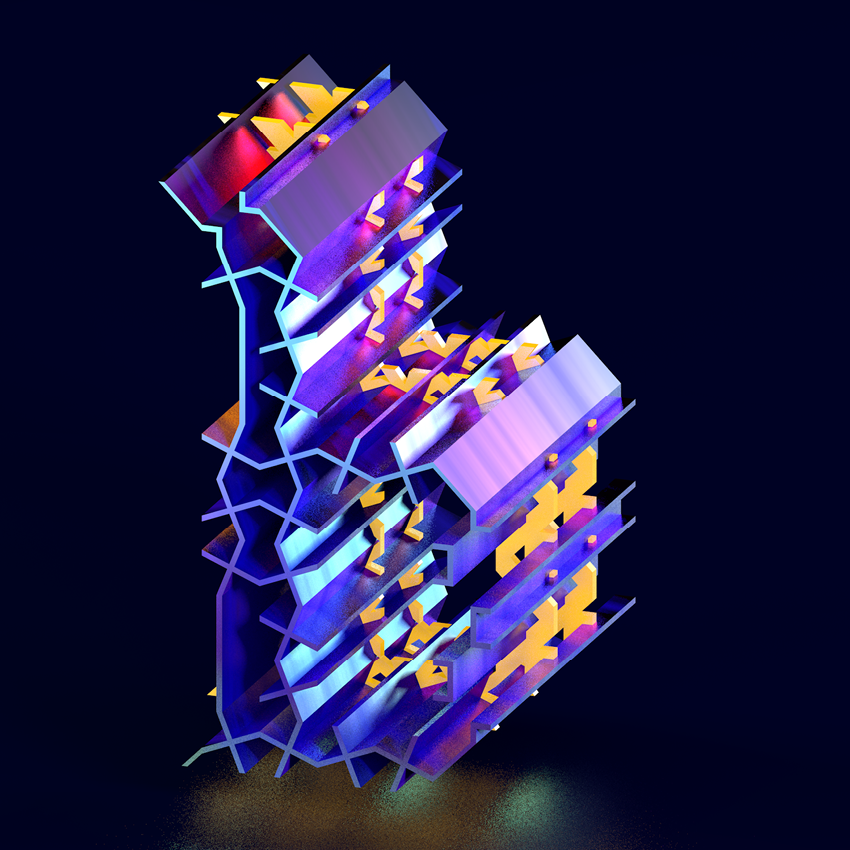
Each NFT is a unique 3D character—built from Mooresque's modular elements, rendered in immersive digital spaces. The collection explores ornament as architecture, as presence, as something that exists not only on the page but in virtual worlds.
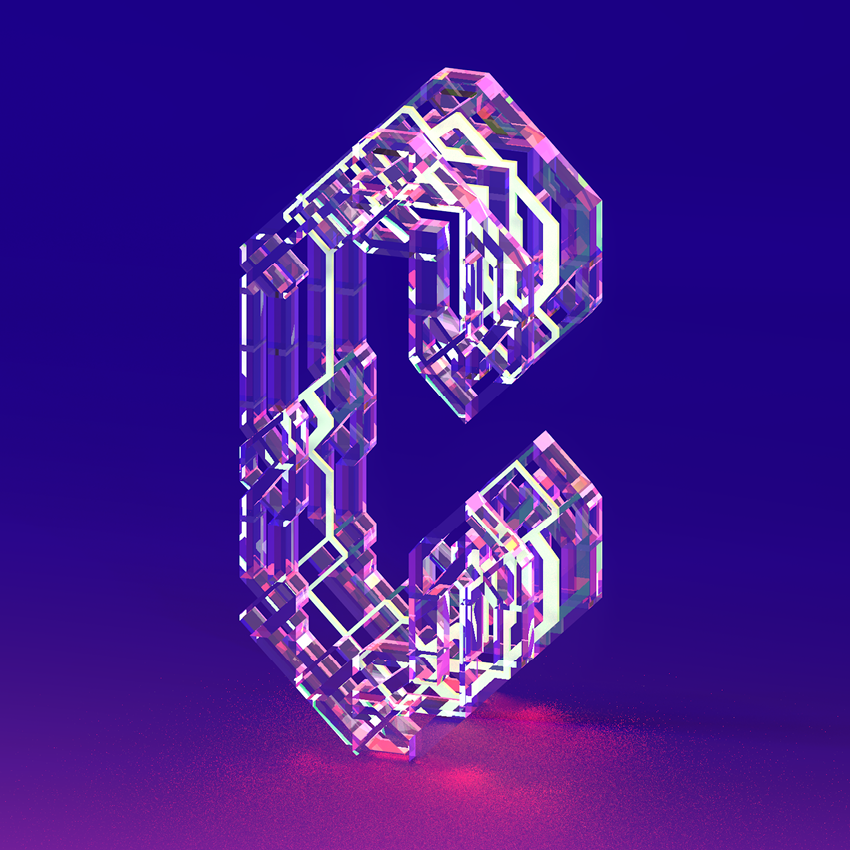
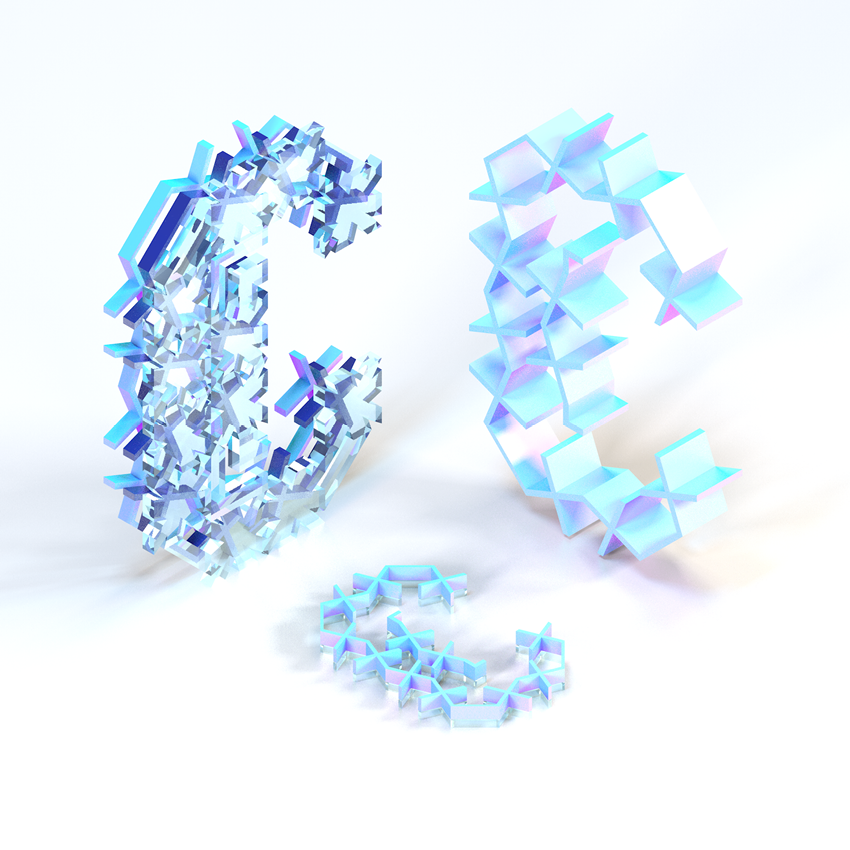
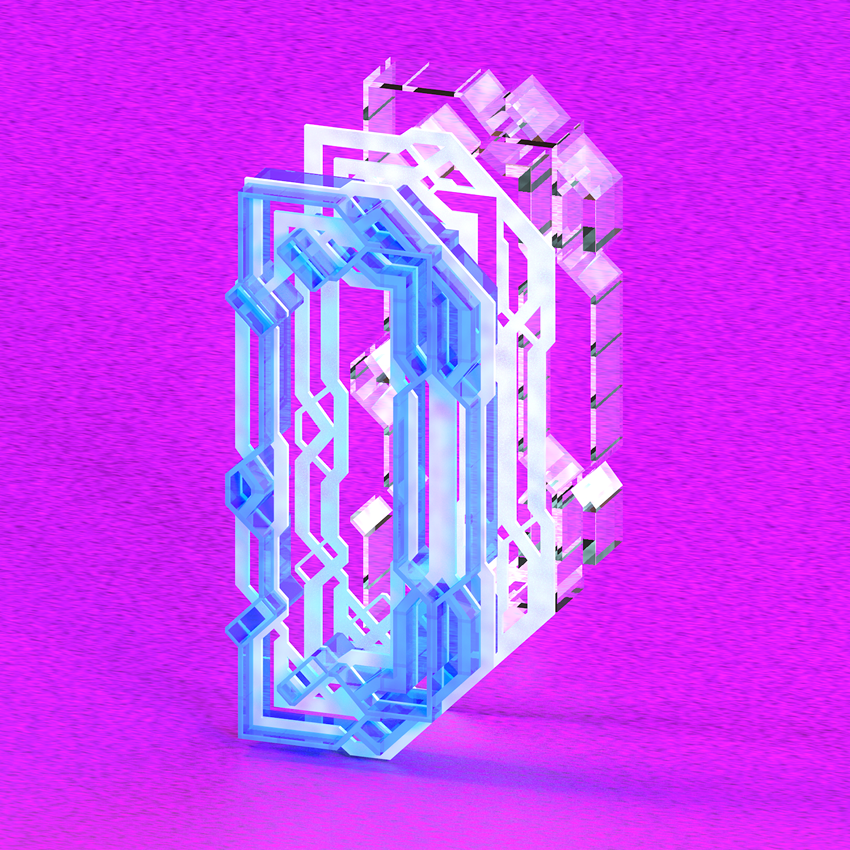
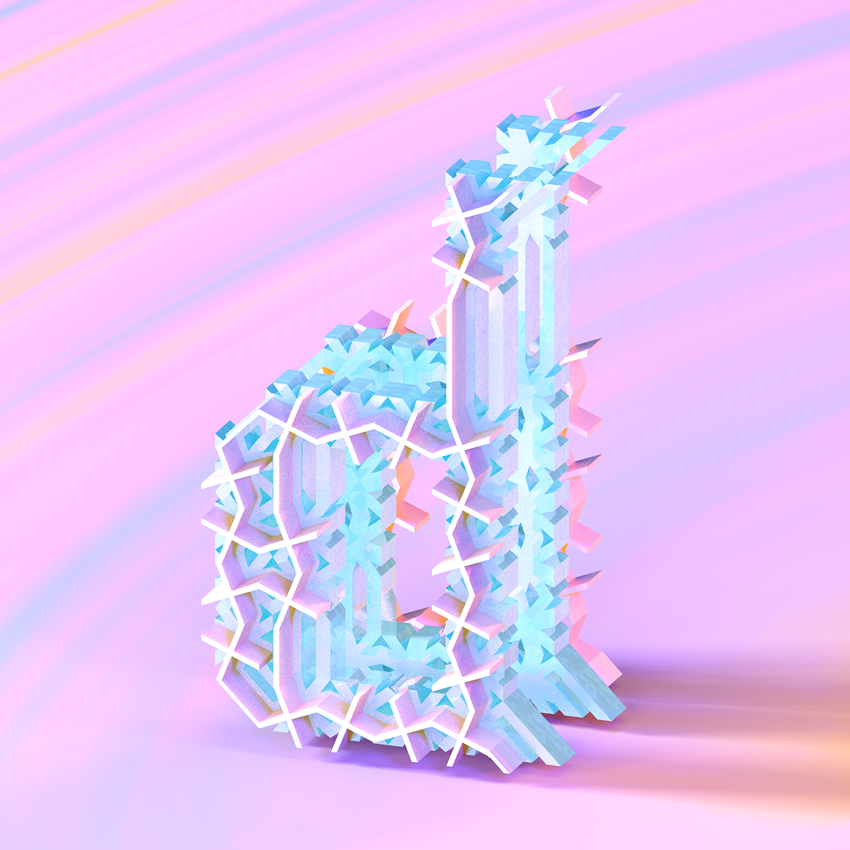
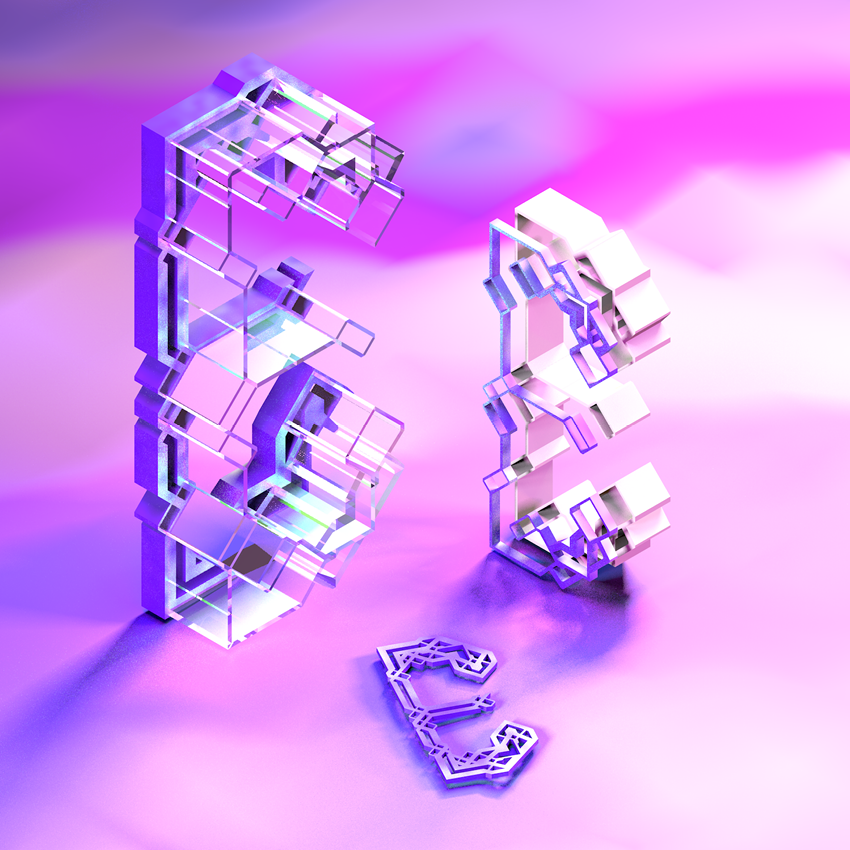
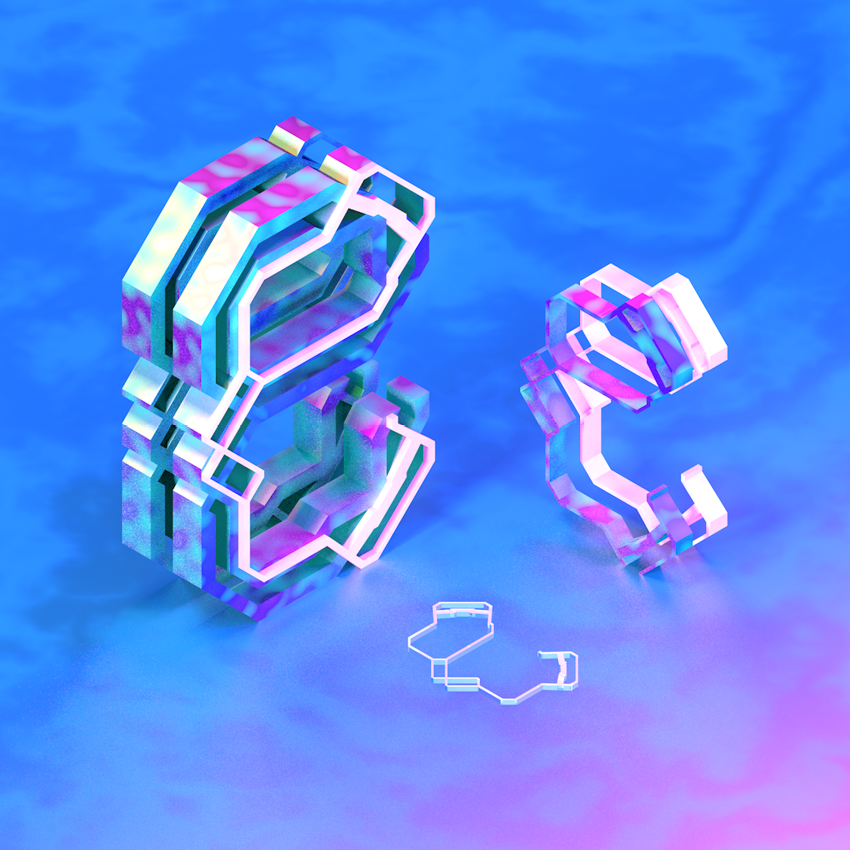
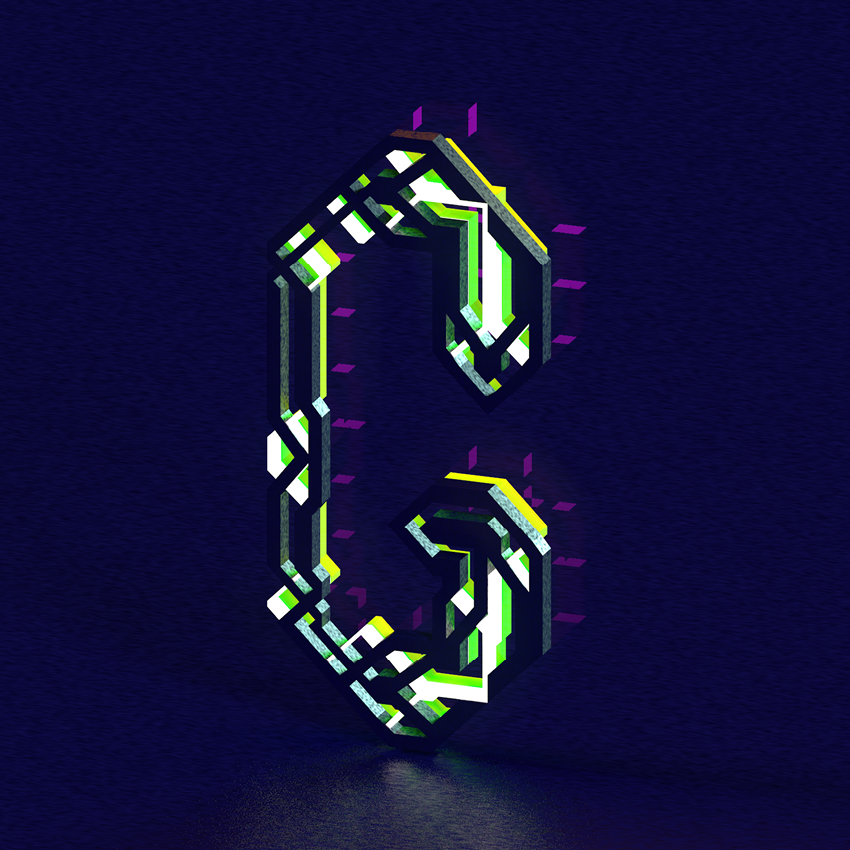
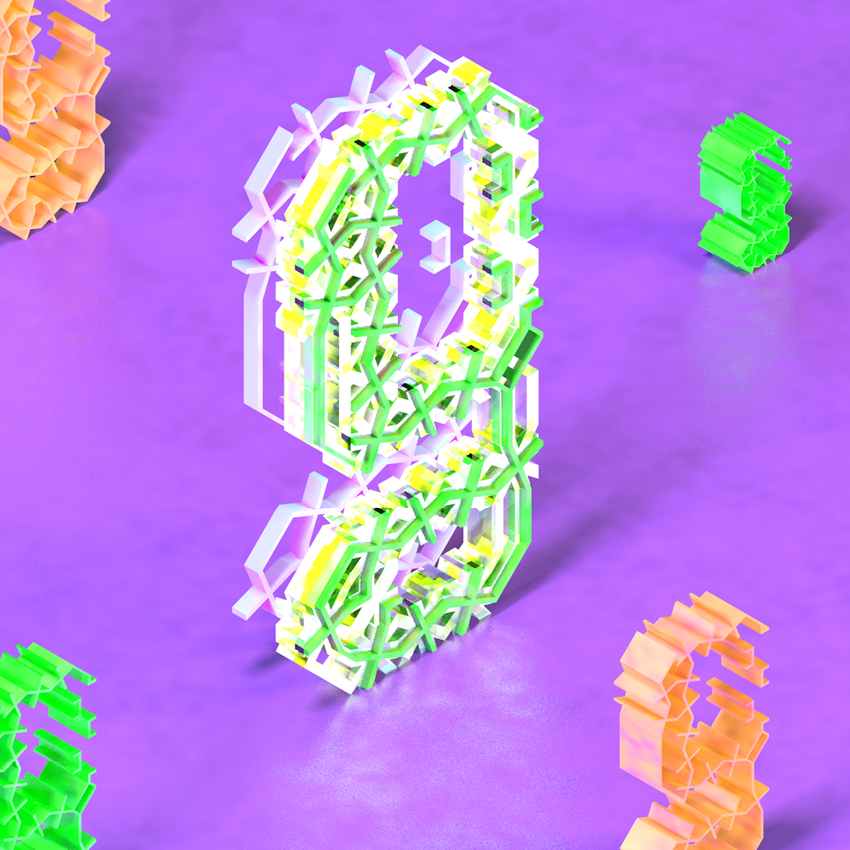
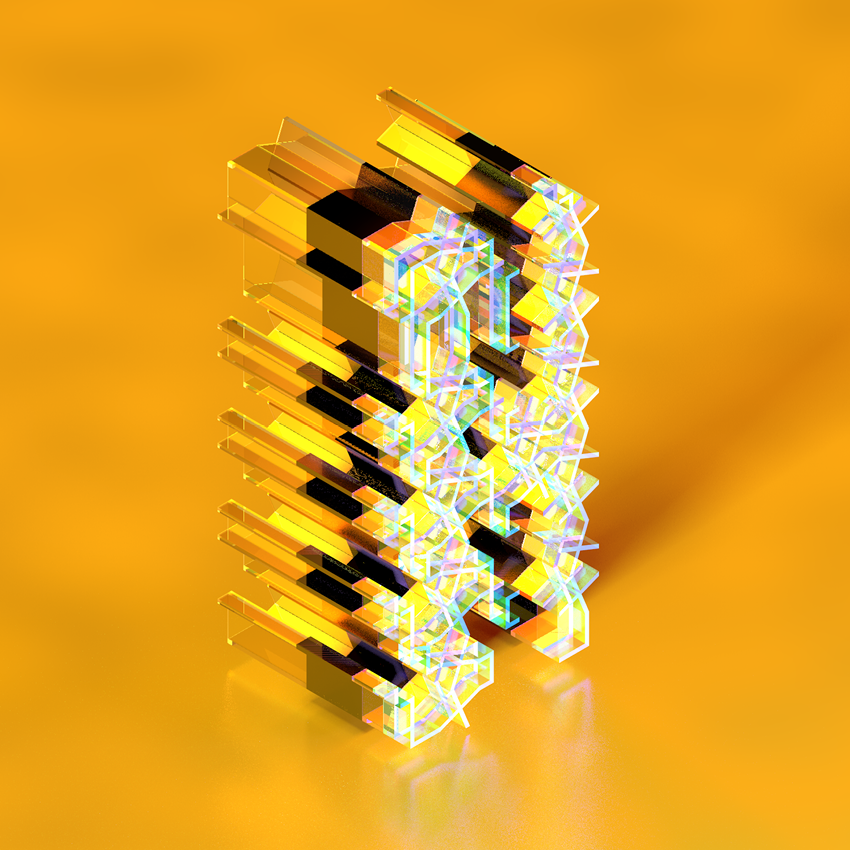
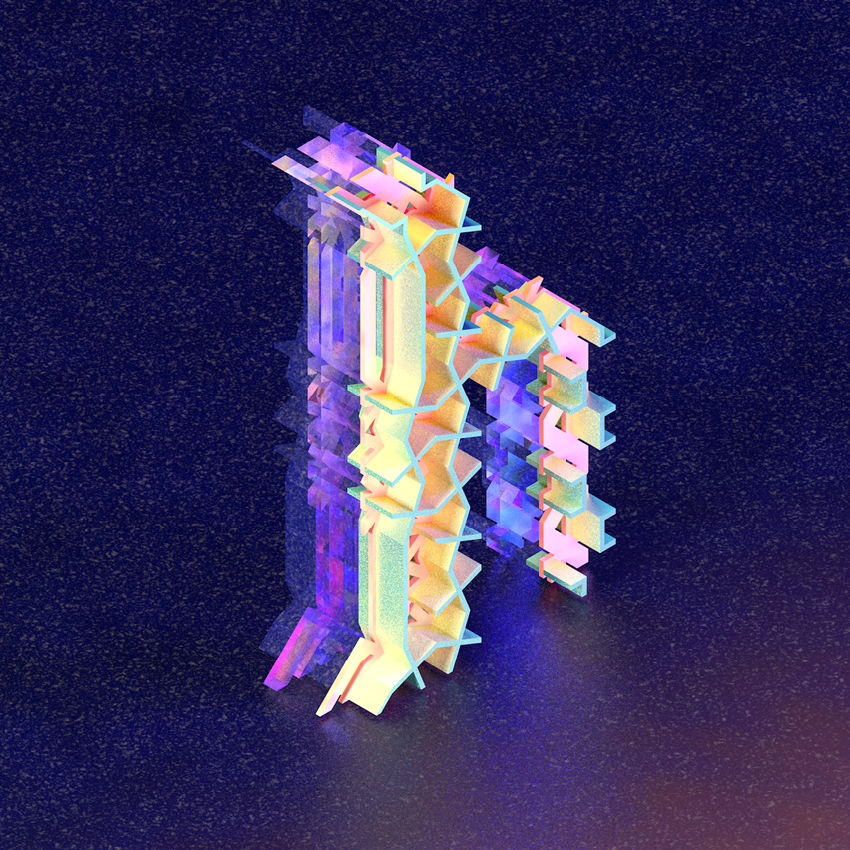
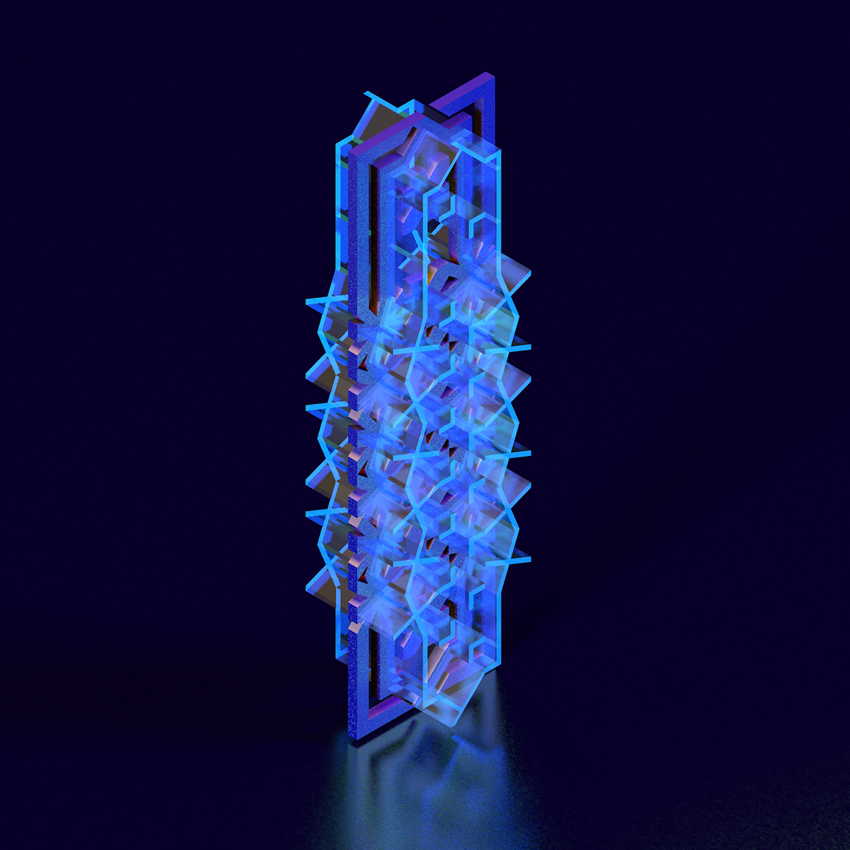
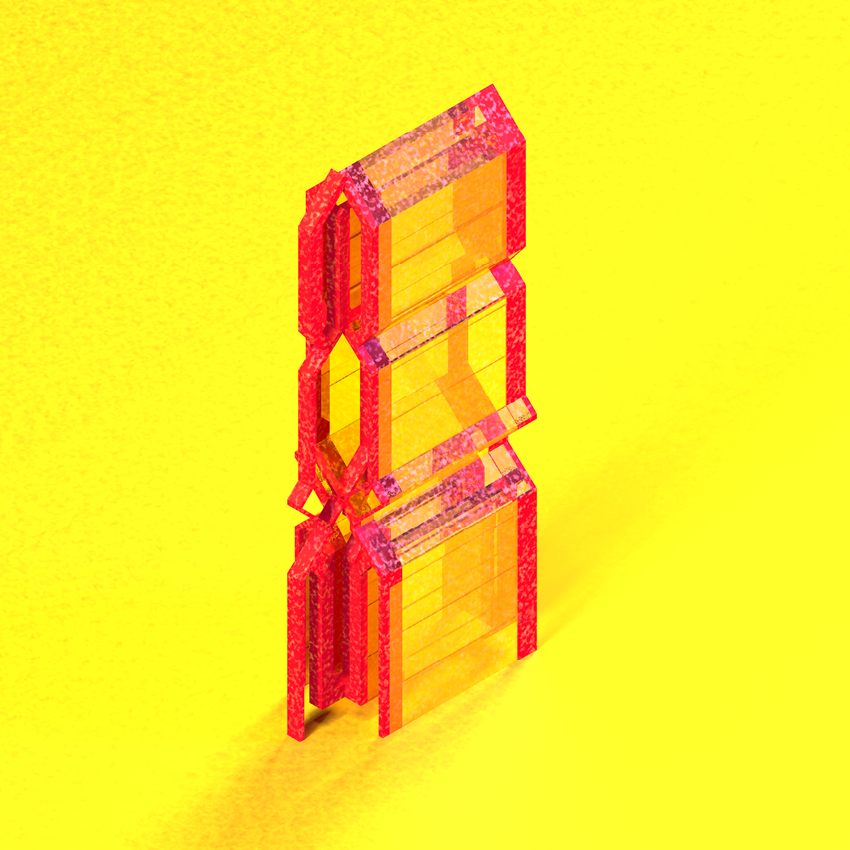
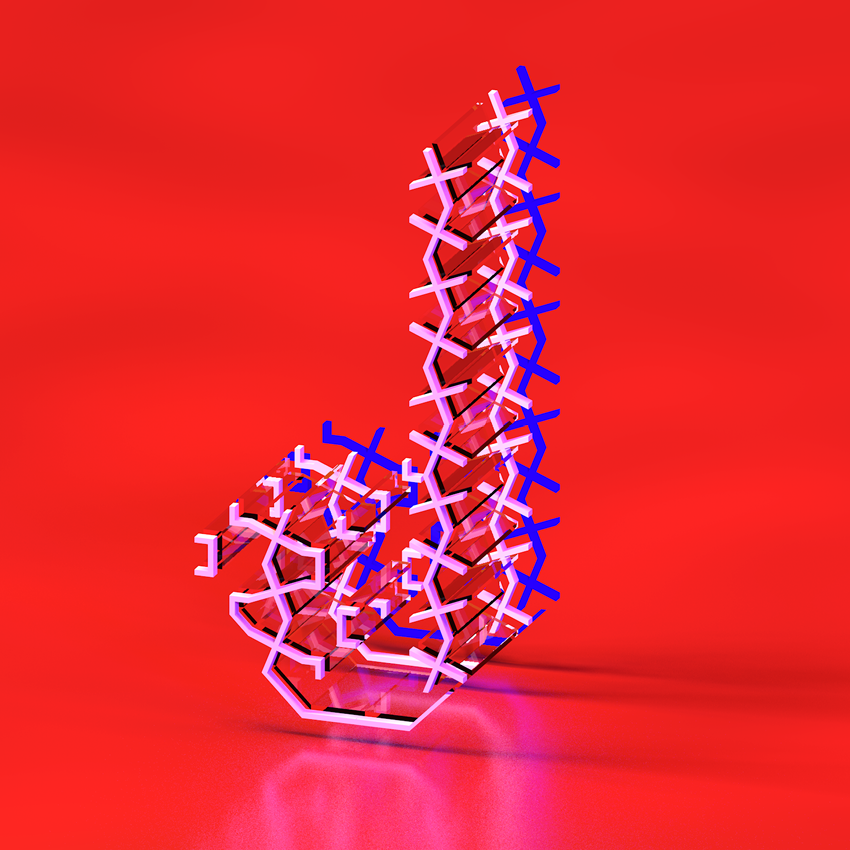
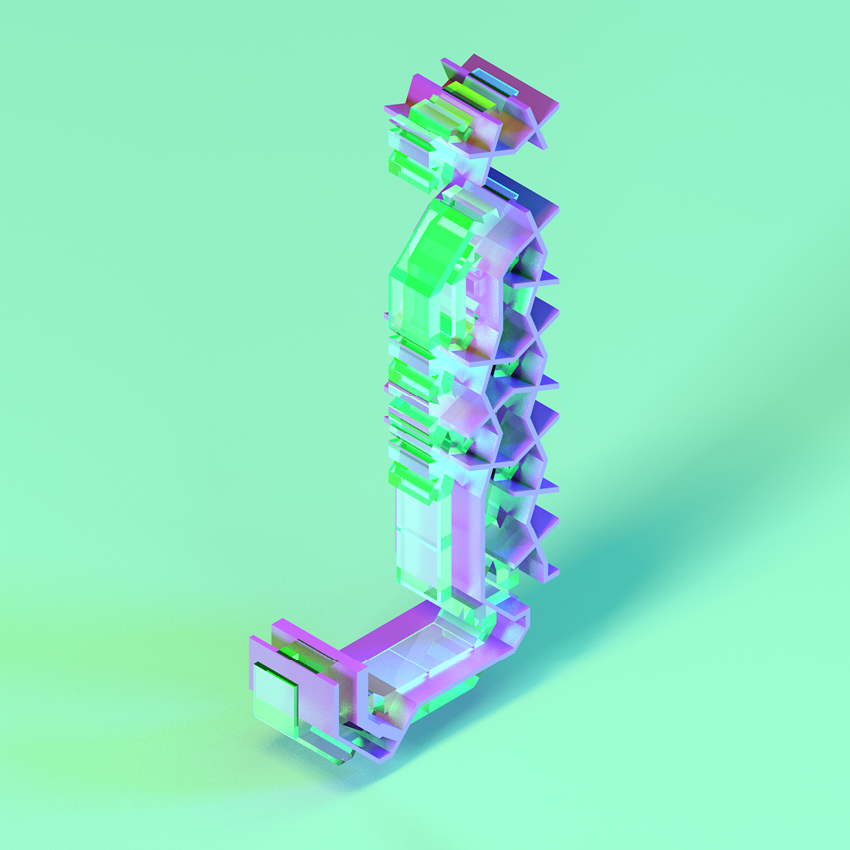
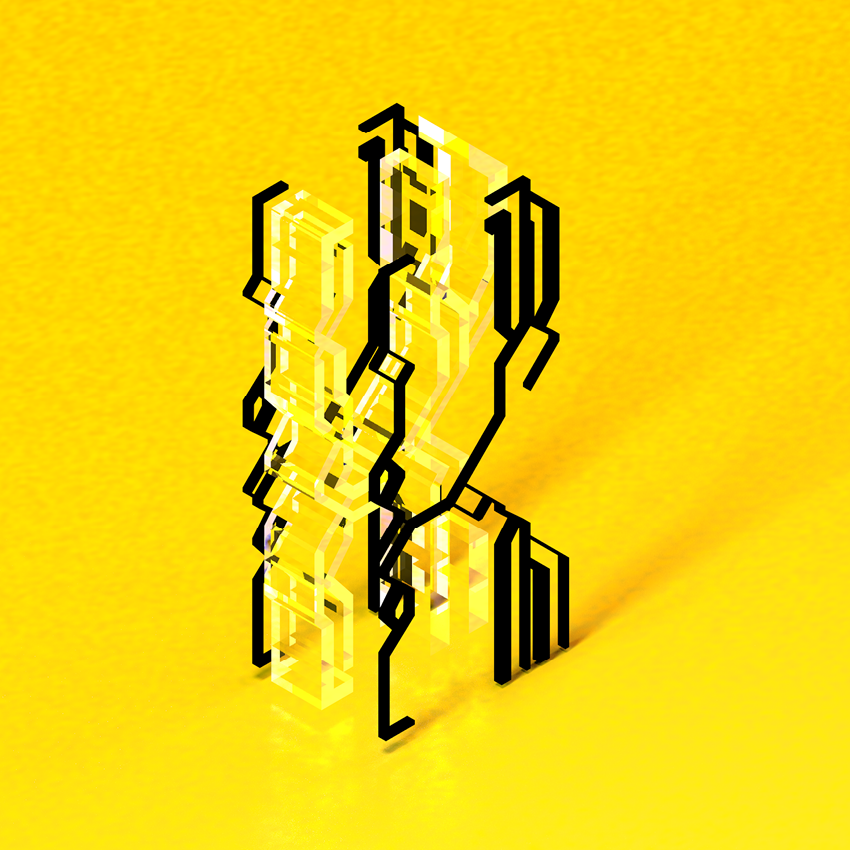

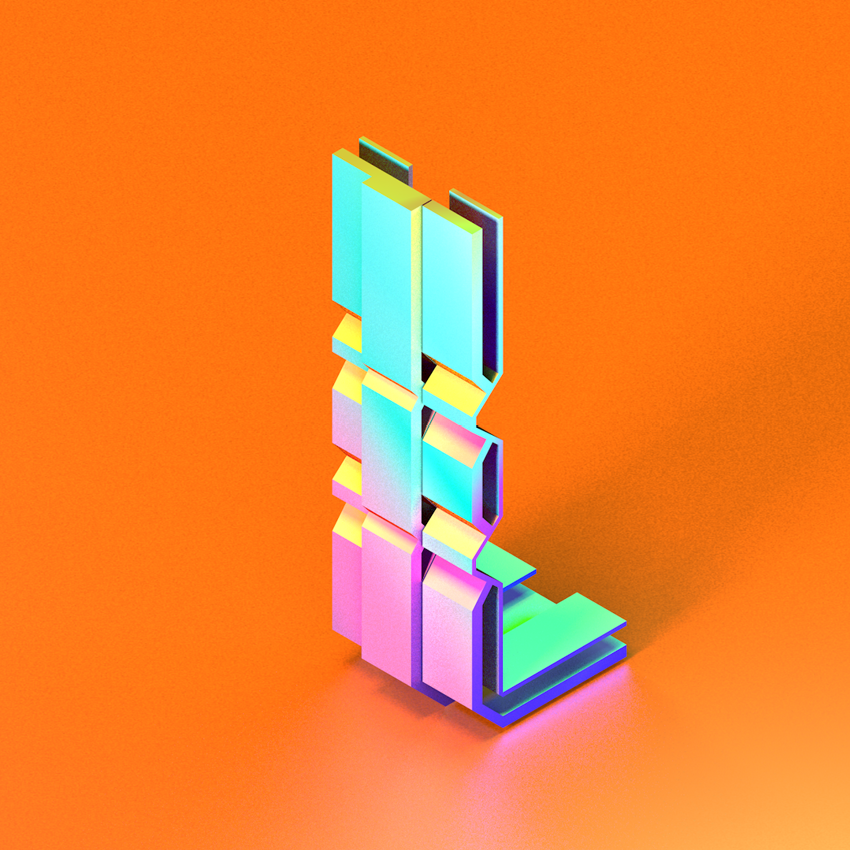

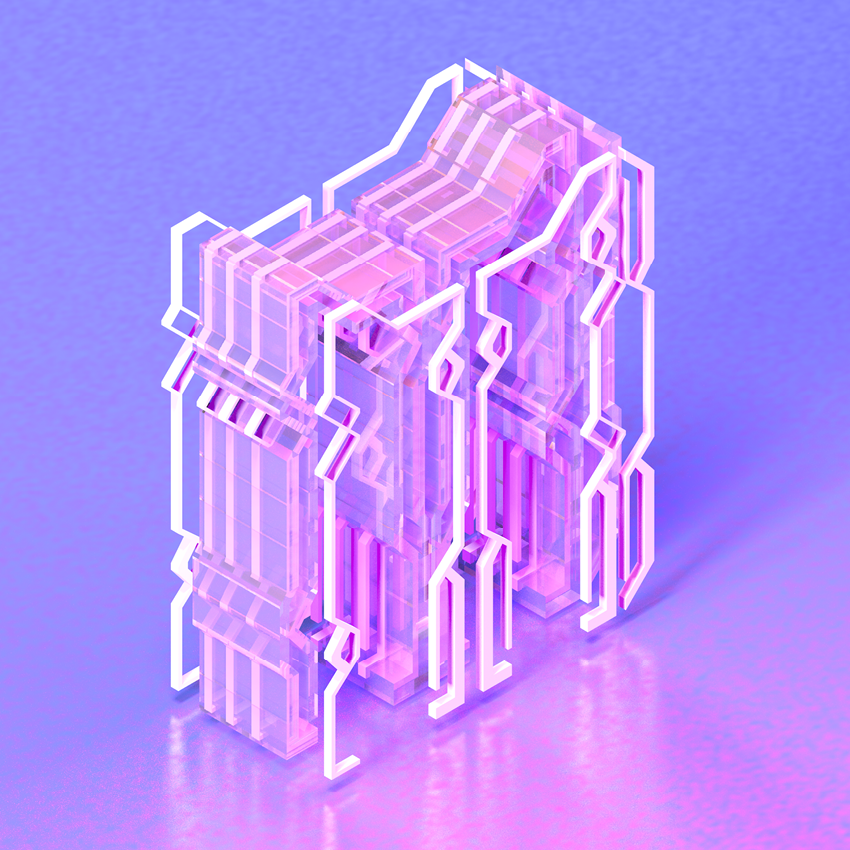
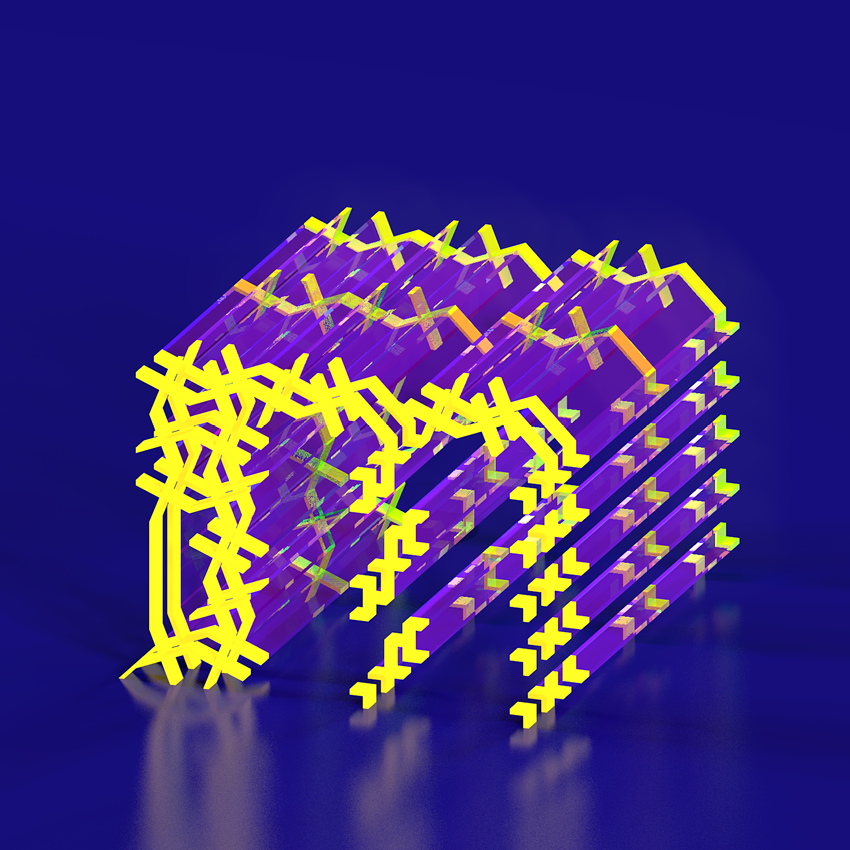
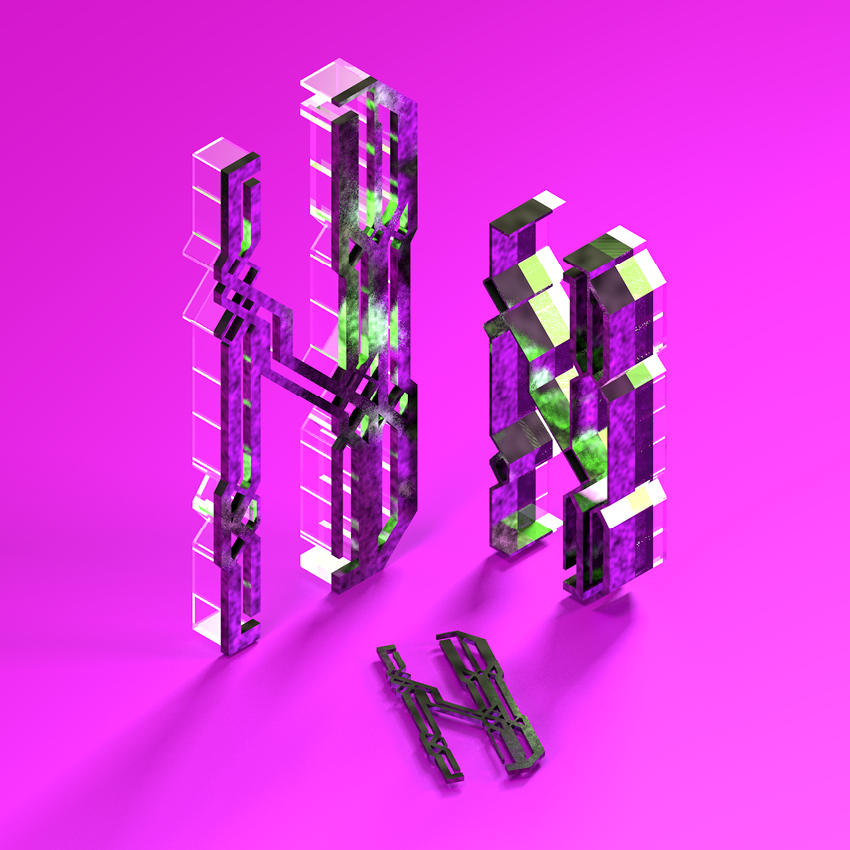
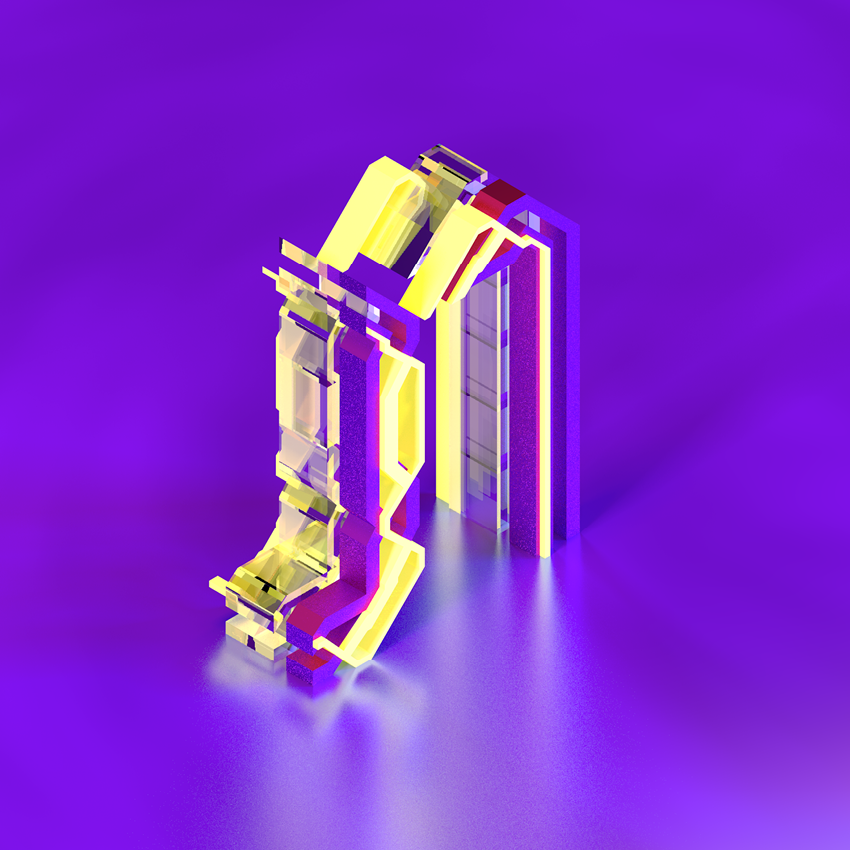
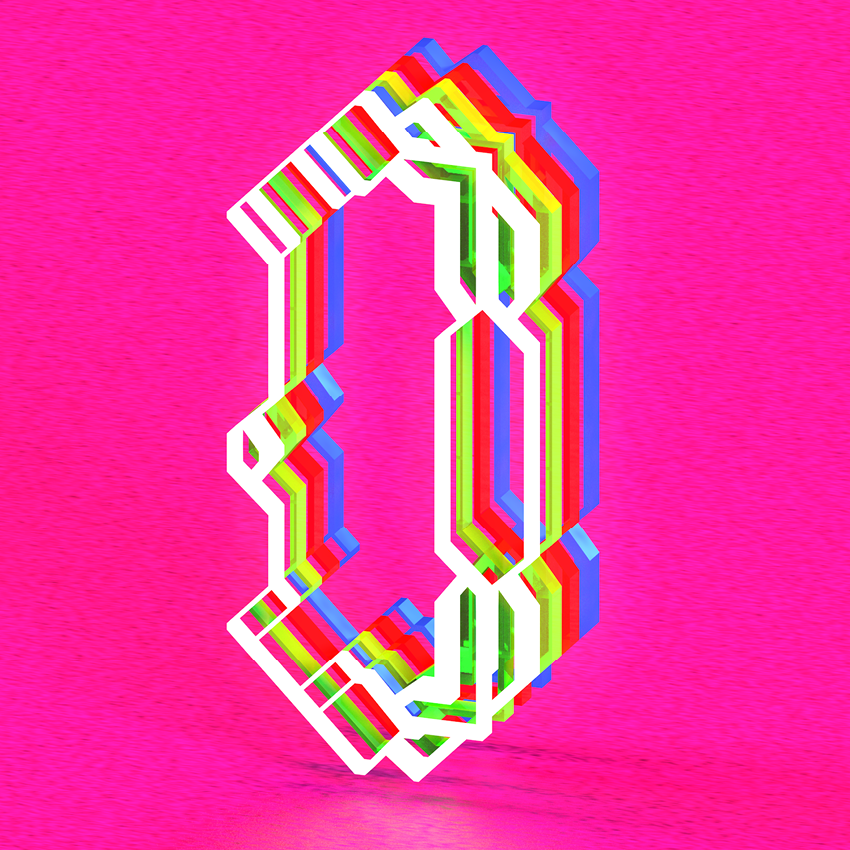
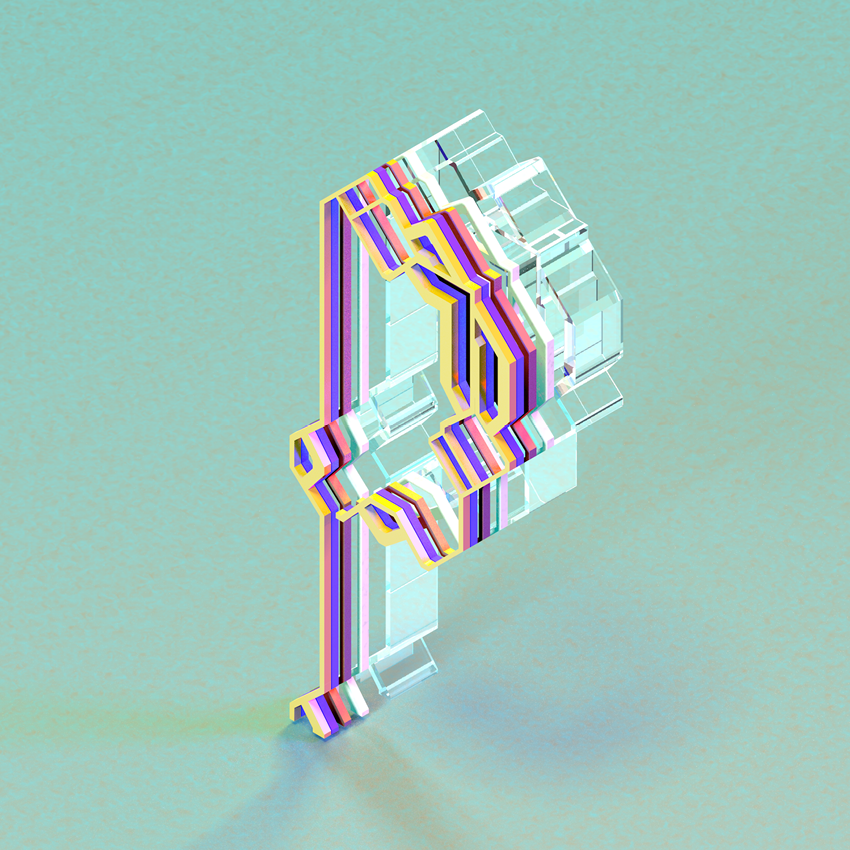

Generative design meets digital ownership. Each 3D type character is a unique composition of modular elements, rendered in distinct environments. A collection that bridges ornamental tradition with blockchain technology.
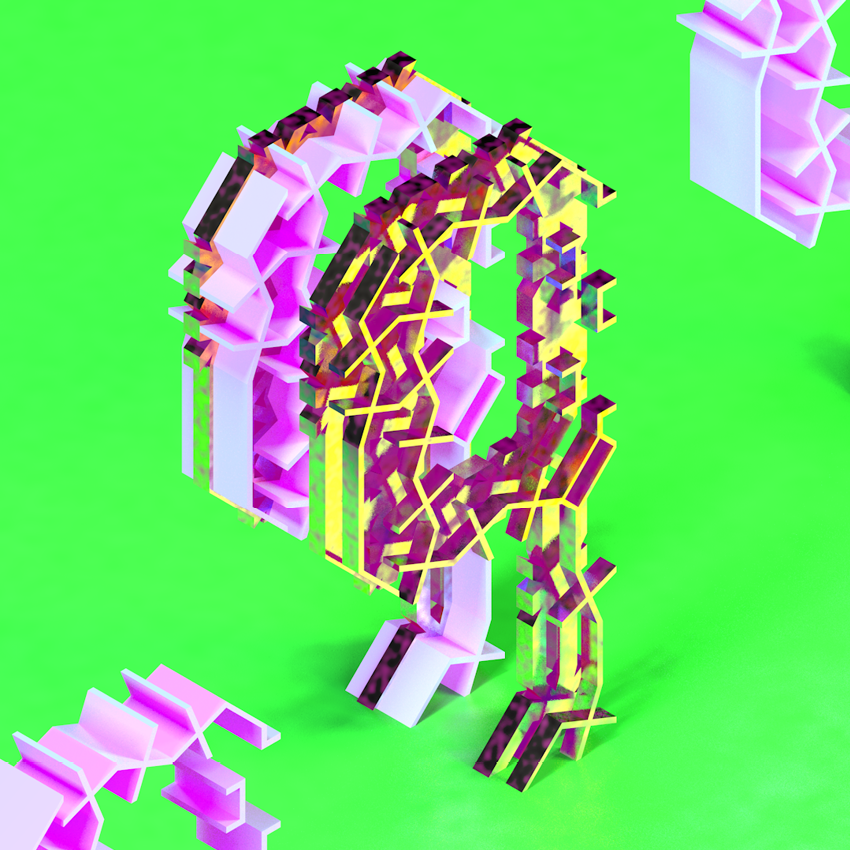
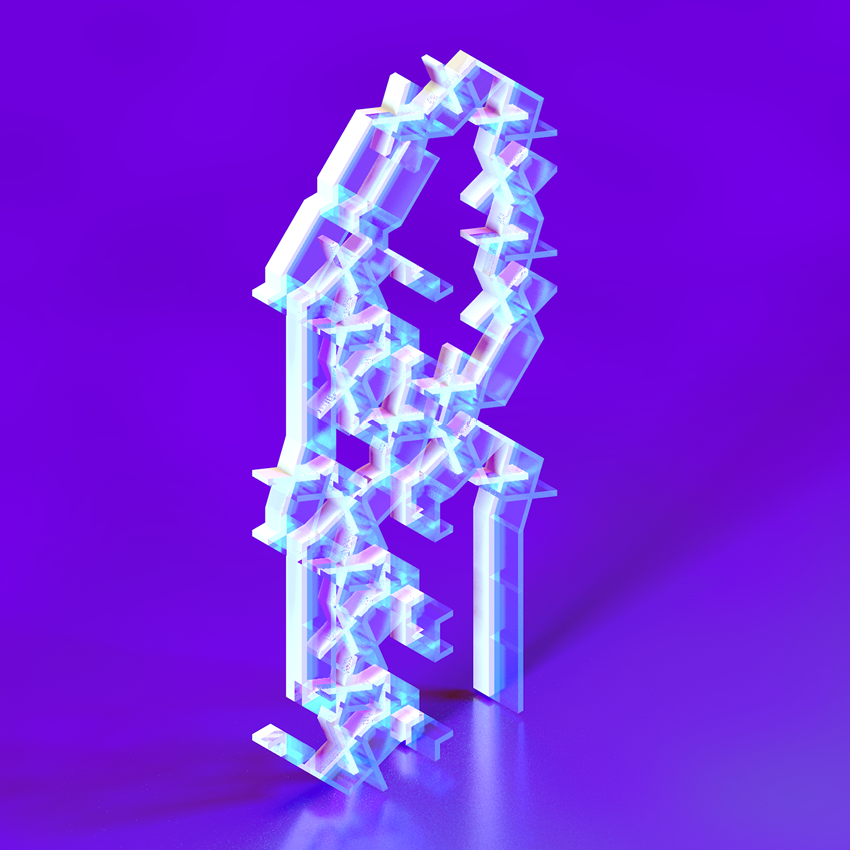

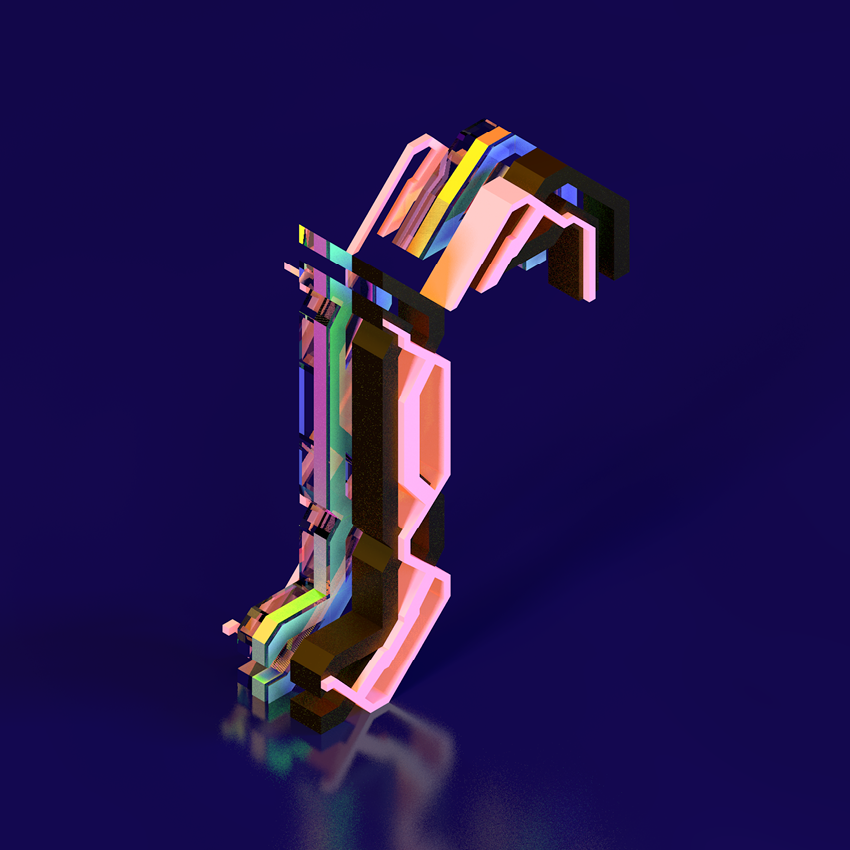
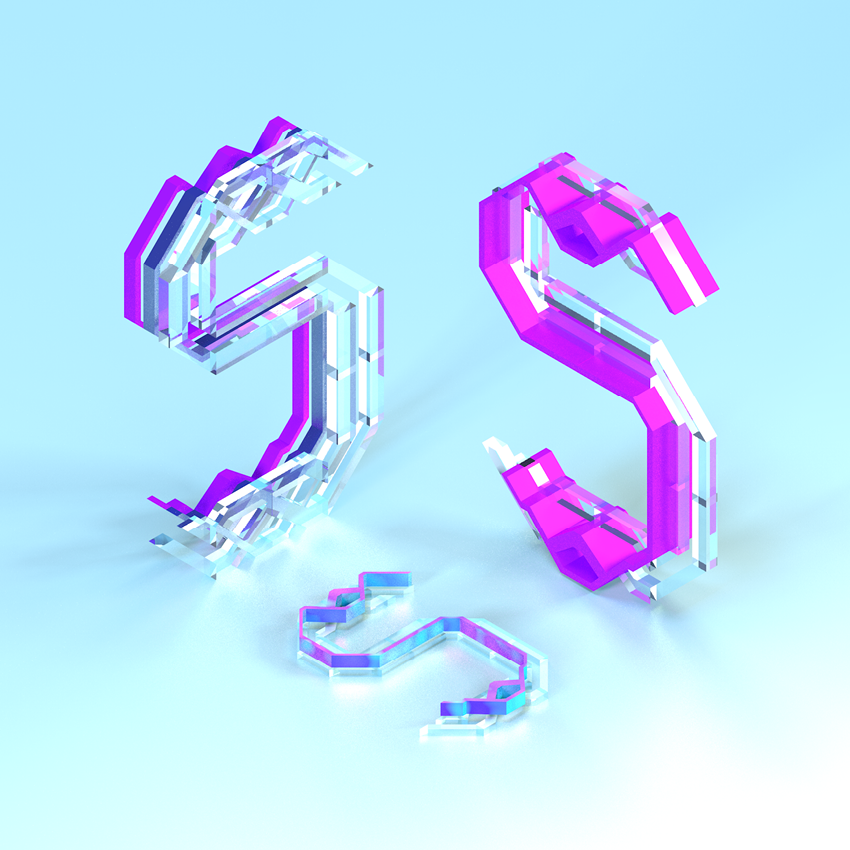
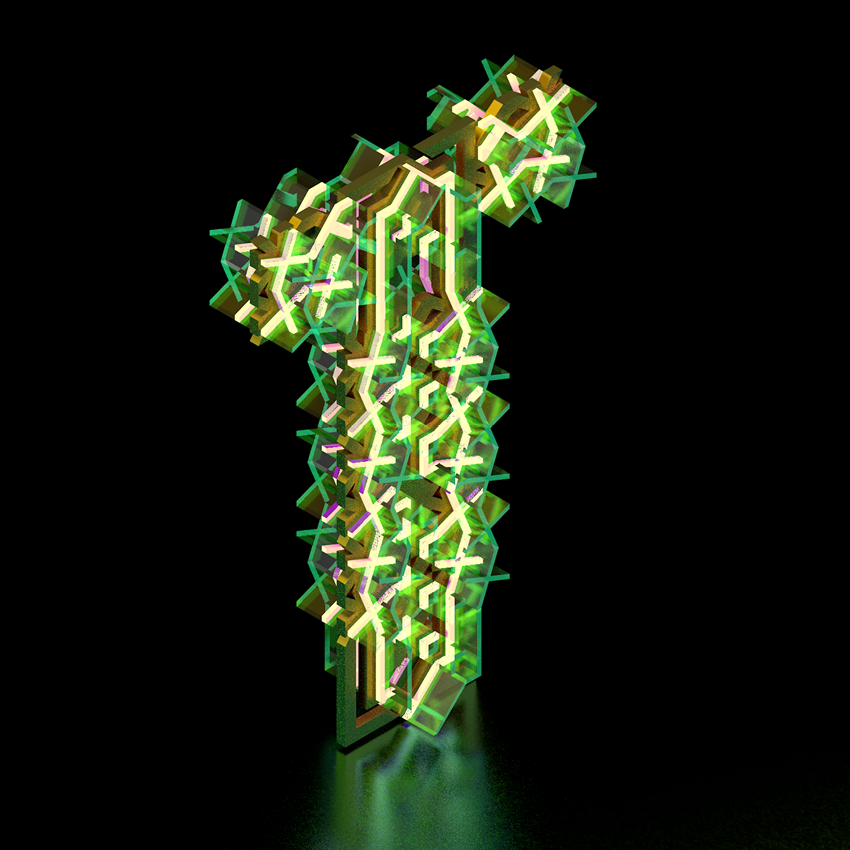
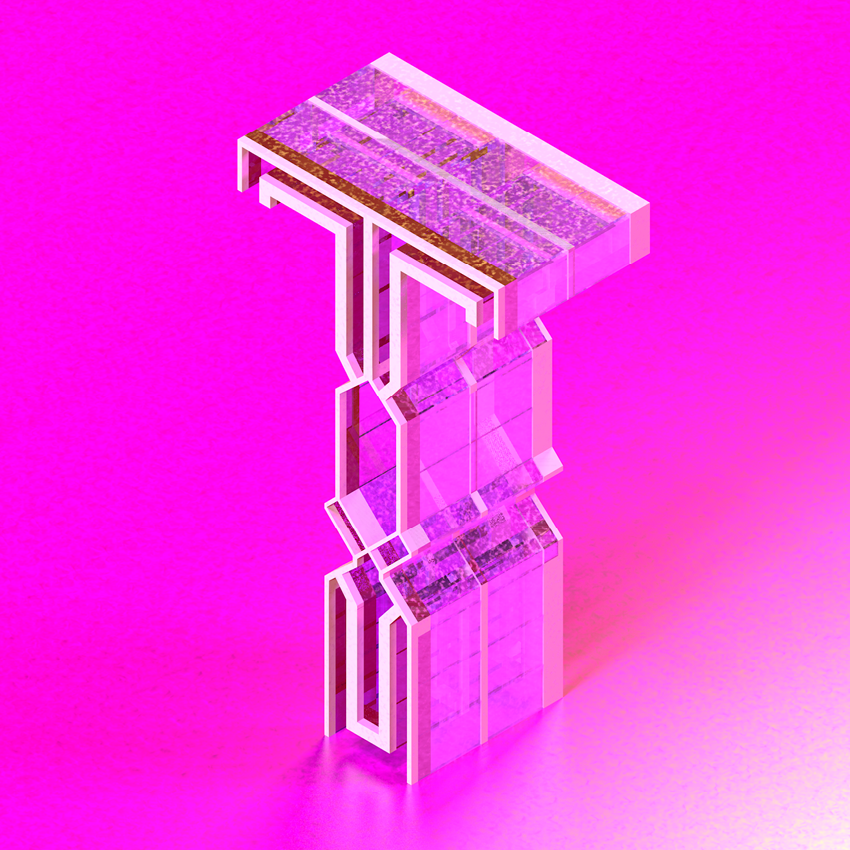
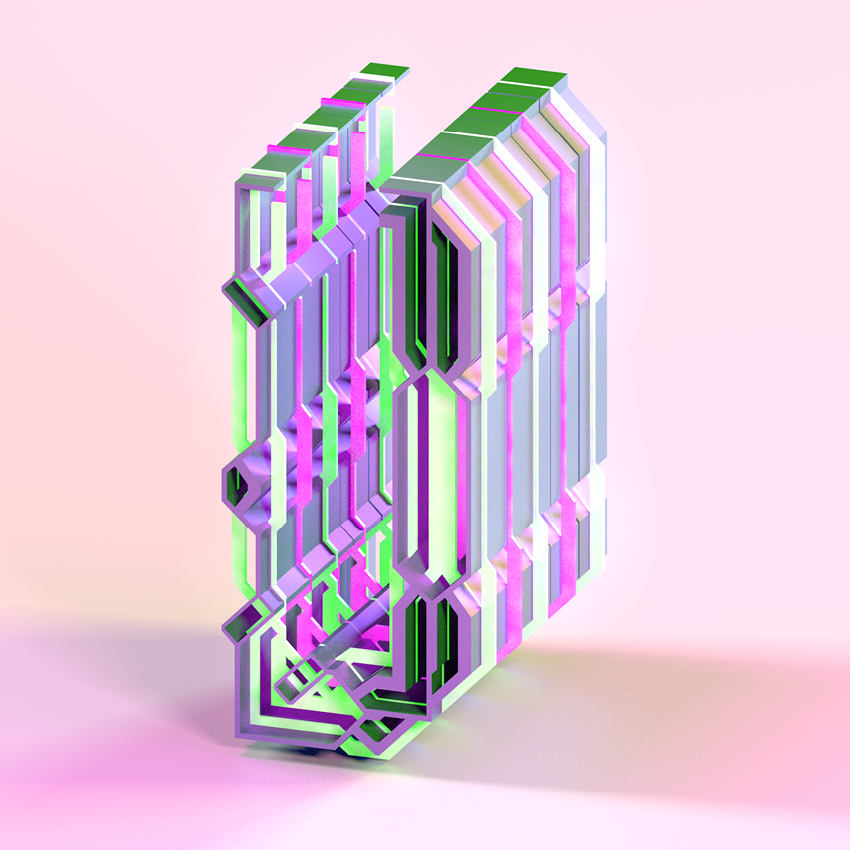
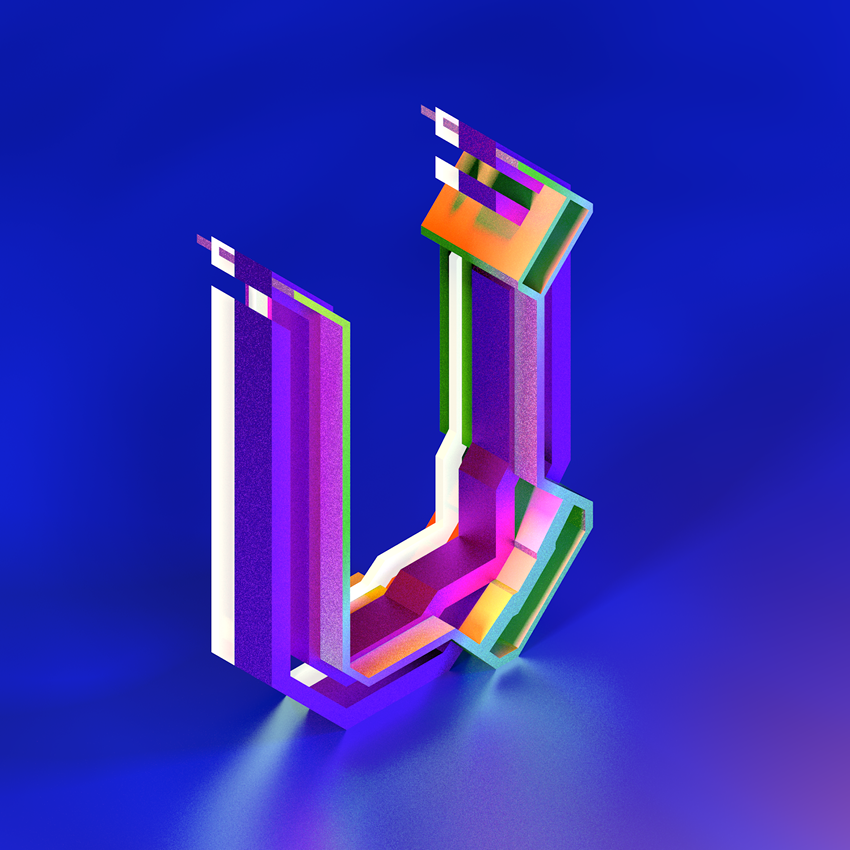
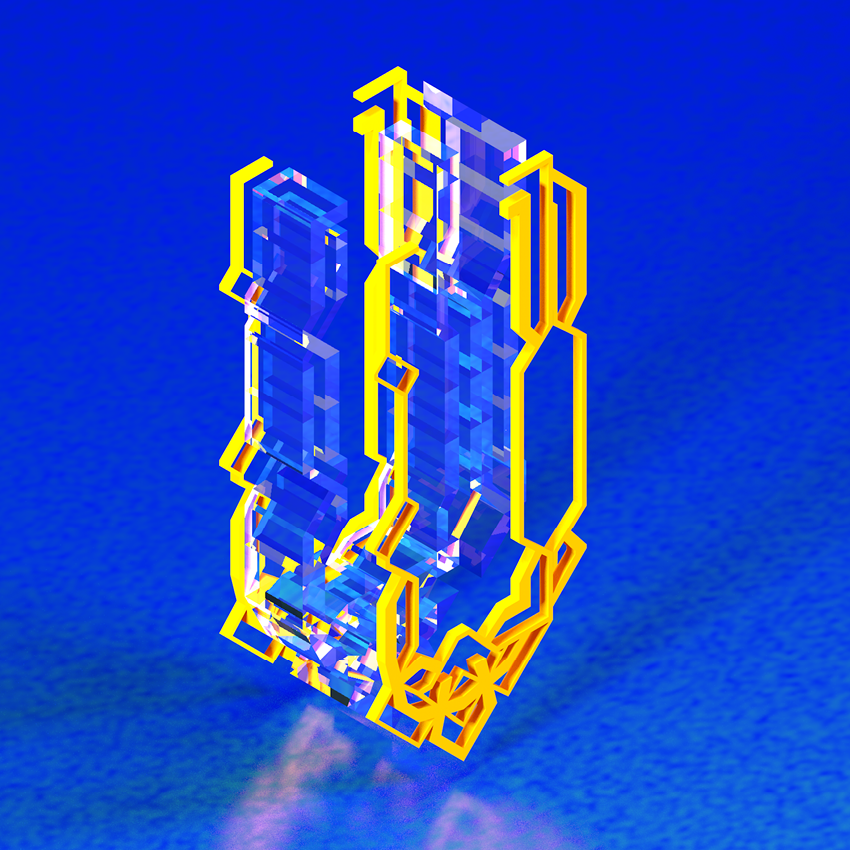
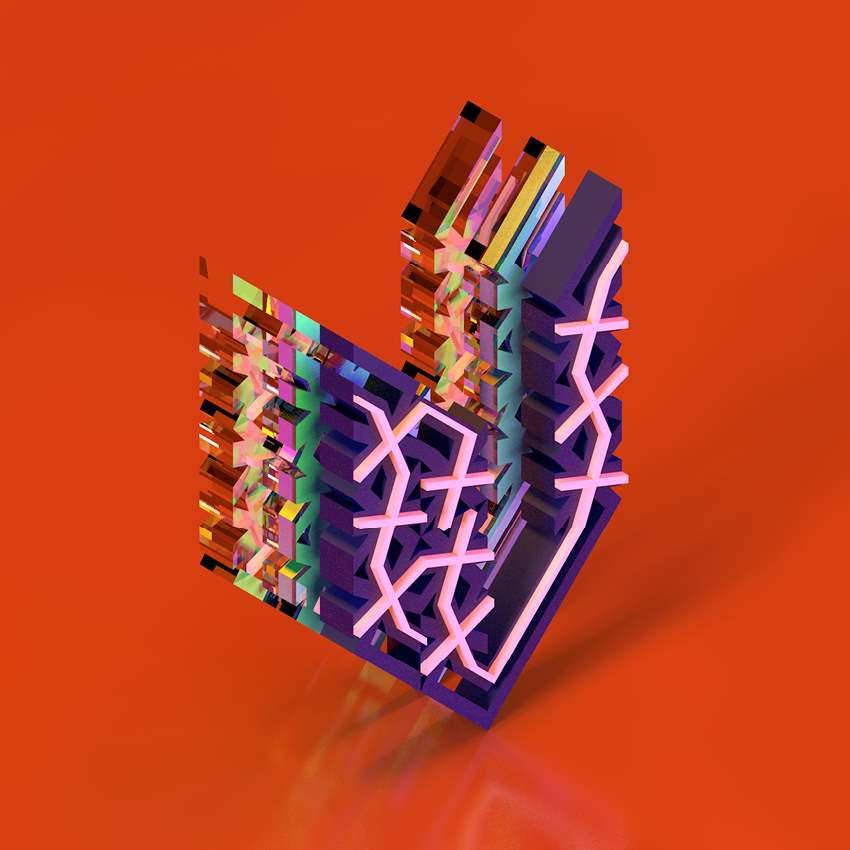

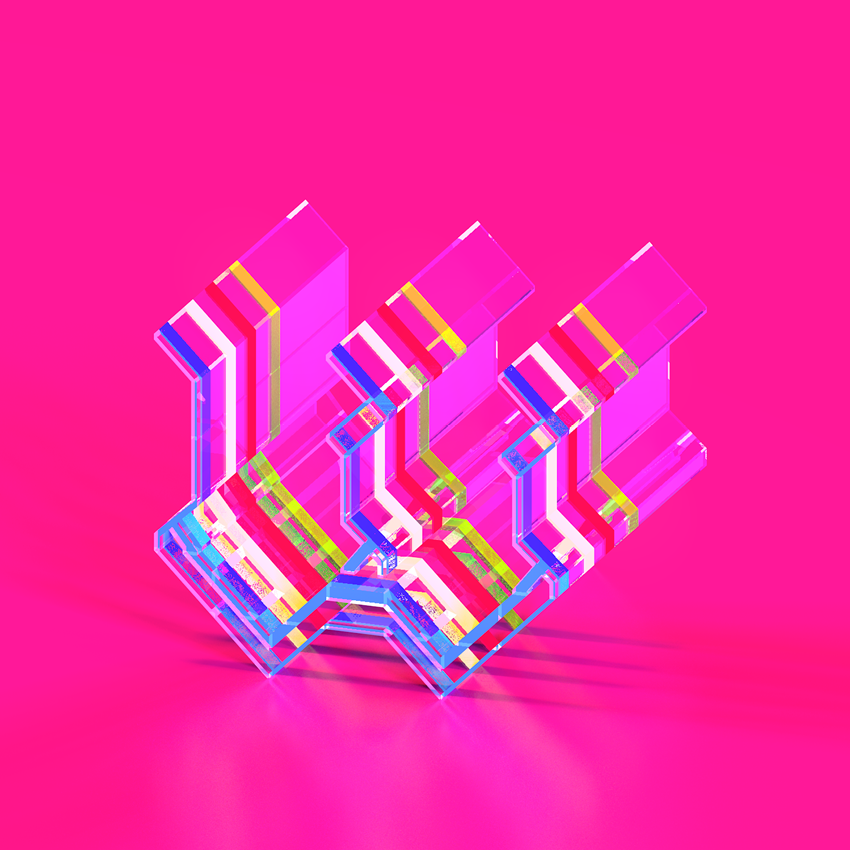
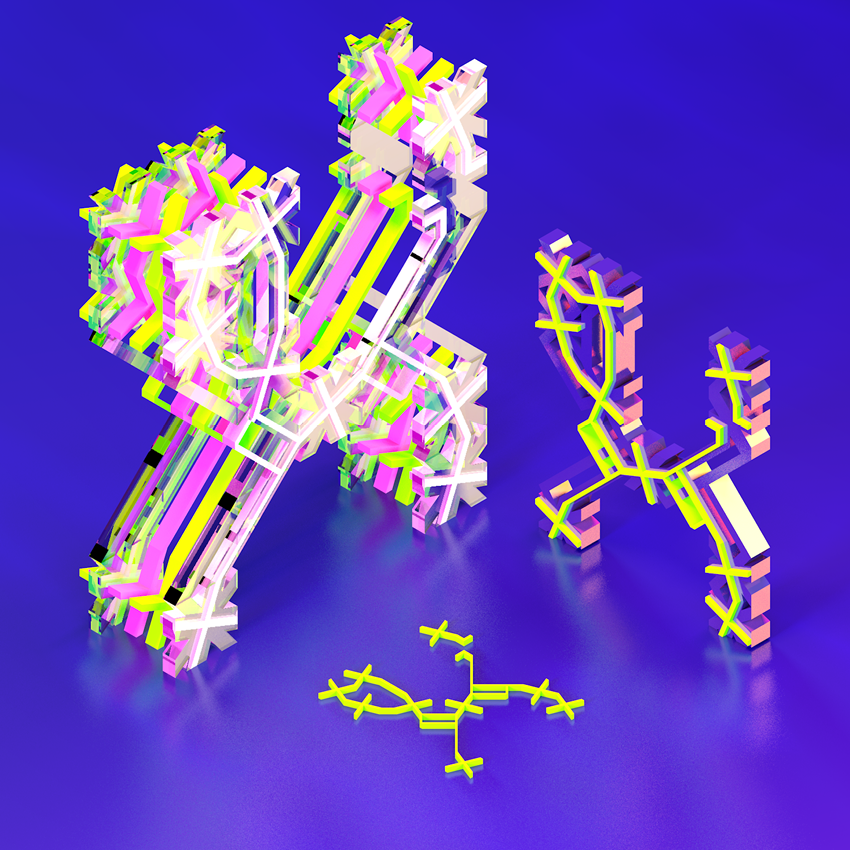
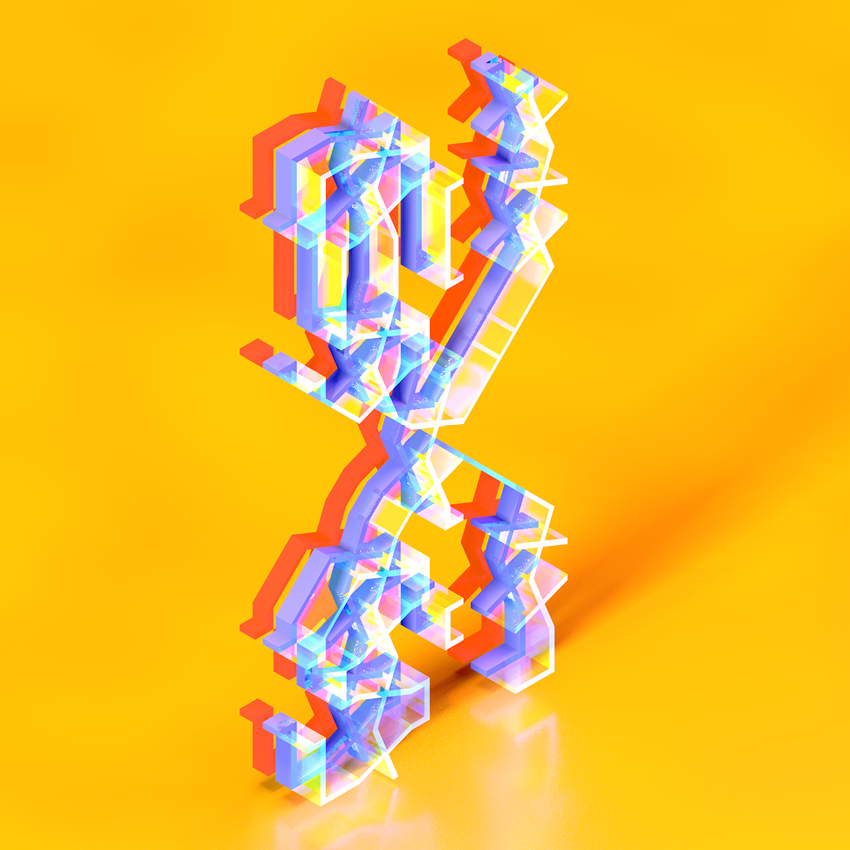
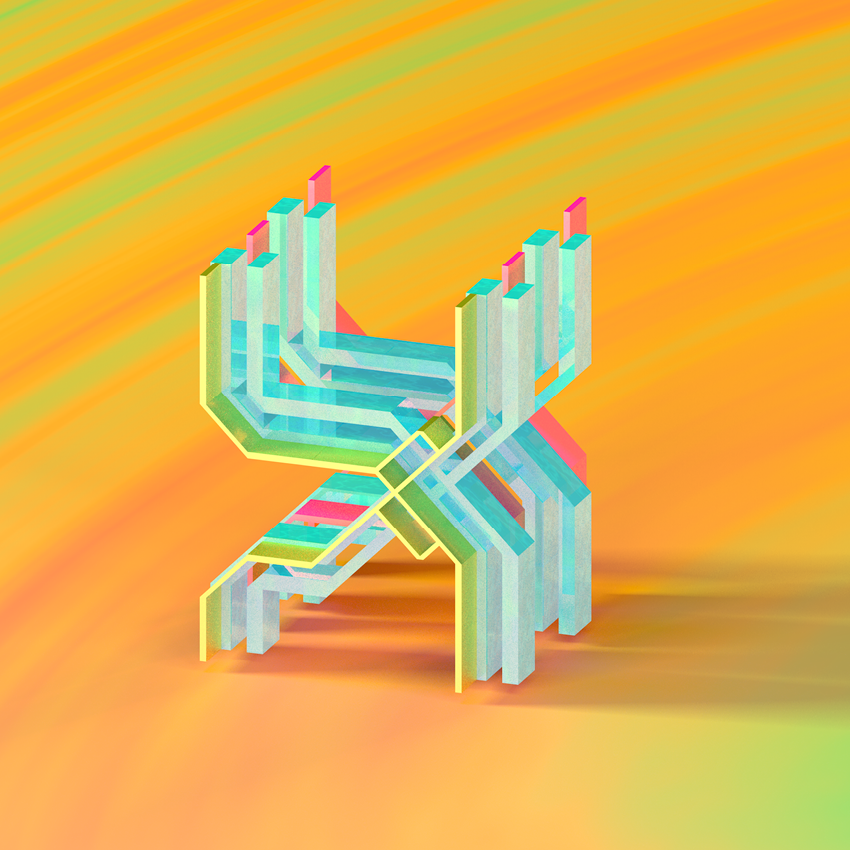
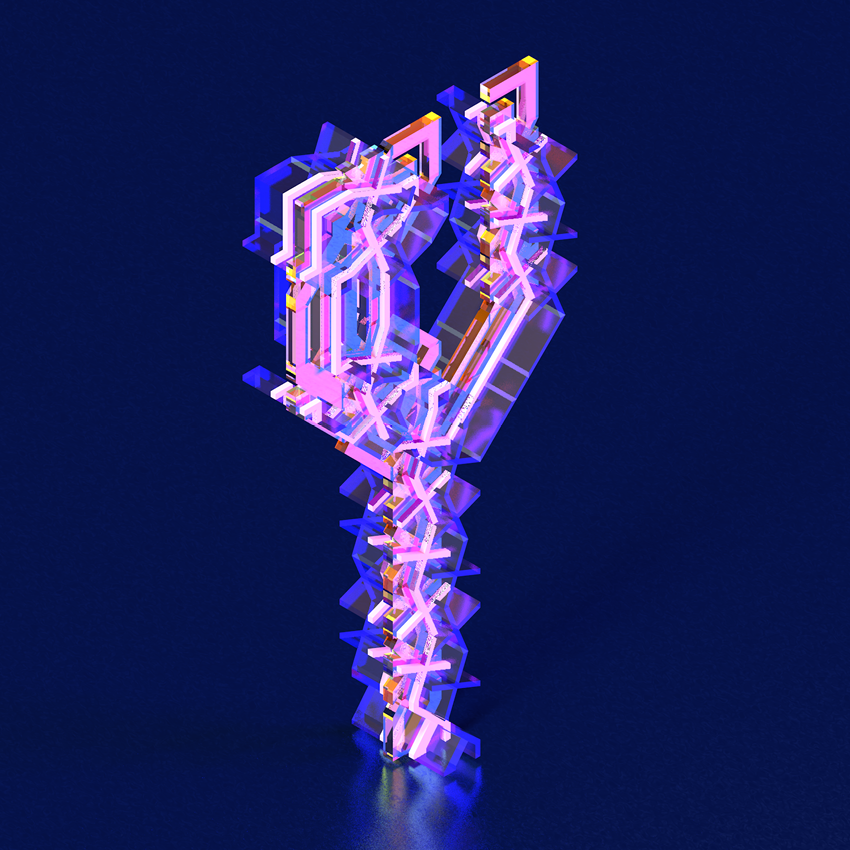
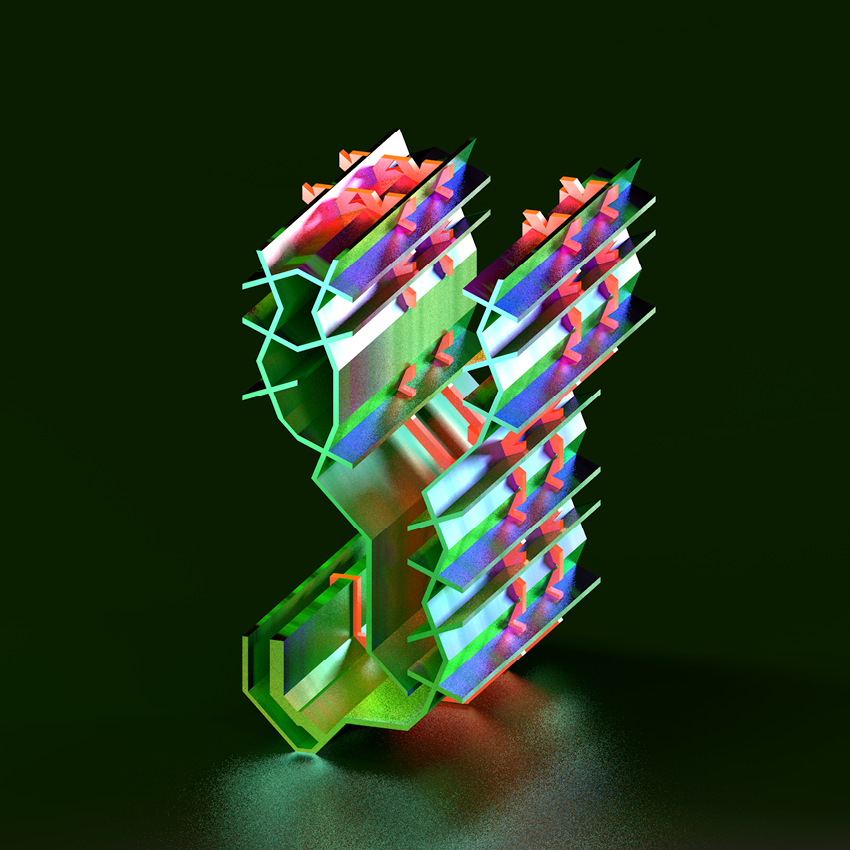
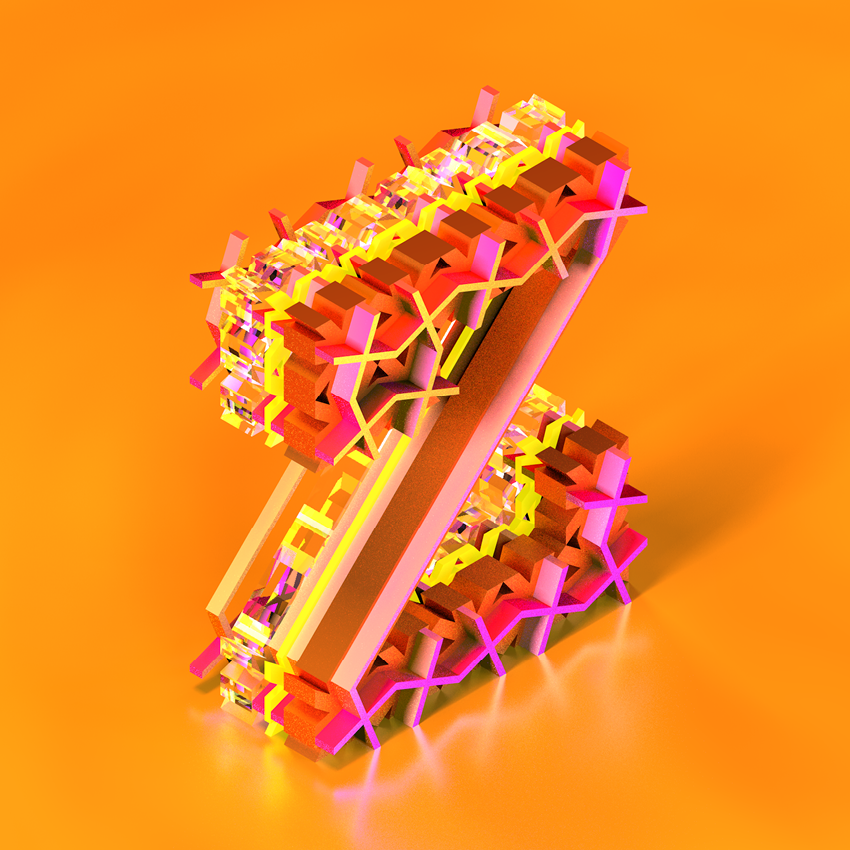
The Mooresque NFT collection extends the modular ornament system into three dimensions, creating a series of digital characters that inhabit virtual spaces. Where the original Mooresque project offered a toolkit for building two-dimensional forms—letters, patterns, structures—the NFT collection asks what happens when those forms are given depth, texture, and presence in the digital realm.
The collection is built from the same modular elements that define the Mooresque system: ALFA MOORE, EXO MOORE, EXOALF MOORE. But where the earlier applications emphasized construction—the assembly of elements into letters—the NFTs emphasize character. Each piece is a unique 3D type character, a digital sculpture rendered in a distinct environment. The elements are still recognizable, still modular, but they have been transformed: given volume, given light, given space to inhabit.
The environments are as varied as the characters themselves. Some exist in abstract digital spaces—geometric voids where light plays across surfaces, where the modular elements cast shadows that echo their forms. Others inhabit landscapes that recall the ornamental traditions that inspired the work: imagined architectures, digital gardens, spaces that are at once historical and futuristic. Each environment is chosen to complement the character it contains, to extend its meaning, to give it a world to call its own.
The move to three dimensions is significant. The Mooresque system has always been about construction, about the assembly of parts into wholes. In two dimensions, this construction is visible but flat. In three, it becomes architectural. The elements are not only combined but stacked, nested, interwoven. The viewer can move around them, see them from different angles, understand their structure in new ways. The ornament becomes not a surface but a space.
The NFT format adds another layer. Each piece is a unique digital asset, recorded on the blockchain, owned by a collector. The collection engages with the questions that surround digital art: authenticity, ownership, the value of the virtual. But it also uses the format to explore what ornament can be in an age of digital reproduction. The elements are modular, infinitely combinable, but each NFT is singular. The collection exists at the intersection of generative possibility and digital scarcity.
For Strahinja Jovanović, the project represents a continuation of his exploration of the relationship between ornament, code, and form. The modular elements that make up the Mooresque system are inherently algorithmic—they combine according to rules, generate forms through process. The NFT collection makes this algorithmic quality explicit, rendering the elements in digital space, emphasizing their constructed nature, inviting the viewer to see the system behind the forms.
The characters themselves are varied. Some are monumental, suggesting architecture more than typography. Others are delicate, their forms intricate, their surfaces detailed. Some reference the historical ornament that inspired the project; others push toward something new, something that could only exist in digital space. Together, they form a collection that is both cohesive and diverse, a family of forms united by a common system but distinguished by their individual characters.
In the end, the Mooresque NFT collection is about translation. Translation of ornament from two dimensions to three, from historical pattern to digital form, from modular system to unique character. It asks what happens when we take a language of construction and give it space to inhabit, light to reflect, a world to call its own. The answer is a collection of digital beings, built from ornament, alive in the virtual.
%20ANIM%2027-01-2021%20(SJ)%201-min.gif)