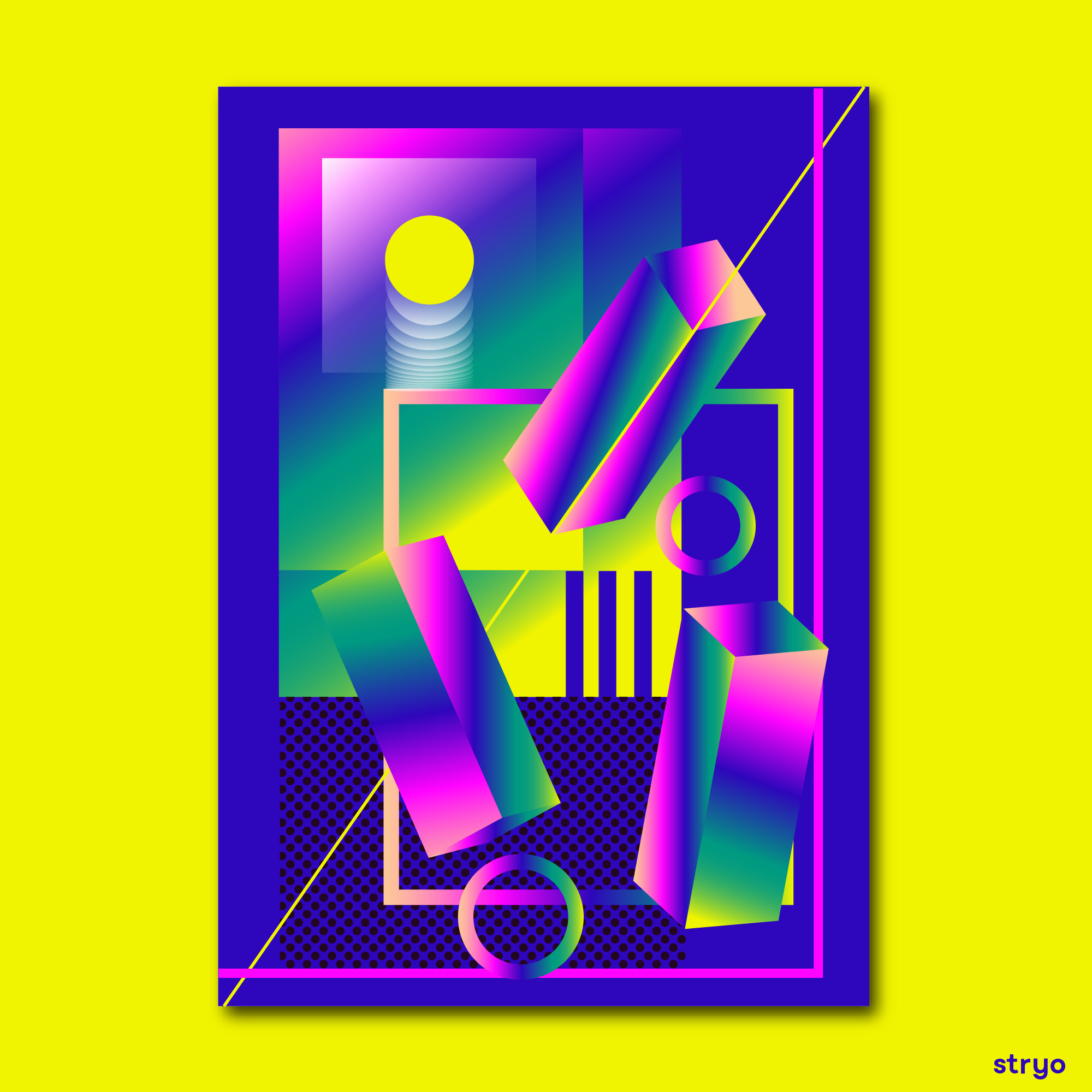
CELLULE #EDE941 is a living wall that breathes with the viewer's presence. As you move, abstract forms emerge—pixels that dance with cells, organisms that respond to your gaze. A dialogue between living and non-living, science and art.
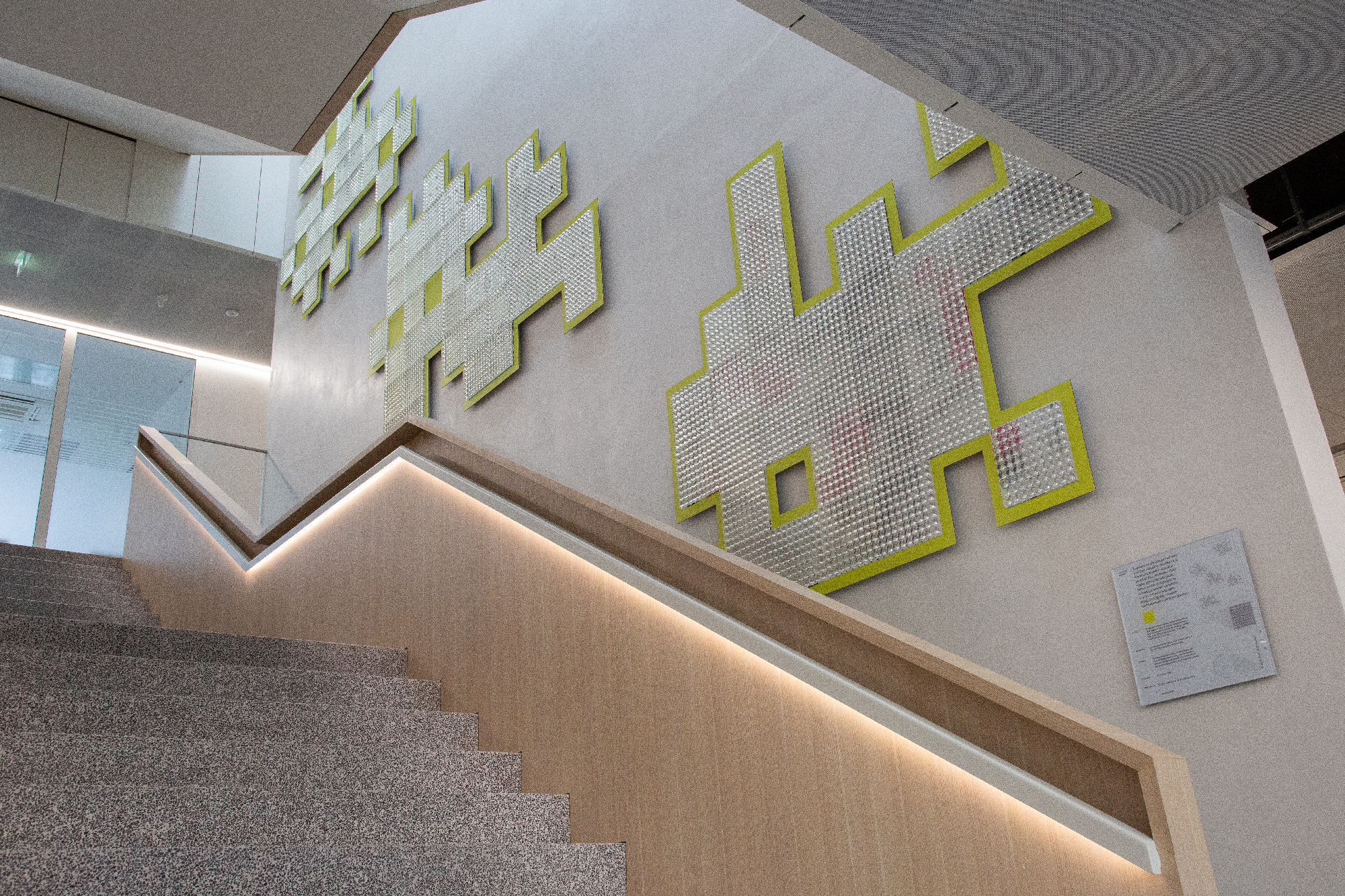
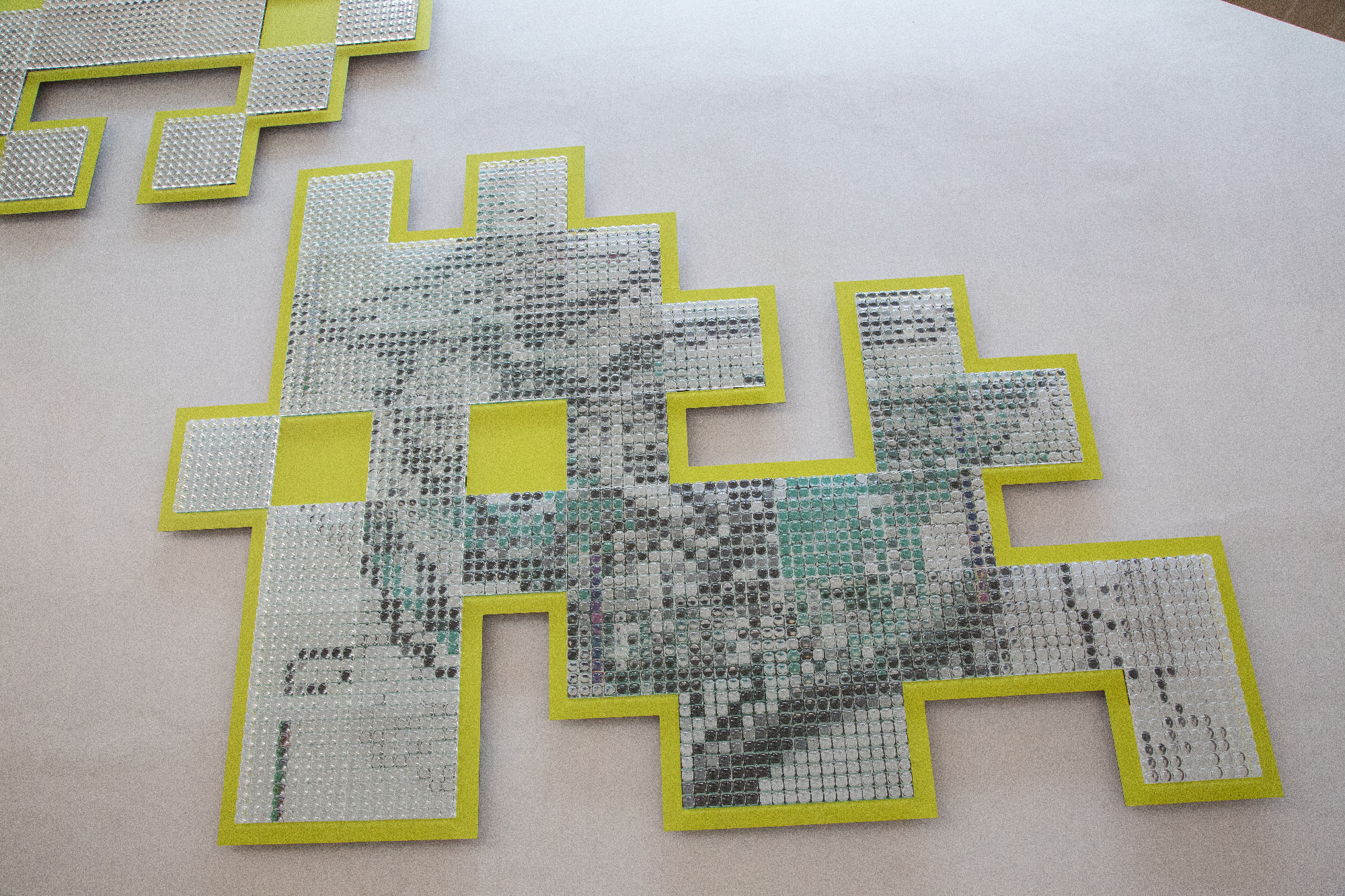
The installation is dormant until you approach. Your movement activates it, revealing forms that belong only to your perspective. Each viewer sees something unique—a reflection of the relationship between observer and observed.
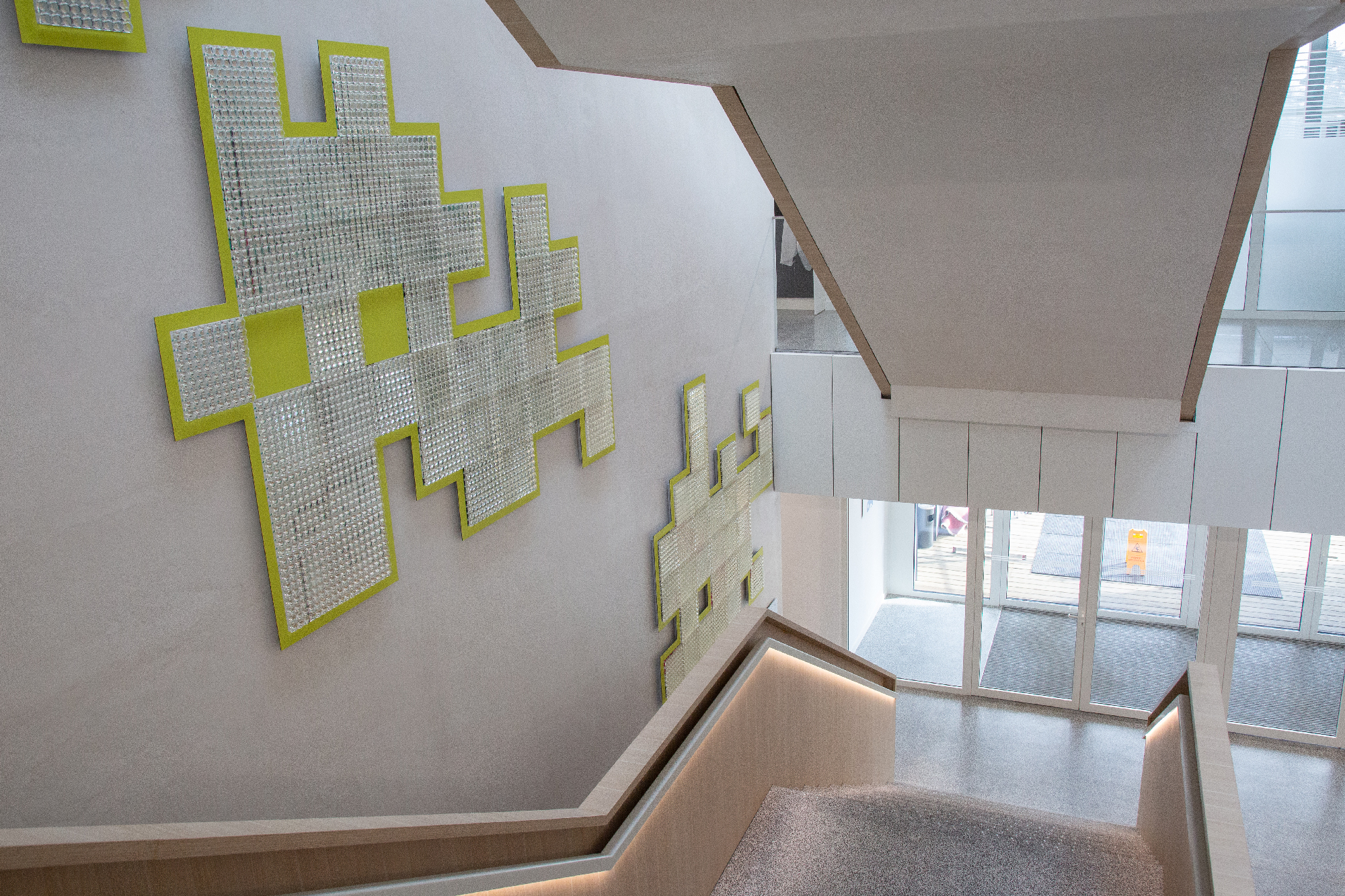
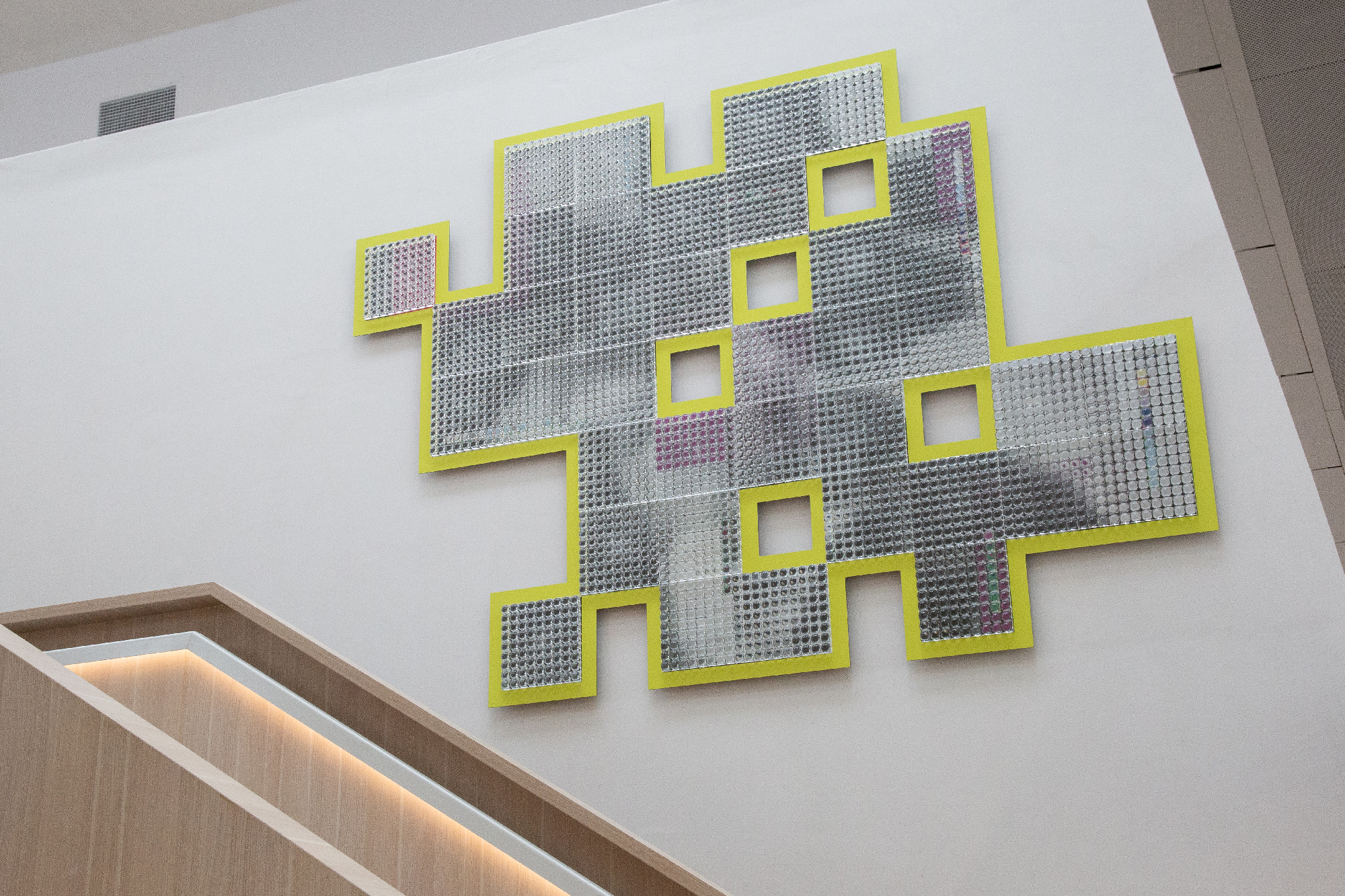
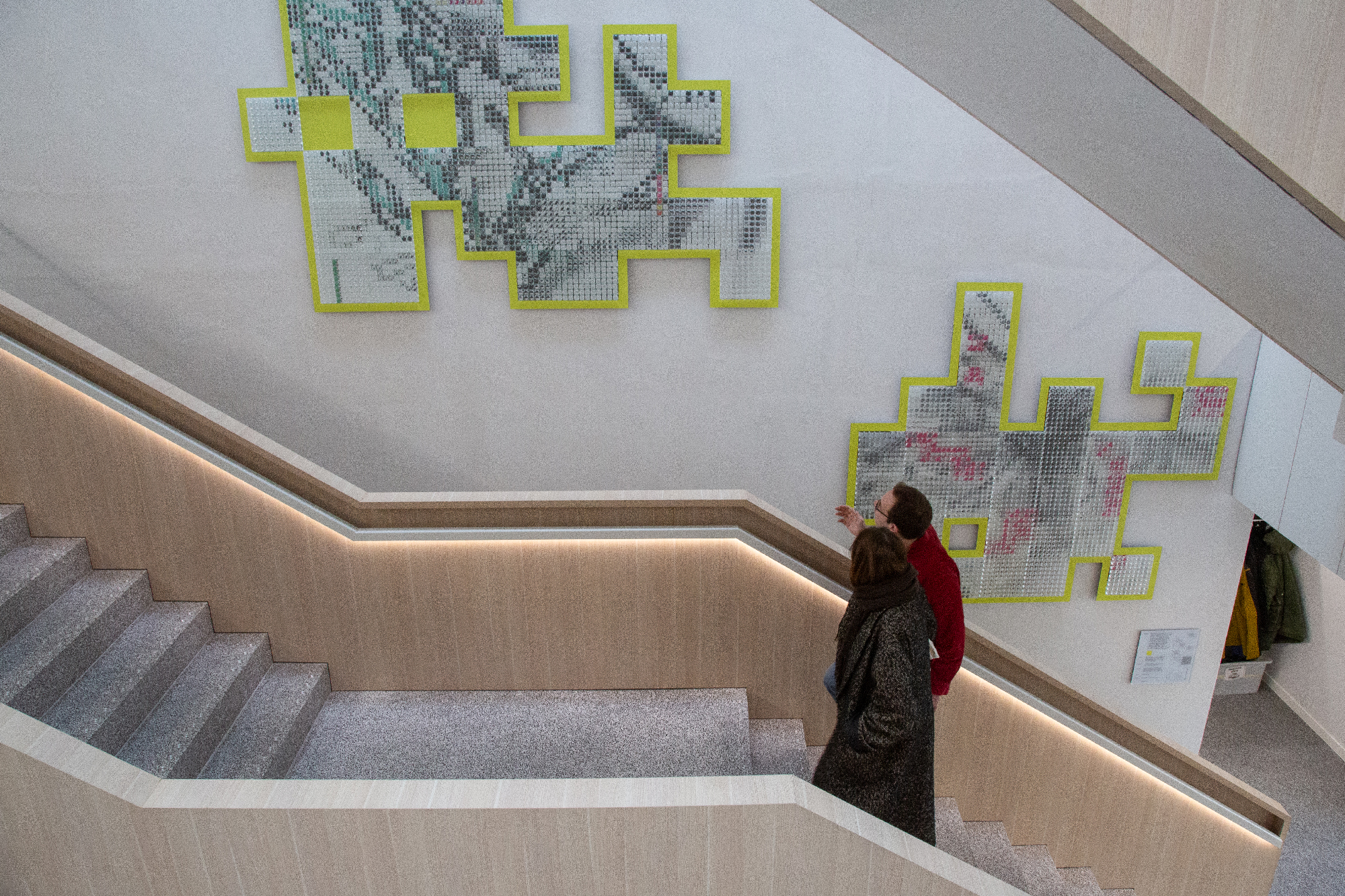
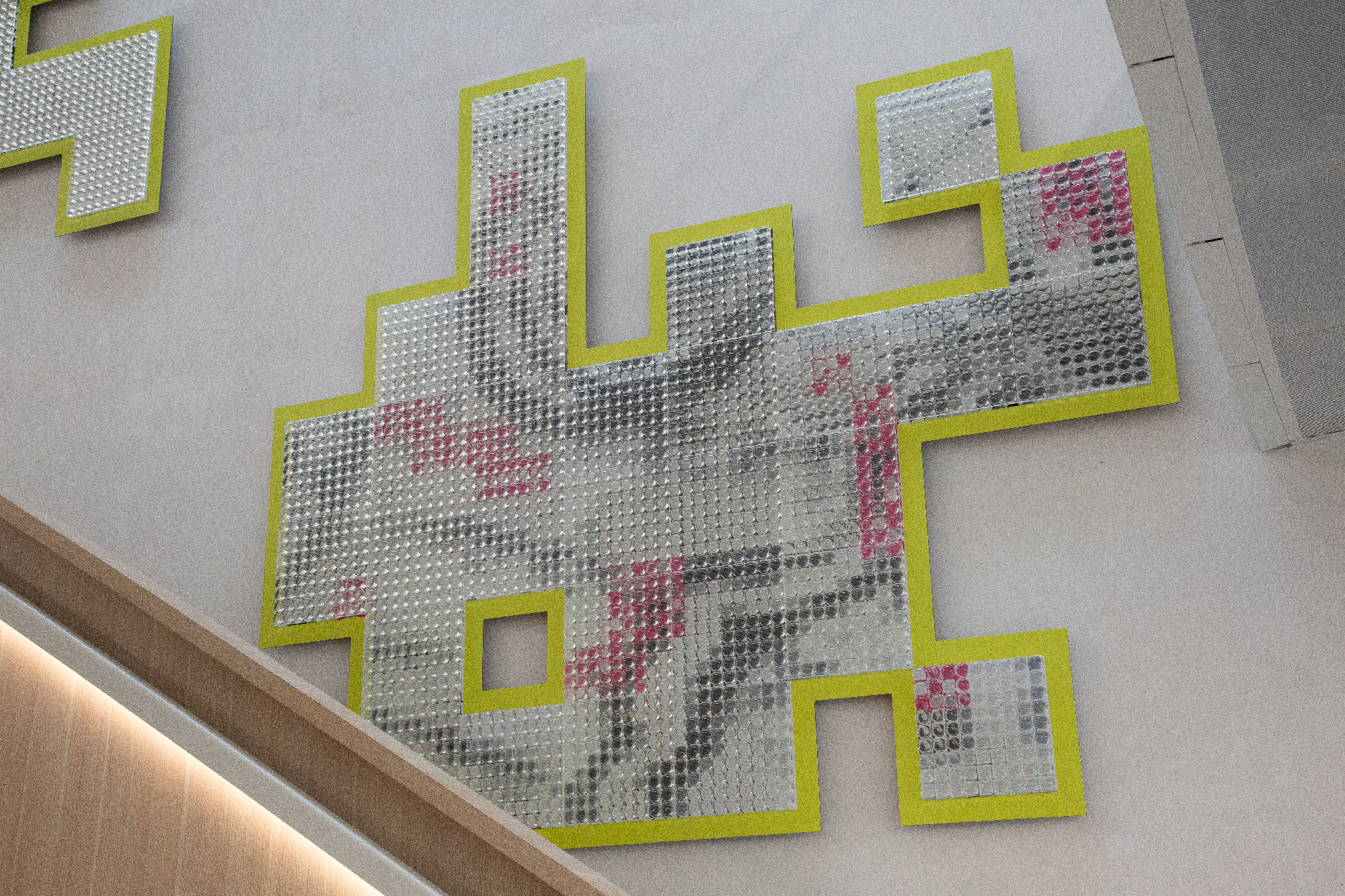
Virtual decomposition opens windows into the unknown. Error becomes revelation; the abstract becomes tangible. CELLULE #EDE941 is a synthesis of scientific inquiry and artistic expression, where pixels become organisms, and organisms become art.
What happens when a wall becomes alive? CELLULE #EDE941, an interactive installation created by a team of master's students at the Academy of Fine Arts and Design in Ljubljana, offers an answer. The work is a living wall—a surface that responds to the presence of viewers, activating when approached, shifting when observed, offering a different experience to each person who encounters it.
The installation explores the relationship between the living and the non-living. Its surface is composed of abstract forms—pixels that behave like cells, organisms that respond to movement, patterns that emerge from the interaction of code and observer. When a viewer stands still, the wall is dormant. When they move, it comes alive. The forms dance, shift, transform. Each movement produces a unique configuration, a visual experience that belongs only to that viewer, that moment.
The title CELLULE #EDE941 suggests both biology and code. "Cellule" evokes the cellular, the organic, the basic unit of life. The alphanumeric sequence suggests a classification, a cataloging, the language of science. Together, they point to the work's dual nature: it is at once organic and computational, natural and artificial, living and constructed.
The work is a collaboration across disciplines. The team—Nia Gombač, Strahinja Jovanović, Tine Lisjak, Hana Podvršič, Eva Popit—brought together expertise in visual communication, interaction design, and digital art. The mentors—Boštjan Botas Kenda, Peter Koštrun, Rok Kuhar, Matej Stupica—provided guidance in the synthesis of artistic and scientific approaches. The implementation, supported by RPS and Brane Filipič, brought the vision into physical space.
The installation engages with questions of perception and perspective. Virtual decomposition—the breaking down of the image into its constituent parts—allows viewers to look more deeply, to see what is usually hidden. Error, often a problem to be corrected, becomes a revelation, a new way of seeing. The work embraces imperfection, celebrating the glitch as a window into the unknown.
For the artists, CELLULE #EDE941 was an exploration of how technology can create new forms of connection. The work does not simply present an image; it creates a relationship. The viewer's movement is part of the work; their presence activates it. Without them, the wall is dormant. With them, it becomes a space of encounter between human and machine, observer and observed, the living and the constructed.
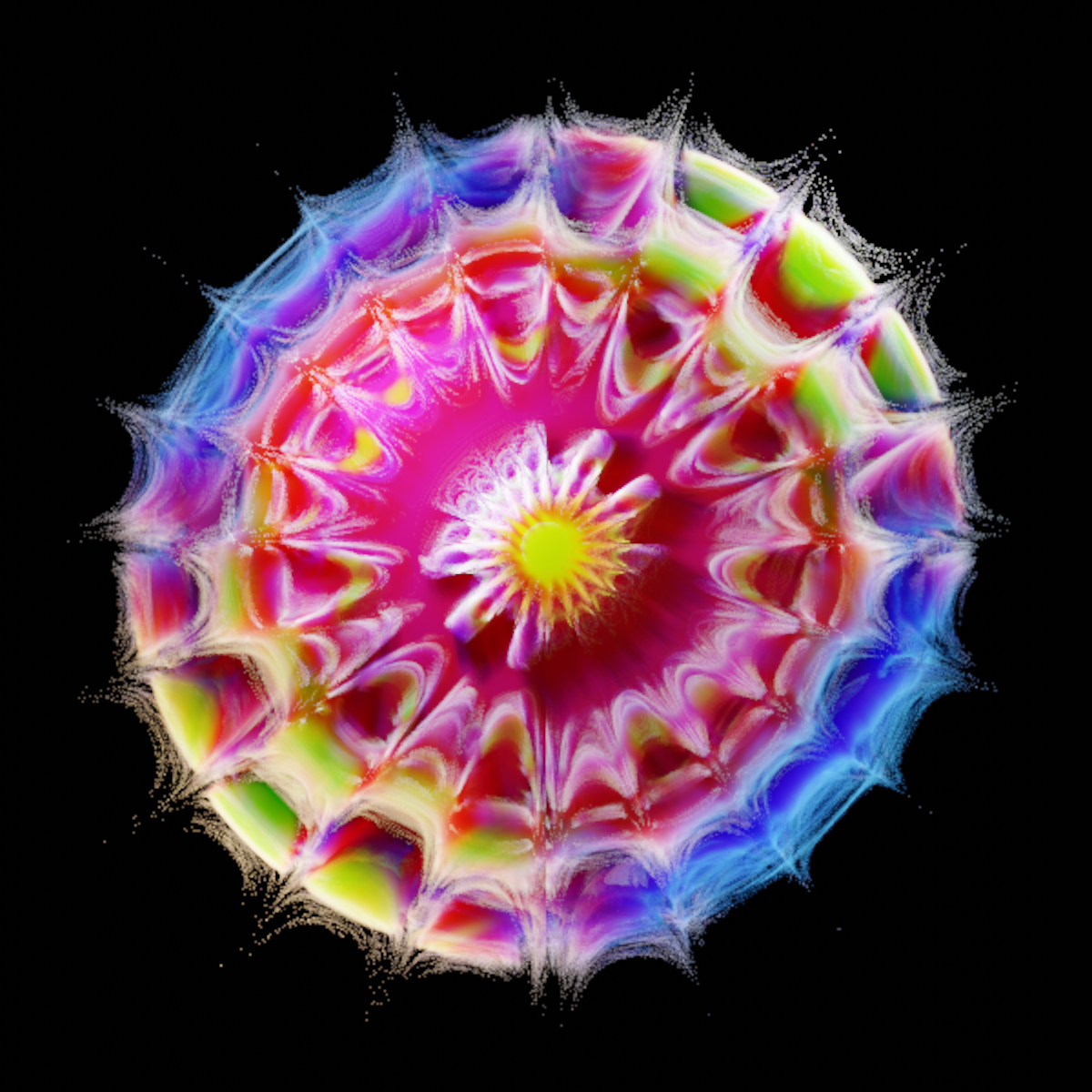
The installation also reflects a broader interest in the intersection of art and science. The forms that emerge on the wall are not arbitrary; they are informed by biological processes, by cellular behavior, by the logic of growth and decay. The work asks what happens when we bring these processes into the space of art—when we treat the pixel as a cell, the screen as an organism, the wall as a living thing.
In the end, CELLULE #EDE941 is about encounter. Encounter between viewer and artwork, between movement and form, between the living and the non-living. It is a work that asks us to move, to look, to see what emerges when we do.
.gif)
.gif)