TurnTower is a puzzle game set in an Escher-inspired world. Rotate tiles to create pathways linking colored tower entrances. Each click turns a tile 90 degrees—simple mechanic, endless spatial challenges.

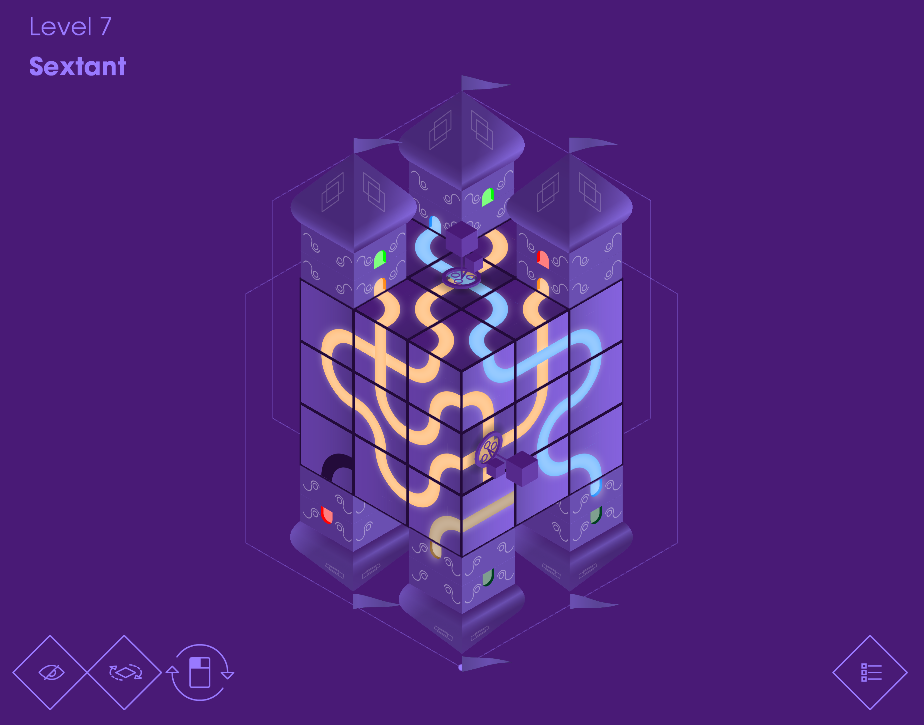
Navigate impossible landscapes, rotate interlocking tiles, connect tower to tower. TurnTower combines the visual wonder of Escher with the logic of a puzzle game. Available to play on ArmorGames.
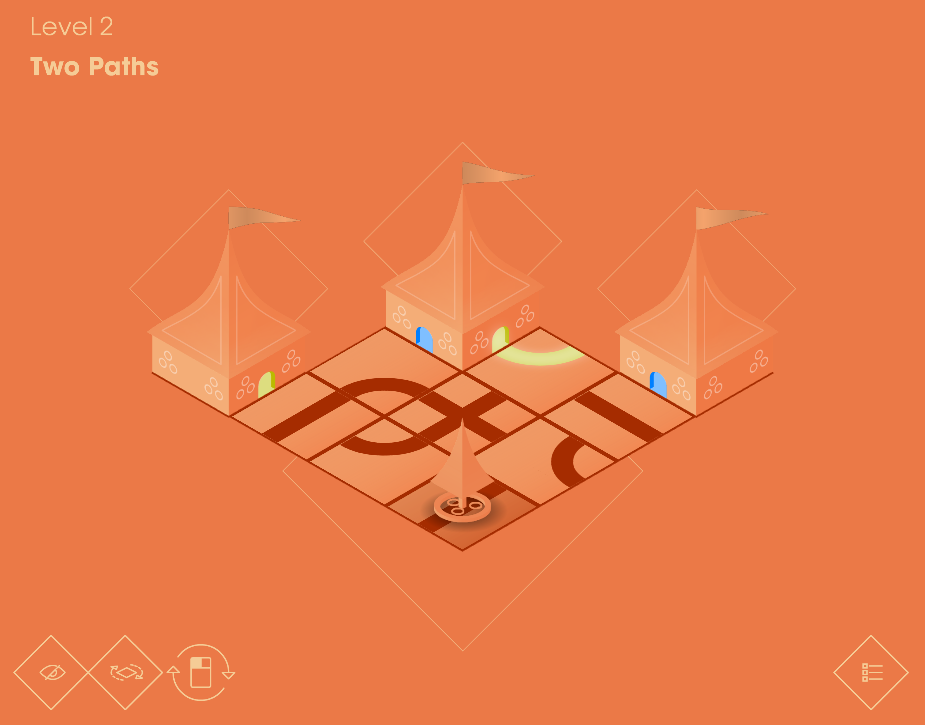
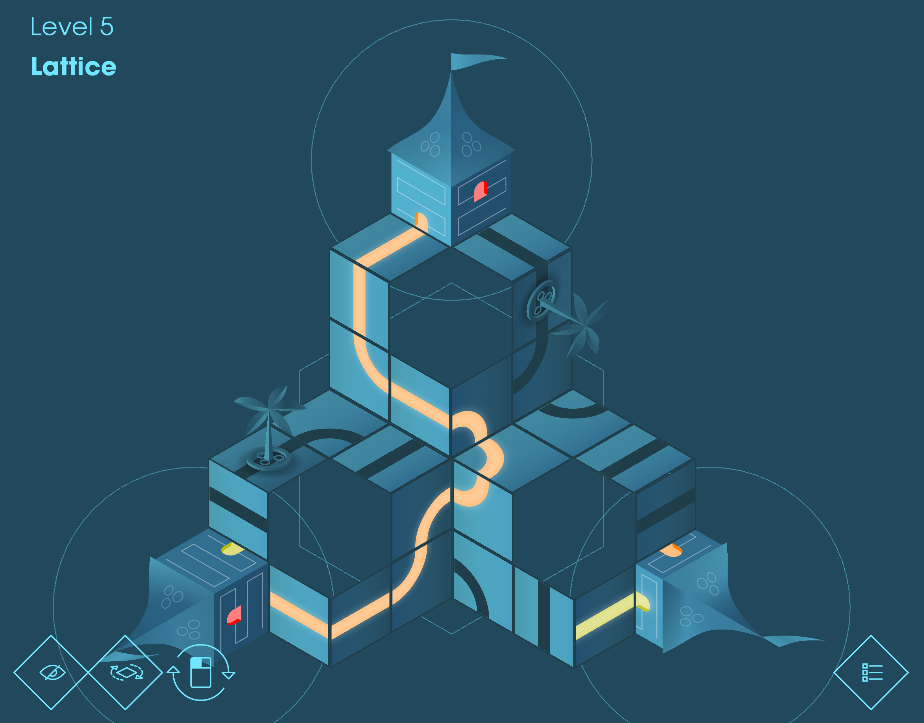
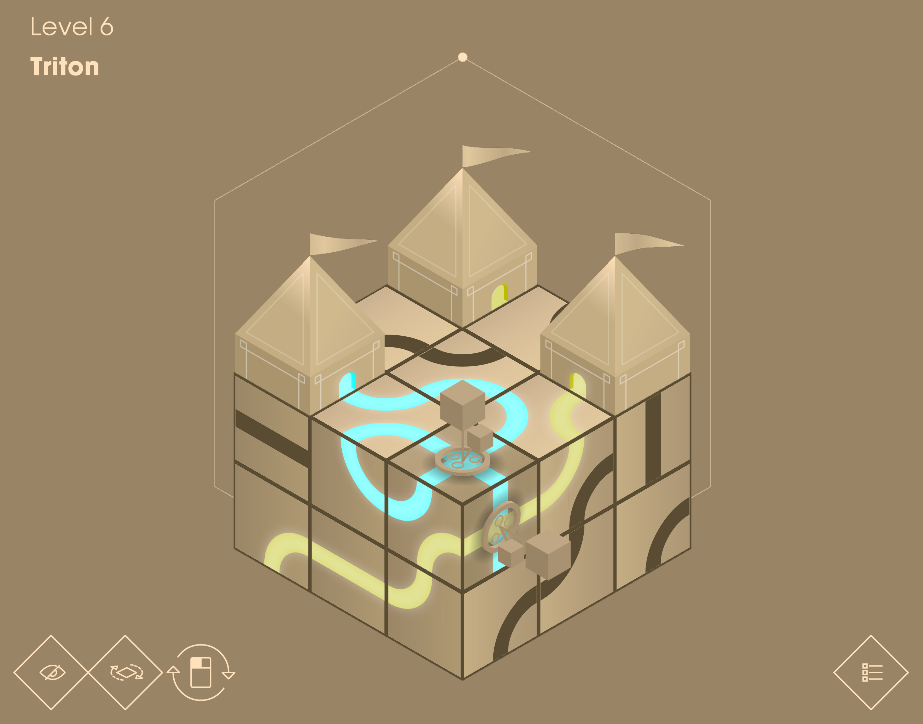


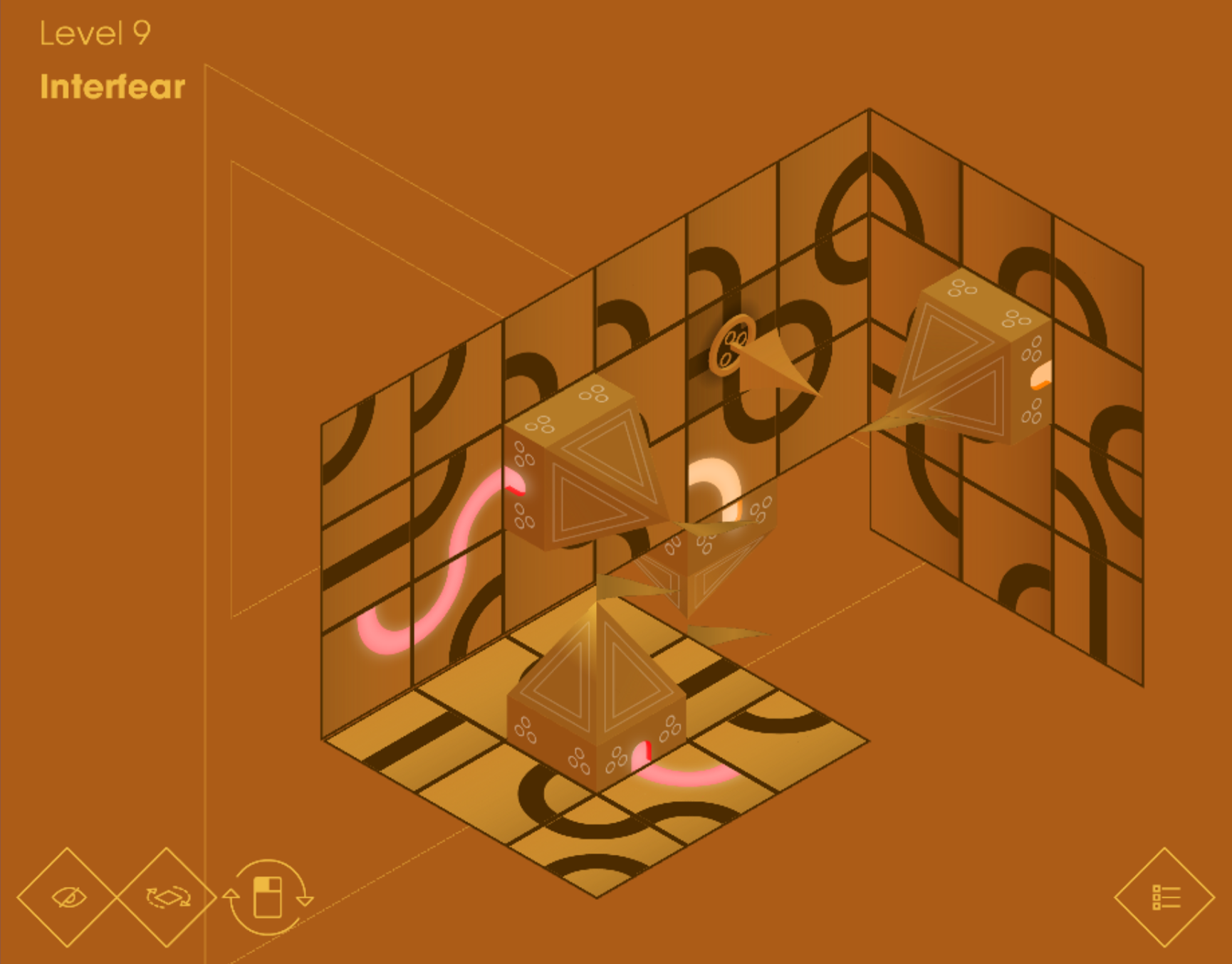

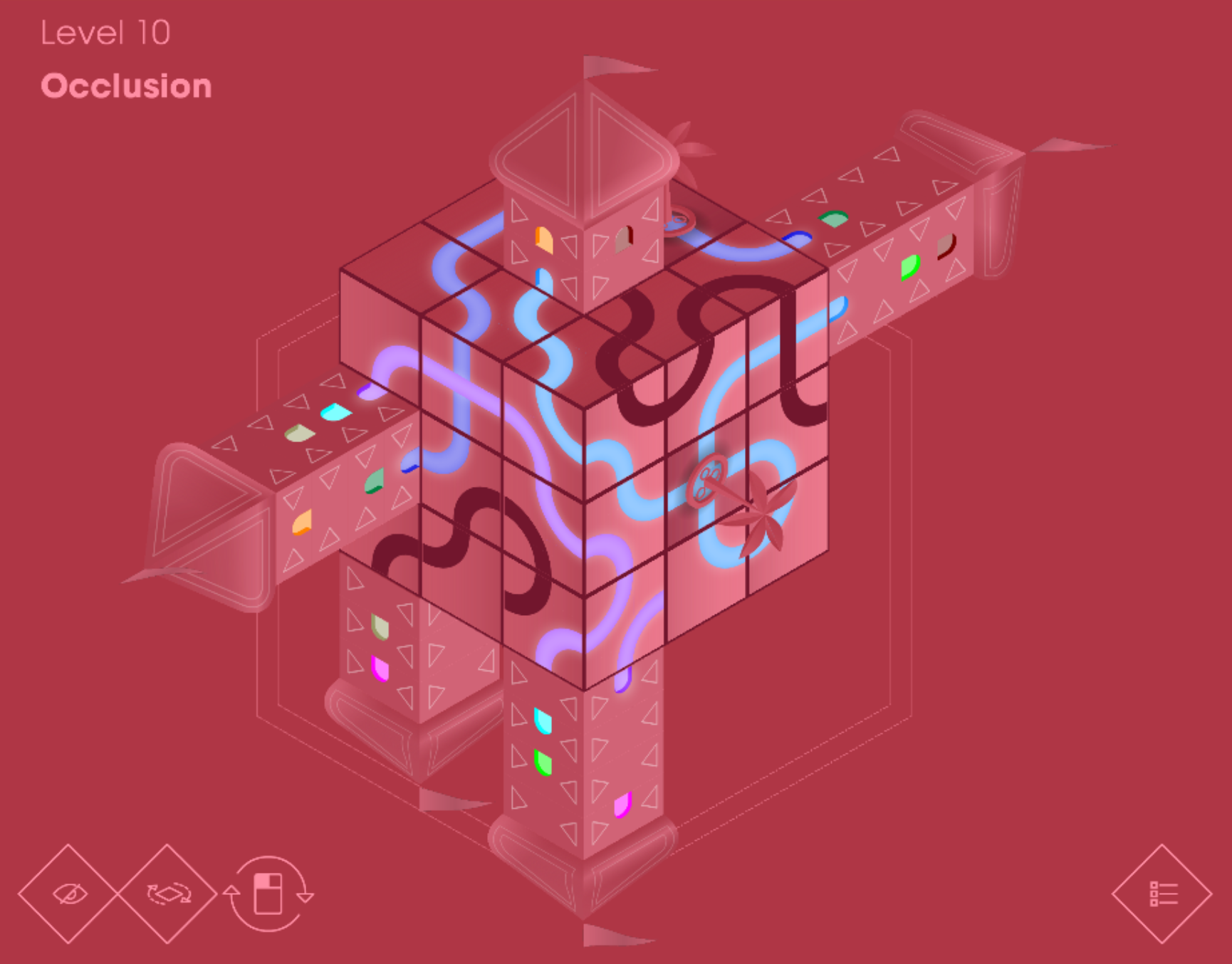
In a world of shifting perspectives, your goal is connection. Rotate tiles to build routes between colored towers. The architecture is surreal; the challenge is pure logic.
In 2019, Strahinja Jovanović collaborated with Charles Maragna (@playsnicely) to create TurnTower, a browser-based puzzle game published on ArmorGames.com. The game is set in an Escher-style world—a landscape of impossible architecture, shifting perspectives, and interlocking forms where up and down are matters of interpretation. The player's task is simple to state but challenging to execute: link the variously colored tower entrances across the interconnecting landscapes.
The core mechanic is elegant. The game is built on a grid of tiles, each one bearing a fragment of pathway. Click a tile, and it rotates 90 degrees. The challenge is to use these rotations to create continuous paths that connect each colored tower entrance to its matching exit. The puzzles escalate in complexity as the game progresses, introducing more towers, more constraints, more layers of interconnection.
The visual language of TurnTower is central to its appeal. The Escher influence is unmistakable: the landscapes are constructed from forms that seem to fold into themselves, staircases that lead nowhere, structures that defy gravity. The perspective is isometric, but within that isometric space, the impossible is made possible. Tiles connect in ways that should not work, pathways twist through dimensions, and the player is invited to accept the logic of the world as it is given—not to question it but to work within it.
The collaboration between Strahinja and Charles brought together strengths in visual design and game mechanics. Strahinja’s background in isometric illustration, his interest in modular systems, his attention to color and form—all found expression in the game’s aesthetic. Charles brought expertise in game design, in creating puzzles that are satisfying to solve, in balancing challenge with accessibility.
TurnTower was designed as a browser game, a format that allows for easy access and quick play. The puzzles are self-contained, each level offering a new configuration of towers and tiles. There is no time pressure, no penalty for mistakes—only the satisfaction of finding the right sequence of rotations, of watching the paths align, of seeing the connections made.
The game’s title reflects its mechanics and its world. The towers turn; the tiles turn; the player turns possibilities over in the mind. Each rotation is a decision, each decision brings the solution closer or sends it further away. The satisfaction comes not from speed but from insight, from the moment when the pattern becomes clear, when the pathway reveals itself.
For Strahinja, TurnTower was an opportunity to work in a new medium—game design—while staying true to his visual interests. The game’s aesthetic is continuous with his other work: the isometric perspective, the modular construction, the careful attention to color and form. But it also pushed him to think about interactivity, about user experience, about the relationship between the designer and the player.
TurnTower remains available to play, a testament to what can be made when visual design and game mechanics work together. It is a puzzle game, but also a meditation on perspective, on connection, on the satisfaction of watching pieces come together. In an Escher world, nothing is what it seems—but with enough rotations, even the impossible can be made to connect.

.gif)