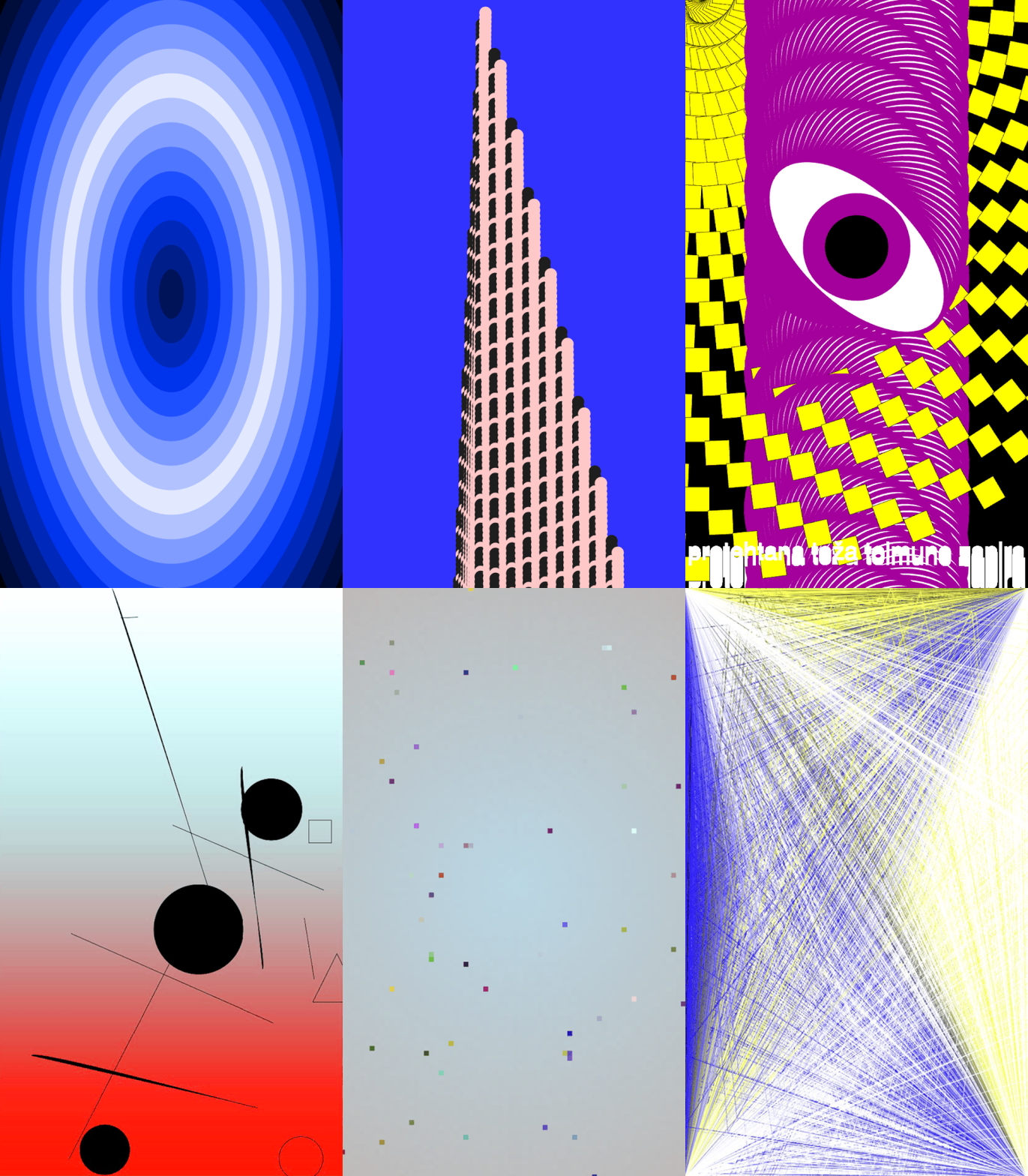
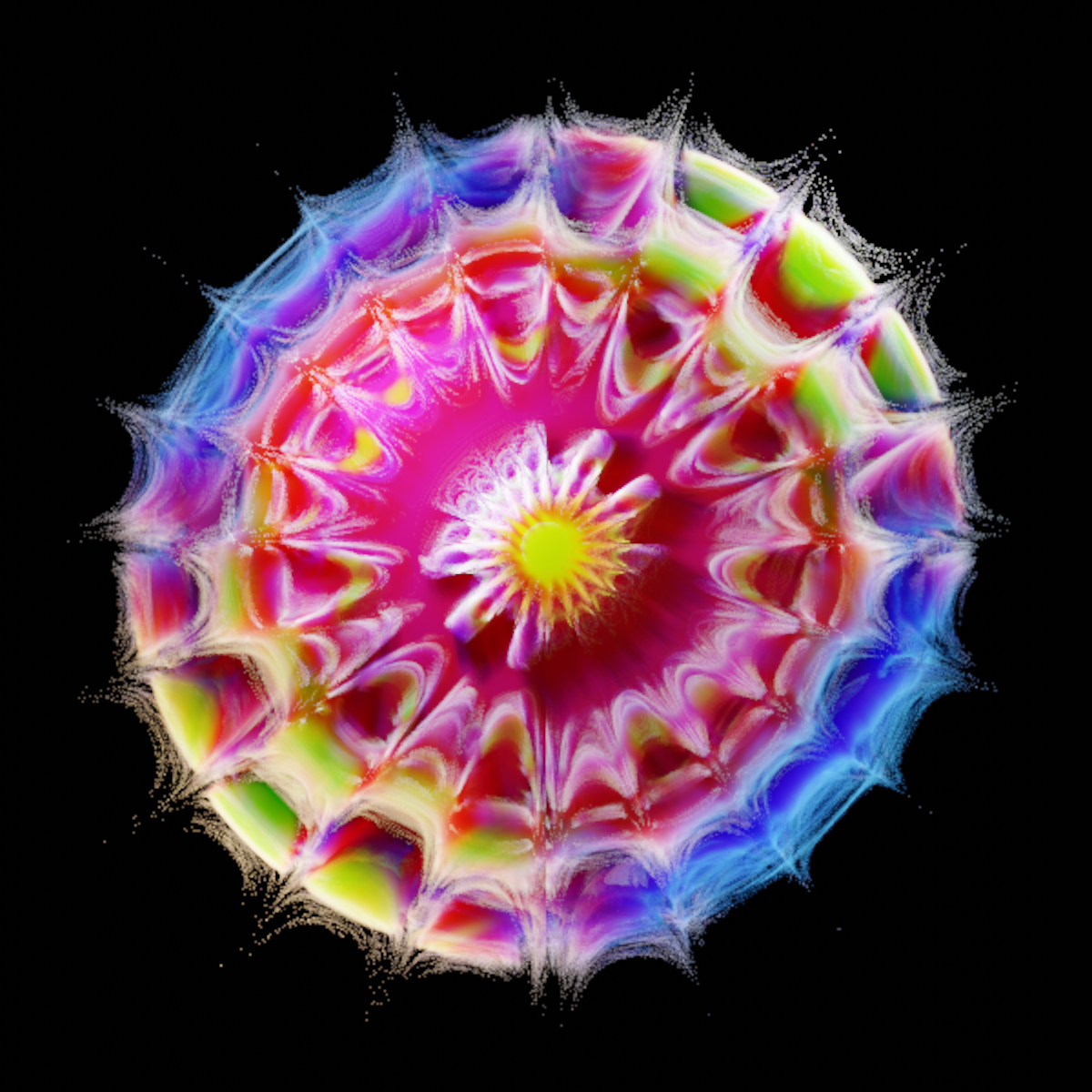
Building on the Dimensions project, this poster series adds typography to the exploration of space and time. Colors and shapes become language; letters become forms. The question: is space empty, or is it alive with emotion and connection?
.gif)
.gif)
What if space is not emptiness but feeling made visible? What if time carries emotion? Posters 2020 explores these questions through graphic design, asking us to see dimensions not as abstractions but as lived, felt, inhabited.


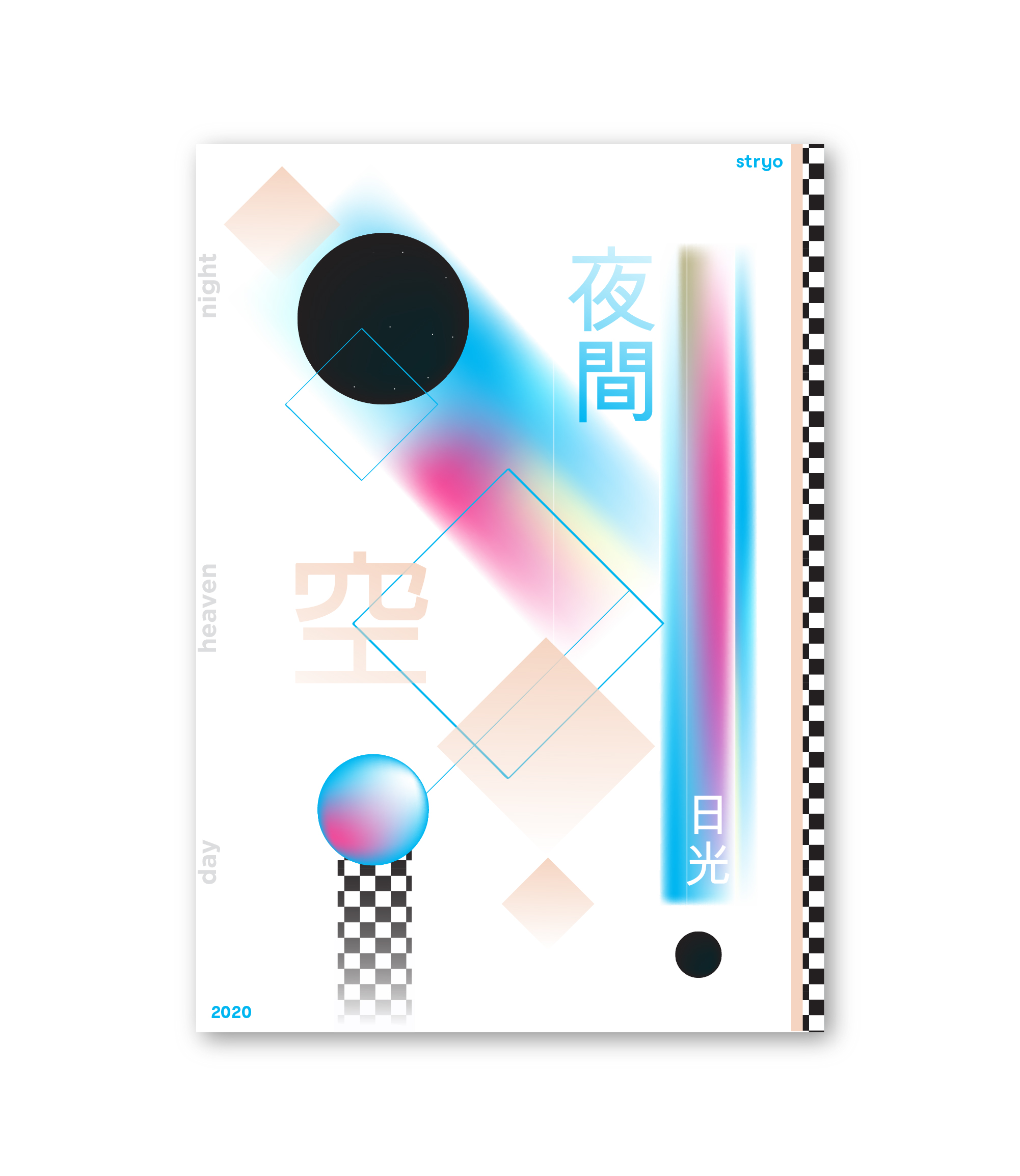

Through color, shape, and typography, this series expands our understanding of space and time. It suggests that dimensions are not empty containers but fields of relation—overwhelmed with emotion, connection, life.
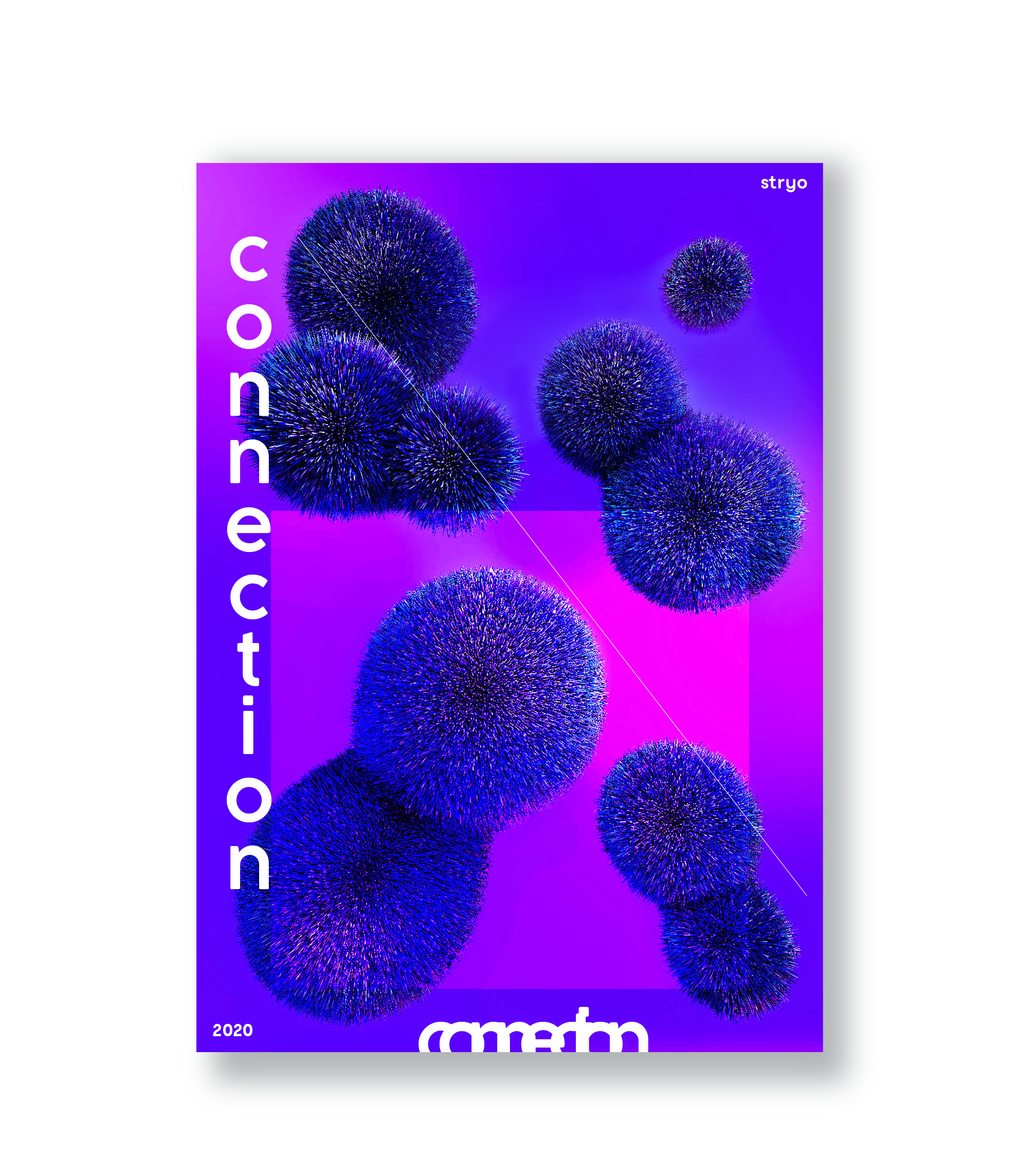
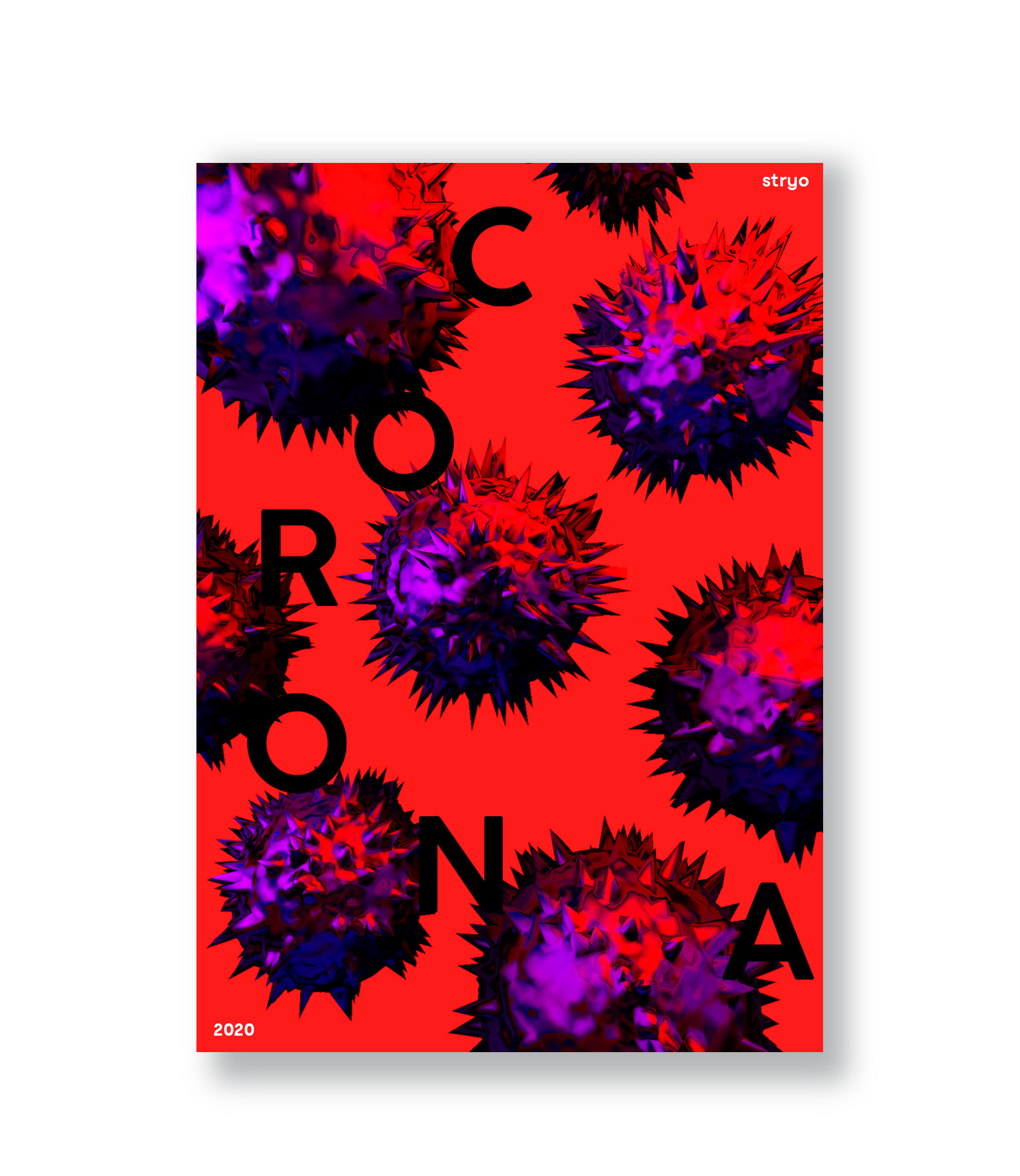
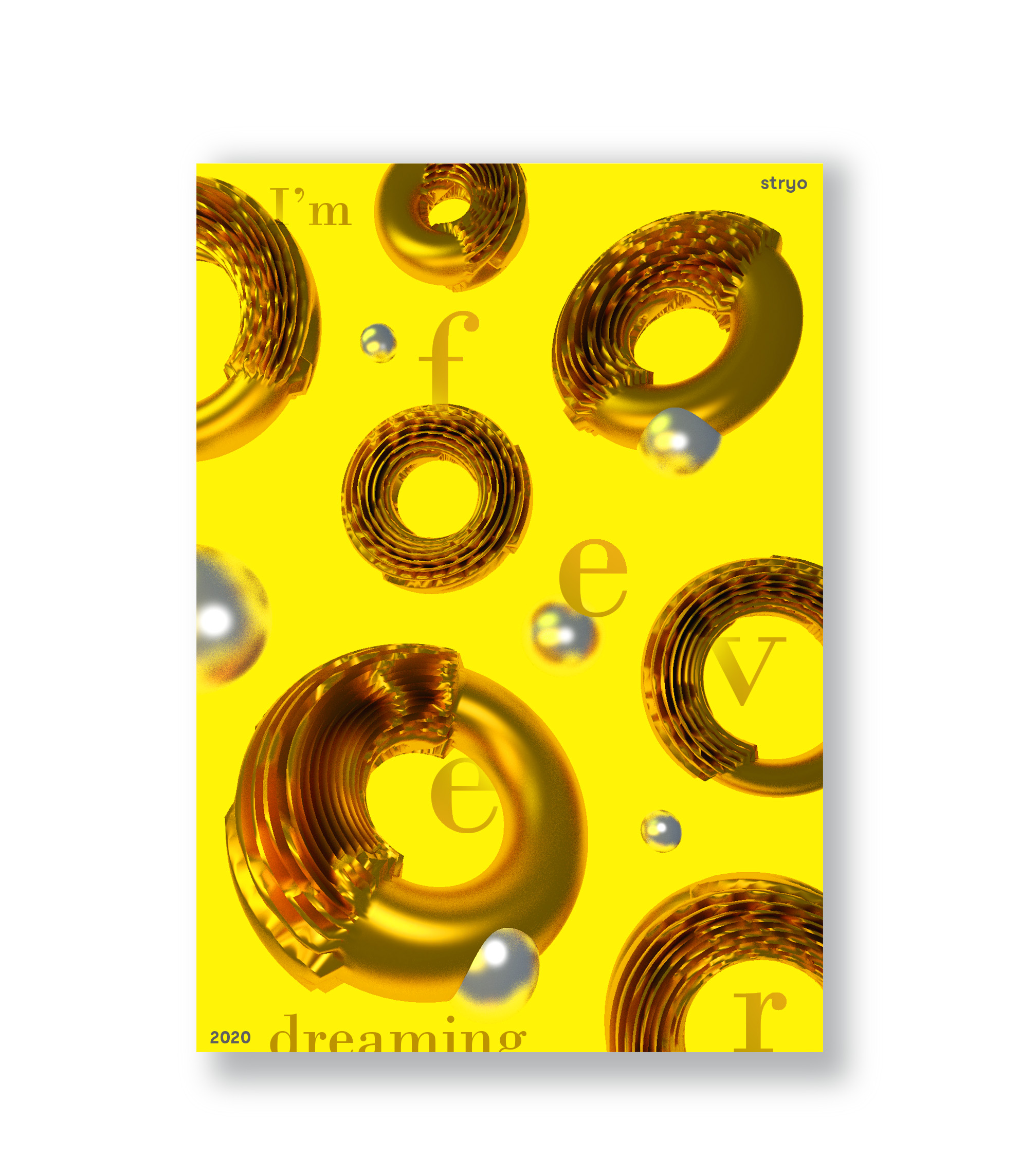

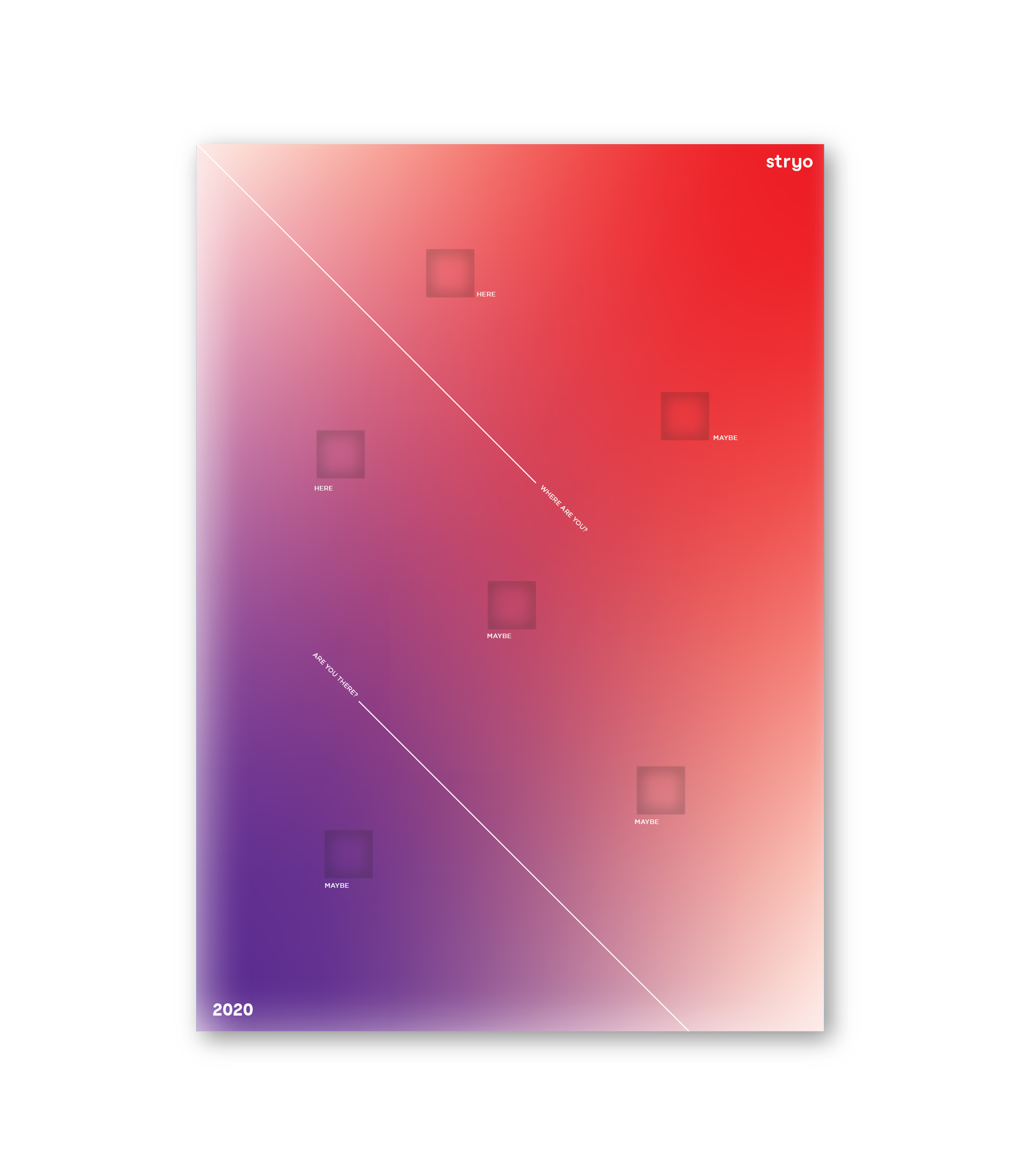

In 2020, Strahinja Jovanović created a series of posters that extended the exploration begun in his earlier project, Dimensions. Where Dimensions had explored space and scale through color and line, Posters added typography to the mix—a new element, a new language for thinking about the nature of reality.
The posters ask a fundamental question: what are dimensions, really? Are they empty containers, neutral spaces in which things happen? Or are they something else—fields of relation, charged with emotion, alive with connection? The project proposes the latter. Space, in these posters, is not empty; it is formed by the relationships that unfold within it. Time is not a line; it is a texture, a density, a quality of experience.
The visual language of the posters is precise and expressive. Color does the work of emotion: warm tones for closeness, cool for distance, saturated for intensity, muted for reflection. Shape does the work of relation: forms that reach toward one another, that overlap, that separate. And typography does the work of meaning: letters that are not simply carriers of text but elements of composition, parts of the visual field, shapes that carry weight and presence.
The project builds on the earlier Dimensions work, but also extends it. Where Dimensions explored the macro and micro—the vast and the infinitesimal—Posters focuses on the human scale, on the space we inhabit, on the time we experience. The questions are not cosmological but existential: what does it mean to be here, now, in this space, with these others? What fills the spaces between us?
The posters are also a meditation on the nature of graphic design itself. Design works with space and time: the space of the page, the time of reading. It organizes, structures, gives form. Posters 2020 asks what happens when design turns its attention to the conditions of its own existence—when it asks not what to put in space, but what space is.
The series is unified by its materiality. The posters are objects, meant to be seen in sequence, to be lived with, to be returned to. They are not illustrations of ideas but embodiments of them. To look at a poster is to enter a field of relations, to experience the space it creates, to feel the time it takes to read.
For Strahinja, the project was an opportunity to bring together the threads of his practice: his interest in mathematics and physics, his training in graphic design, his engagement with philosophy and visual art. The posters are the result of this synthesis—a work that is rigorous in its thinking and open in its invitation.
The question the posters pose is not answered; it is offered. Maybe space and time are empty; maybe they are full. The viewer is asked to consider, to feel, to decide. The posters do not tell us what to think; they create a space in which thinking can happen.
In the end, Posters 2020 is a series about relation. The relation between color and emotion, between shape and meaning, between space and what fills it. It is a meditation on what it means to be in the world—to be present, to be connected, to be alive in dimensions that are not empty but overflowing.