What surrounds us? What protects us? The Quarantine asks us to look again at the objects of daily life. Through still lifes rendered in Renaissance light, it reveals their materiality, their presence, their quiet existence.
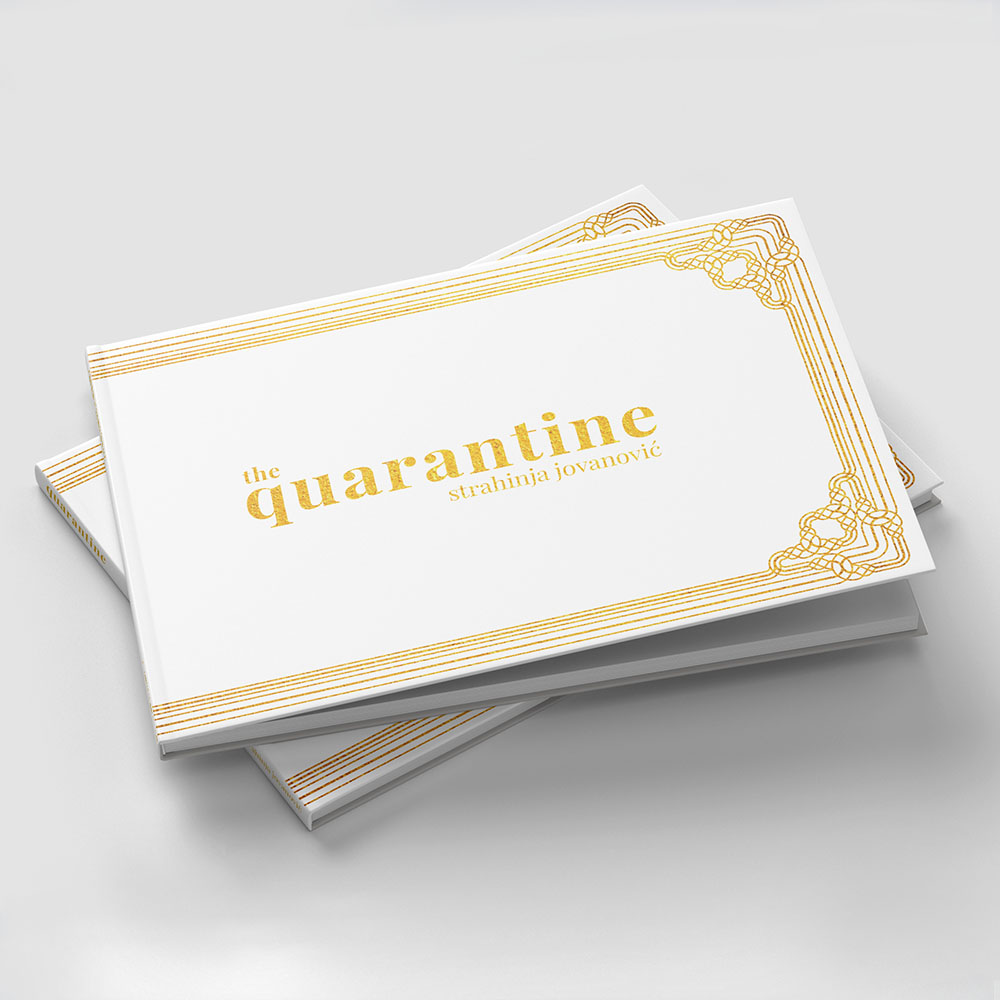

Foil catches the light, freezing the object in a moment of stillness. The book becomes a quarantine of things—a space where everyday objects are held, examined, seen anew. Globalization, consumerism, protection—all are called into question.

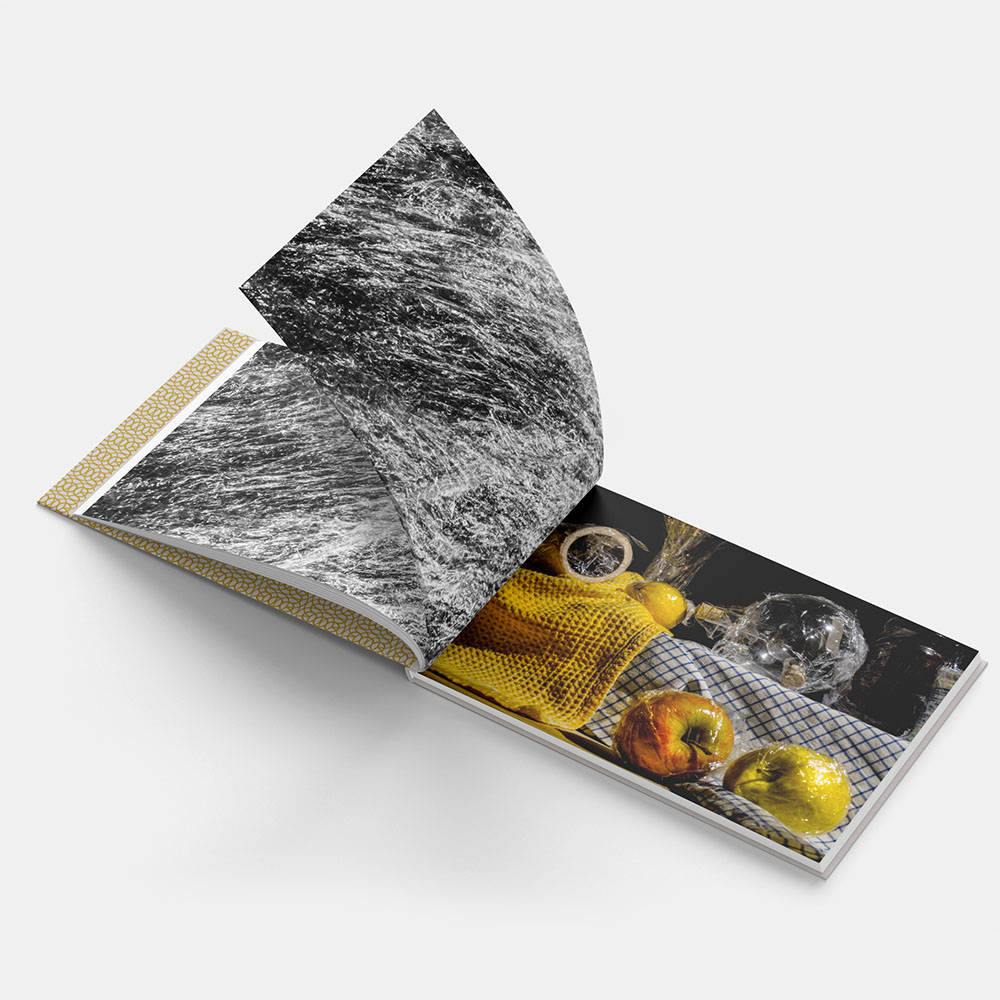
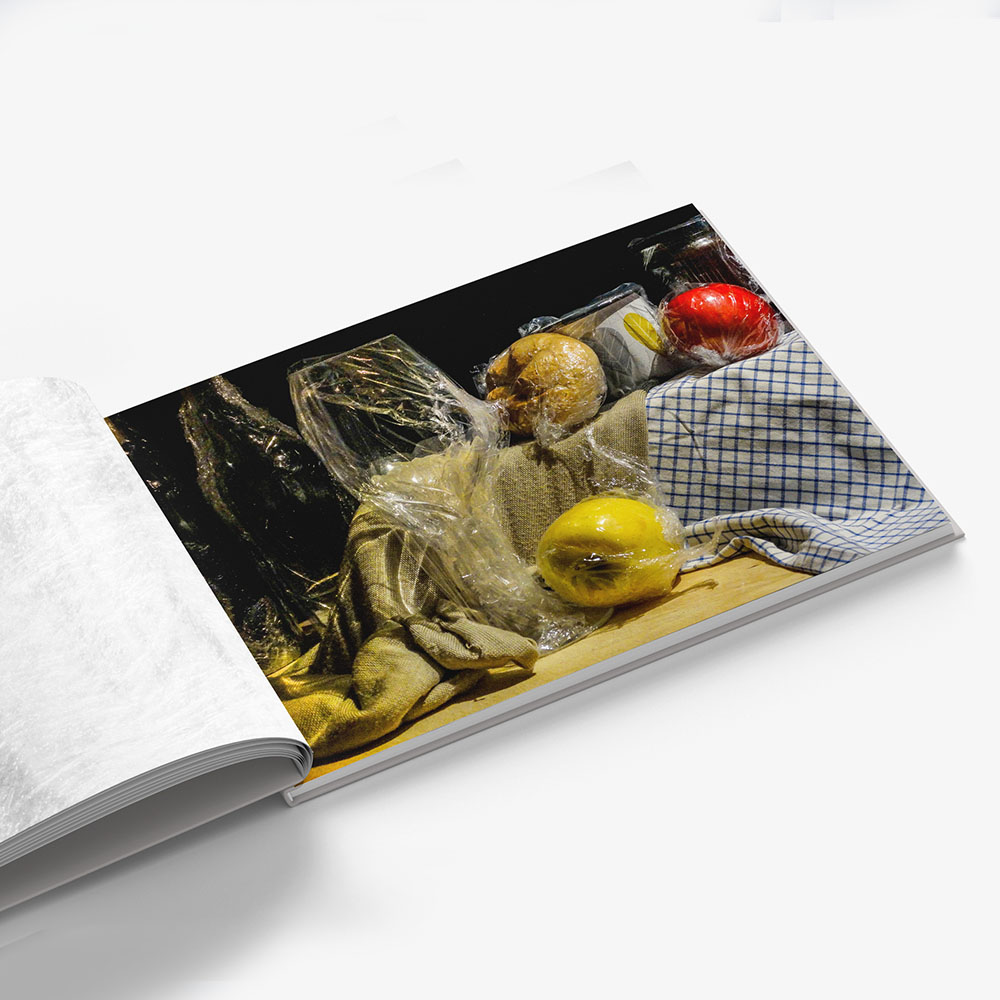
Dynamic light evokes the plasticity of objects, their weight, their texture, their reality. The Quarantine uses the visual language of still life to ask how we become aware of what surrounds us—and what it means to be protected.

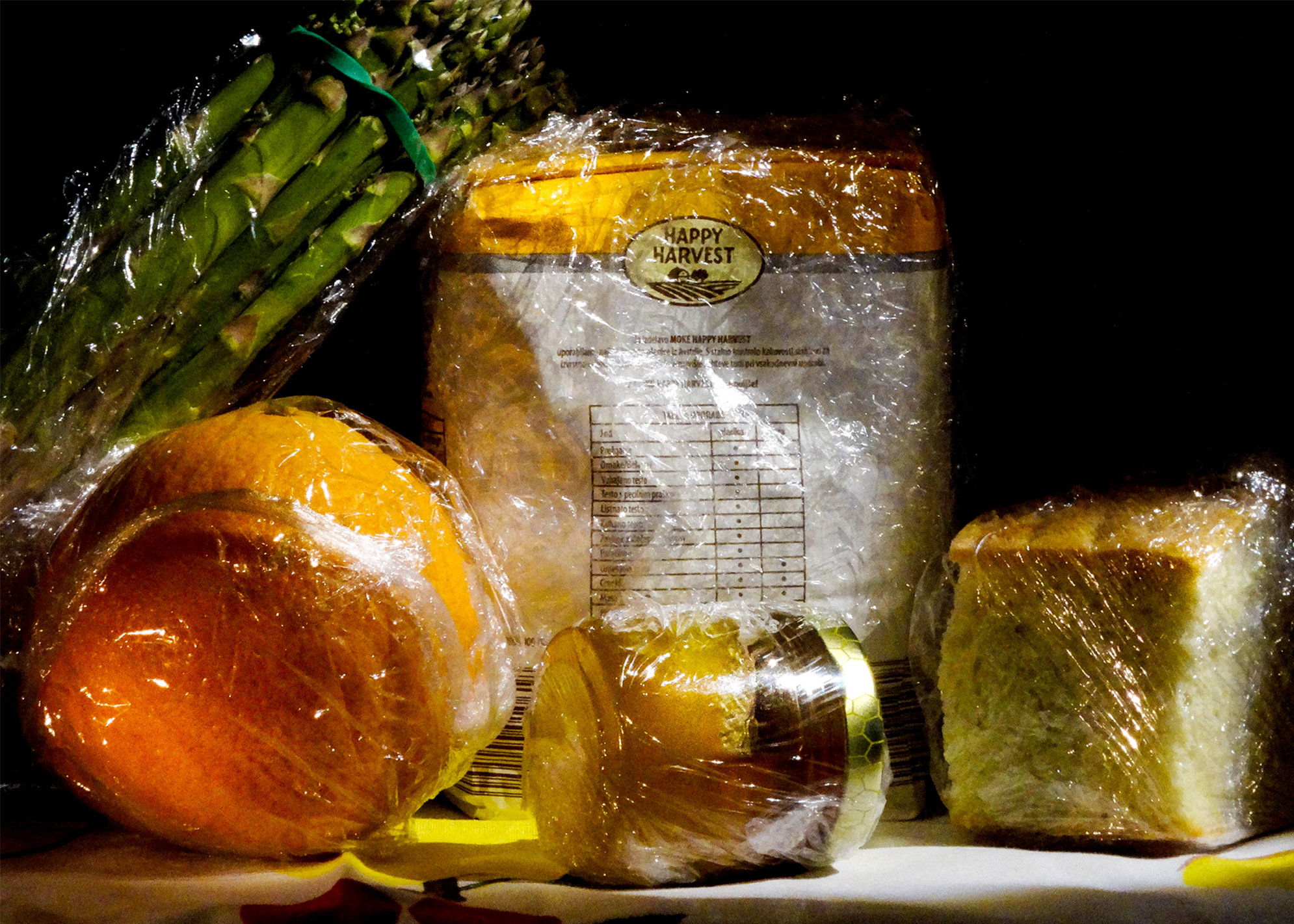


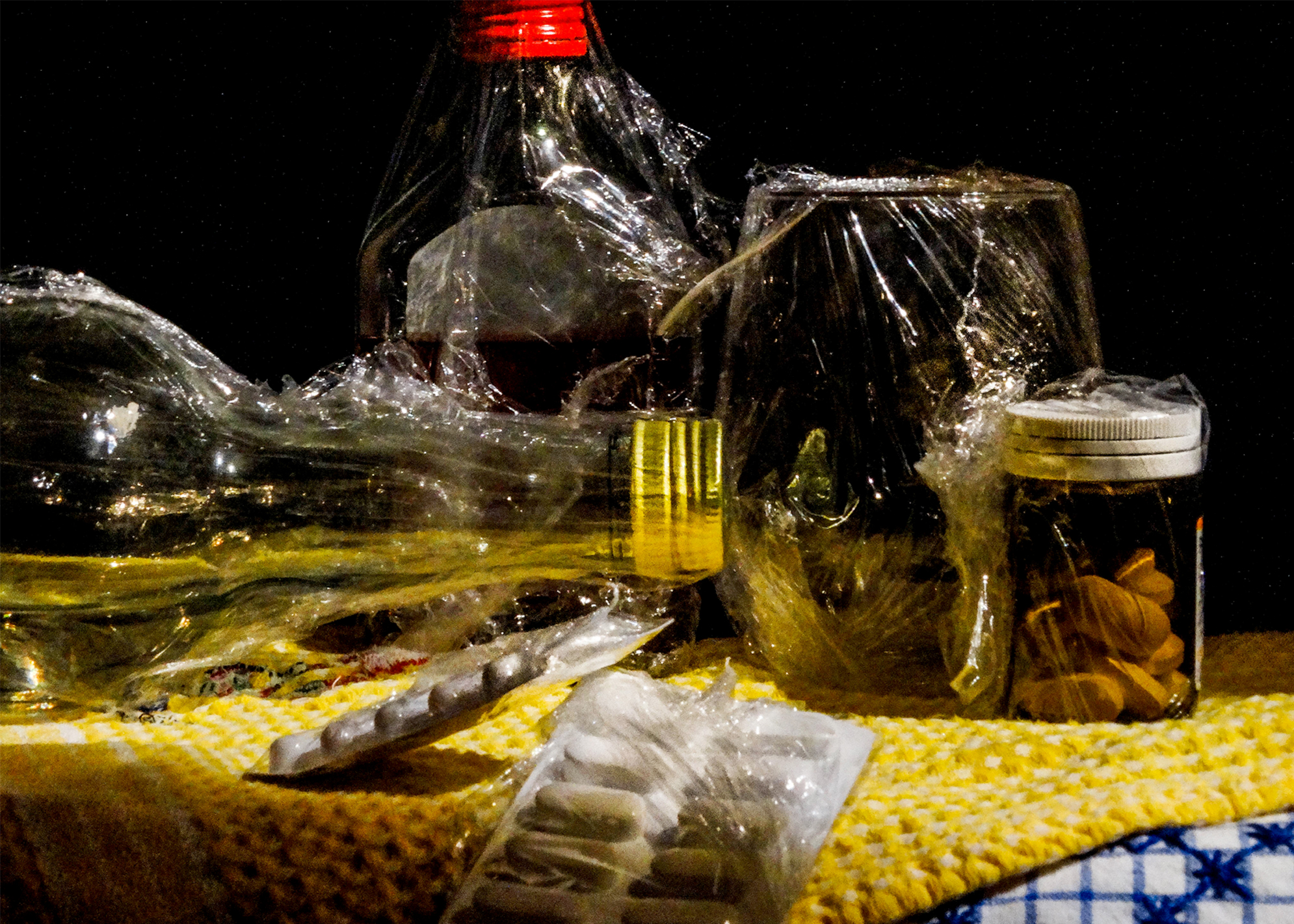


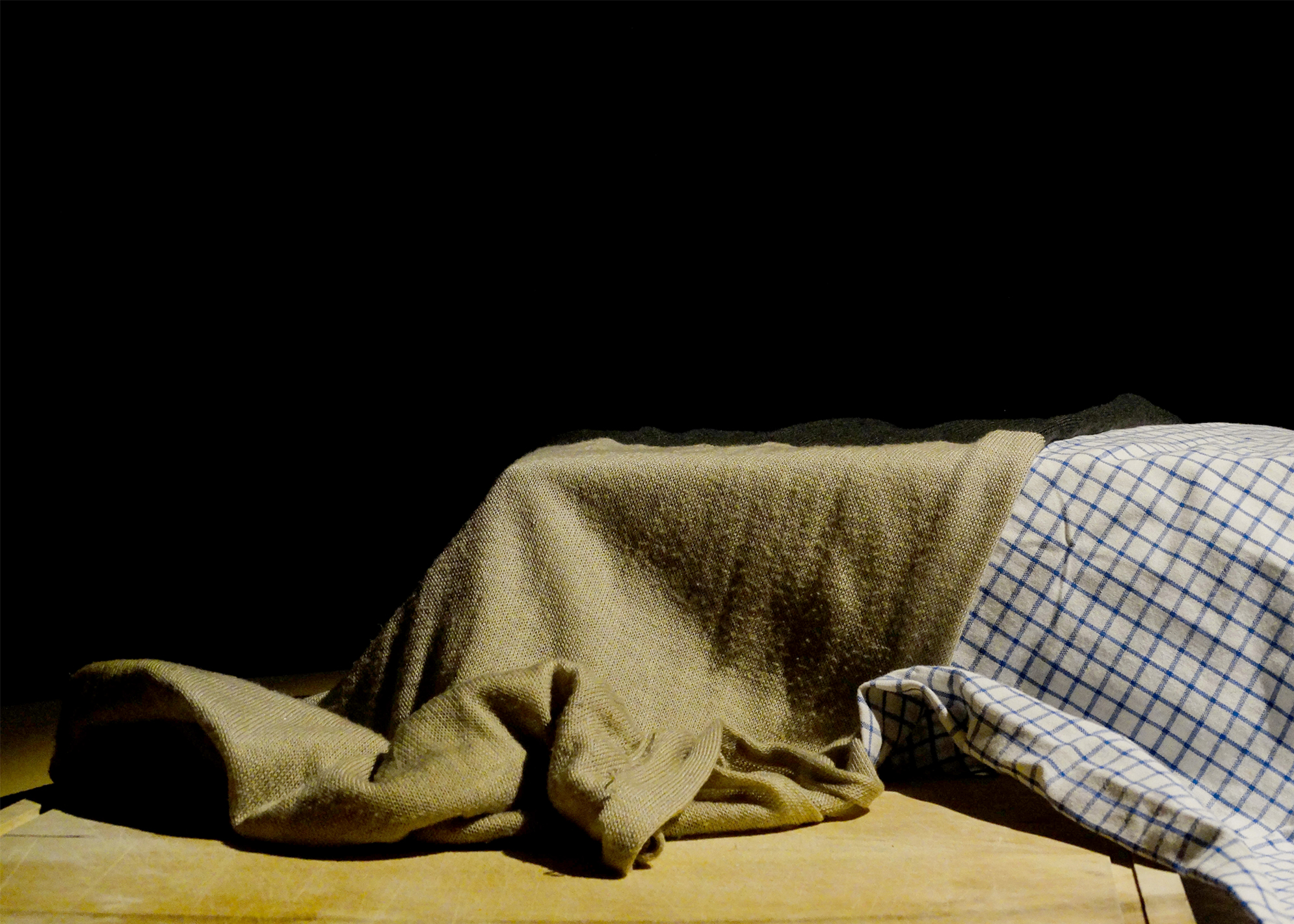
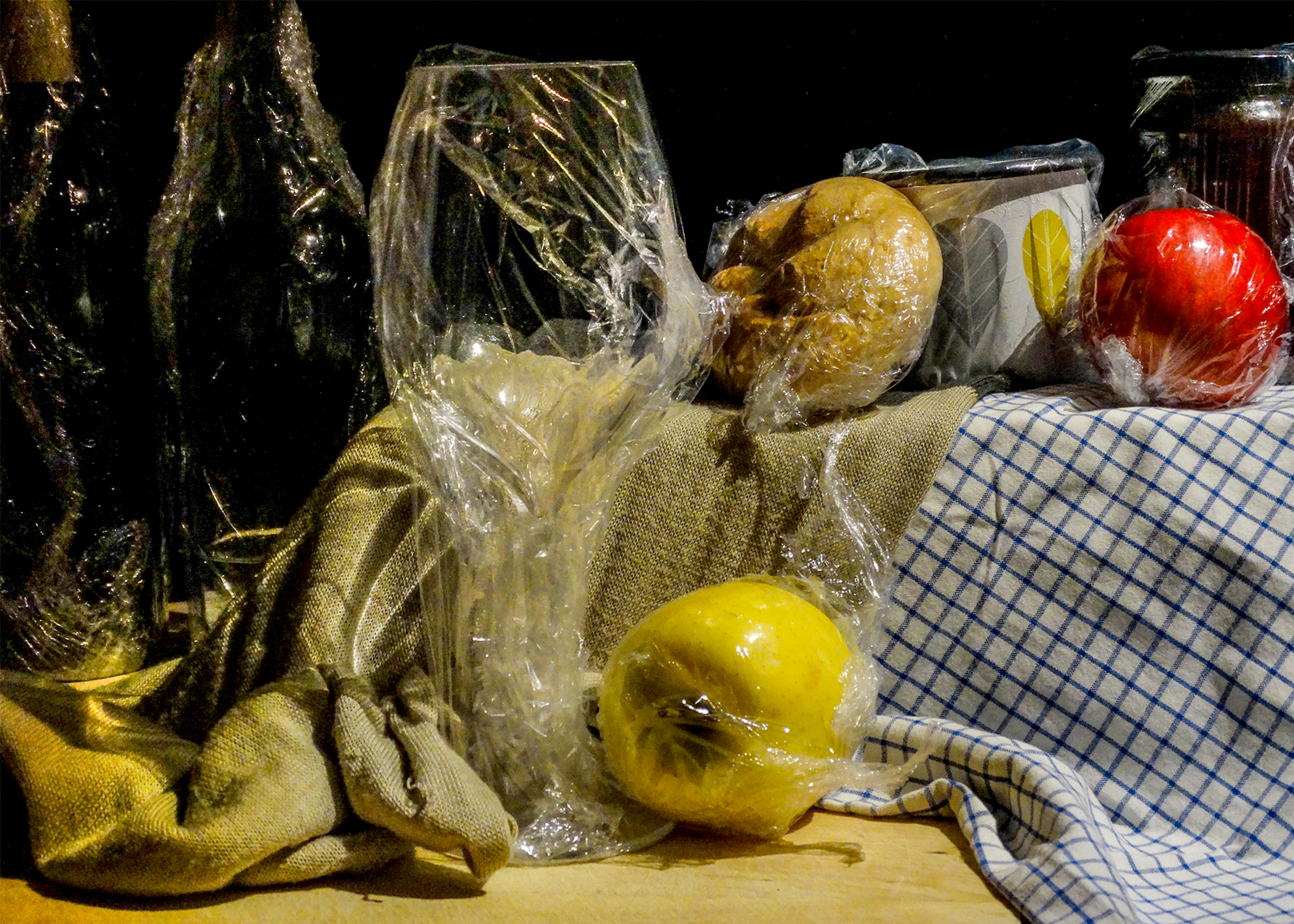


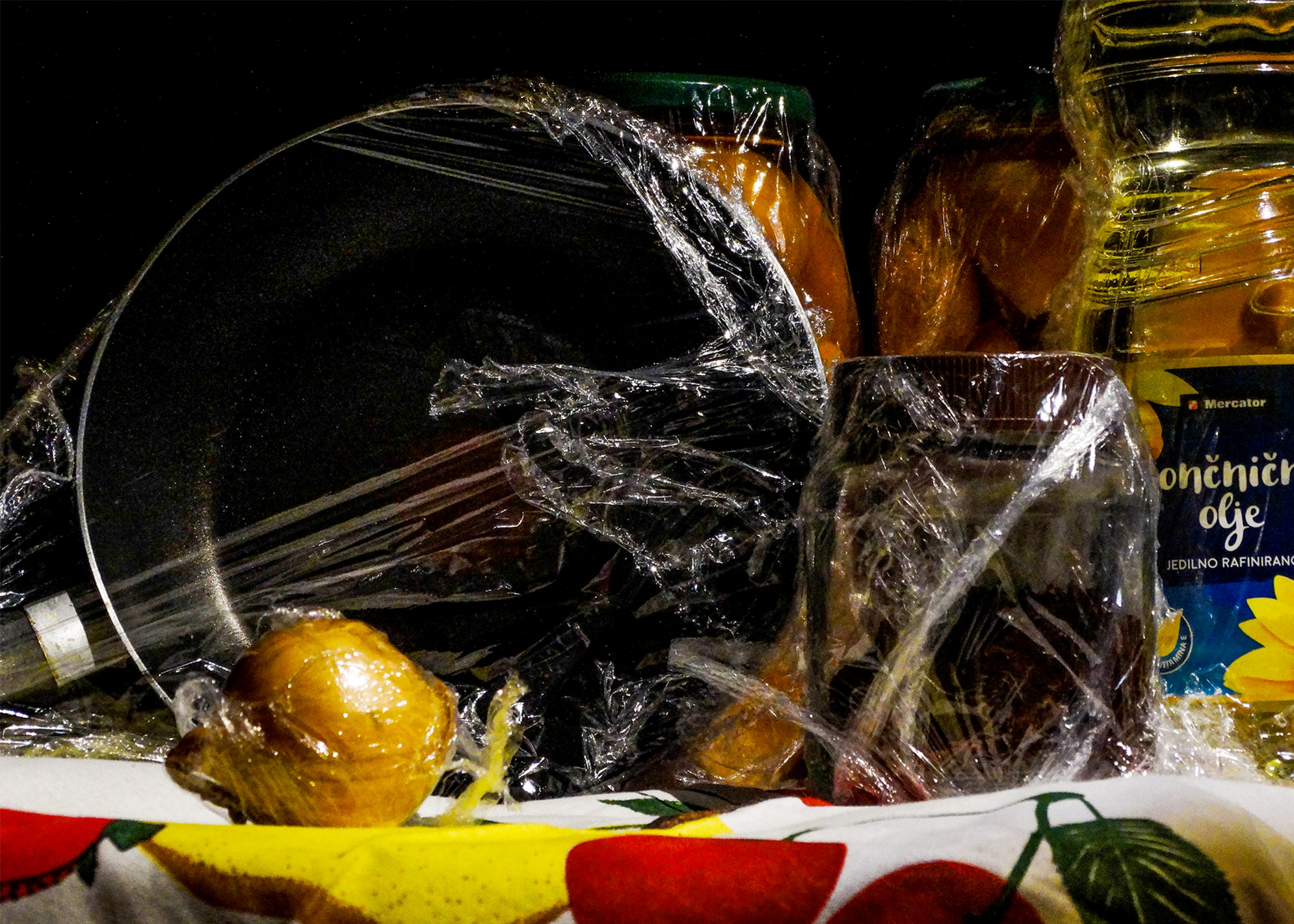
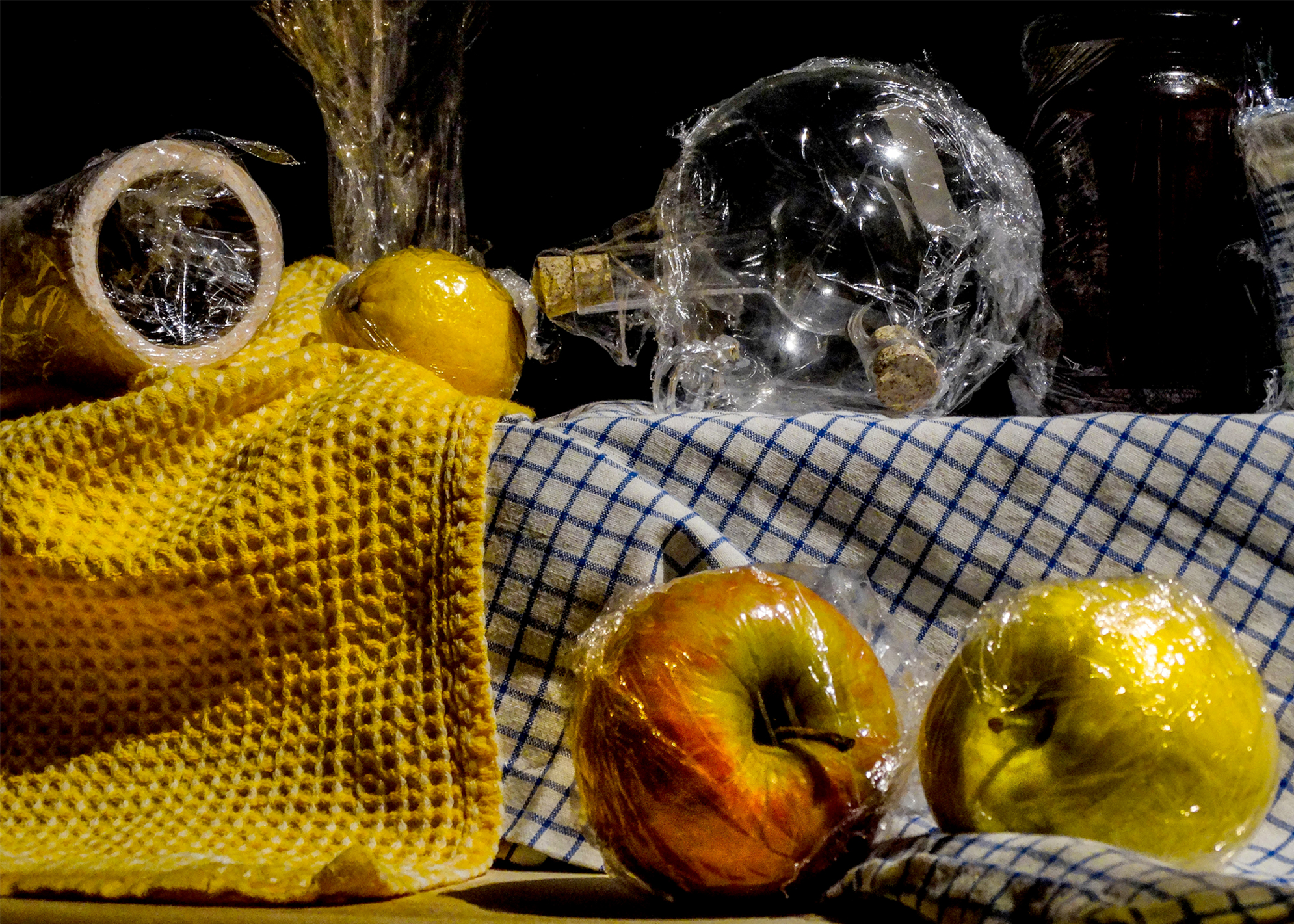
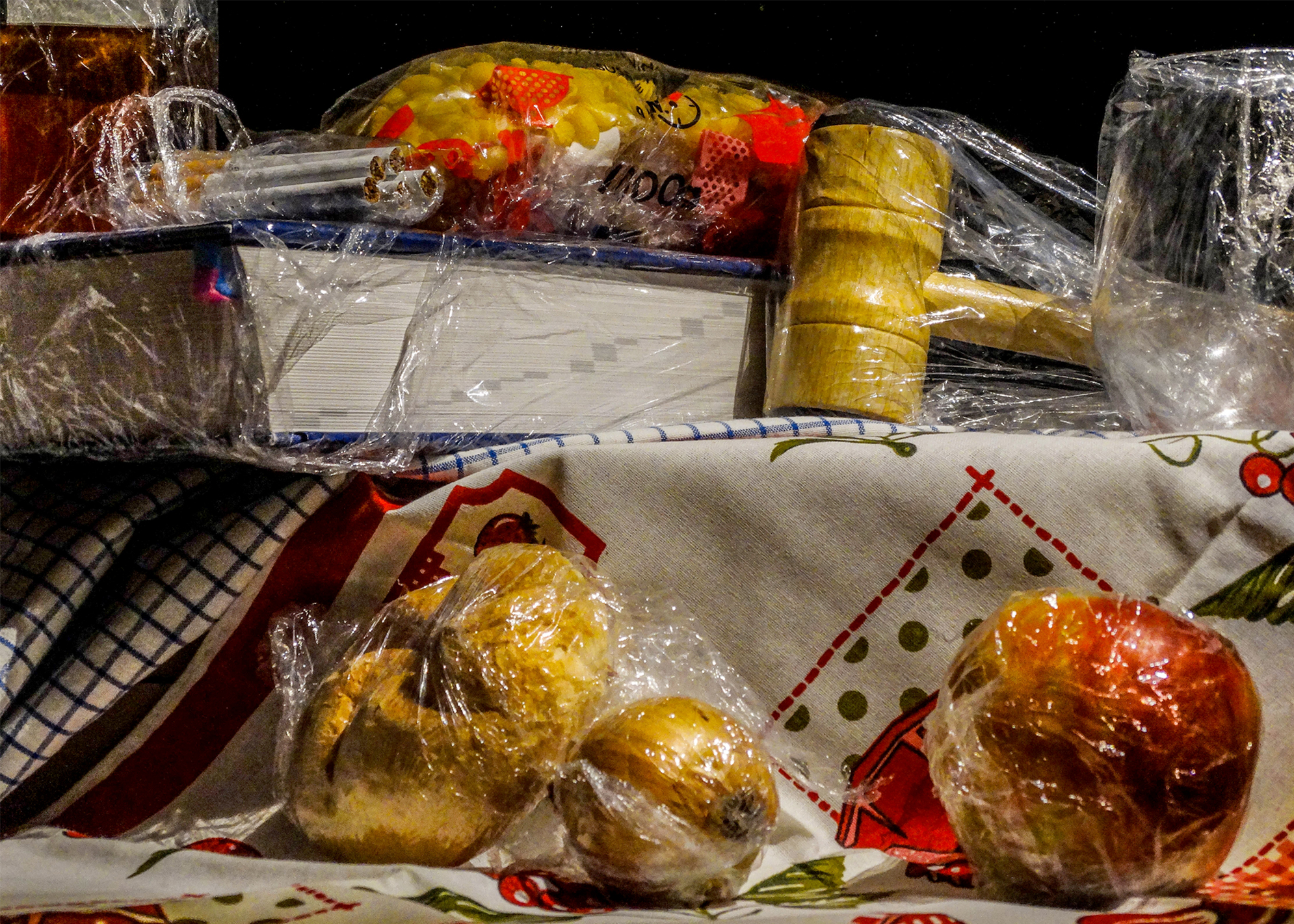

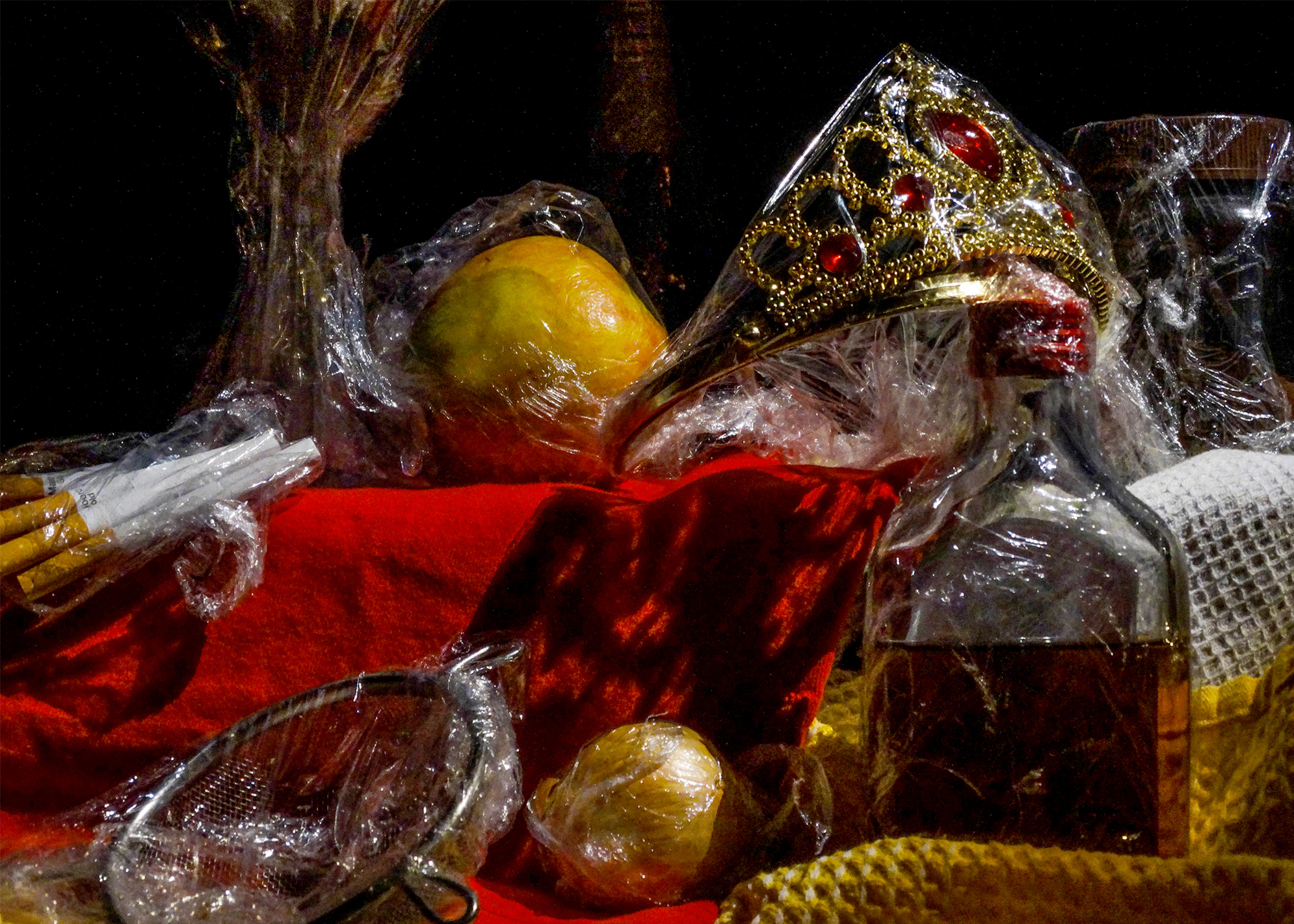
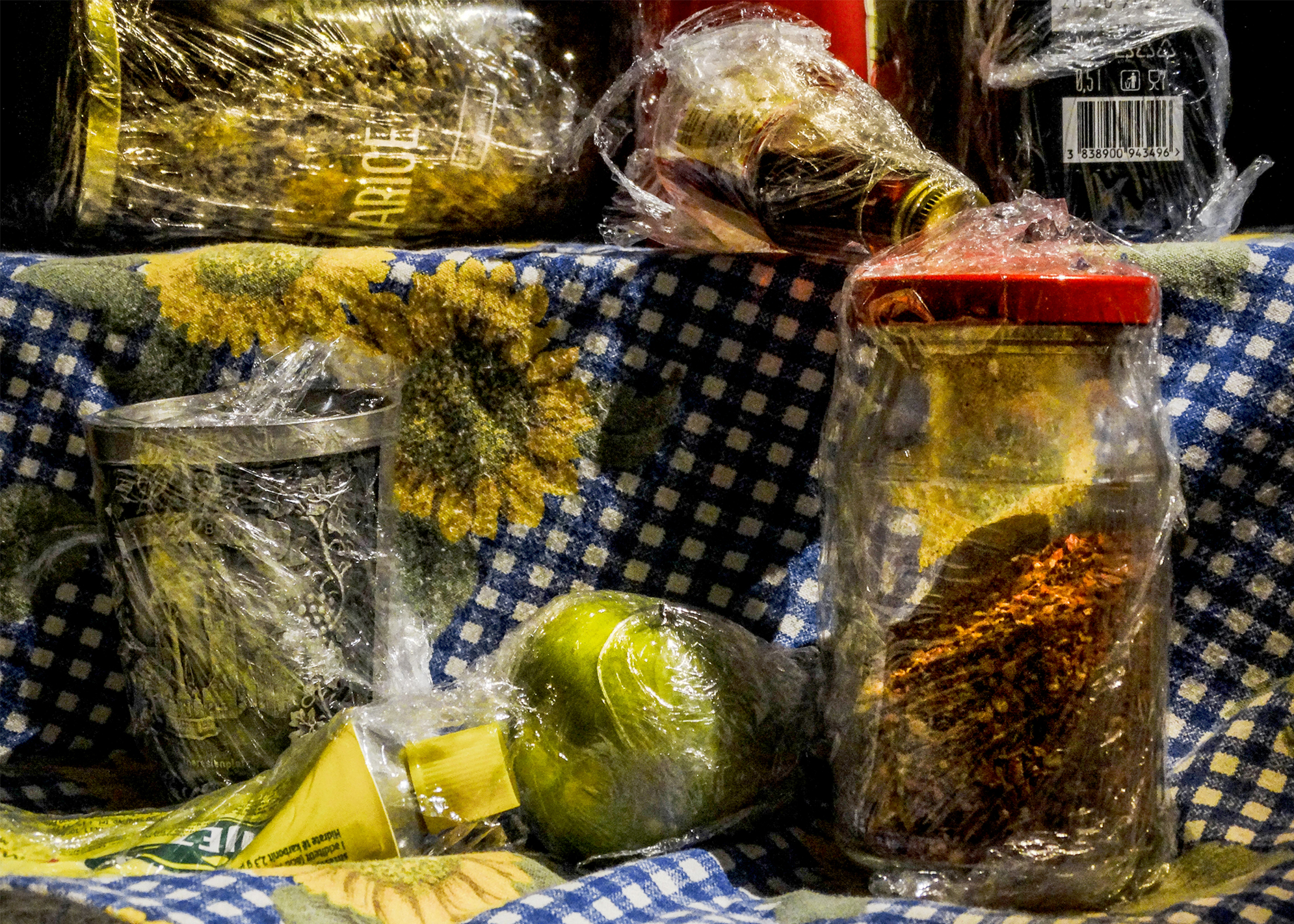
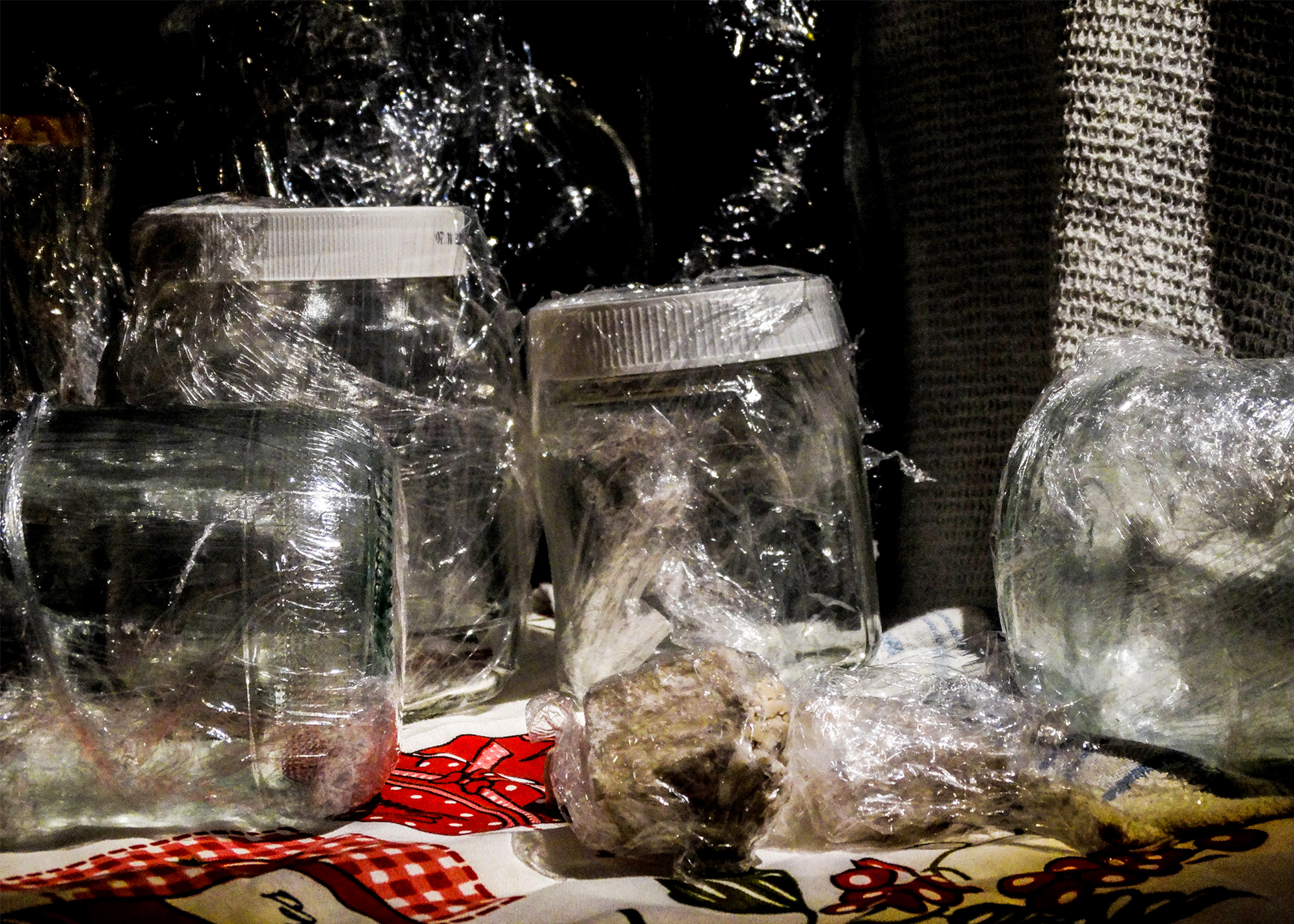
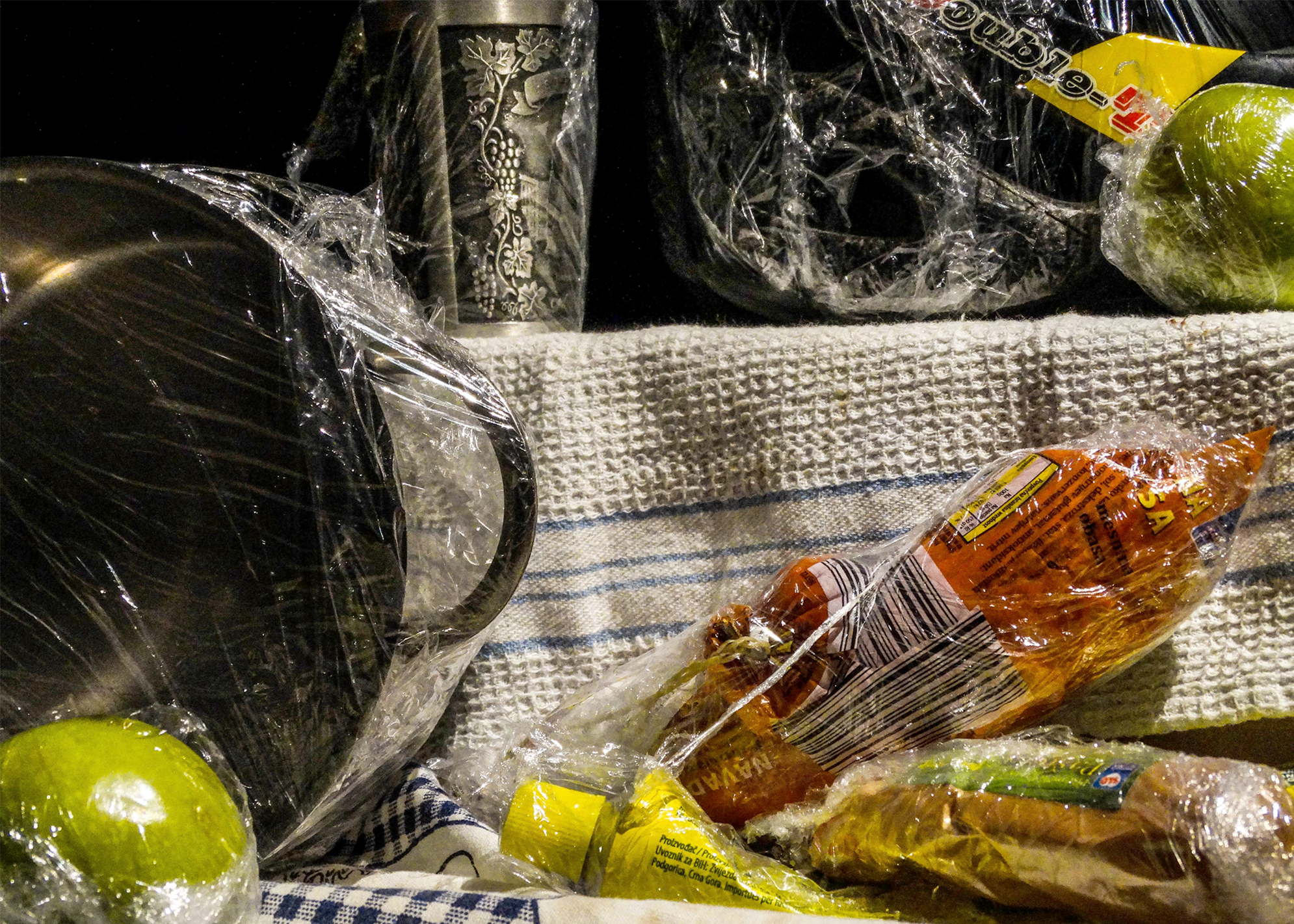
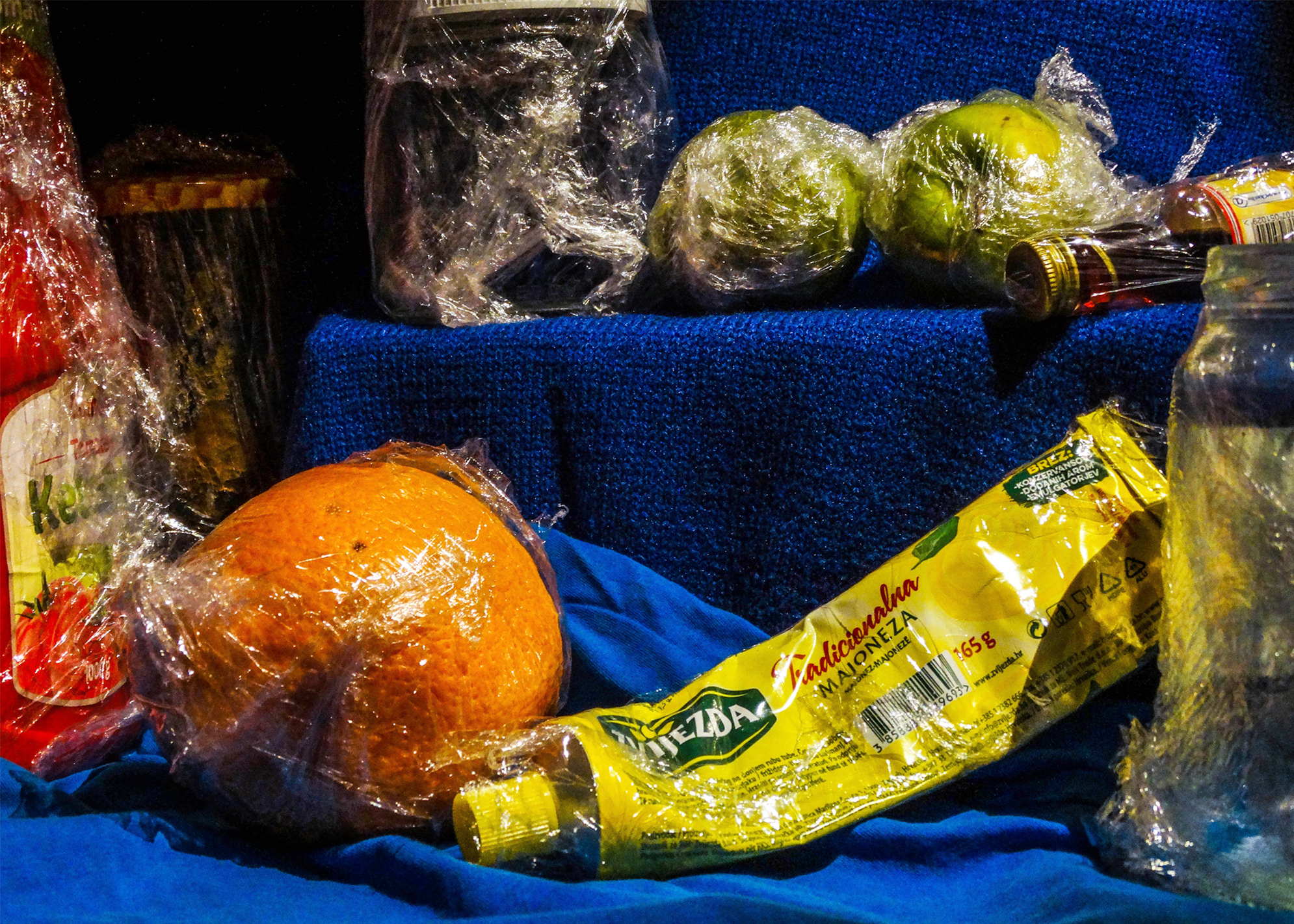
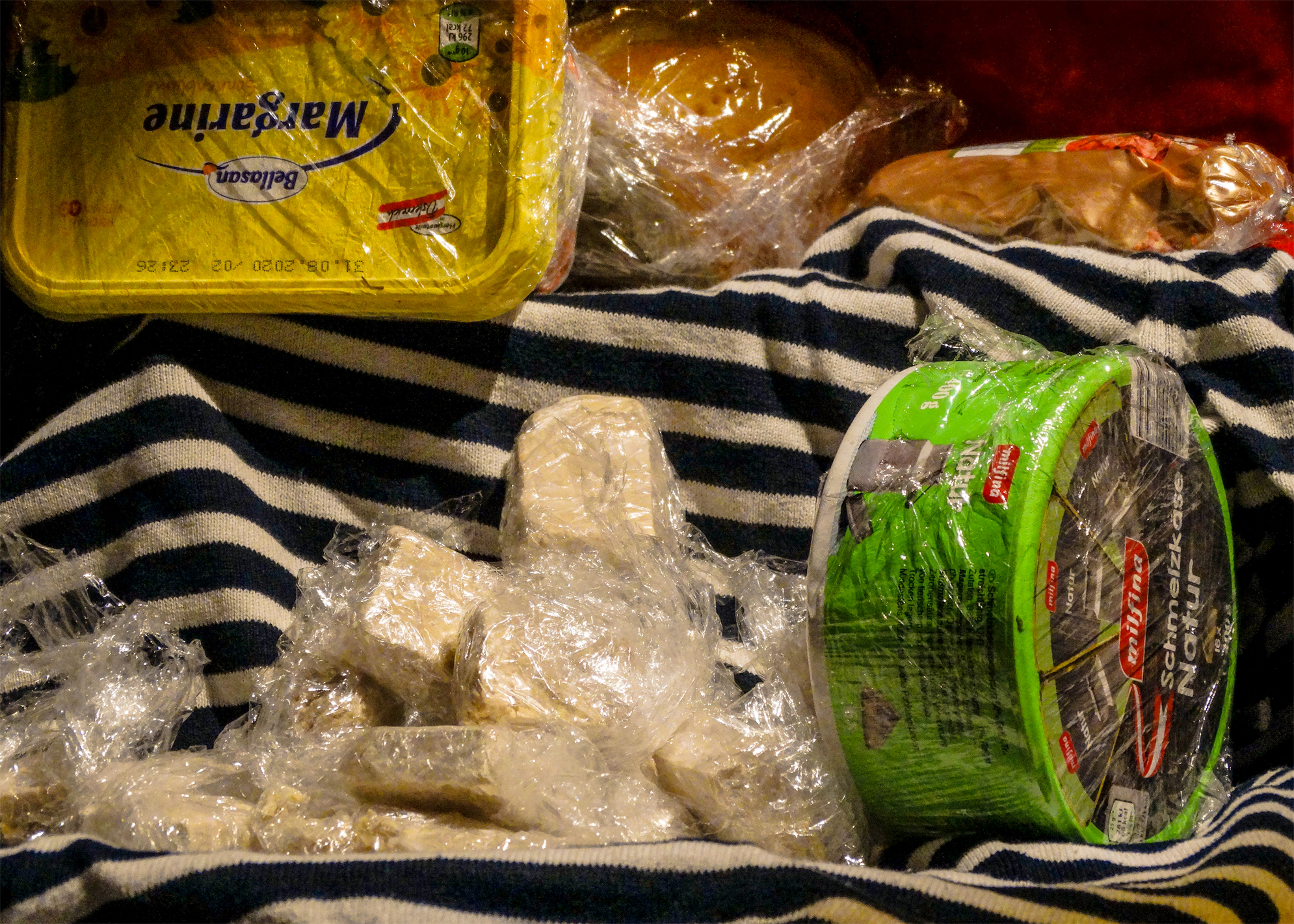
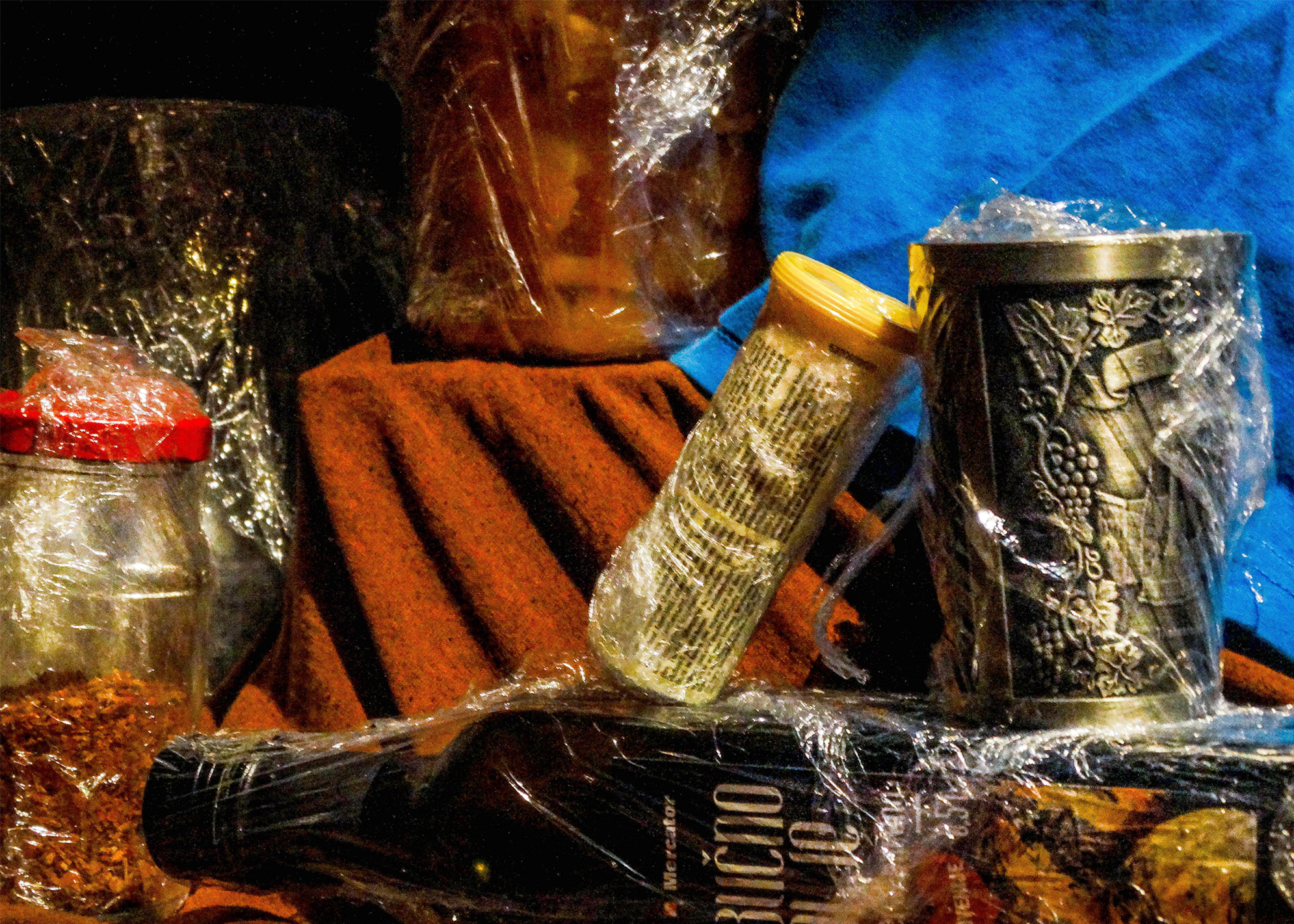
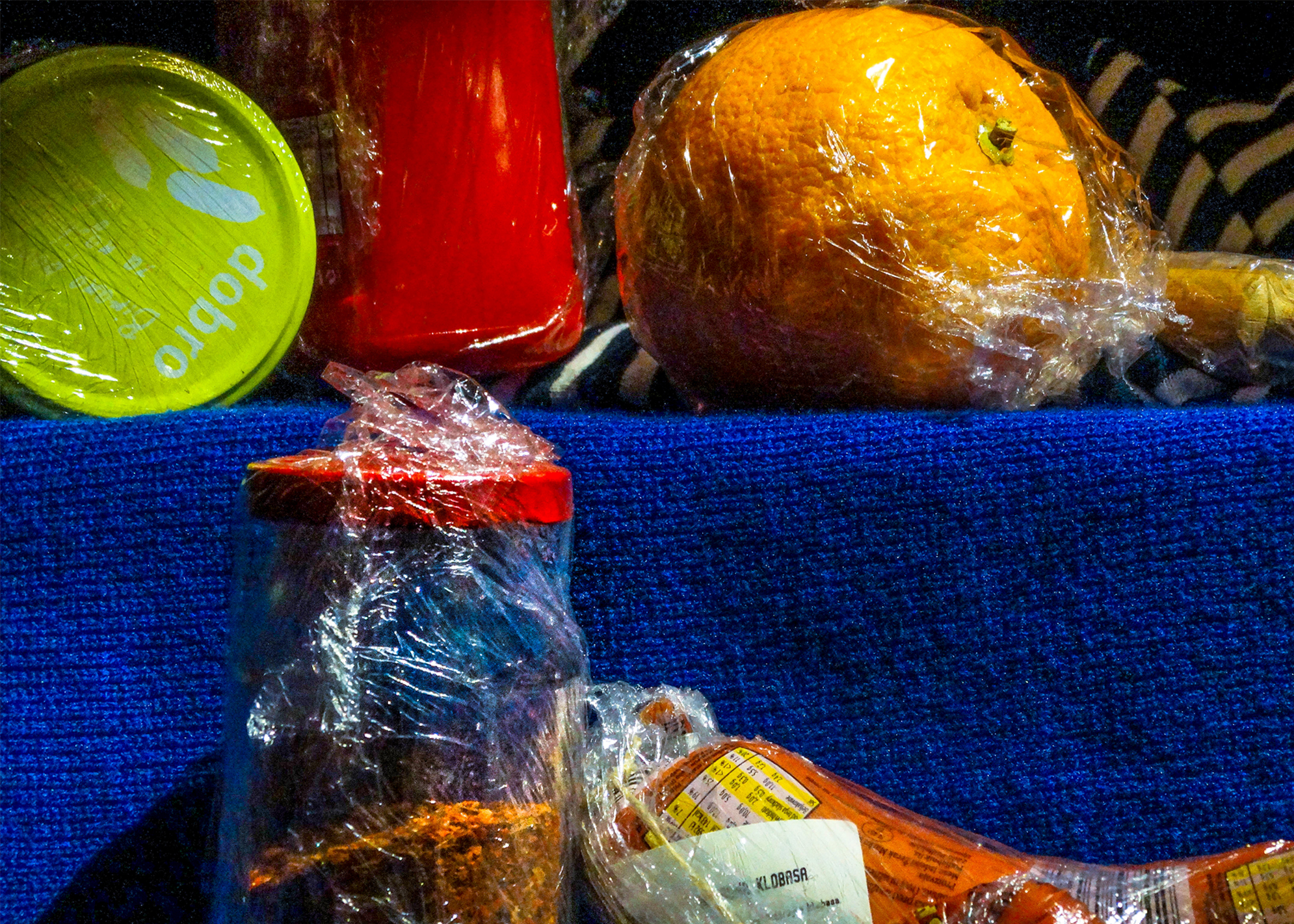
In 2020, as the world grappled with lockdowns, isolation, and a sudden reorientation toward the spaces we inhabit, Strahinja Jovanović created an artist book titled The Quarantine. The project was not about the pandemic—not directly—but about the questions the pandemic brought into focus: how do we become aware of the everyday things that surround us? How exposed and protected are we? What does it mean to live in a world that seems orderly and safe, but is shaped by forces beyond our control?
The book is a meditation on objects. Not special objects, not art objects, but the things of daily life—the objects that surround us, that we use without thought, that constitute the material fabric of existence. Through a series of still lifes rendered in dynamic Renaissance light, The Quarantine invites us to look again at these things, to see their plasticity, their materiality, their simple presence.
The visual language is drawn from the tradition of still life painting. Renaissance artists used light to reveal the texture of fabric, the gleam of metal, the translucence of glass. Their paintings were celebrations of materiality, but also meditations on mortality, on the passage of time, on the fragility of things. The Quarantine draws on this tradition, using light to evoke the weight and presence of objects, to make us feel their reality.
Foil is the book's central symbol. It appears throughout, representing the freezing of the object—a moment of stillness, of quarantine, of holding something in place so it can be examined. The foil reflects, catches light, draws attention. It is a material that belongs to the world of consumer goods, of packaging, of things designed to be seen and discarded. In the book, it becomes something else: a tool for seeing, a lens through which we might understand our relationship to the things that surround us.
The book asks questions that are both philosophical and practical. In a world shaped by globalization and consumerism, what does protection mean? Are we protected, or merely insulated? The objects we accumulate—do they shelter us, or do they obscure? The quarantine of the title is not only a condition but a practice: a holding still, a looking closely, a refusal to take the everyday for granted.
The project's timing was significant. Created in 2020, at the height of the COVID-19 pandemic, The Quarantine spoke to a moment when many were, for the first time, forced to inhabit their homes in new ways. Rooms that had been passageways became spaces of dwelling; objects that had been background became foreground. The book asks what we see when we stop, when we quarantine ourselves from the usual distractions, when we attend to the things around us.
For Strahinja, the project was an exploration of how art can make us see differently. The still lifes are not simply depictions of objects; they are invitations to attend, to consider, to question. The Renaissance light is not nostalgic; it is a technique for seeing, a way of rendering objects with a clarity that makes them strange, unfamiliar, newly present.
In the end, The Quarantine is a book about attention. It asks us to look at the things we overlook, to consider the objects that structure our lives, to ask what it means to be exposed, to be protected, to live in a world of things.

.jpg)