Neue Modulo asks: can we write calligraphic strokes as we type? The answer is a modular system where each keystroke places a stroke on screen. When connected, these strokes form letters—calligraphic expression through digital typing.
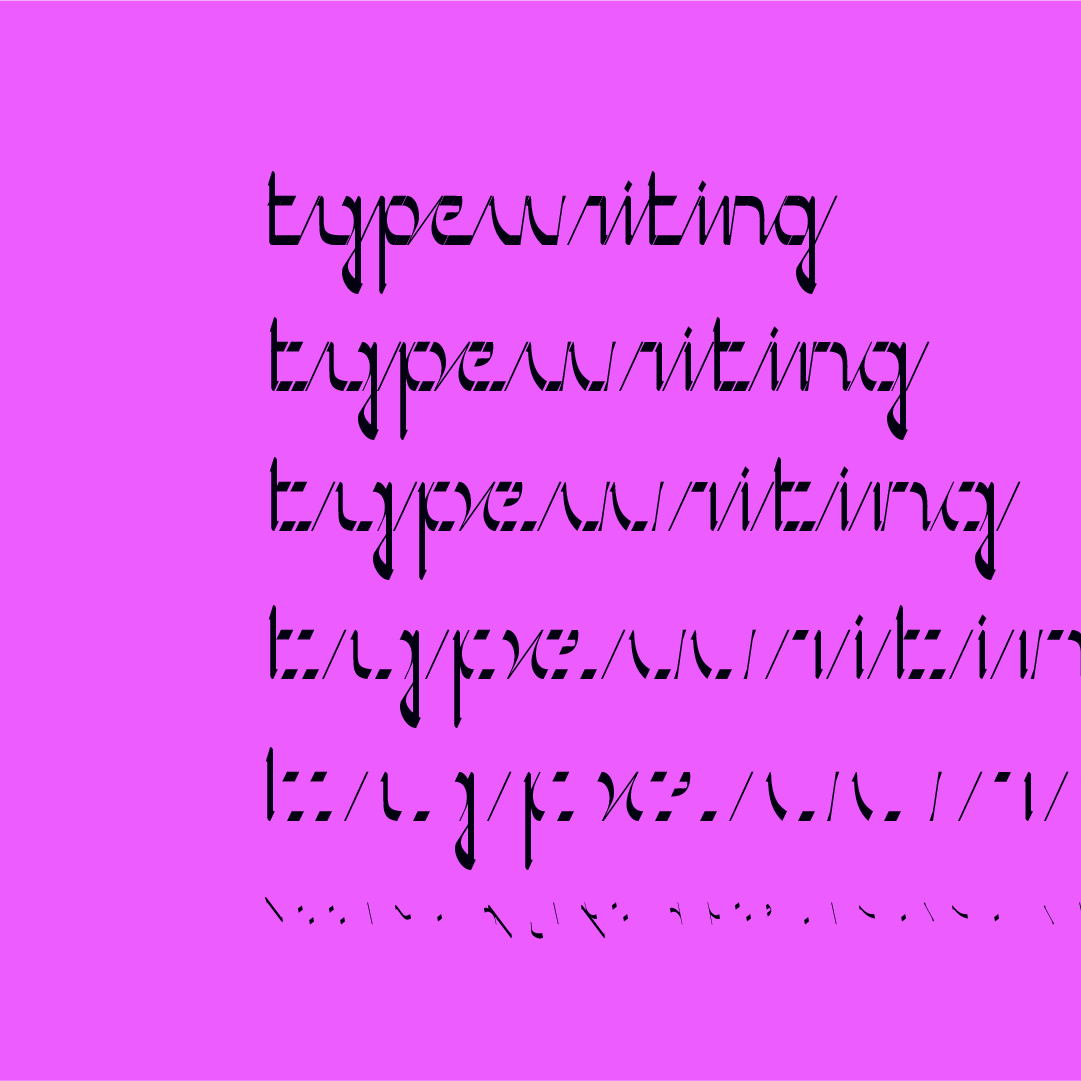
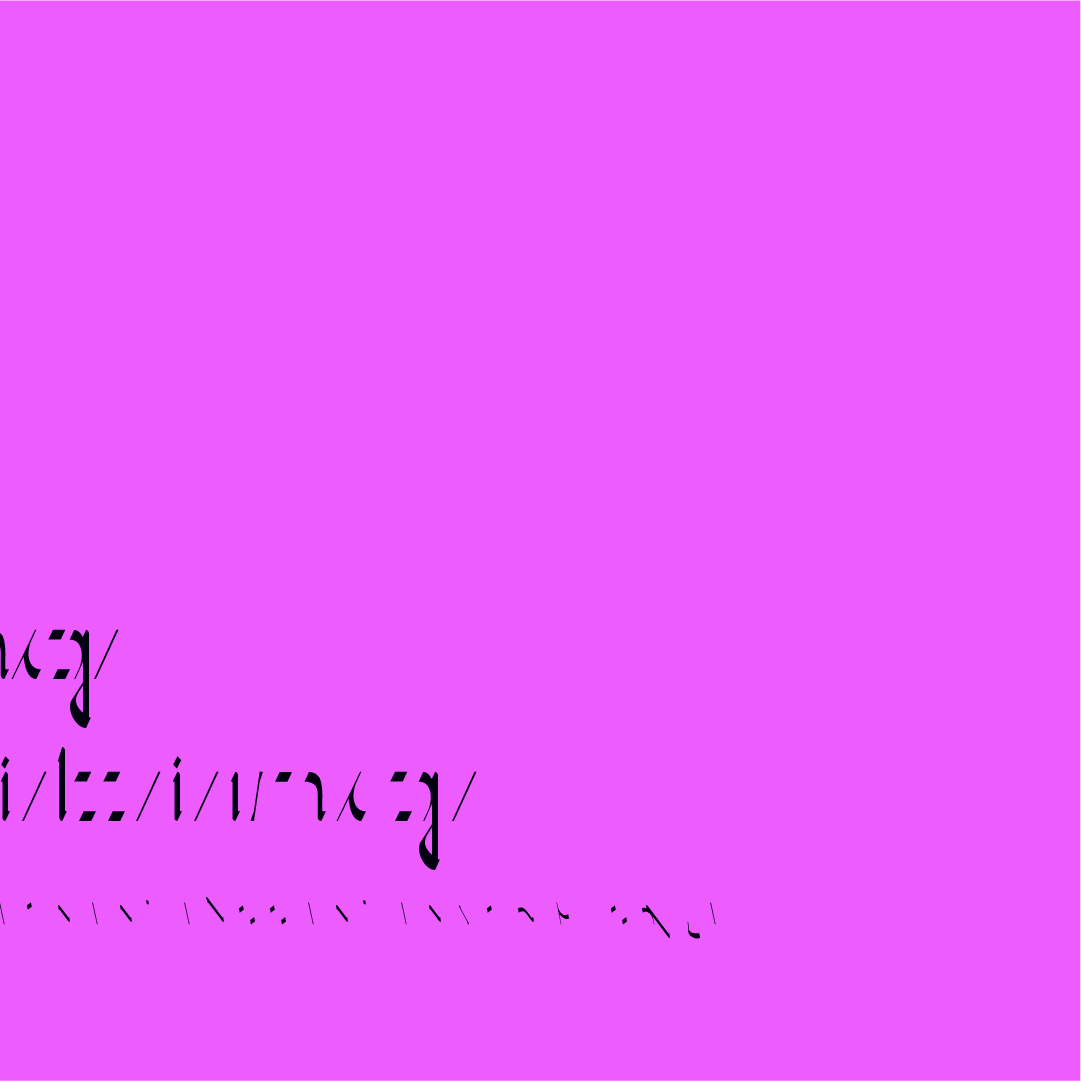
This is not a traditional font but a dynamic writing system. Different strokes create different weights and widths; the writer determines the letter’s form in the act of typing. Every composition becomes unique.
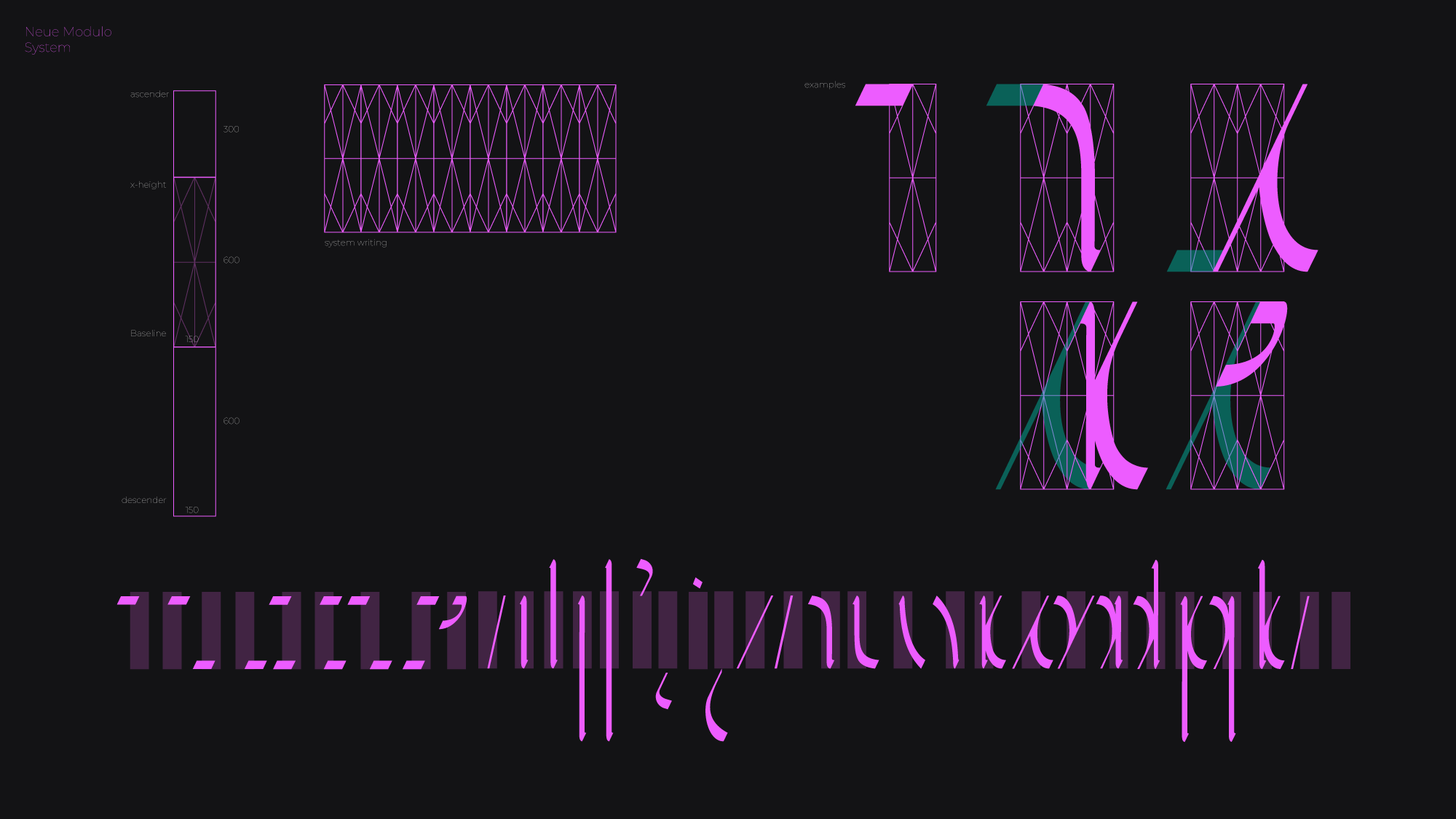
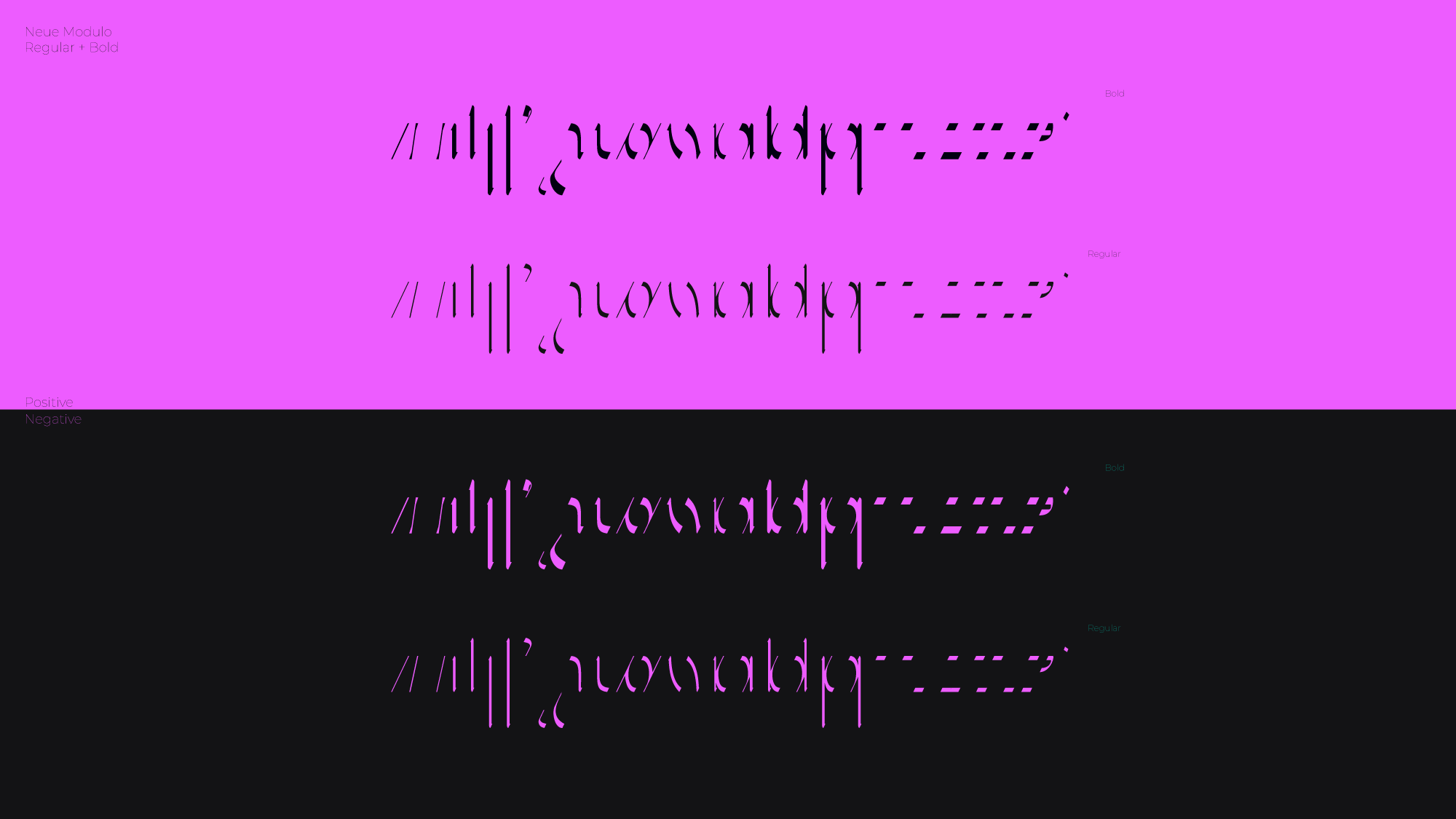
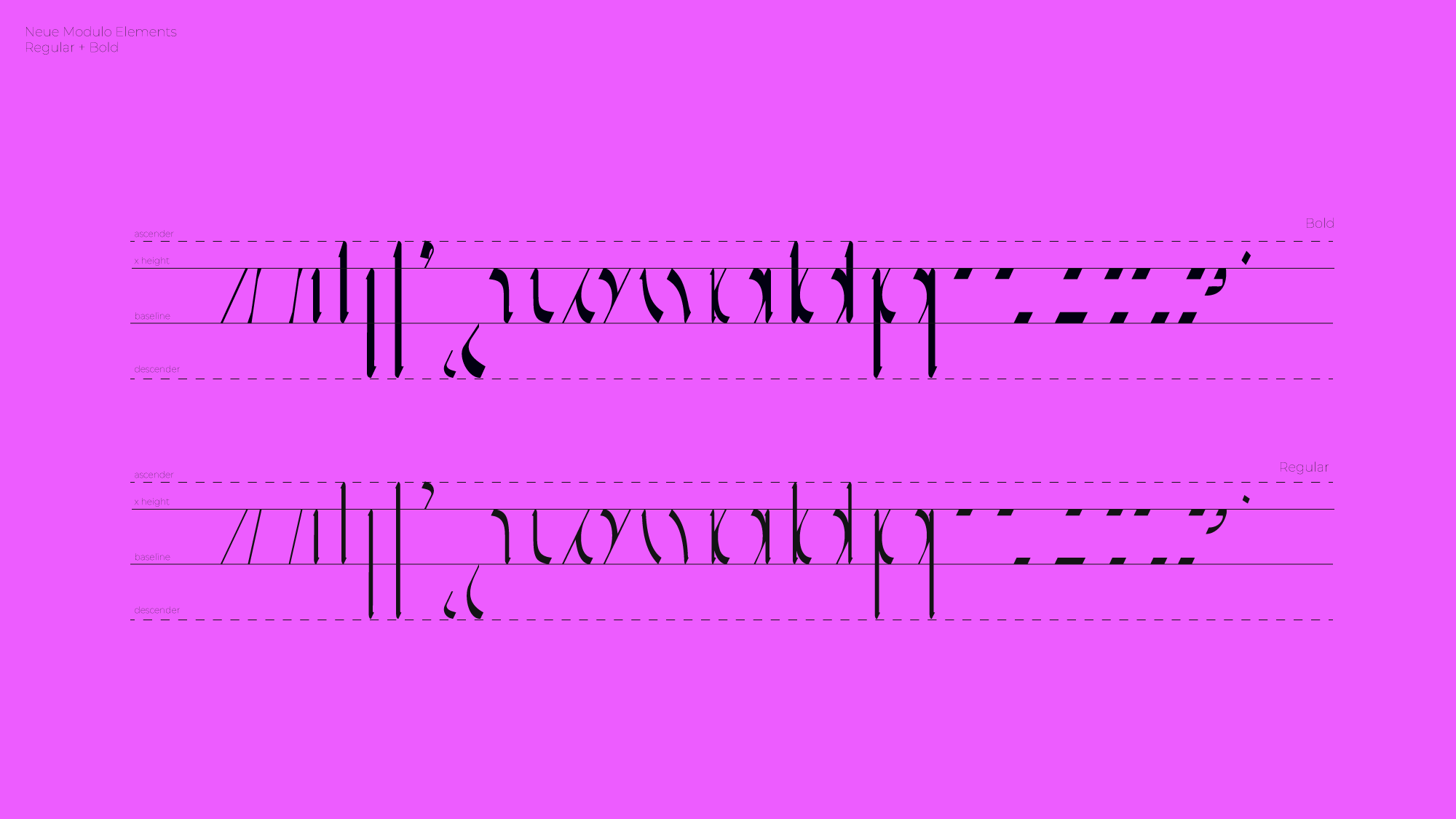
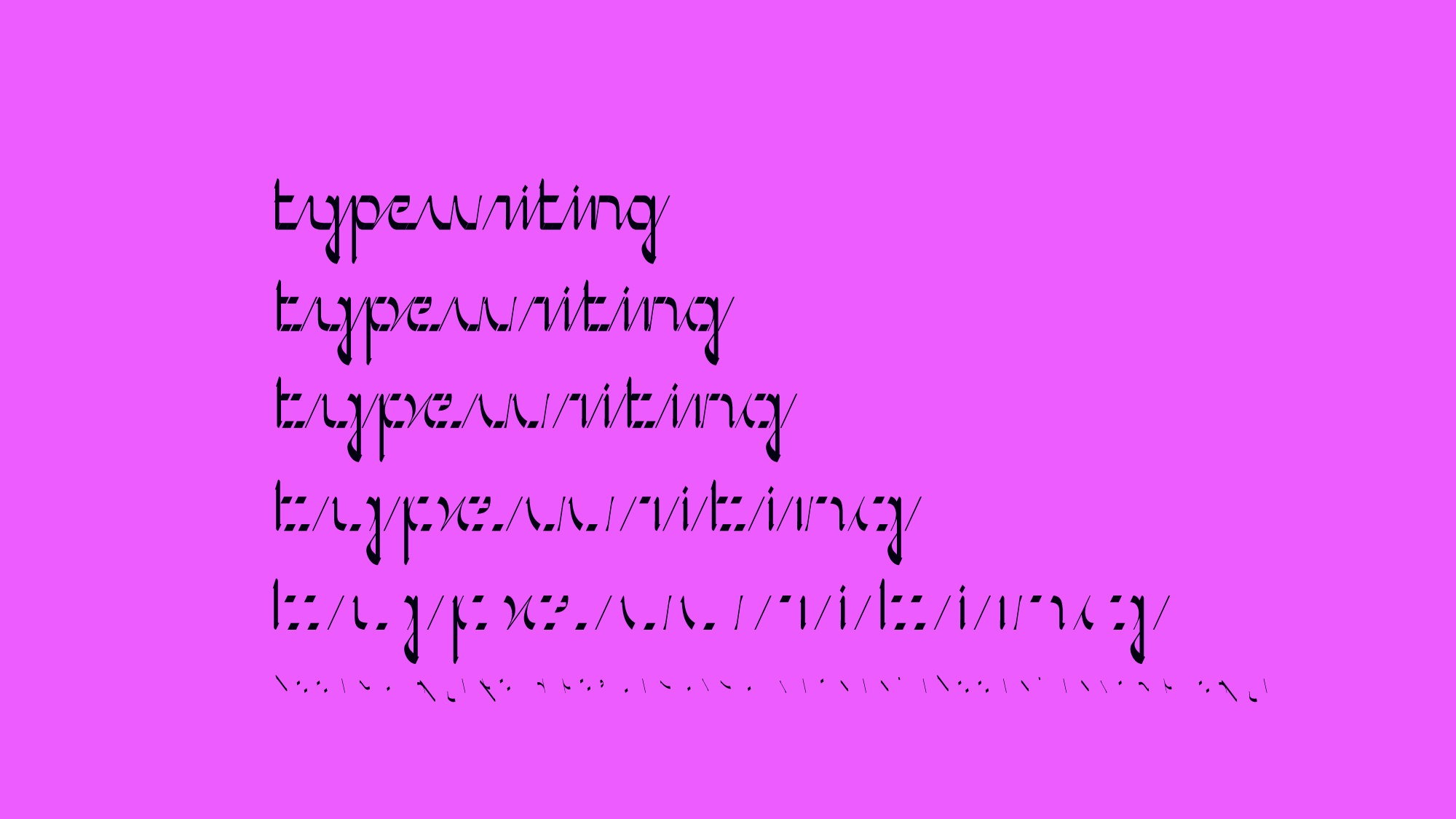
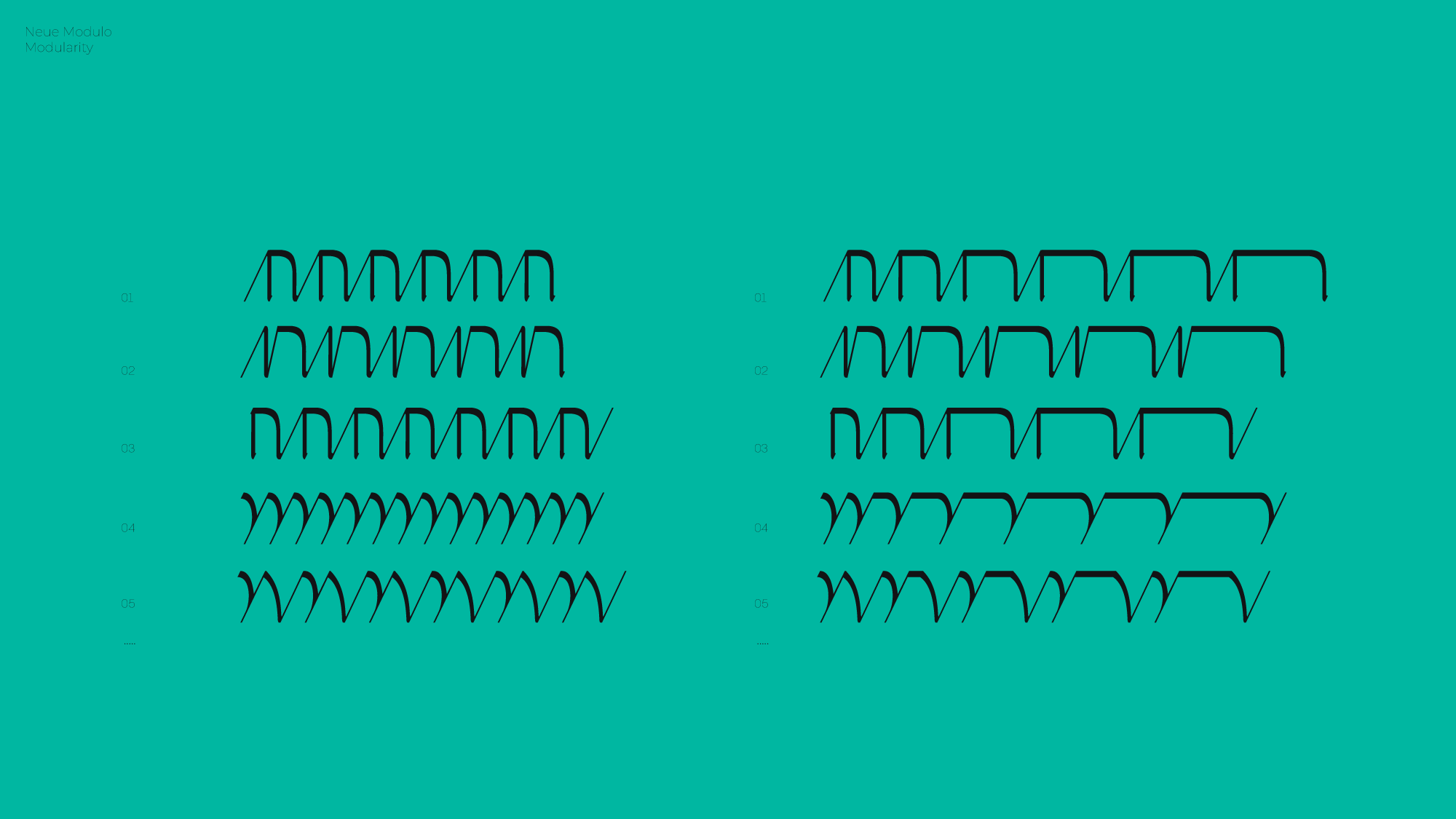
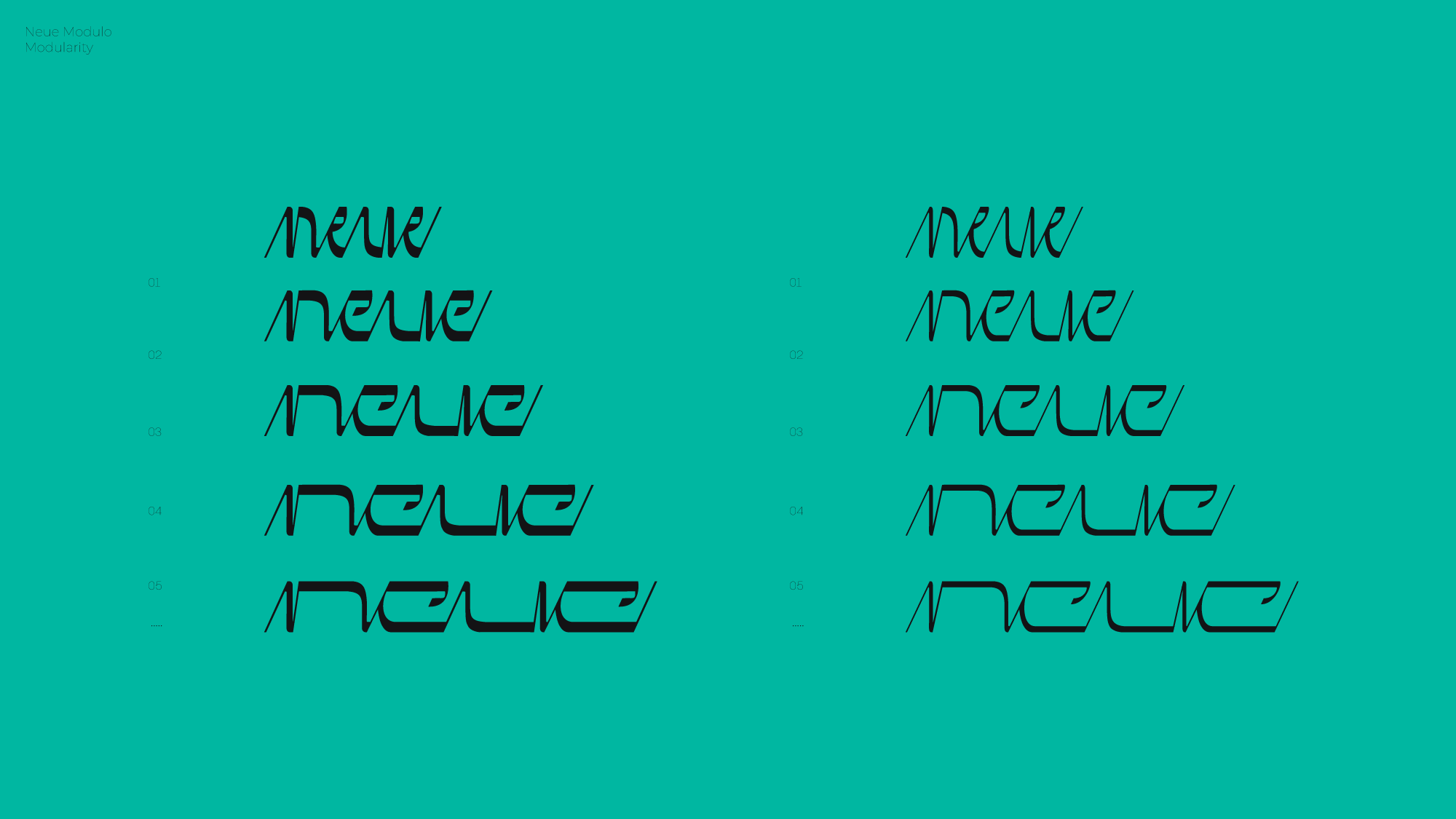
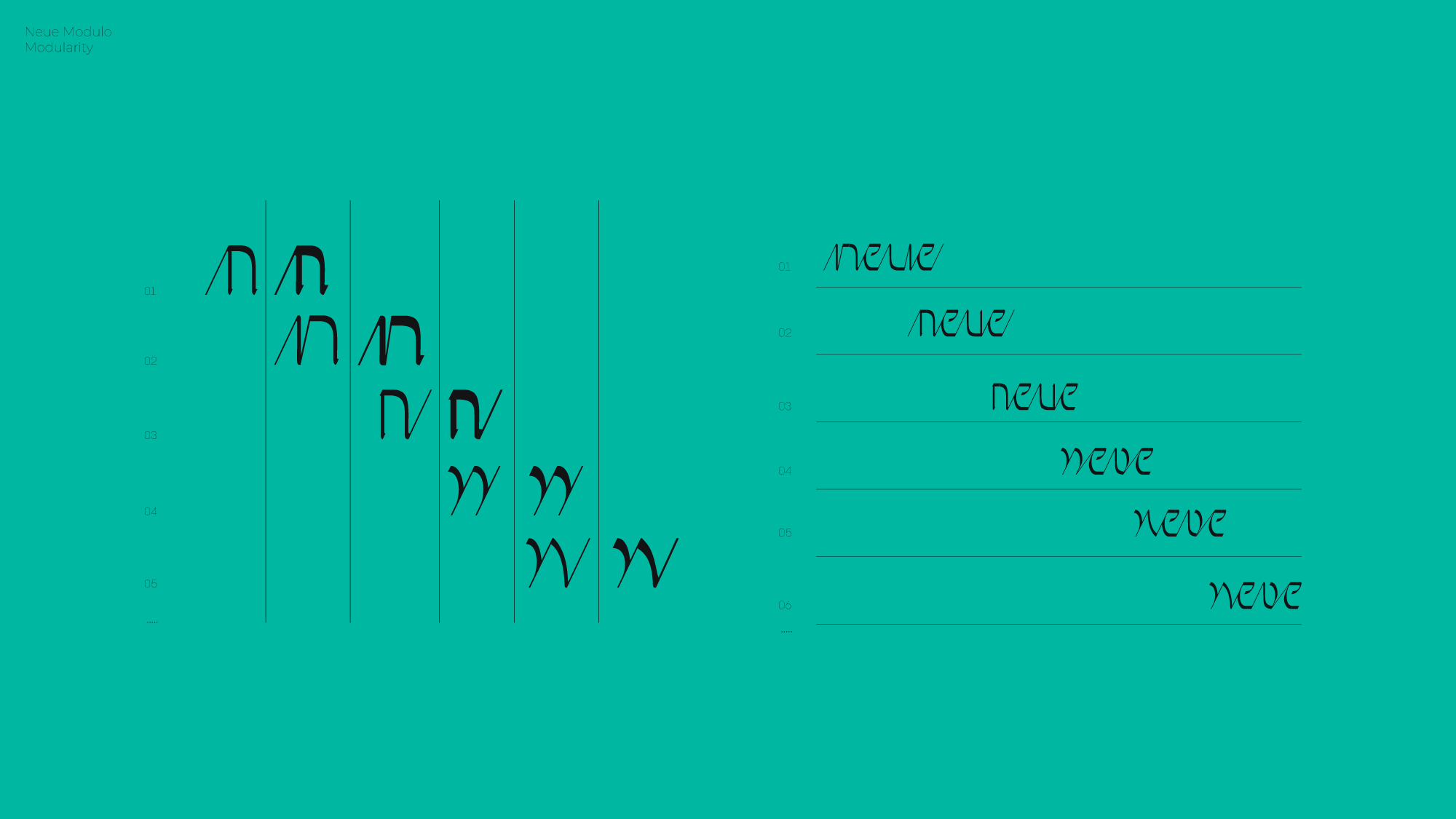
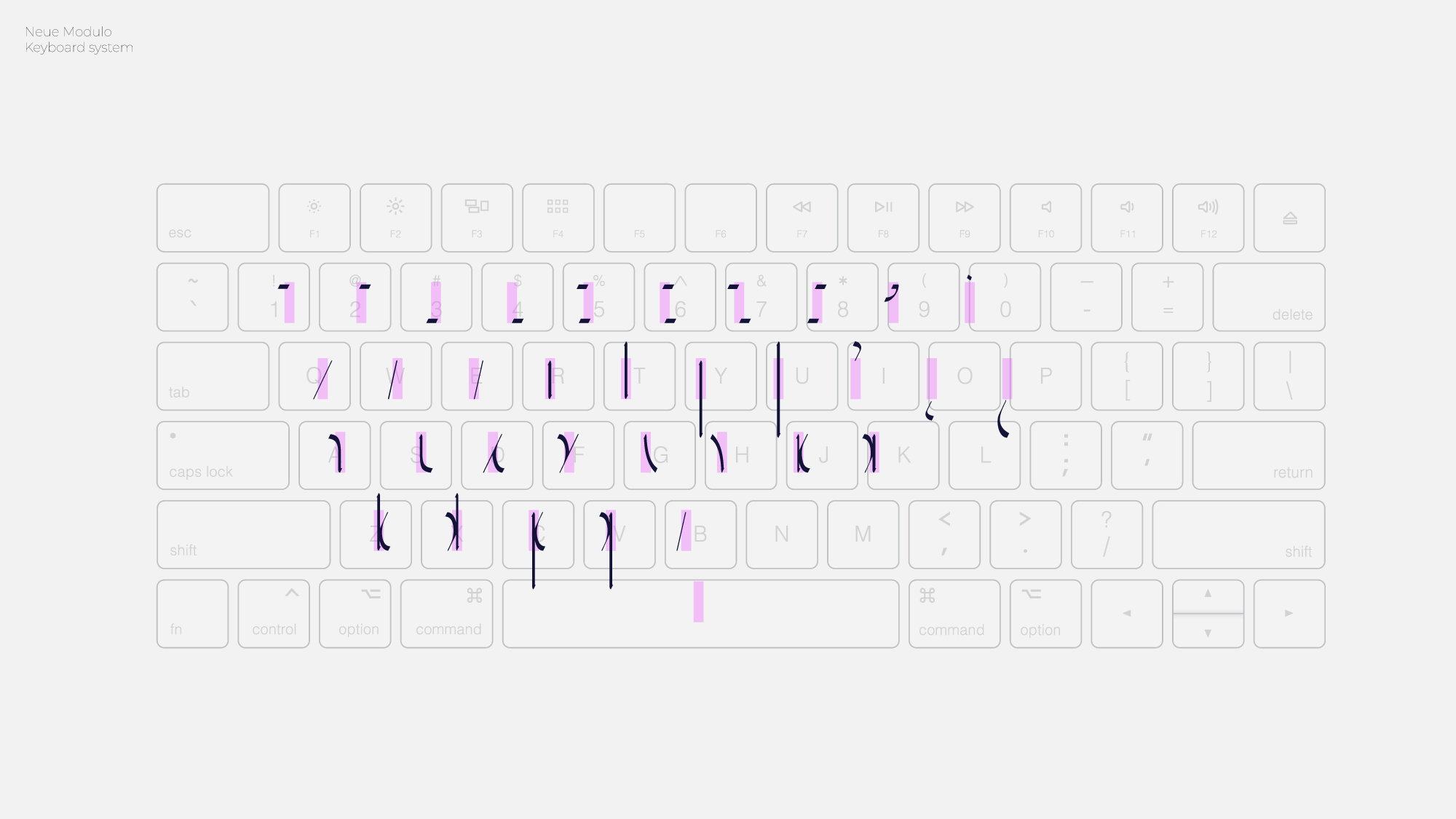
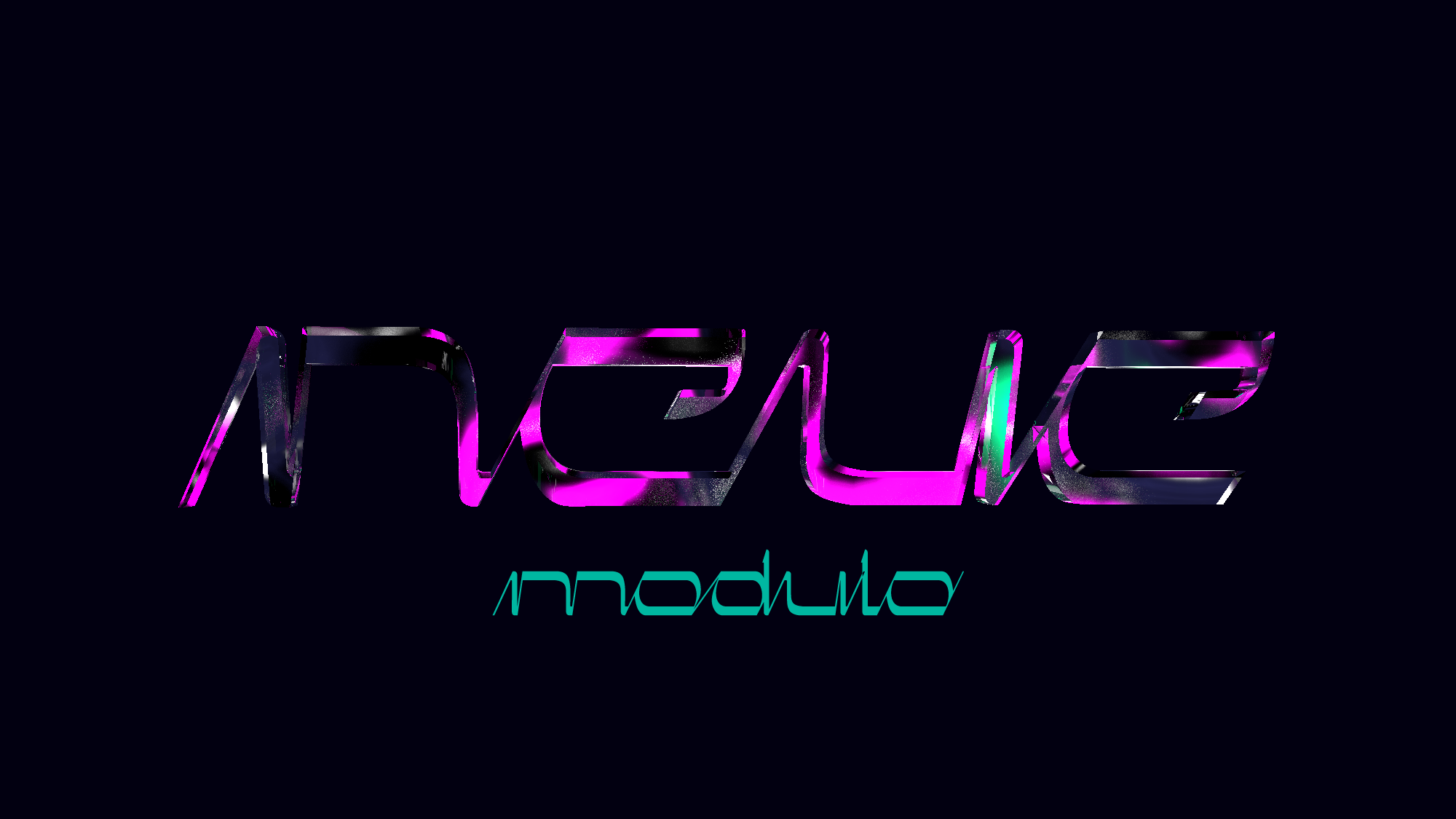
Inspired by calligraphy, Neue Modulo explores how strokes can be modular yet fluid. Type one stroke, then another; together they become a letter. The system bridges the precision of digital typing with the organic flow of the hand.
What happens when we try to write calligraphy—not with a pen, but with a keyboard? This question lies at the heart of Neue Modulo, an experimental writing system created by Strahinja Jovanović at Aalto University in 2021. The project emerged from a Type Design class but quickly expanded beyond traditional notions of what a typeface is or could be. Neue Modulo is not a font in the conventional sense. It is a system—a set of strokes that, when typed, combine to form letters.
The inspiration came from calligraphy. In traditional calligraphy, the hand moves across the page, each stroke flowing into the next, the weight and character of the letter determined by pressure, angle, and rhythm. Strahinja asked whether this organic, expressive quality could be translated into the digital realm—not by simulating handwriting, but by creating a modular system where the act of typing itself becomes a form of writing.
The result is Neue Modulo: a collection of strokes that are placed on screen with each keystroke. Type a stroke, then another, then another. As they connect, they form letters—not predetermined, not fixed, but generated in the moment of writing. The writer becomes a composer, building each character stroke by stroke, choosing which strokes to use and how to combine them.
This modularity allows for remarkable flexibility. Different combinations of strokes produce different weights and widths. The same letter can be rendered bold or light, condensed or expanded, depending on the strokes the writer chooses to type. The system is both precise and open, governed by rules that allow for infinite variation.
The name Neue Modulo reflects this duality. "Neue" suggests the new, the modern, the break from tradition. "Modulo" speaks to the modularity at the system's core—the idea that complex forms can be built from simple, repeatable units. Together, they capture the project’s ambition: to create a writing system that is at once digital and organic, modular and expressive, new yet rooted in the ancient practice of calligraphy.
For Strahinja, the project was an exploration of what typography can be when freed from the constraints of the font file. Traditional fonts fix letters in predetermined forms; Neue Modulo generates them in real time. It is writing as process, not product—a system where the act of typing is inseparable from the act of drawing.
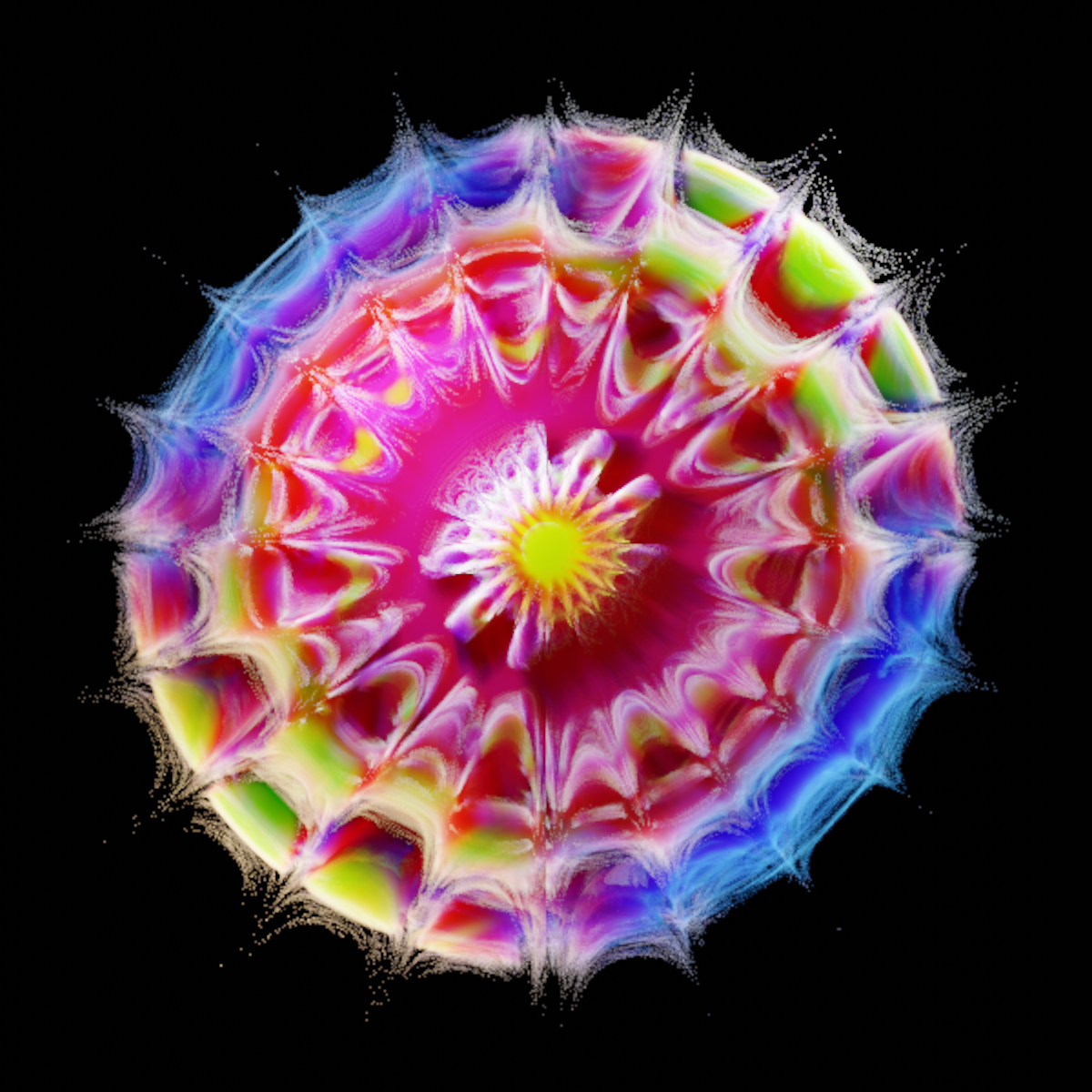
The project was developed at Aalto University, in a context that encouraged experimental approaches to type design. It reflects Strahinja’s broader interest in the intersection of mathematics, computation, and aesthetics—the same interest that surfaces in his fractal animations, his algorithmic manifestos, his speculative design projects. Neue Modulo asks us to reconsider the tools we use to write, the relationship between our hands and our keyboards, the possibility that digital typing might still carry the warmth, the variation, the life of the hand.
In Neue Modulo, every text is unique. No two writers will produce the same letters. No two keystrokes will yield identical results. It is a system that celebrates variation, that invites experimentation, that transforms the act of typing into an act of drawing. It is writing rediscovered.
.gif)
.gif)