A stone is scanned, its color and shape extracted as data. In Grasshopper, those parameters generate new forms—jewelry, wearable, physical. Naturo Algoro traces a path from the natural to the computational, and back again.
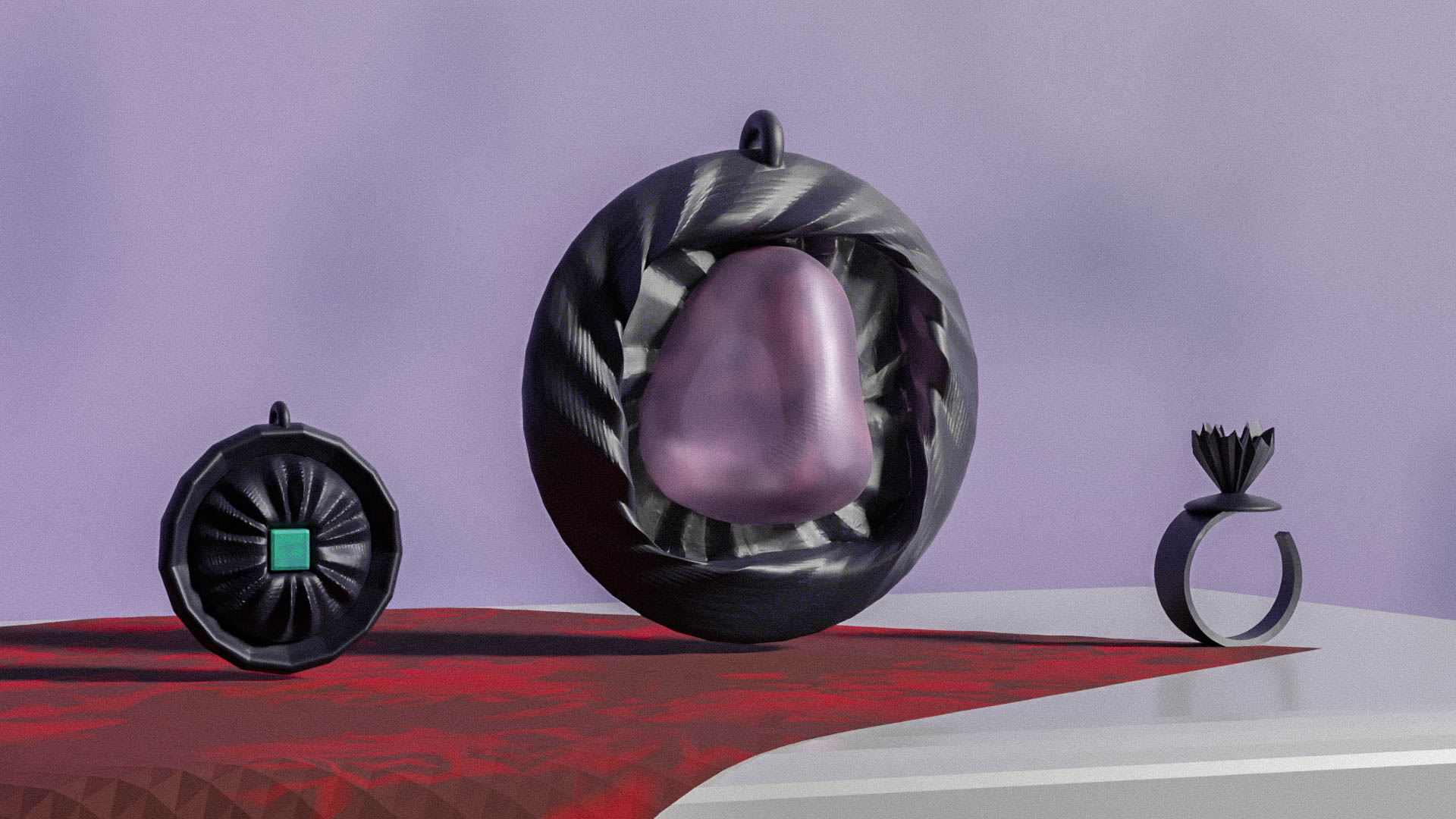
What happens when we treat nature as data? This project uses photogrammetry to capture a stone’s form, then translates that information into algorithmic design. The result: a set of jewelry that carries the memory of its source.

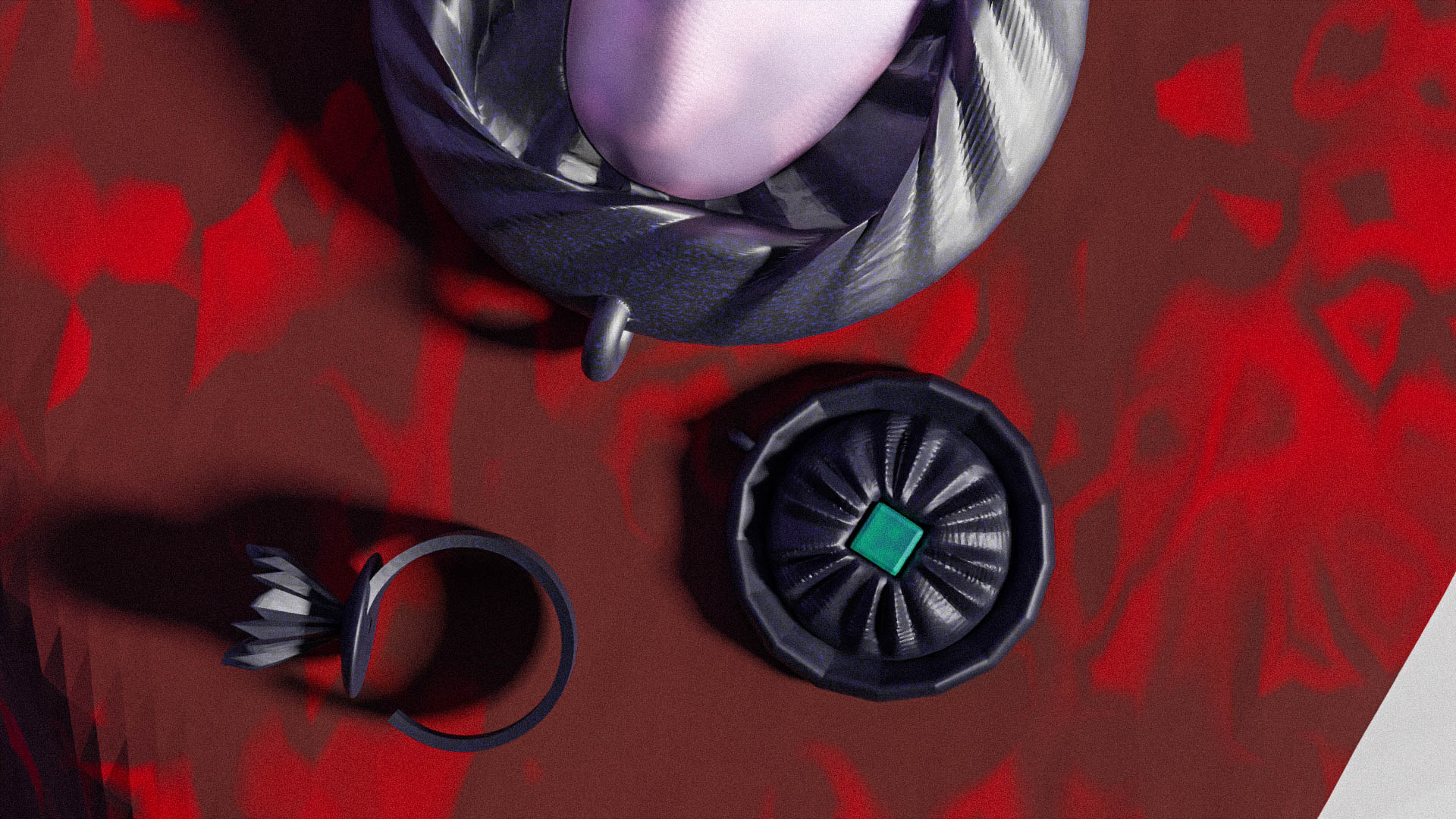
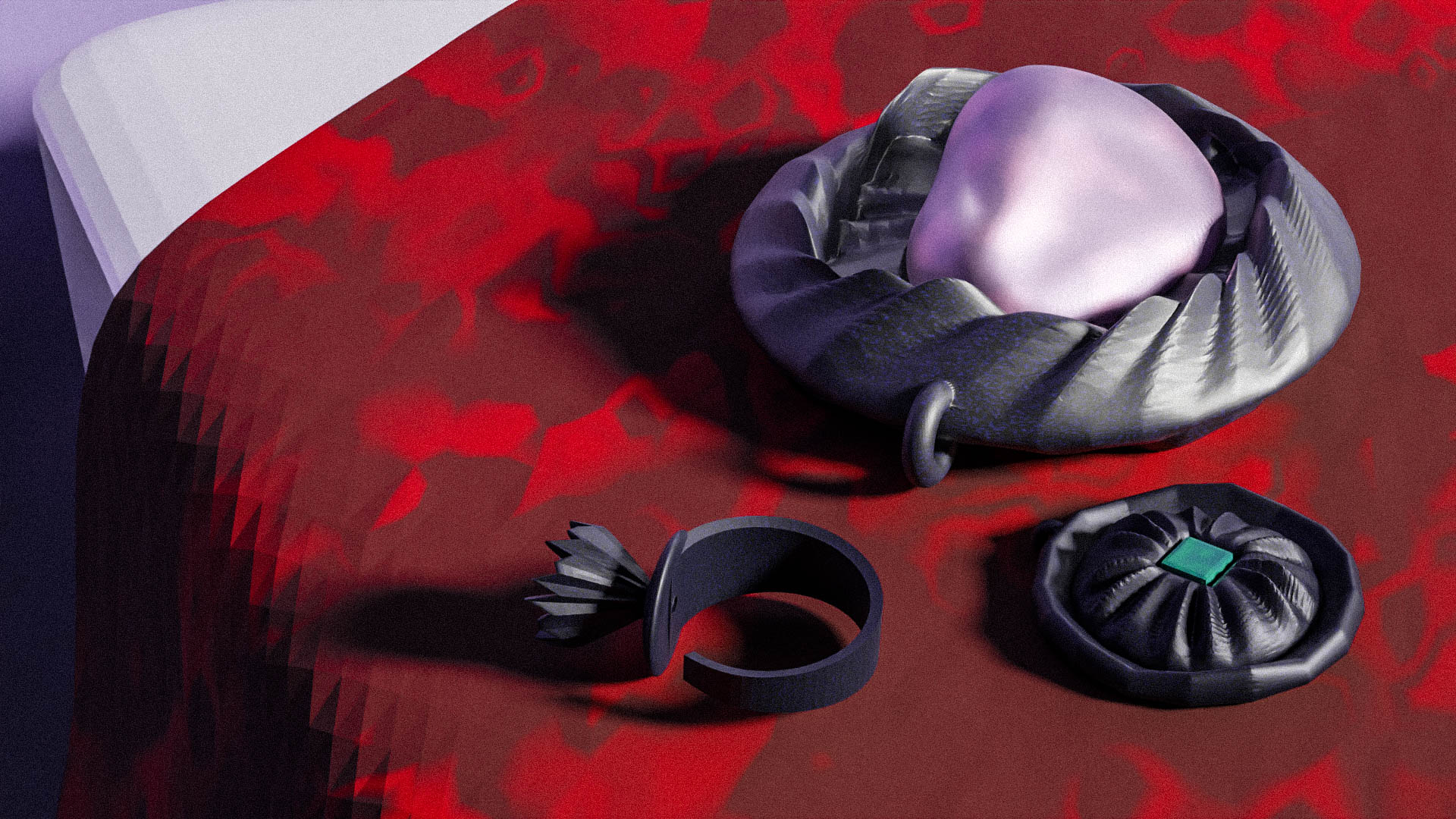
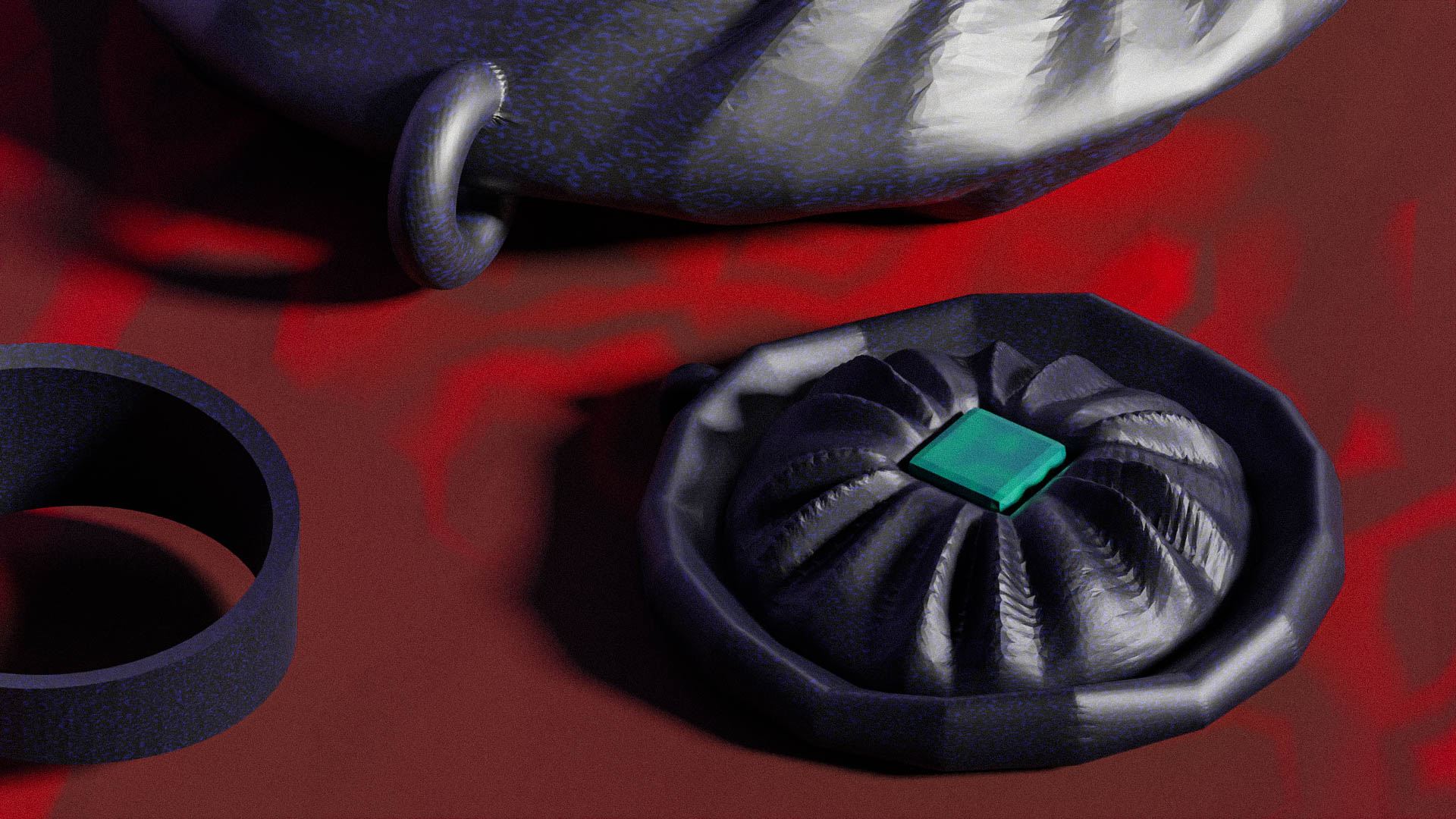

Working at the intersection of Python, Grasshopper, and 3D printing, Naturo Algoro connects physical and digital realms. It asks: can the irregular beauty of stone become the logic of algorithm? The answer is wearable.
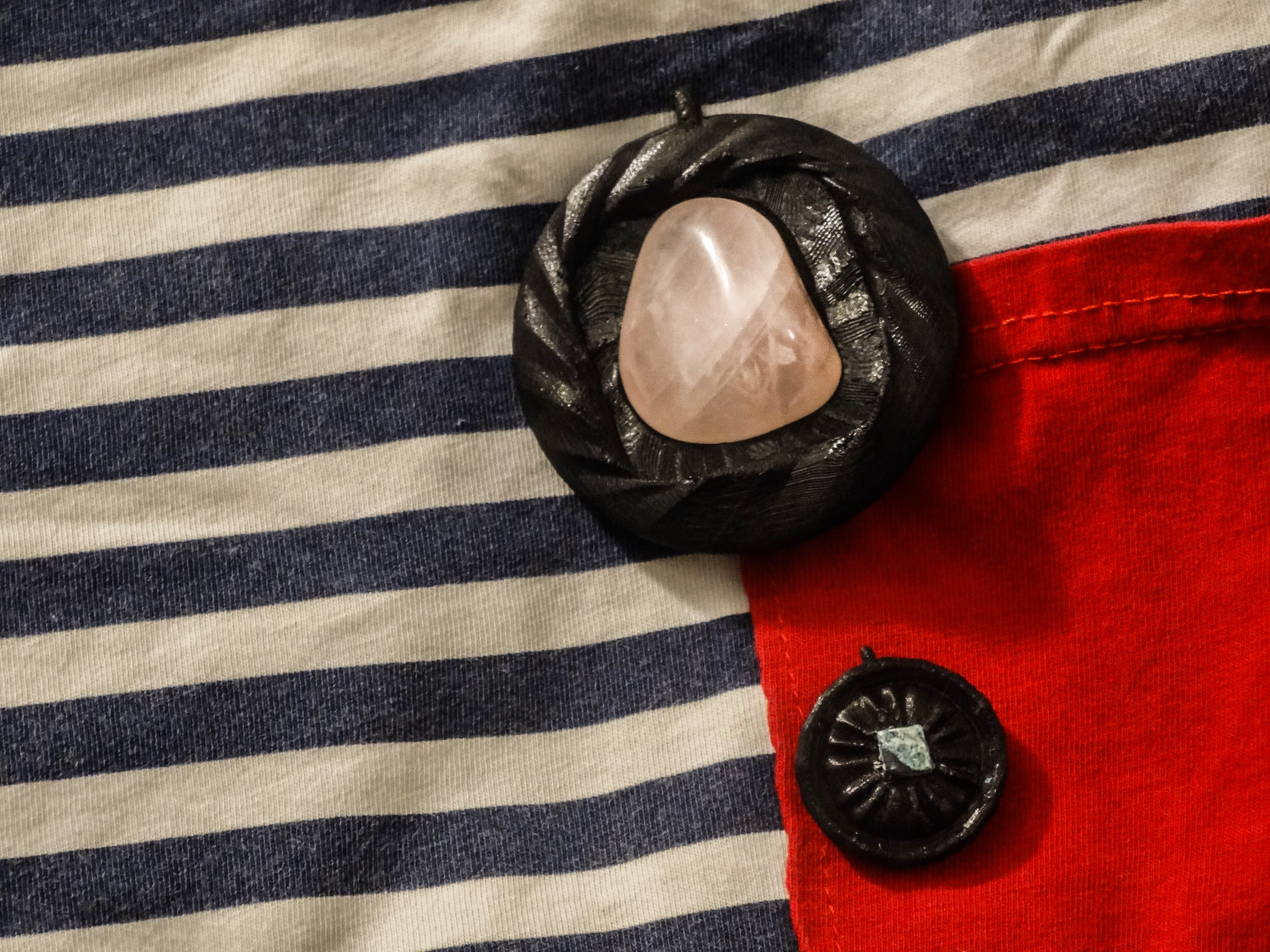

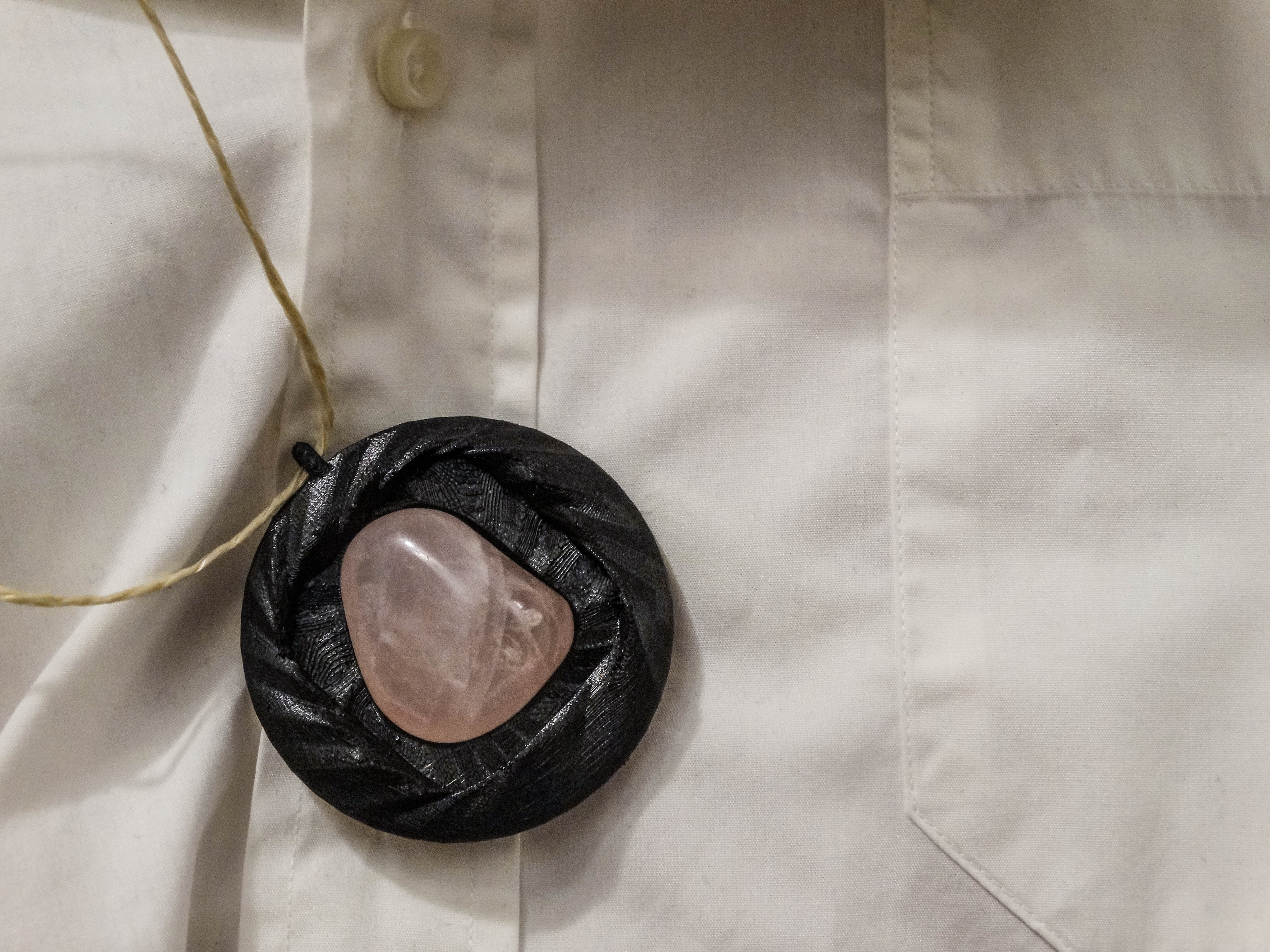

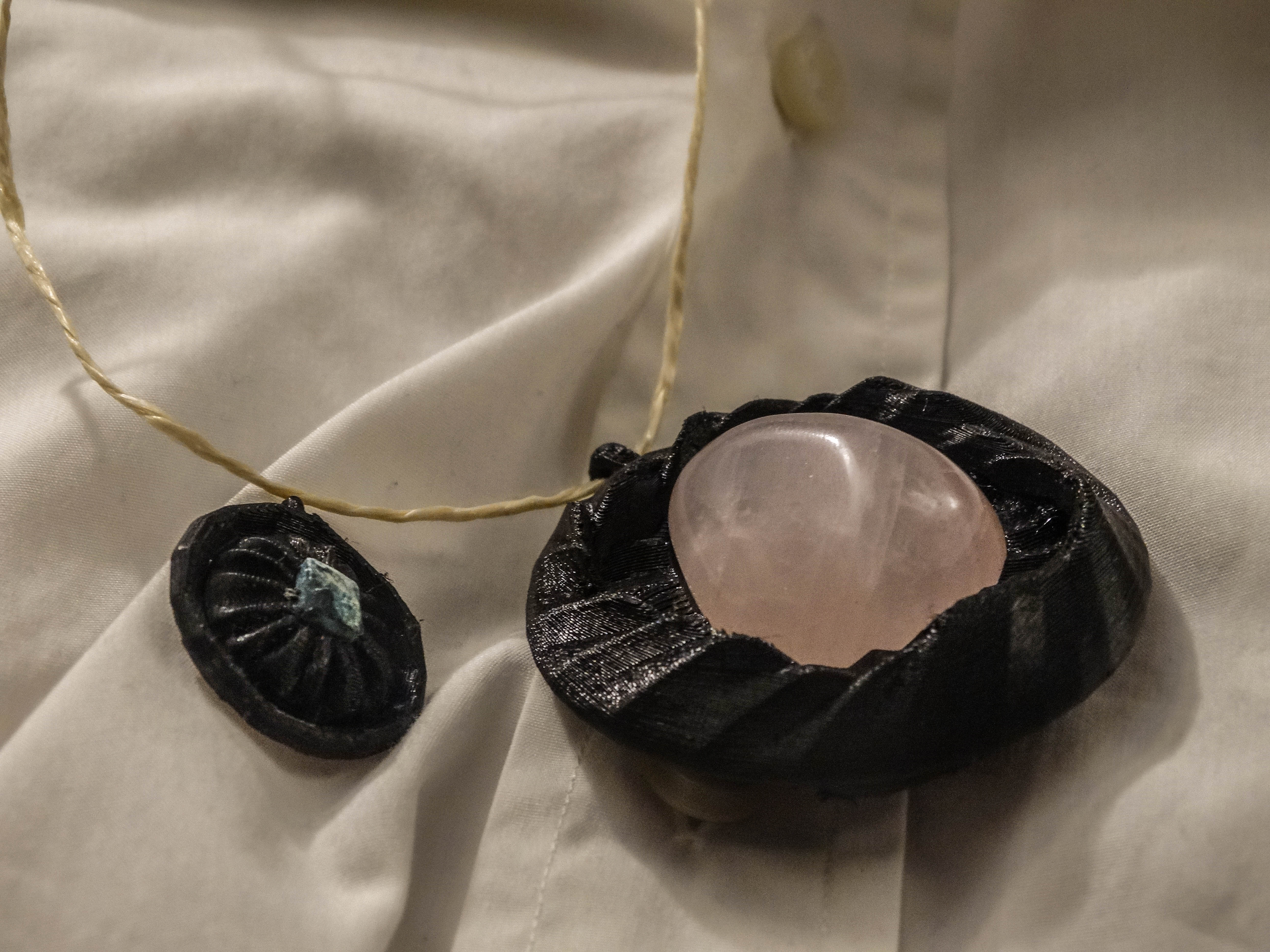

In 2022, Strahinja Jovanović undertook a project at the Faculty of Architecture in Ljubljana that would bring together two worlds often considered separate: nature and algorithm. The brief was open—students were exploring Python and creative coding in Grasshopper, the visual programming environment for Rhino. Each student pursued a different direction. Strahinja’s was to ask what happens when we let the physical world become the source code for the digital.
The process began with a stone. Not a special stone, not a gem or a specimen, but an ordinary stone—one that could be found on any path, any shore. Using photogrammetry, a technique that reconstructs three-dimensional form from multiple photographs, Strahinja scanned the stone, capturing its surface, its texture, its irregularities. The stone became data: a digital twin, precise and detailed.
From this data, he extracted parameters: the stone’s overall shape, its contours, its color variations. These parameters became the inputs for a generative design process in Grasshopper. Here, algorithms translated the stone’s physical characteristics into new forms. The irregularities of the stone’s surface became the logic of a curve. Its color palette became a gradient. Its mass became a structure.
The output was a set of jewelry designs. Each piece carries the trace of the original stone—not as literal representation, but as translated form. A necklace echoes the stone’s silhouette; a ring captures its texture; a bracelet follows the flow of its contours. The designs are algorithmic, but they are also organic, bearing the signature of their source.
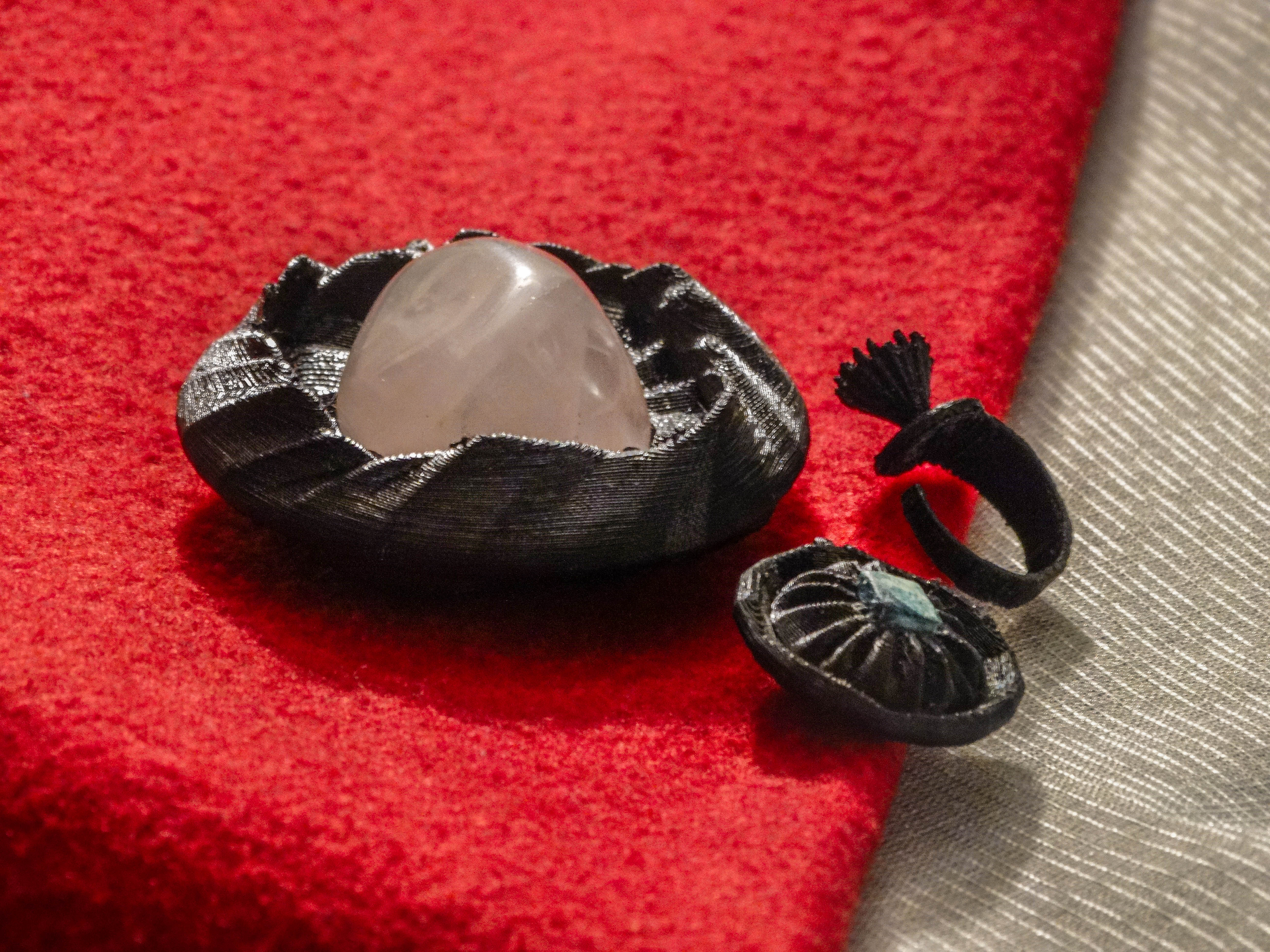
The final step was 3D printing. The digital forms became physical again—printed, wearable, tangible. The stone that had begun the journey as a physical object, transformed into data, algorithm, and finally back into matter, now existed in new form. The cycle was complete.
For Strahinja, the project was significant. It was, he notes, one of the first times he had attempted to connect nature and algorithms in such a direct way. The work sits at the intersection of several disciplines: computational design, digital fabrication, jewelry, and the older tradition of finding form in stone. It asks questions about translation and transformation: What is preserved when a stone becomes data? What is lost? What new possibilities emerge?
The project also reflects a broader interest in the relationship between the natural and the computational that runs through Strahinja’s work. In his fractal animations, he explored mathematical representations of natural forms. In his typefaces, he asked whether calligraphy could be translated into code. Here, the direction is reversed: a natural form becomes the starting point for algorithmic generation.
Naturo Algoro is modest in scale—a stone, some jewelry—but expansive in implication. It suggests that the boundary between nature and algorithm is not a wall but a membrane, permeable, generative. It shows that the irregularity we value in natural objects can become the logic of computational design. And it demonstrates that the tools of the digital age—photogrammetry, Grasshopper, 3D printing—can be used not to replace the natural world but to converse with it.
The stone that began the process remains. It sits somewhere, perhaps on a desk, perhaps on a shelf. Its digital twin exists in a file, its algorithmic offspring in printed objects. The cycle is open; it could continue, transform, produce new forms. Naturo Algoro is not a closed project but a method, a way of working, a demonstration of what happens when we let nature speak in the language of code.
.gif)