Mooresque reimagines 15th-century Moresque ornaments as a modular design system. Combine elements to create unique letters, structures, patterns—a contemporary tool for typographic exploration, where ornament becomes function.
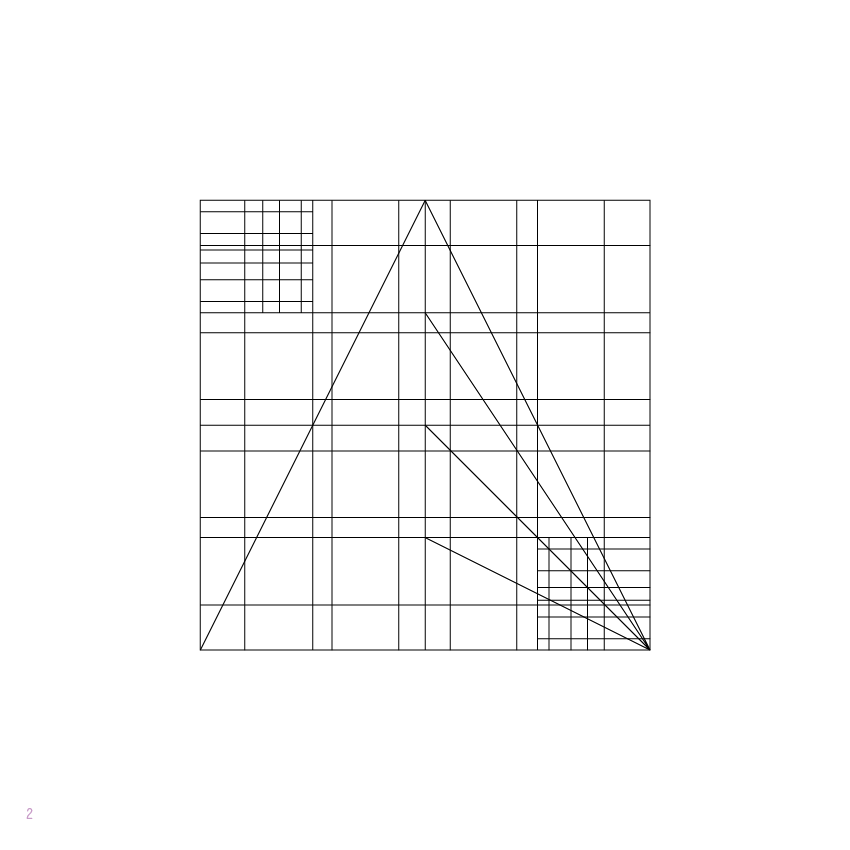
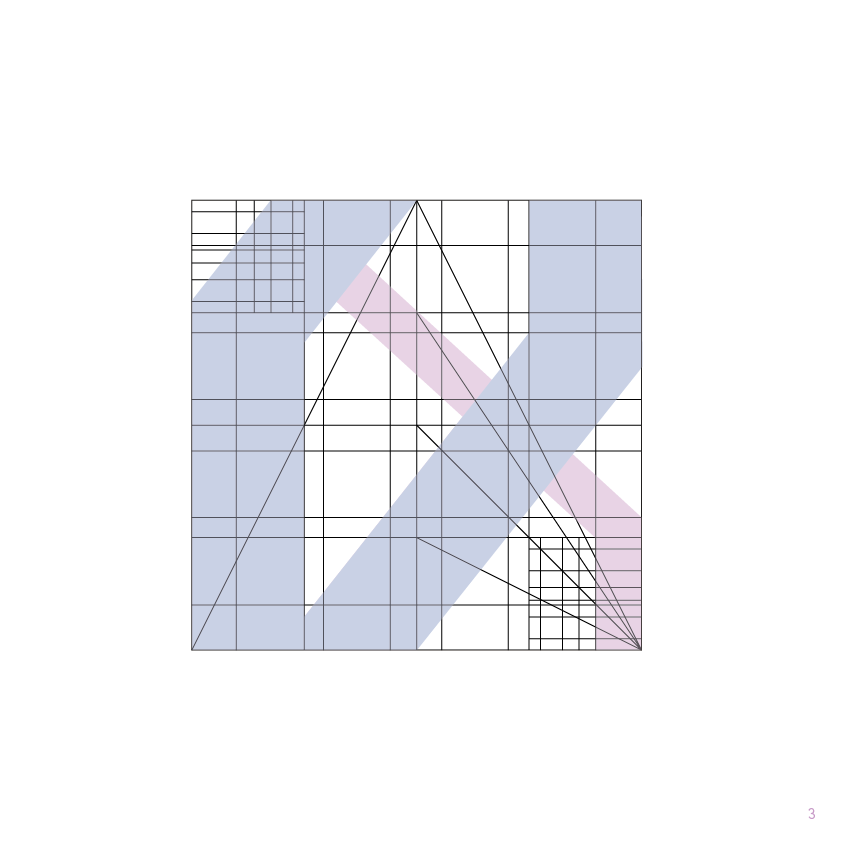
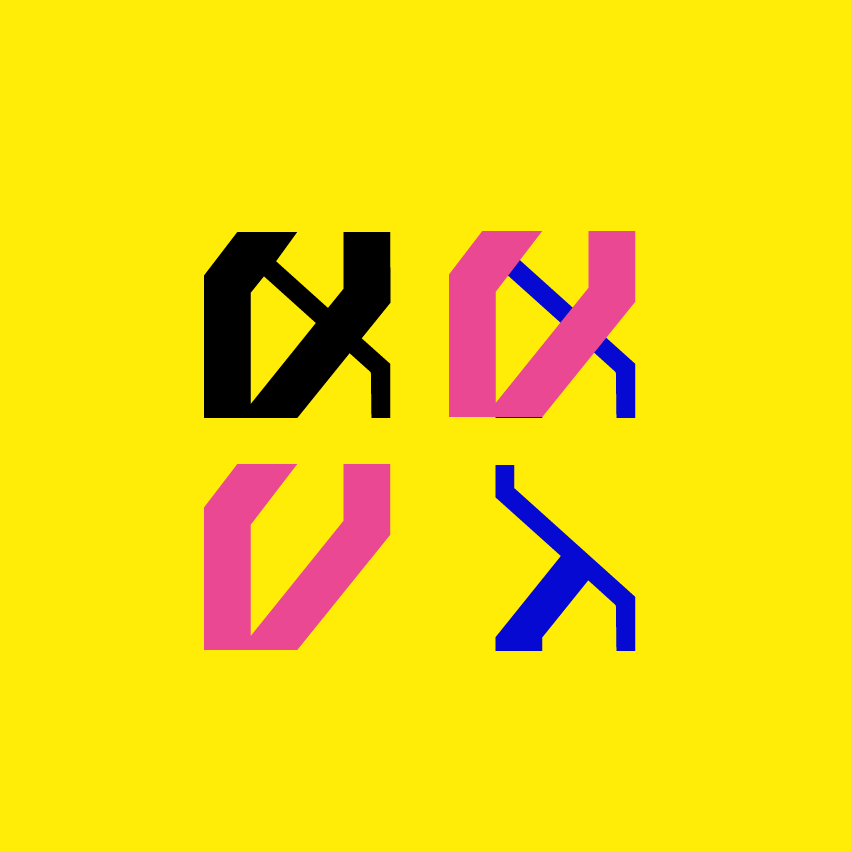
Three collections—Alfa Moore, Exo Moore, ExoAlf Moore—offer endless possibilities. Each element is a building block; each combination a new form. Type, create, explore. The ornament becomes a language.

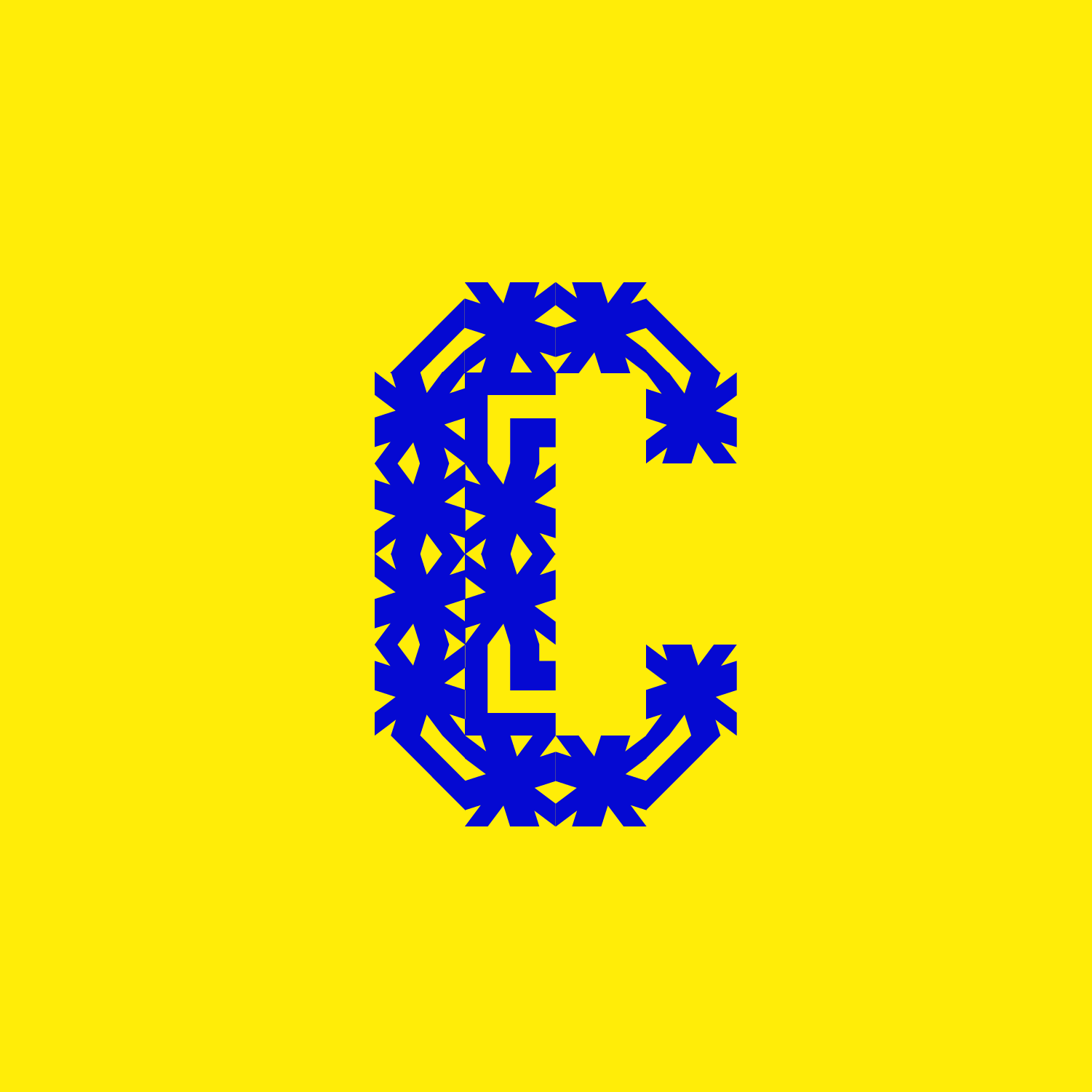
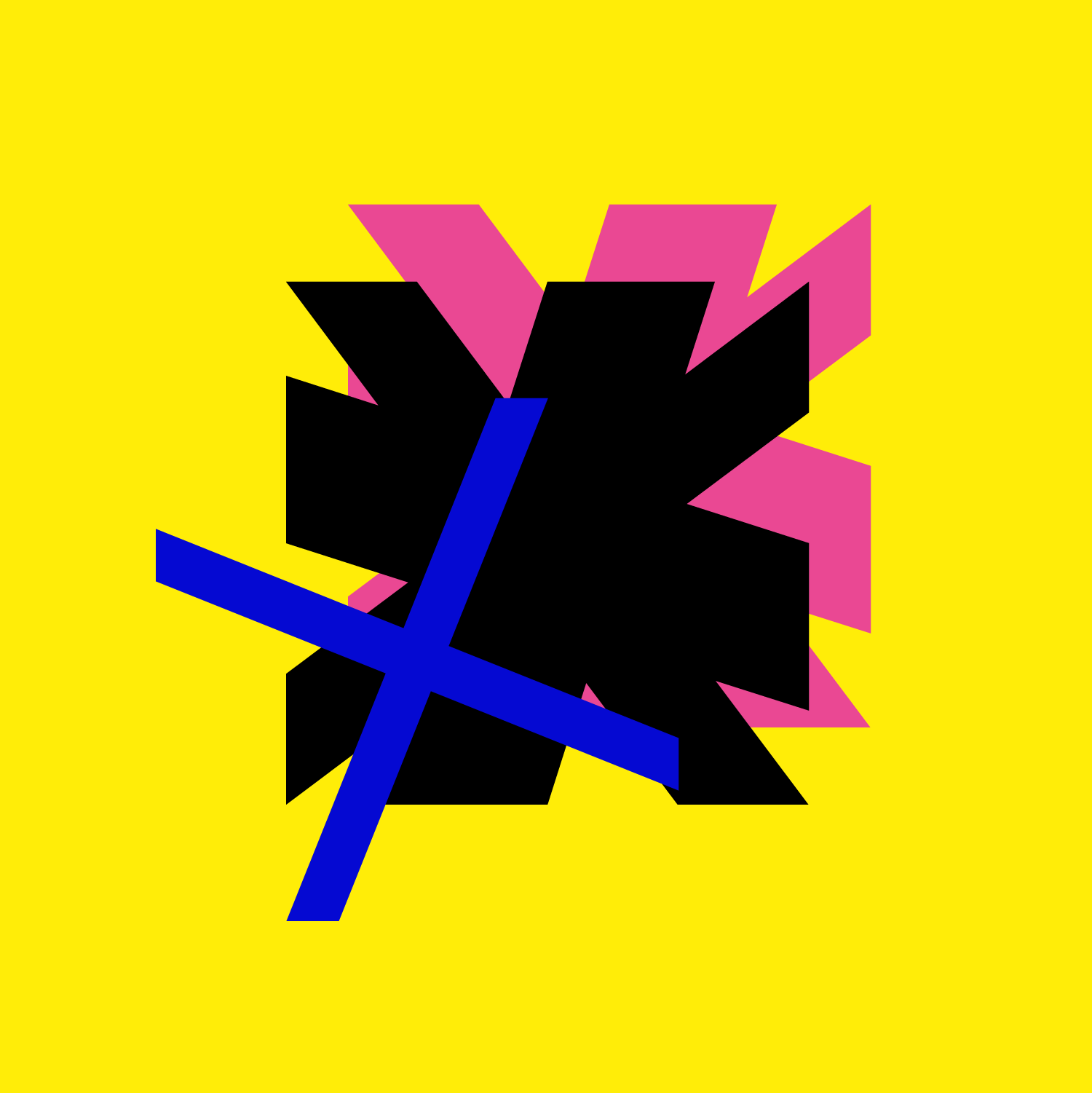

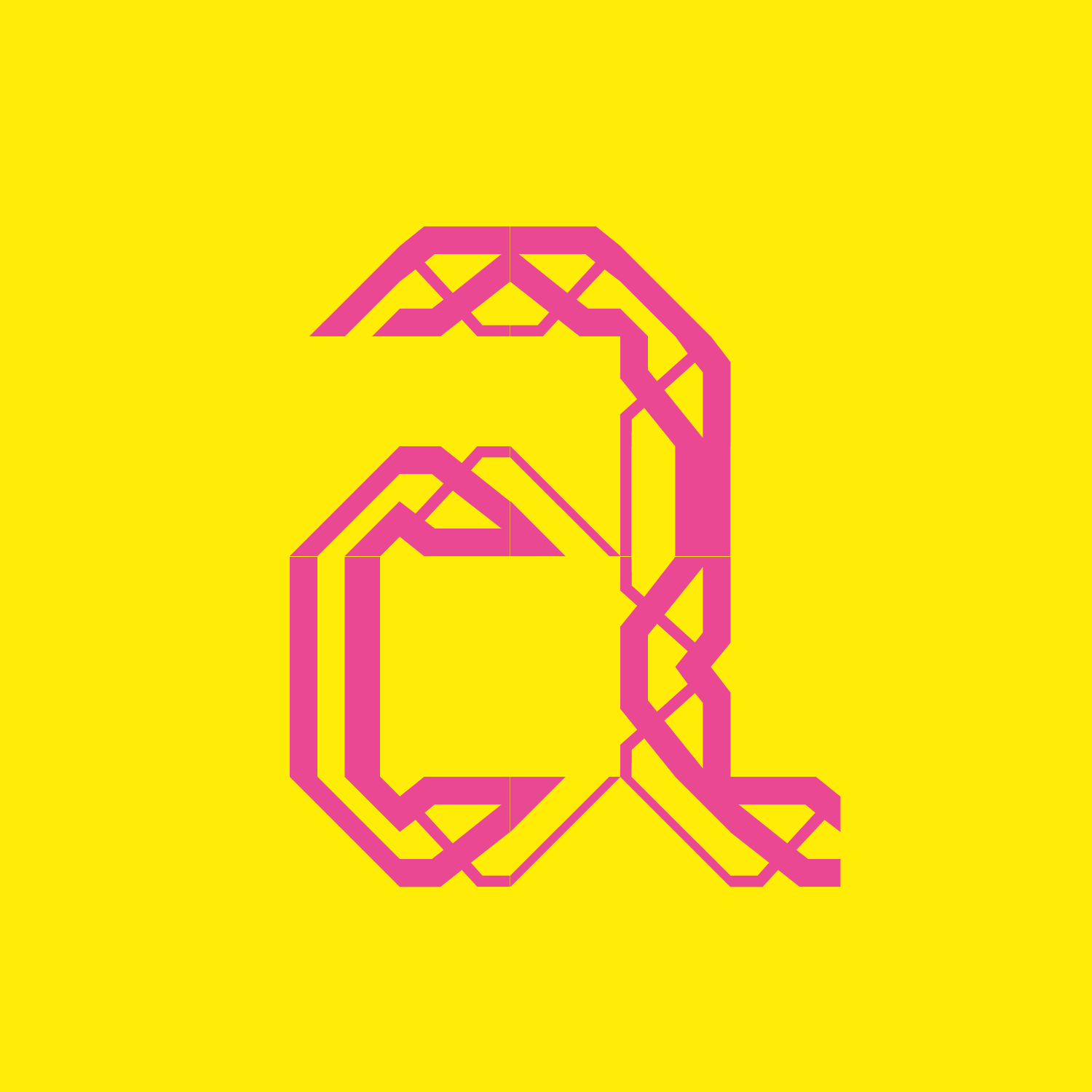


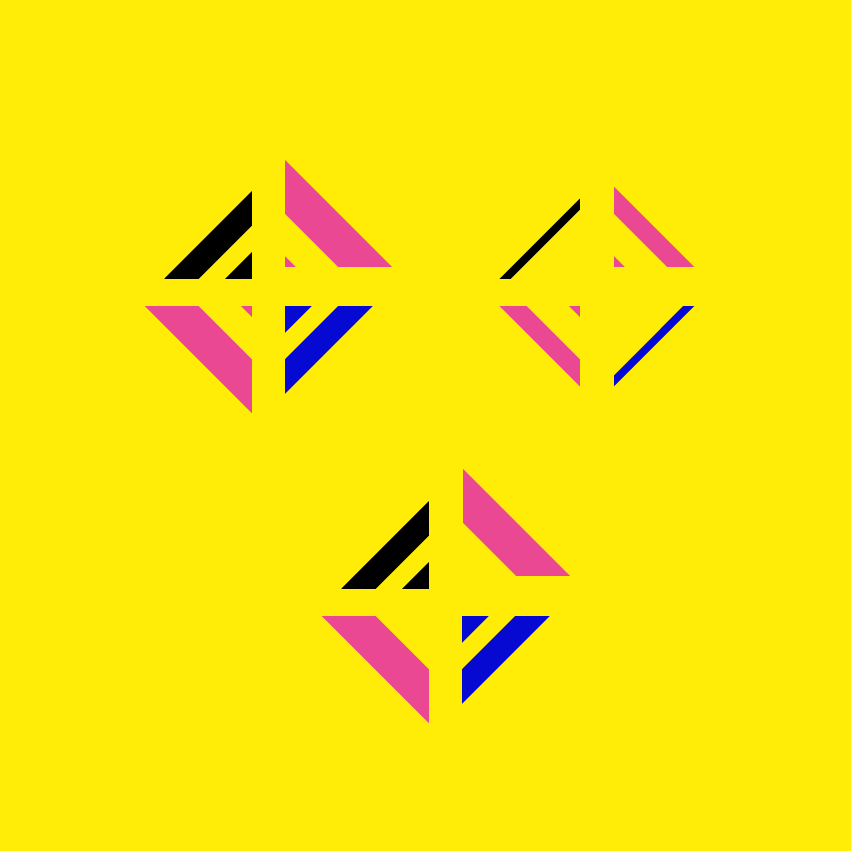
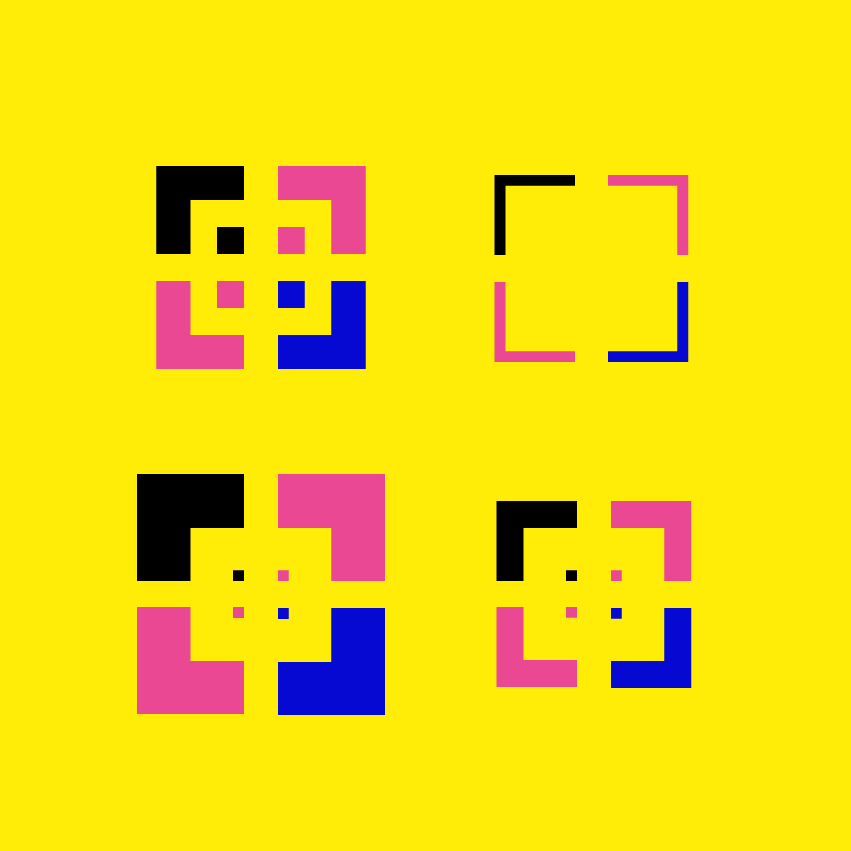
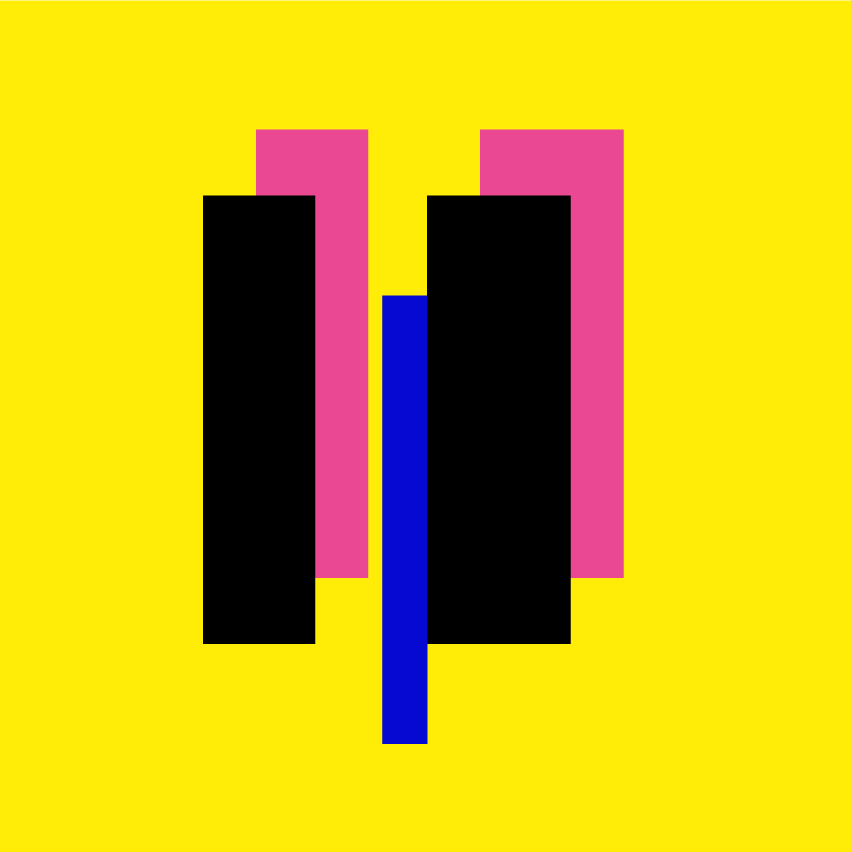
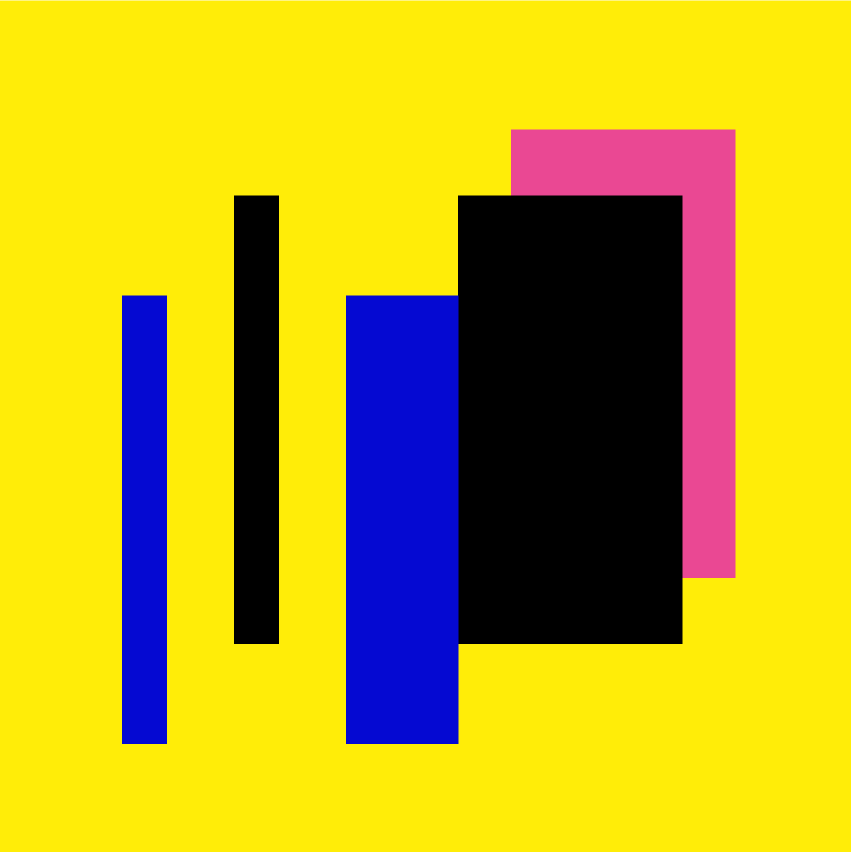
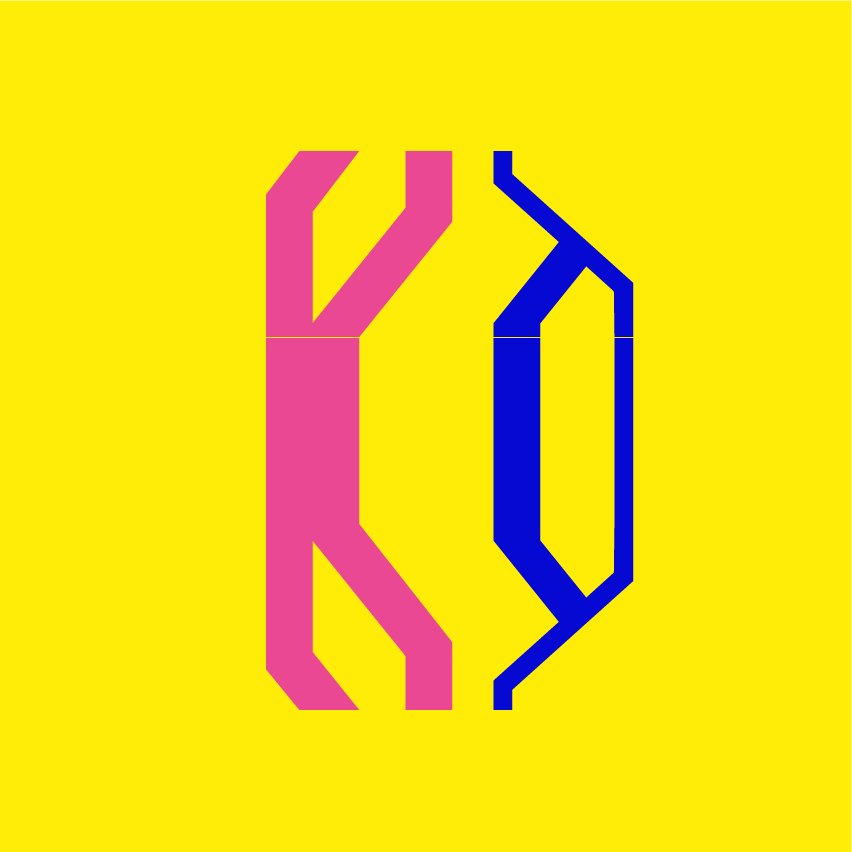

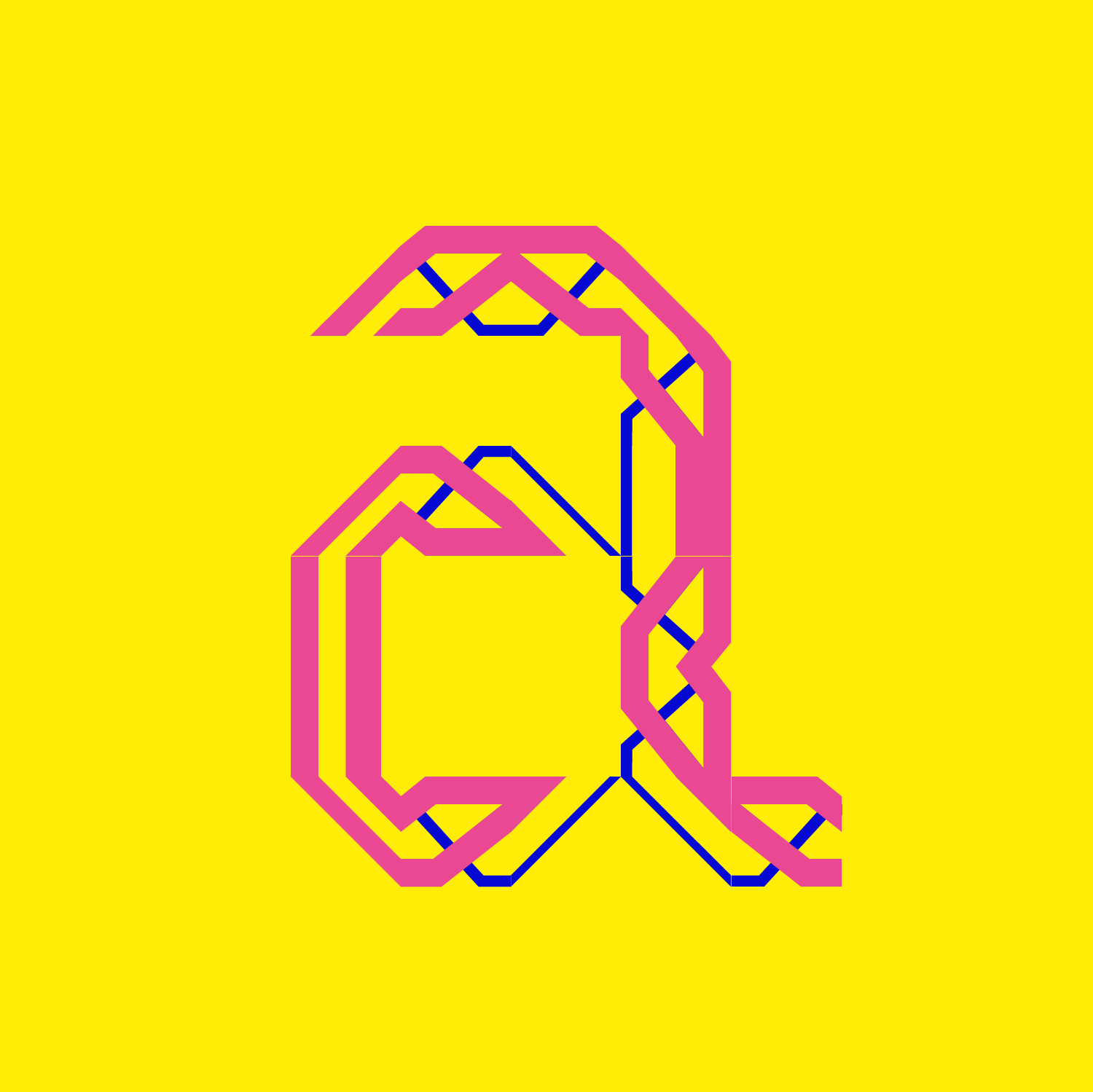
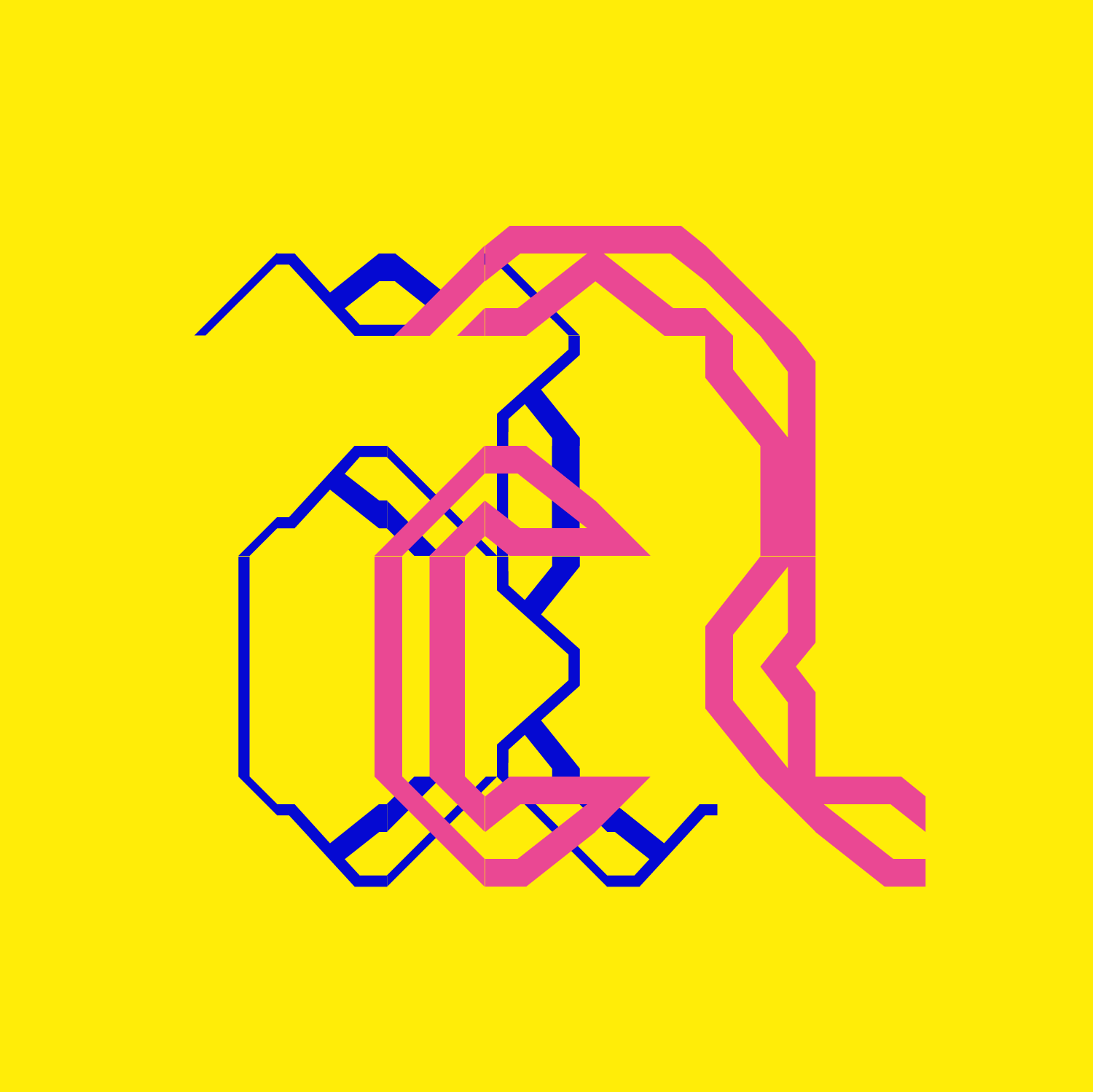

Inspired by historical ornament, realized through algorithmic design. Mooresque bridges past and present, offering designers a tool for generating letters, stamps, prints. Exhibited in New York, Paris, and Japan.
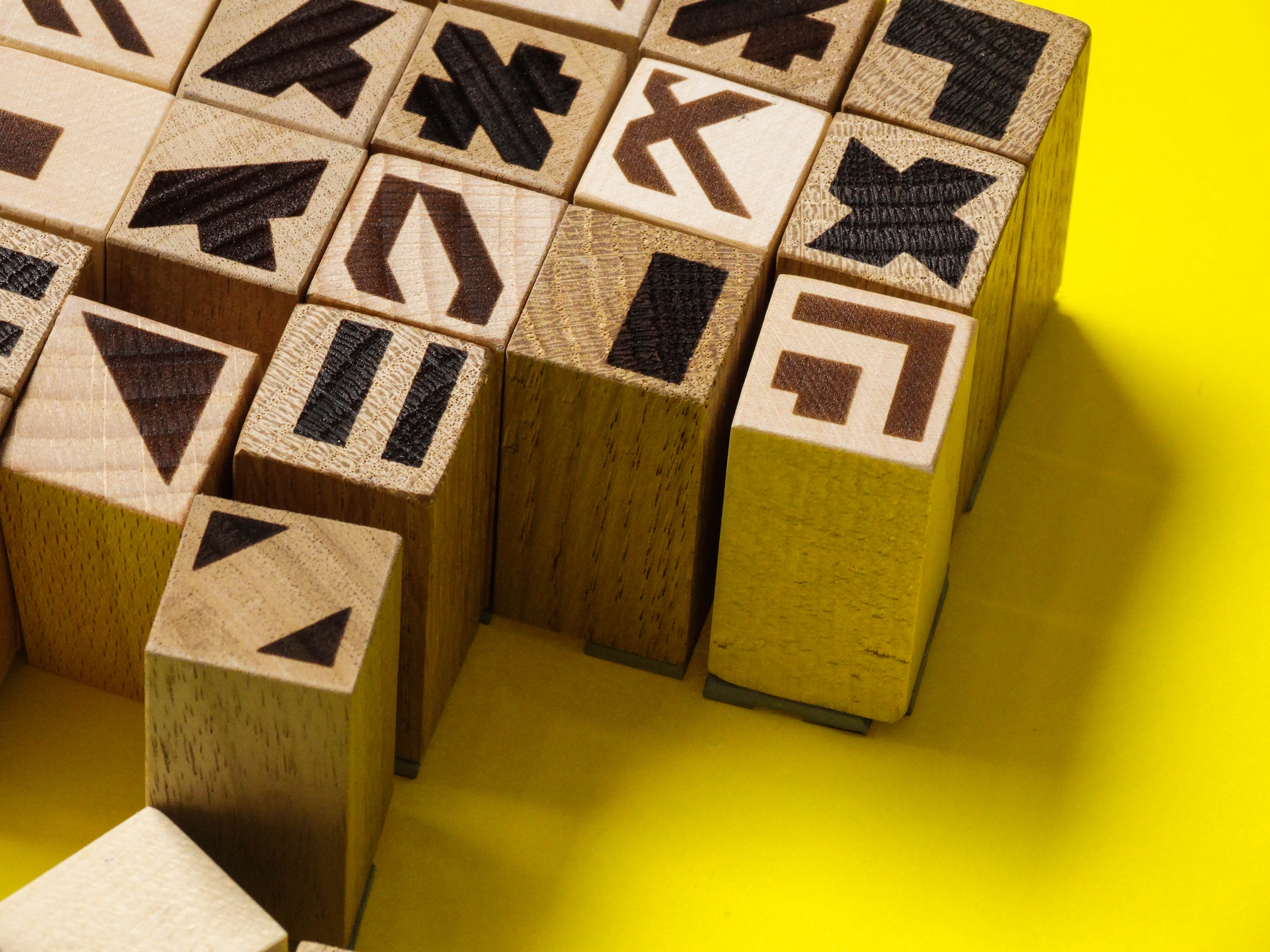
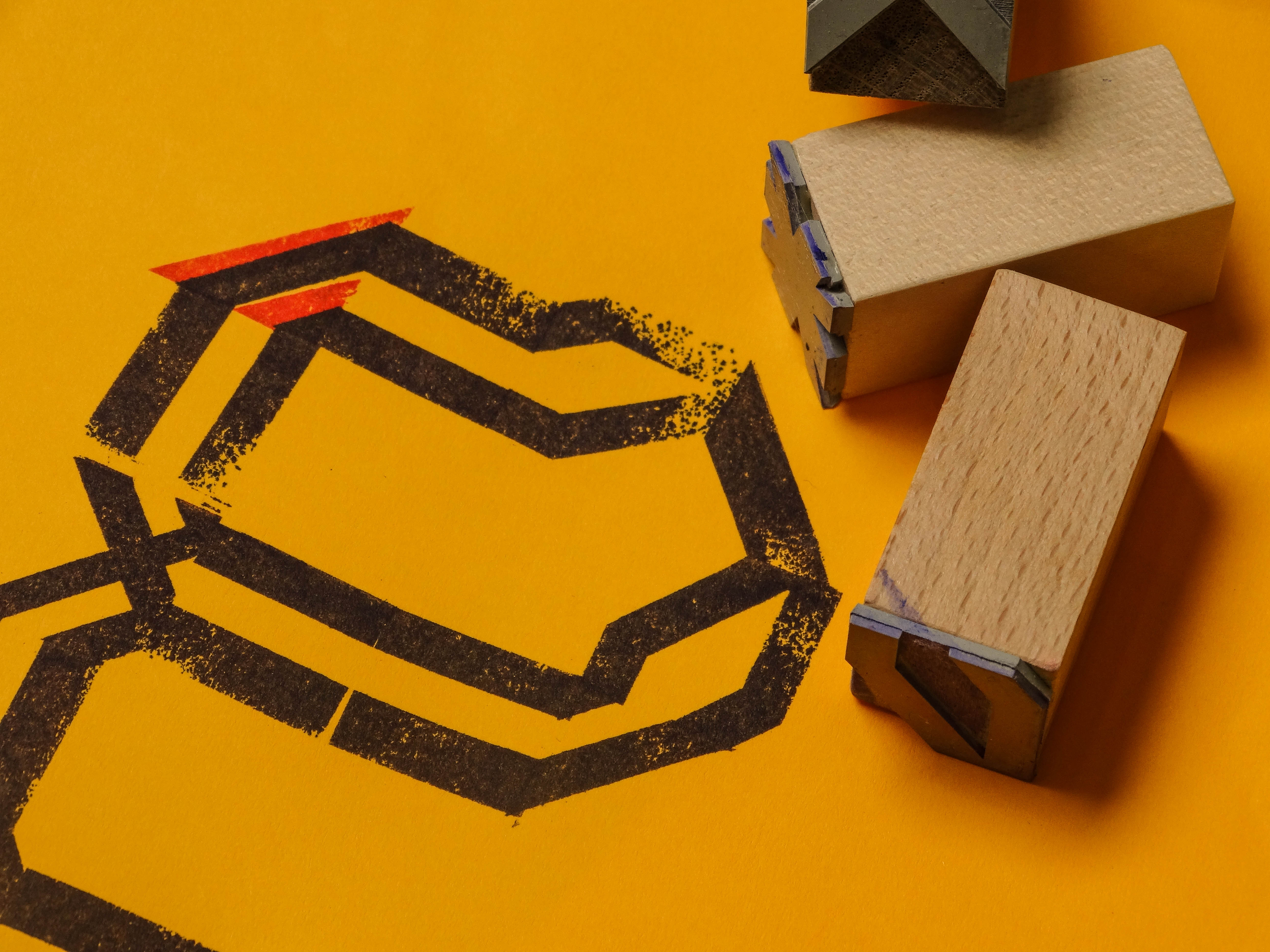
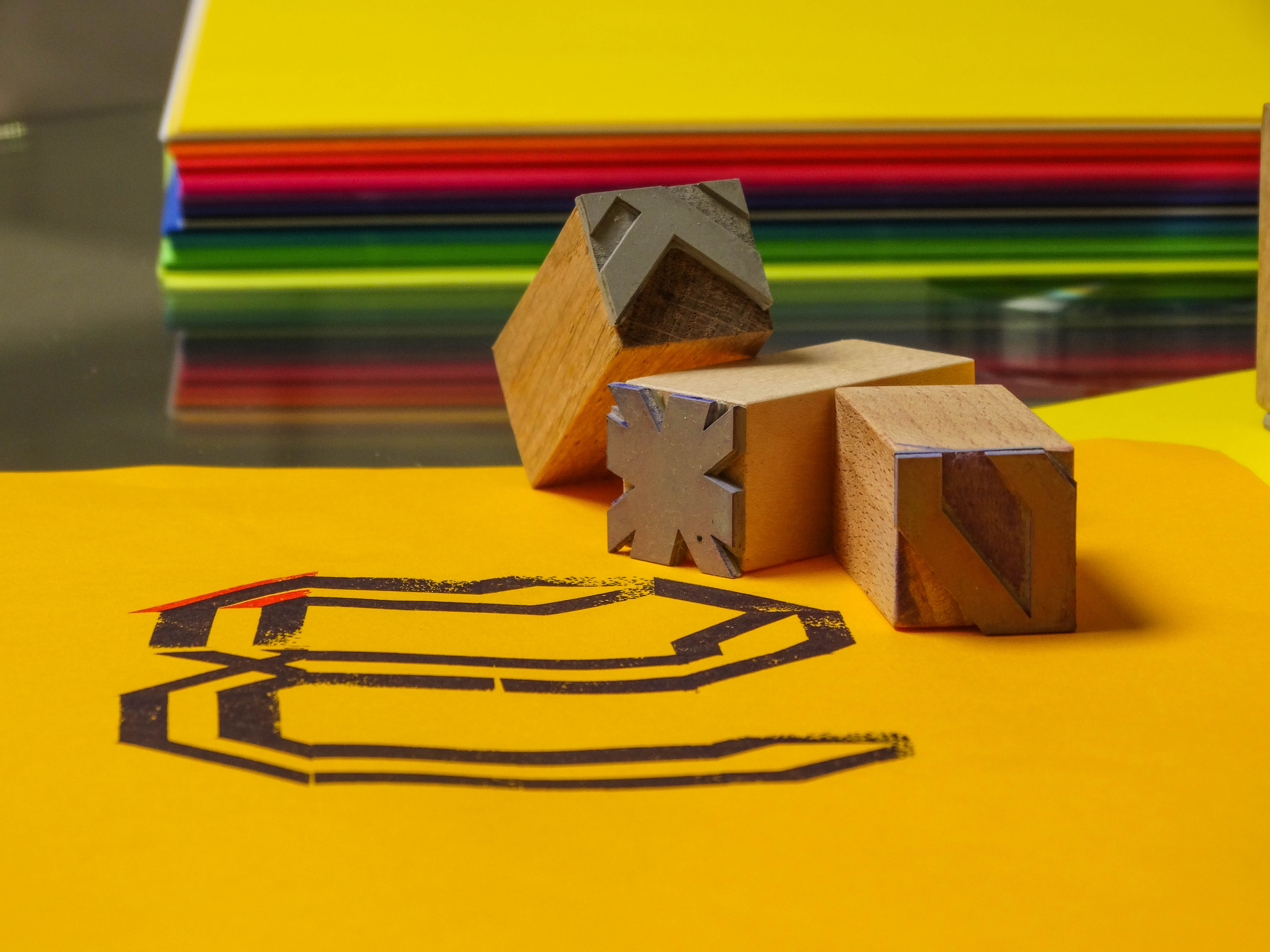
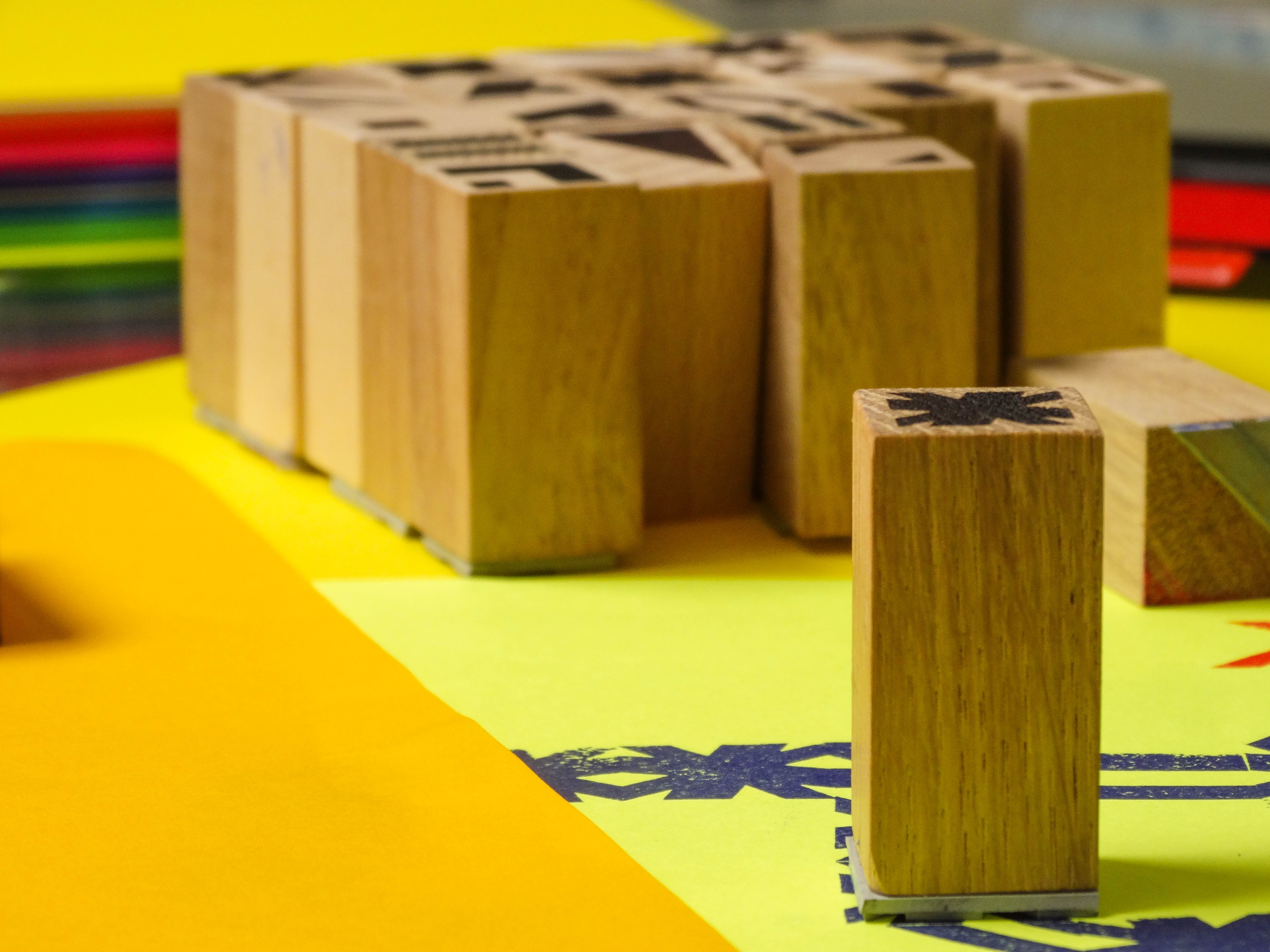
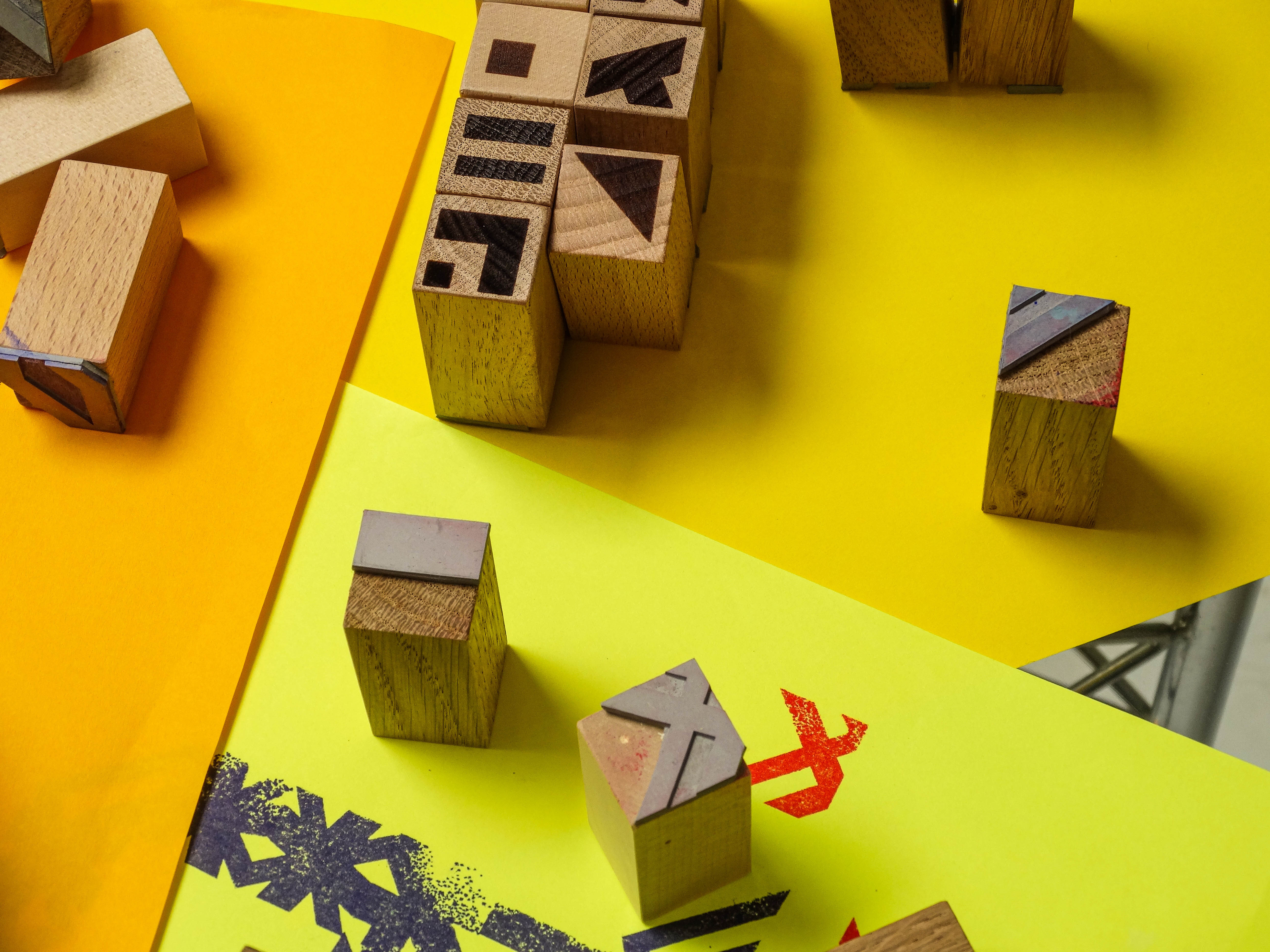
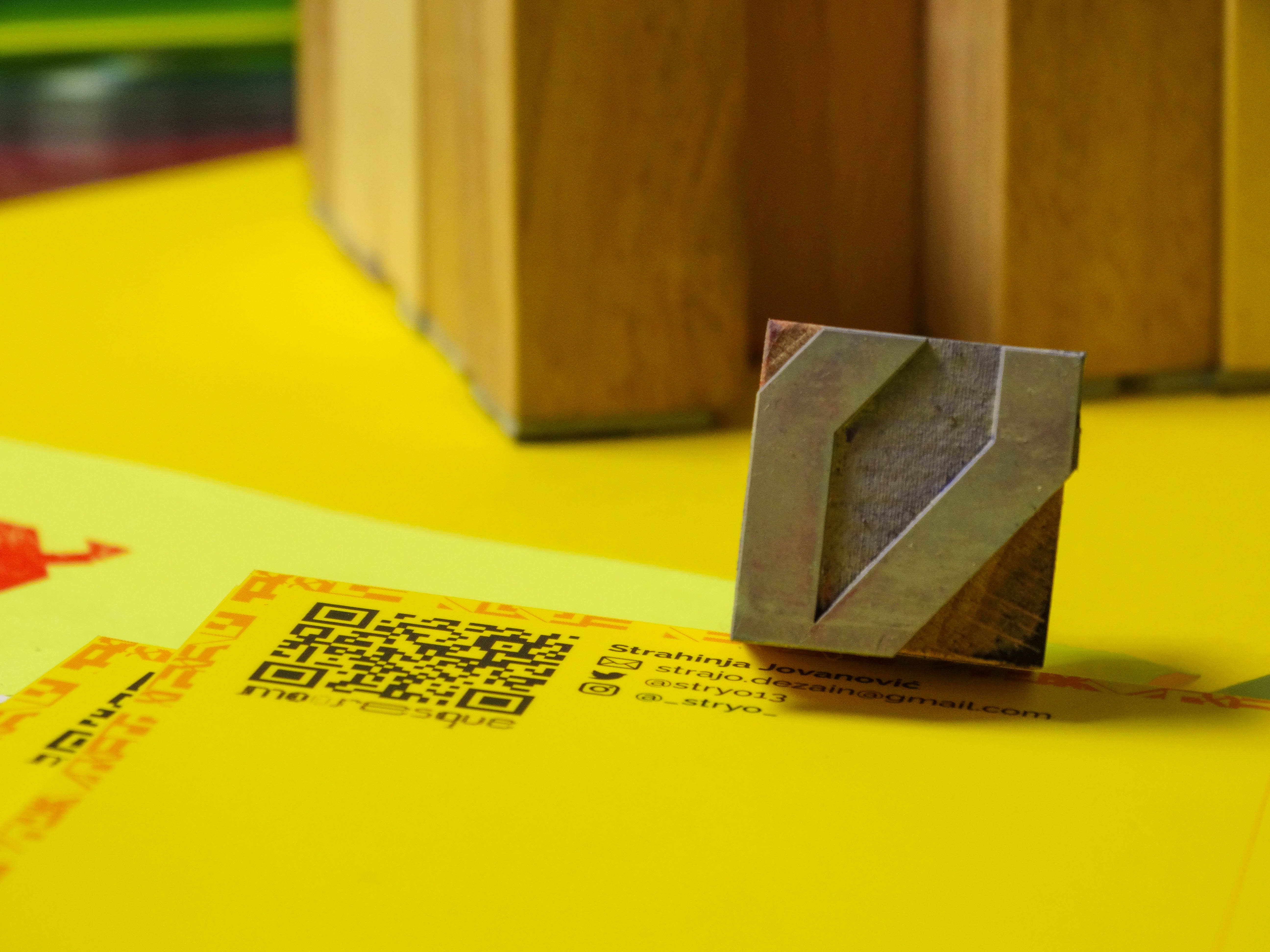
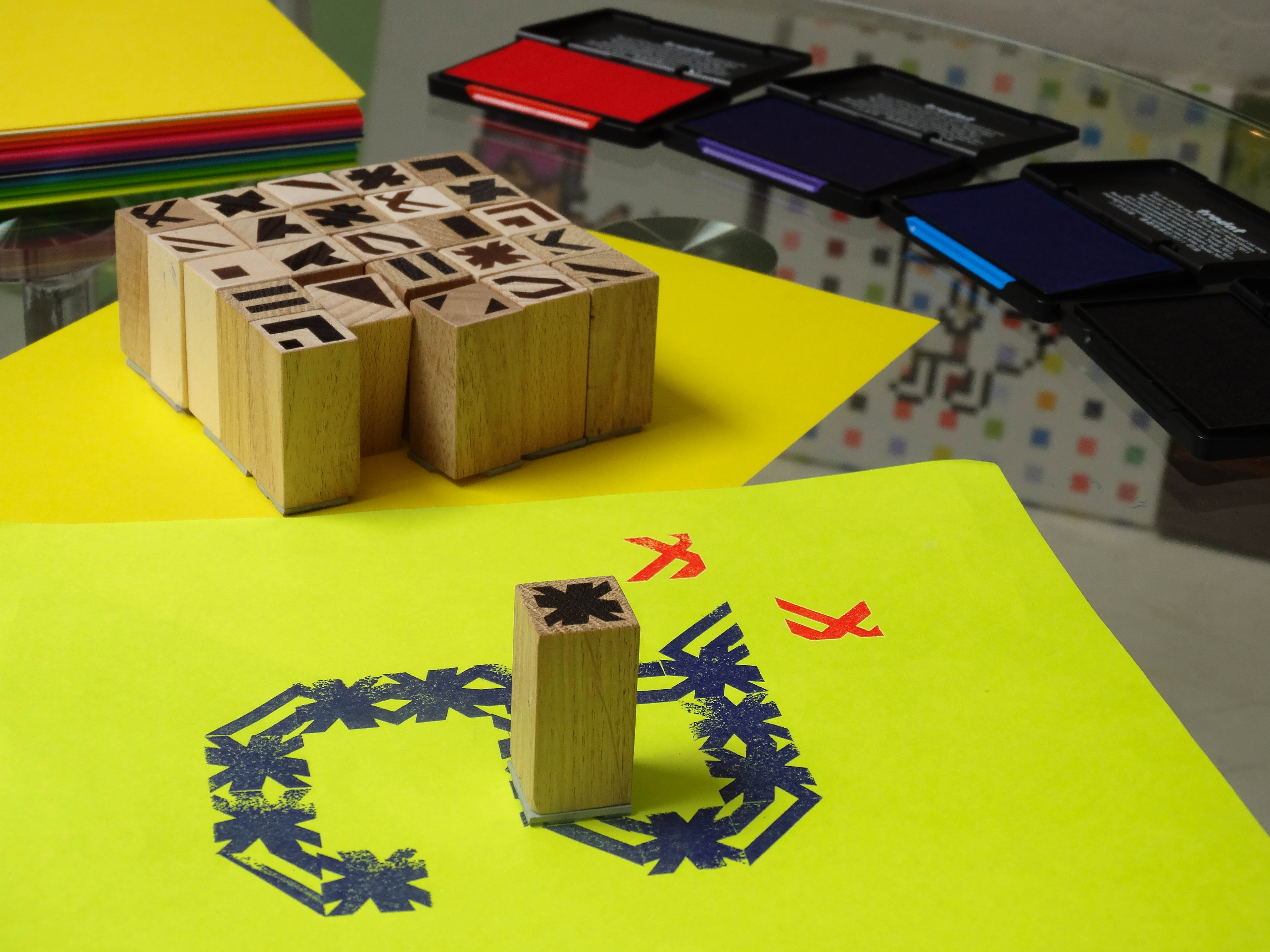
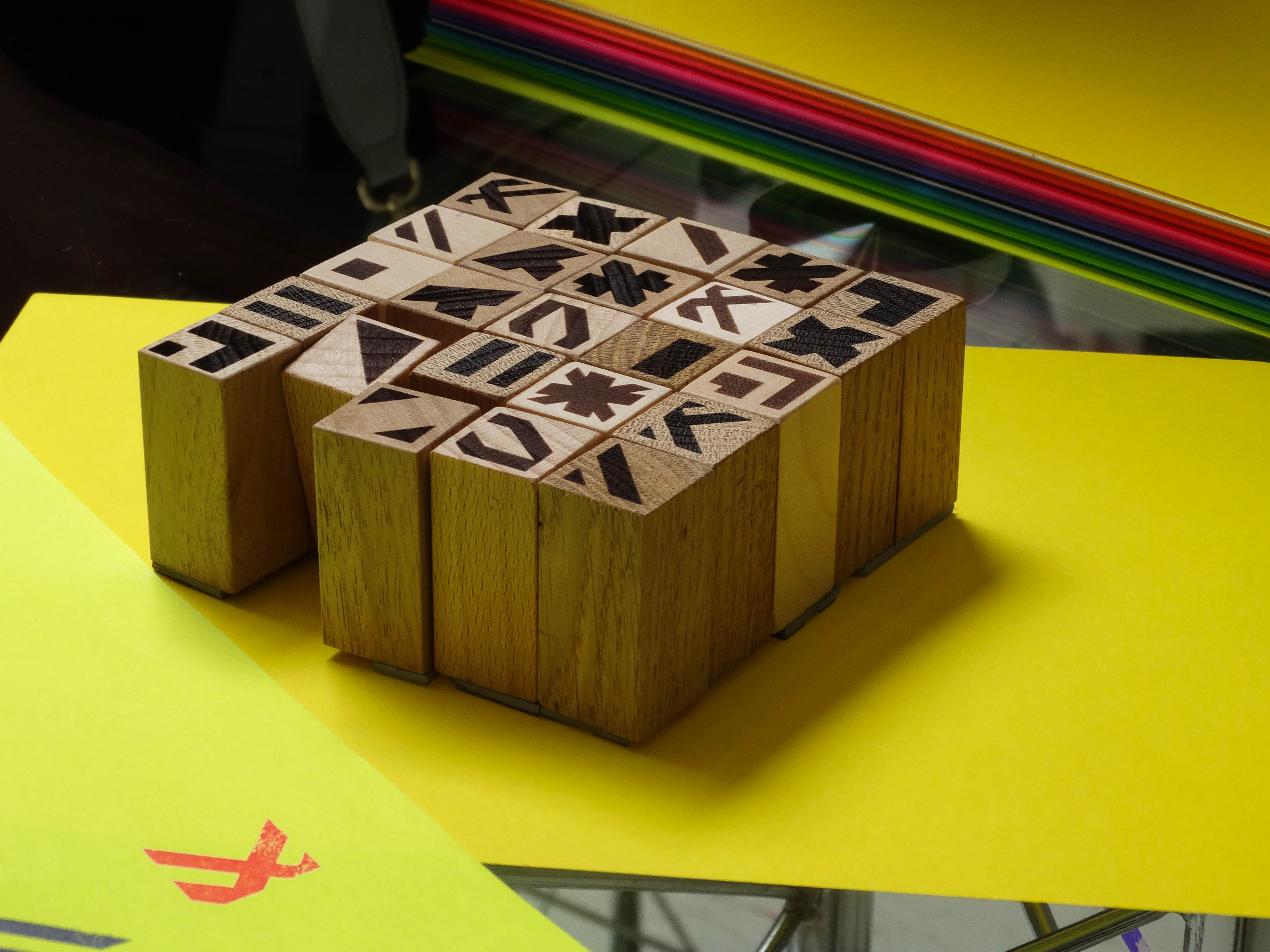
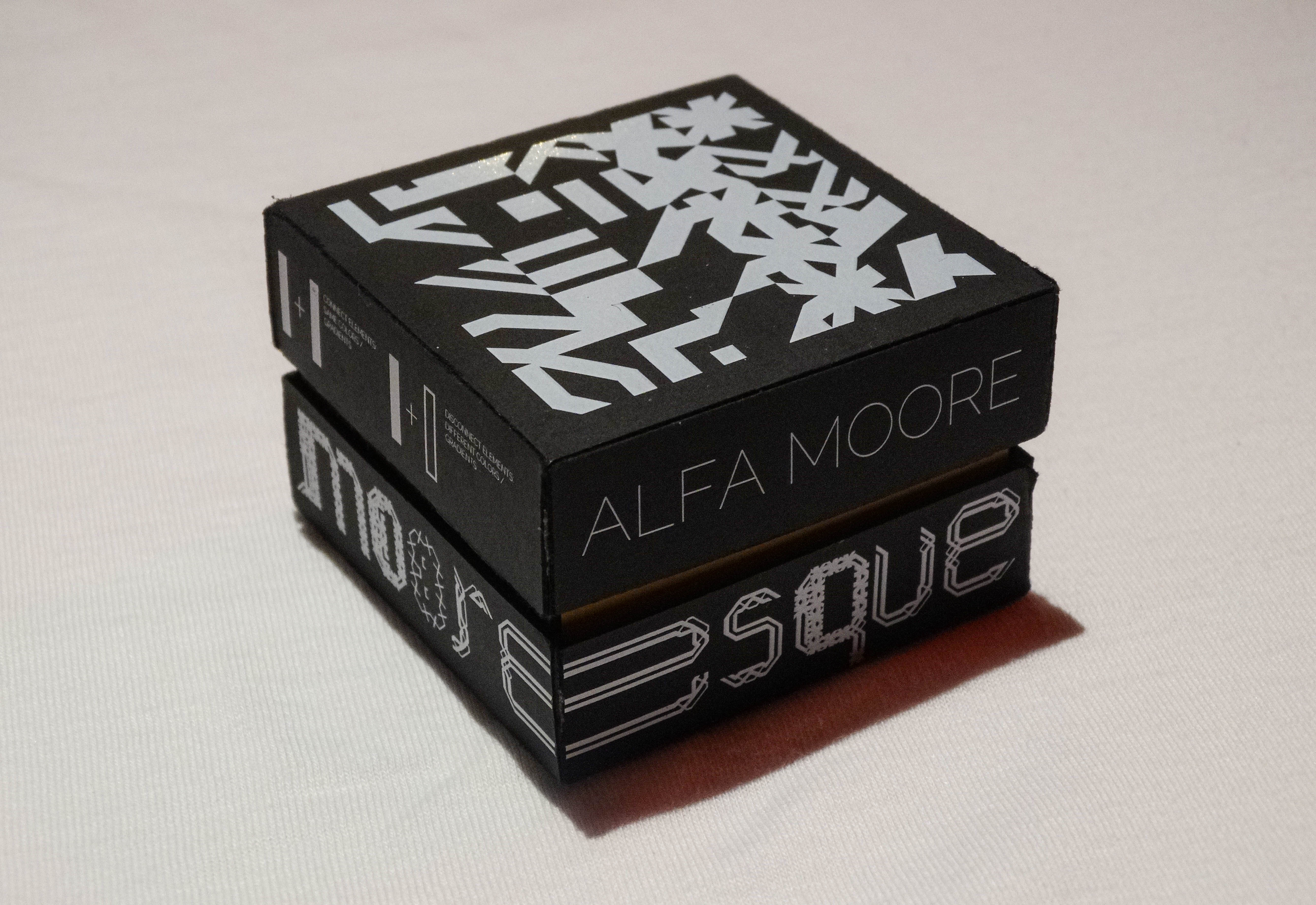
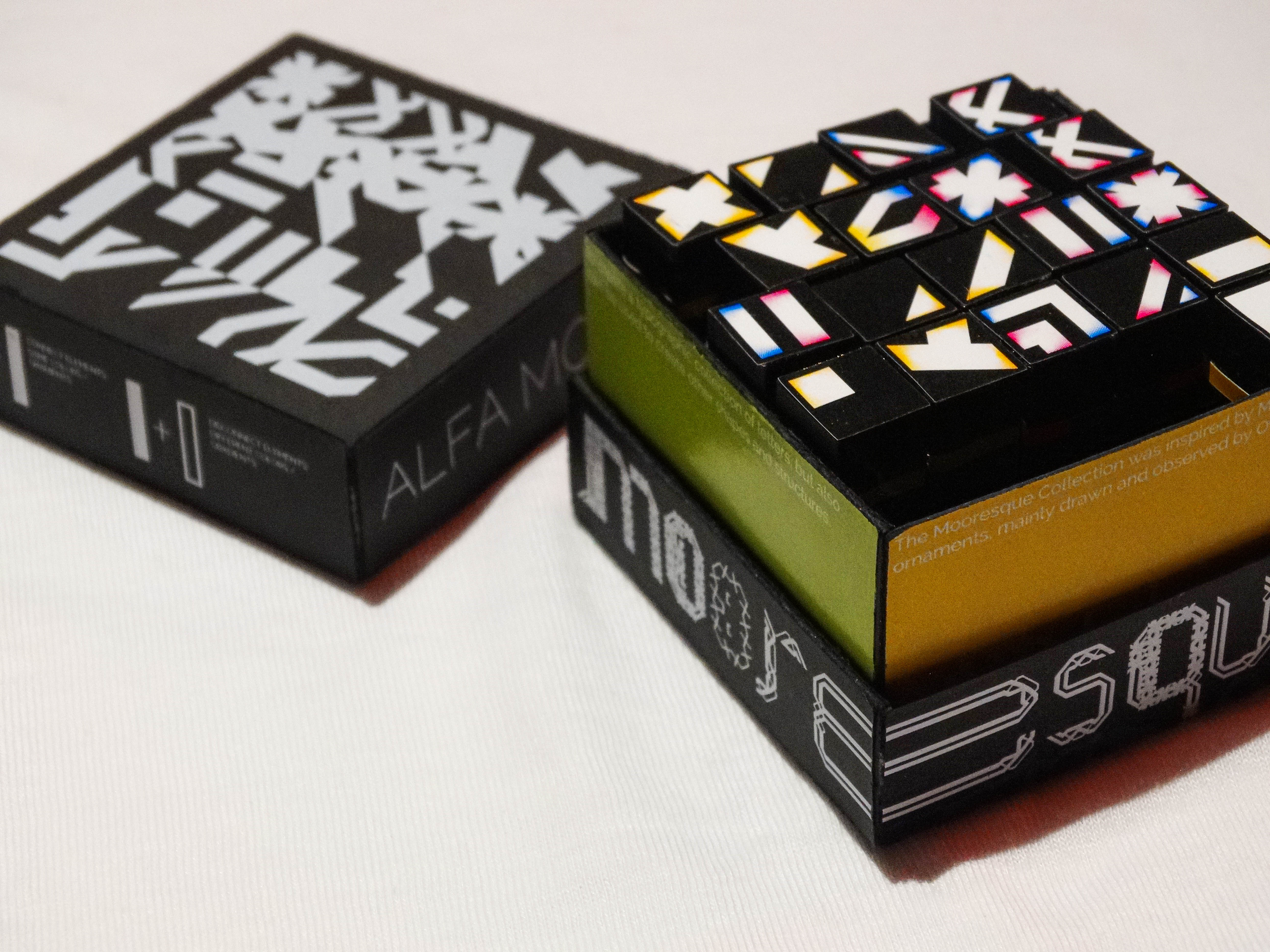
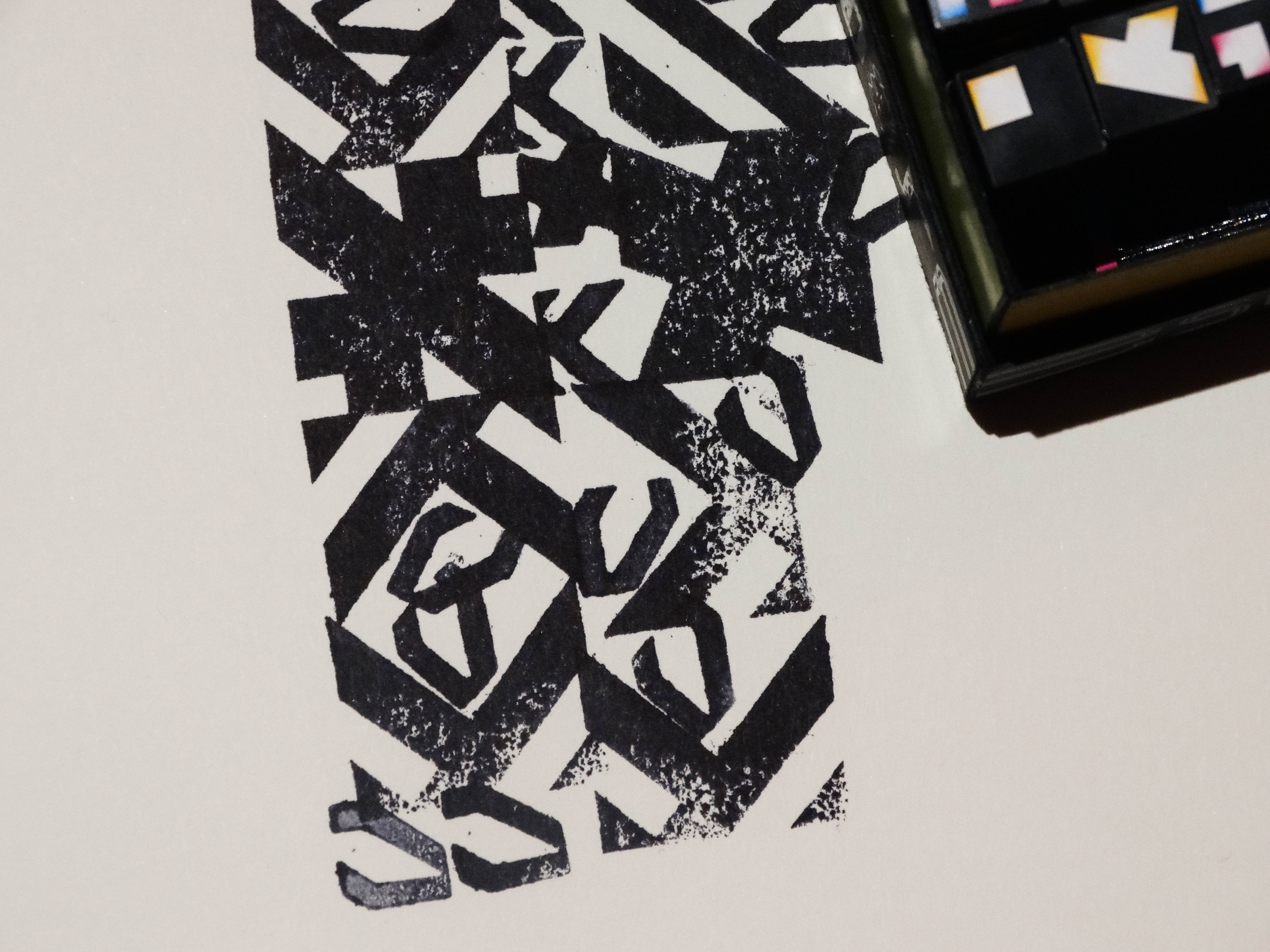
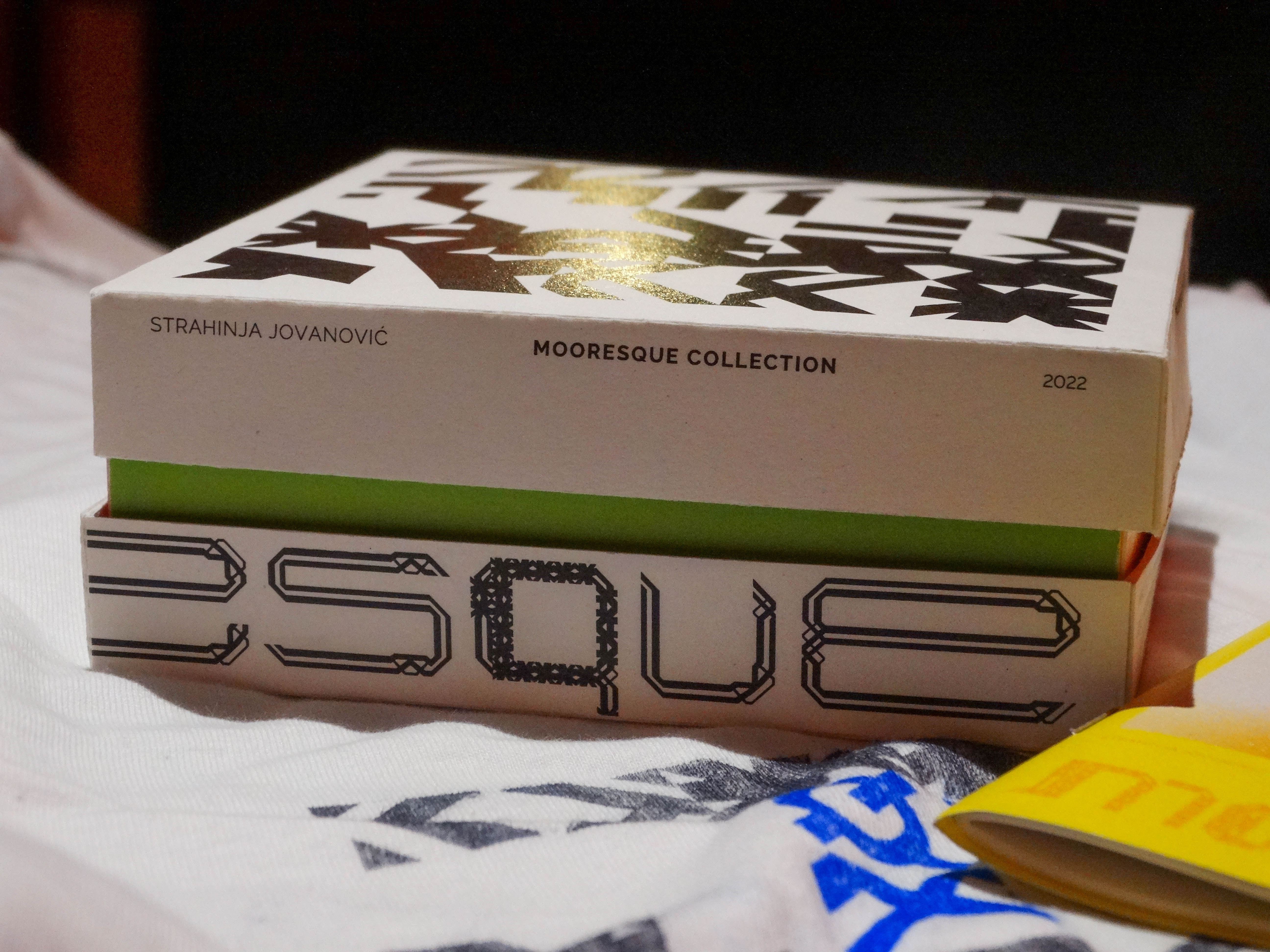
In the 15th century, Moresque ornament—intricate, interlacing, infinitely varied—spread across Europe, appearing in manuscripts, textiles, architecture. It was a language of pattern, a grammar of form, a way of filling space with meaning. Five centuries later, Strahinja Jovanović asked what that language might become in the hands of a contemporary designer. The answer is Mooresque: a modular system for generating ornament, type, and structure.
The project is a collection of modular elements—ALFA MOORE, EXO MOORE, EXOALF MOORE—each a building block that can be combined, repeated, transformed. The elements are inspired by Moresque ornament but not bound by it. They are tools, not reproductions. The user is invited to play, to experiment, to create. Type and create; create and type. The phrase, repeated across the project's website, captures its spirit: Mooresque is not a finished product but a process, an invitation.
The modular approach is central. Like letters that combine into words, words into sentences, the elements of Mooresque combine into forms. A single element can be a mark; many can become a pattern, a border, a letterform. The system allows for variation in thickness, in size, in arrangement. It is precise but open, structured but generative.
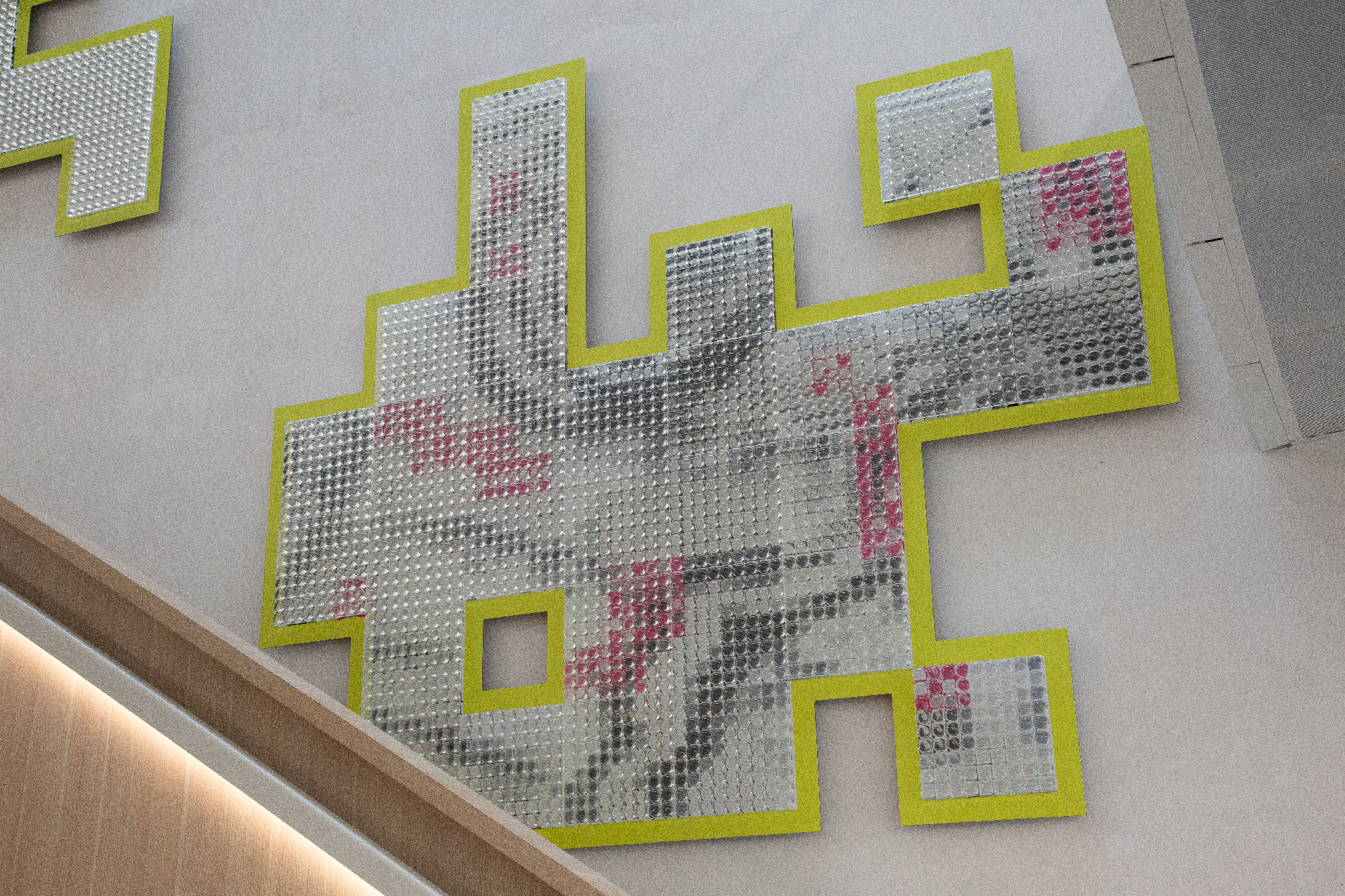
The project has taken many forms. It is a typographic collection, a set of stamps, a print series, a digital tool. It has been exhibited in New York and Paris, shown at the Art Award Biennale in Kagawa, Japan. Each iteration explores a different aspect of the system: the precision of print, the reproducibility of stamps, the interactivity of digital. But the core remains the same: a set of modular elements, a grammar of ornament, a language waiting to be used.
The inspiration for Mooresque is historical, but its execution is contemporary. The elements are designed with algorithmic precision, their forms generated through computational processes. The result is ornament that feels both ancient and new—rooted in tradition, but open to futures its originators could not have imagined. It is ornament as system, ornament as tool, ornament as a way of making meaning in a digital age.
For Strahinja, the project is a synthesis of his interests: in ornament, in programming, in the relationship between function and form. It is also a continuation of the modular explorations that appear across his work—Orthoments, Neue Modulo, Folium—each a different approach to building letters from parts. Mooresque extends this inquiry into the realm of ornament proper, asking what the decorative can become when it is also functional.
The project is also a reflection on the role of the designer. Mooresque is not a typeface in the traditional sense; it is a toolkit. The user is not a passive consumer but an active participant, combining elements, creating forms, discovering possibilities. The designer's role is to provide the tools, the grammar, the possibilities—and then step back, allowing others to make.
In the end, Mooresque is about play. Play with elements, with forms, with the history of ornament. Play as a mode of making, as a way of discovering what a system can do. Type and create; create and type. The invitation is open.
.gif)