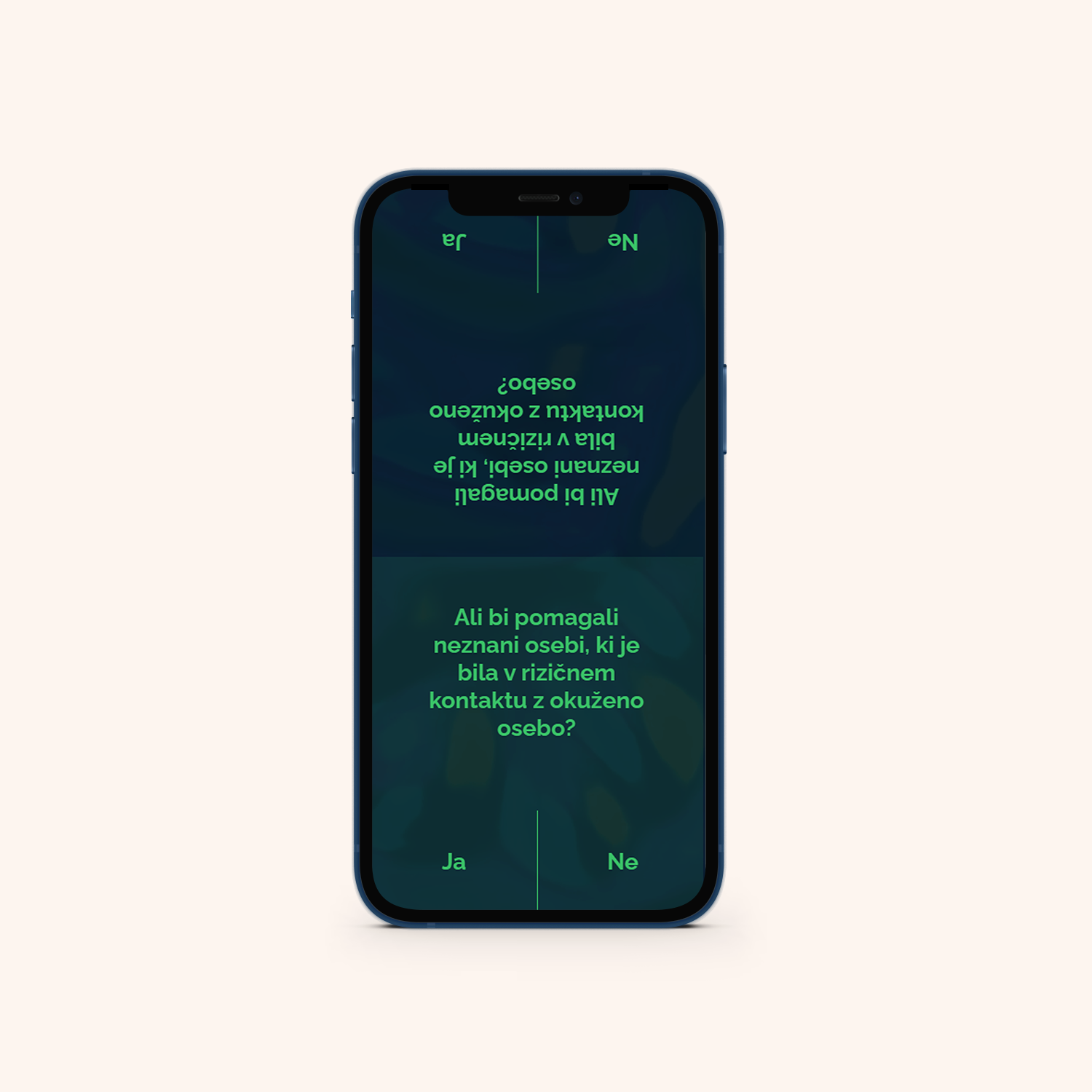
Covid App asks: can vaccinated and unvaccinated people talk to one another? Through an interactive game of moral and statistical questions, the project creates a space for dialogue—turning division into conversation.
.gif)
What kind of world do we want after the pandemic? Covid App uses play to explore this question. Participants answer questions, confront perspectives, and are placed in direct communication—building understanding, one question at a time.
.gif)
.gif)
.gif)
More than a game, Covid App is a tool for public awareness. By mixing statistics with moral choices, it invites reflection on where we are, where we want to be, and how dialogue might help us get there.
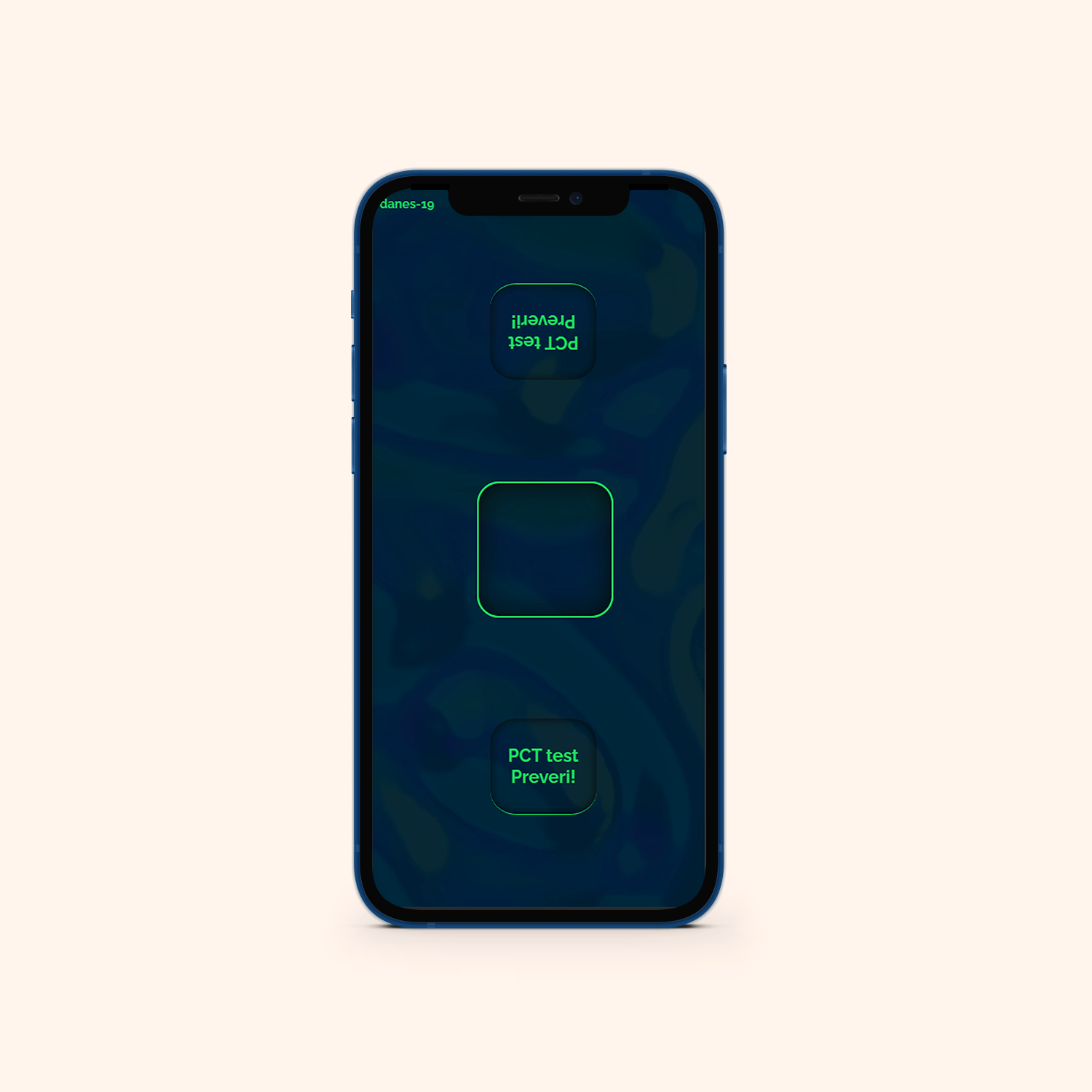
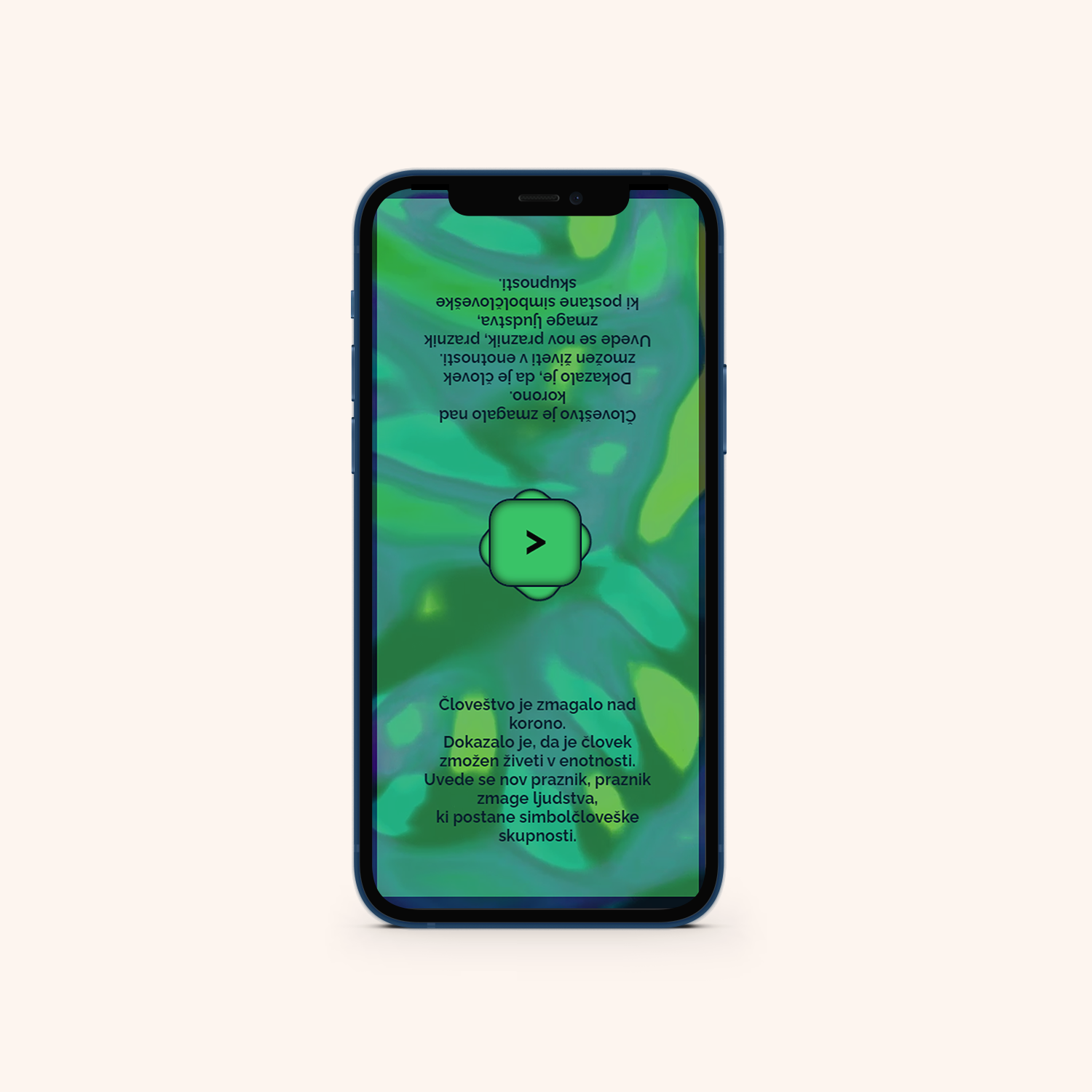

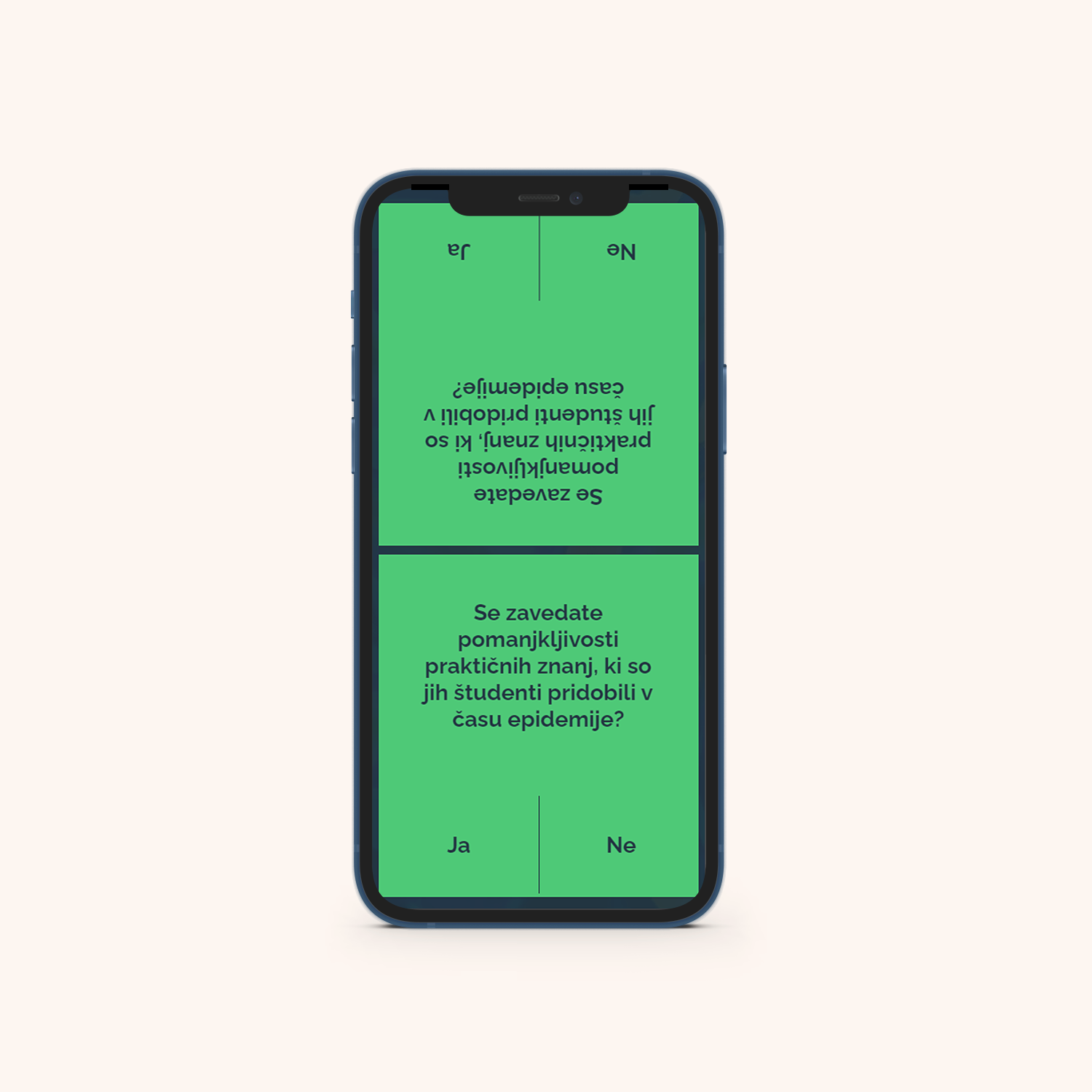

In 2021, the world was still navigating the complexities of the COVID-19 pandemic. Vaccination campaigns were underway, but so was polarization. Questions about public health became deeply personal; conversations that might once have been straightforward now carried weight, risk, and silence. Against this backdrop, Strahinja Jovanović developed Covid App—an interactive game designed to do something simple and, in its simplicity, radical: to bring people into dialogue.
The project begins with two questions. First: what kind of society do we want to live in after the epidemic? Second: is it possible to establish a dialogue between vaccinated and unvaccinated people? These are not small questions. They touch on trust, autonomy, collective responsibility, and the future of social cohesion. They are also questions that resist easy answers.
Covid App does not attempt to provide answers. Instead, it creates a structure for conversation. The game is composed of moral and statistical questions—some drawn from public health data, others from the messy reality of personal experience. Players answer these questions, and in doing so, they are placed in direct communication with one another. The game does not mediate; it facilitates. It does not dictate; it invites.
The format is significant. Games are often seen as entertainment, but they are also ancient tools for exploring values, testing decisions, and imagining outcomes. Covid App taps into this tradition. The questions are designed not to provoke conflict but to prompt reflection. A statistical question about vaccine efficacy might be followed by a moral question about community responsibility. The pairing unsettles easy positions, asking players to hold multiple perspectives at once.
The goal is not consensus but awareness. The game aims to establish dialogue—to create a space where different viewpoints can be expressed, heard, and engaged. In a time when conversations about vaccination often devolved into shouting, Covid App offers a different model: slower, more deliberate, grounded in questions rather than assertions.
The project also asks where we are and where we want to be. This framing is important. It acknowledges that the present moment is not fixed; that we have agency to shape the future; that dialogue is a form of action. By asking players to imagine a post-pandemic society, the game invites them to participate in its construction—to consider not only the science of vaccination but also the social fabric it supports.
For Strahinja, Covid App reflects a broader concern with design as a tool for social engagement. The project does not claim to solve polarization; it offers a space in which it might be addressed. It is modest in its ambitions—a game, a set of questions—but generous in its assumptions: that people can talk to one another, that understanding is possible, that the society we want is worth imagining together.
In the end, Covid App is less about the answers it provides than the conversations it enables. It is a reminder that design can be not only aesthetic but ethical, not only functional but relational. In a time when distance was measured not only in meters but in perspectives, it offered a way to come closer.